Plot Explained Spoilers guaranteed!
Plot Explained

Browse by genre

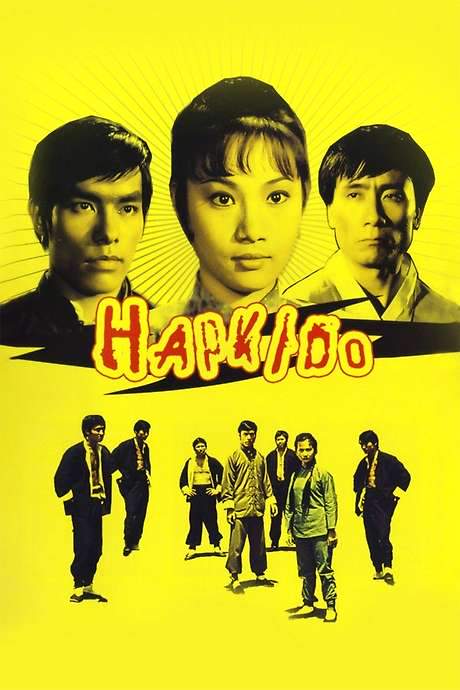
Hapkido (1972) movie poster

Characters & Themes

Hapkido (1972) Characters, Setting & Themes Explained

Release, runtime and language
1972 · 97 mins · Chinese
Loading streaming availability…
Directed by
Huang Feng
Starring
Jackie Chan, Nancy Sit Ka-Yin, Bruce Leung Siu-Lung, Yuen Biao, Yuen Wah, Corey Yuen Kwai

Yu Ying, Kao and Fan travel back to China to open a martial‑arts school. Their peaceful plans are shattered when a ruthless Japanese rival, head of the Black Bear school, begins a campaign of intimidation and sabotage. The escalating rivalry forces the friends into fierce confrontations as they fight to protect their dream.

On this page (8)
  1. 1 Where to watch
  2. 2 Characters explained (3)
  3. 3 Where & when it takes place
  4. 4 Themes & meaning (4)
  5. 5 Character & meaning questions
  6. 6 Movie threads
  7. 7 Movies like Hapkido
  8. 8 Every angle
Loading streaming availability…

3 main characters · contains spoilers

Hapkido Characters Explained: Who Is Who

The main characters of Hapkido (1972), heroes and villains: what drives them, how they change over the course of the story and what each of them reveals about the film's bigger ideas.

  • Yu Ying (Angela Mao Ying)

    A disciplined Hapkido practitioner whose initial calm is tested by the encroaching oppression. After Kao Chang and Fan Wei die, she channels grief into resolve, continuing to stand against threats and to lead by example. Her arc emphasizes restraint, leadership, and the transformative power of training.

    • 🥋 Martial Artist
    • 🕊️ Determined
    • 🧭 Leader
  • Kao Chang (Carter Huang Chia-Ta)

    An skilled Hapkido student and Yu Ying’s elder brother who embodies protective strength. He fights to uphold their shared vision of teaching, even as danger closes in. His death marks a turning point that deepens the resolve of the remaining students.

    • 🥊 Fighter
    • 🤝 Brother
    • 🗺️ Protector
  • Fan Wei (Sammo Hung Kam-Bo)

    A talented yet hot-headed Hapkido student whose temper triggers early clashes. His passion and skill push the group forward, but his death reveals the heavy cost of violent resistance. His memory fuels the remaining students’ determination to pursue their mission with discipline.

    • 🔥 Hot-headed
    • 🥋 Martial Artist
    • 🗡️ Temperament

Last updated: February 19, 2026 at 09:15

Was this helpful?

Setting

Where and When Does Hapkido Take Place?

The setting of Hapkido (1972): the year and time period, the places and locations, and how they shape the characters, the mood and the tension of the story.

Time period

1934

The story unfolds in 1934 during the height of the Japanese occupation of Korea. It follows three trained martial artists who decide to return to China to establish a school based on restraint and respect. The period's oppression and betrayals shape their mission and the dangers they face as they pursue their goals.

Location

Korea, China

Set against the 1934 Japanese occupation of Korea, the film opens in a quiet park before expanding to scenes in China where the protagonists plan to open a school. The Korean segments convey tension under occupation, while the China arcs explore the hope of teaching Hapkido as a form of disciplined resistance. The juxtaposition of peaceful park life and wartime oppression frames the characters' decision to share their art.

  • 🗺️ Historical setting
  • 🛡️ Occupation
  • ⚔️ Conflict

Last updated: February 19, 2026 at 09:15

Was this helpful?

4 major themes

Hapkido Meaning: Themes & Message Explained

What is Hapkido (1972) really about? The emotional, social and philosophical themes the film keeps returning to, its symbolism and the message beneath the surface.

  • Resistance

    Oppression and coercion drive the trio to resist through education and disciplined martial practice. Their plan to open a school in China becomes a symbol of autonomy against the occupiers. The narrative shows resistance as principled, organized, and costly, not simply physical confrontation. The pursuit by the Black Bear Gang tests their commitment to restraint and justice.

  • Discipline

    Hapkido training provides the characters with a framework of self-control and restraint. They attempt to balance power with mercy, aiming to teach rather than to brutalize. The training master’s values guide their choices as danger escalates. The final battles test whether discipline can triumph over panic and aggression.

  • Sacrifice

    Kao Chang and Fan Wei die during the clashes with oppressors, underscoring the high cost of resistance. Yu Ying’s grief hardens her resolve and redefines her mission, showing the personal price of defending freedom. The deaths propel the narrative toward a decisive confrontation with the gang leadership. Sacrifice becomes a catalyst for continued resistance and solidarity.

  • Loyalty

    The trio’s bond—especially Yu Ying’s connection with her elder brother—anchors their choices under threat. Loyalty to masters’ teachings, family, and comrades sustains them when betrayals and danger mount. Their commitment to each other shapes their resilience and the meaning of their mission. The story uses loyalty to highlight how collective action emerges from trust and shared values.

Last updated: February 19, 2026 at 09:15

Was this helpful?

Character & theme questions

Hapkido Characters & Meaning: Your Questions Answered

The questions people ask about Hapkido (1972): who the characters really are, their relationships, what the symbols mean, where it takes place and what the movie is really about. Each answer contains spoilers.

Q1

Where is the movie set?

The film is set in 1934 during the Japanese occupation of Korea, with key scenes in Korea and China. It begins in a quiet Korean park before transitioning to China where the protagonists plan to open their martial arts school. The contrast between peaceful settings and wartime oppression highlights the characters' dangerous mission.

  • korea
  • china
  • setting
  • japanese occupation
  • 1934
Q2

What historical period does the movie depict?

Hapkido takes place in 1934, at the height of the Japanese occupation of Korea. This period is significant because it was a time of intense foreign oppression, cultural suppression, and resistance. The year 1934 represents a era when Korean martial artists faced danger for practicing their traditions, making the characters' dream to teach Hapkido in China an act of cultural preservation and resistance.

  • 1934
  • japanese occupation
  • korea
  • historical period
  • colonialism
Q3

What are the main themes?

The movie explores four major themes: Resistance against oppression through education and disciplined practice; Discipline as a framework for self-control that balances power with mercy; Sacrifice, shown through the deaths of key characters that harden resolve and propel the narrative; and Loyalty, which anchors the trio's choices under threat and sustains them through betrayals and danger.

  • themes
  • resistance
  • discipline
  • sacrifice
  • loyalty
  • hapkido
Q4

What does the movie say about resistance?

The film portrays resistance as principled, organized, and costly, not simply physical confrontation. Opening a Hapkido school in China becomes a symbol of autonomy against Japanese occupiers. The characters choose to teach martial arts as a form of disciplined resistance rather than pure violence, showing that their mission is about preserving dignity and cultural identity under oppression.

  • resistance
  • occupation
  • oppression
  • martial arts
  • freedom
Q5

Who is Yu Ying and what is her role?

Yu Ying (played by Angela Mao Ying) is the disciplined Hapkido practitioner who serves as the emotional and moral center of the story. Initially calm and composed, her resolve is tested by escalating oppression. After her brother Kao Chang and fellow student Fan Wei die, she channels her grief into continued resistance, embodying the theme of transformation through tragedy. Her arc emphasizes restraint, leadership, and the power of training.

  • yu ying
  • angela mao ying
  • protagonist
  • hapkido master
Q6

Who are Kao Chang and Fan Wei?

Kao Chang (Carter Huang Chia-Ta) is Yu Ying's elder brother who embodies protective strength, fighting to uphold their shared vision of teaching Hapkido. His death marks a major turning point. Fan Wei (Sammo Hung Kam-Bo) is a talented but hot-headed student whose passion and skill drive the group forward, though his temper triggers early clashes. Both characters represent the cost of resistance, dying during confrontations with oppressors.

  • kao chang
  • fan wei
  • characters
  • hapkido students
  • brothers
Q7

How does the movie treat discipline?

Hapkido training provides characters with a framework of self-control and restraint. The film emphasizes balancing power with mercy, teaching rather than brutalizing. The training master's values guide the characters' choices as danger escalates. The final battles test whether discipline can triumph over panic and aggression, presenting controlled martial arts as both a philosophy and practical survival skill.

  • discipline
  • hapkido
  • self-control
  • martial arts training
  • philosophy
Q8

What is the role of sacrifice in the story?

Sacrifice is a central theme that drives the narrative forward. Kao Chang and Fan Wei die during clashes with oppressors, underscoring the high cost of resistance. Their deaths harden Yu Ying's resolve and redefine her mission, showing the personal price of defending freedom. Their memory fuels the surviving characters' determination to pursue their mission with discipline, making sacrifice a catalyst for continued resistance and solidarity.

  • sacrifice
  • death
  • loss
  • resistance
  • tragedy
Q9

How does the setting reflect the movie's themes?

The juxtaposition of peaceful park life in Korea against wartime oppression creates visual tension that mirrors the characters' internal conflict. Korean segments convey constant tension under occupation, while the China arcs explore hope of teaching Hapkido as disciplined resistance. The setting literally shows a world where pursuing peaceful goals requires fighting against violent forces, making the setting inseparable from the themes of resistance and sacrifice.

  • setting
  • themes
  • occupation
  • peace
  • resistance
  • atmosphere
Q10

What is the tone and emotional impact?

The movie maintains a tense, defiant tone with constant conflict and violent confrontations. The emotional weight is heavy due to brutal suppression by occupiers and the tragic loss of friends. The ending is bittersweet, the antagonist is defeated but at tremendous cost, leaving victory deeply shadowed by grief. The tone explores the friction between a desire for peaceful teaching and the harsh necessity of violent resistance.

  • tone
  • atmosphere
  • ending
  • bittersweet
  • violence
  • conflict

Movie threads

More Movies Like Hapkido, by Mood & Story

Curated lists built around what makes Hapkido tick: the same mood, the same kind of story or the same emotional payoff. Each list explains why these movies belong together.

Defiant Resistance Stories like Hapkido

Stories where individuals fight back against overwhelming forces of tyranny and control. If you enjoyed the defiant spirit of Hapkido, explore more movies about fighting back against oppression. These films feature gritty struggles, heavy themes, and bittersweet victories against powerful foes.

  • defiant
  • oppressive
  • vengeful
  • gritty
  • brutal
  • tense
  • Tone: tense, defiant, bleak
  • Pacing: fast, confrontational
Why these movies?

The story pattern: Narratives in this thread typically follow a group or individual whose peaceful existence is shattered by an external threat. They are forced to abandon passivity and engage in a escalating series of confrontations, culminating in a final, costly stand that secures a victory shadowed by loss.

Why they belong together: These movies are grouped by their shared theme of resistance, a tone of tense defiance, and an emotionally heavy journey. They explore the friction between the desire for peace and the necessity of violence, often resulting in a bittersweet conclusion.


Pyrrhic Victory Stories like Hapkido

Tales where triumph is achieved, but at a devastating personal cost. Fans of Hapkido's emotionally complex ending will appreciate these movies about costly triumphs. Discover similar stories where winning the battle comes with a heavy, bittersweet price.

  • bittersweet
  • tragic
  • vengeful
  • grim
  • sacrifice
  • heavy
  • Tone: bittersweet, grim, heavy
  • Pacing: fast, linear
Why these movies?

The story pattern: The narrative follows a clear, often revenge-driven plot where the protagonist's goal is ultimately met. However, the path to that goal is littered with tragedy. The emotional core shifts from a desire for success to a grim determination, culminating in an ending where the cost of victory is the central, lingering theme.

Why they belong together: These films share a specific emotional arc: the journey from a clear objective to a conclusion where success is emotionally ambiguous. They are united by a heavy emotional weight, a straightforward plot focused on confrontation, and a final feeling that is more somber than celebratory.

If you liked this

Movies Like Hapkido

Similar movies to Hapkido: the same genre, themes or kind of story. Each one comes with its own plot summary, timeline and ending explained.

Browse all movie summaries

Every angle

Hapkido (1972) Explained: Plot, Timeline & Characters

Everything about Hapkido in one place: what happens in the plot summary, the timeline in chronological order, the characters and meaning and a spoiler-free summary. What's After the Movie adds the cast, box office and post-credit scenes.

Coming soon on iOS and Android

The Plot Explained Movie Summary App

Plot summaries, endings explained and timelines on your phone. Catch up on any movie in minutes, save your favorites and never miss a twist again.

Be the first to know when we launch. Your email stays private, always.

Learn more about the app