Plot Explained Spoilers guaranteed!
Plot Explained

Browse by genre

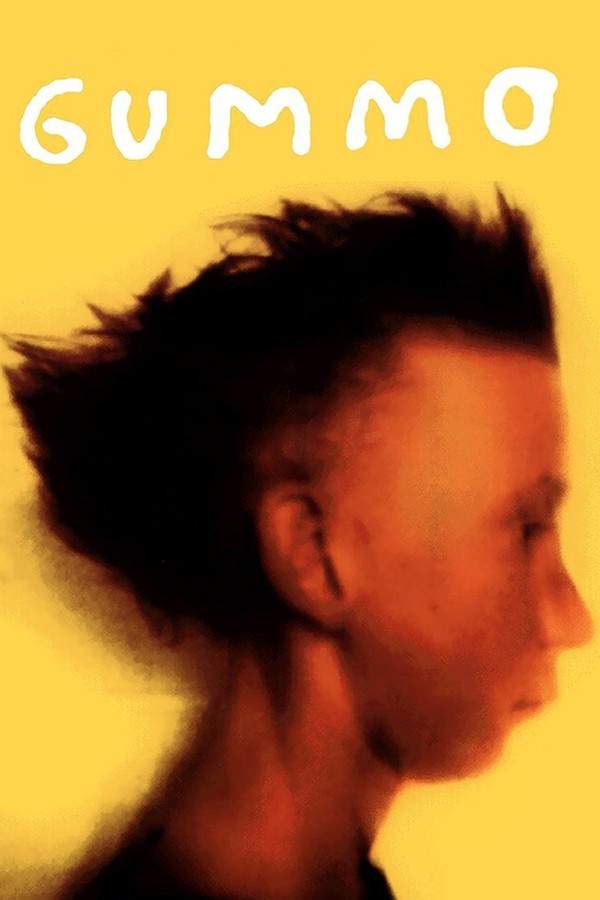
Gummo (1997) movie poster

Plot Summary

Gummo (1997) Plot Summary Explained

Release, runtime and language
1997 · 89 min · English
Directed by
Harmony Korine
Starring
Jacob Sewell, Nick Sutton

In the aftermath of a devastating tornado, a small Ohio town grapples with poverty, neglect, and unsettling behavior. Two young men, Tummler and Solomon, navigate a landscape of despair, encountering a mute individual with rabbit ears and witnessing disturbing events. Two sisters face a dangerous situation, as the film portrays a collection of isolated incidents and unusual characters, blurring the boundaries between reality and the desperation that permeates the community.

On this page (5)
  1. 1 What happens: full plot
  2. 2 Plot questions answered
  3. 3 Movie threads
  4. 4 Movies like Gummo
  5. 5 Every angle

Full plot summary · contains spoilers

What Happens in Gummo: Full Plot Summary

The whole story of Gummo (1997) explained, from the opening scene to the final frame: every key event, every twist and what it all adds up to. Read it as a quick recap before the sequel, to check a scene you missed, or to finally understand what really happened.

A young boy named Solomon serves as the narrator, recounting the harrowing events of a tornado that struck the modest town of Xenia, Ohio. Among the unusual sights during this time is a mute boy, referred to as Bunny Boy, who can be seen wearing only his pink bunny ears, shorts, and tennis shoes while standing on an overpass drenched in rain.

Among Solomon's acquaintances is Tummler, played by Jacob Sewell, who disturbingly drowns a cat in a barrel of water. The storyline shifts to Tummler in a wrecked car, sharing intimate moments with a girl, only for him to discover a lump on her breast, which distracts him from his romantic advances. Later, Solomon describes Tummler as a boy marked by a "marvelous persona," yet many label him as "downright evil."

When Tummler aims an air rifle at a cat, Solomon intervenes, insisting that it's a housecat deserving of protection. As they depart, the camera follows the cat back home to its owners—a trio of sisters, including two teenagers and a younger girl. Moments later, the narrative returns to Tummler and Solomon, who embark on a hunt for feral cats, delivering their captures to a local grocer with the intent of selling them to a restaurant. The grocer reveals they are not alone in their cat-killing endeavors, prompting Tummler and Solomon to purchase glue for huffing, seeking a temporary escape.

The film then cuts to a chaotic scene where two foul-mouthed boys, dressed as cowboys, rampage through a junkyard, eventually encountering Bunny Boy. In a cruel twist of play, they "shoot" him dead with cap guns, rummaging through his pockets and discarding one of his shoes before losing interest and leaving him on the ground.

Solomon and Tummler soon discover a local boy named Jarrod Wiggley, who is sabotaging their cat population by poisoning them instead of shooting them. In an attempt to confront him, they don masks and arm themselves before breaking into Jarrod's house, where they stumble upon unsettling photos of him in drag and the sight of his elderly, comatose grandmother. Tummler, expressing disdain for the situation, pushes the boundaries of morality by turning off her life support.

The film is interspersed with various striking vignettes: an intoxicated man making advances at a gay dwarf, a despicable man exploiting his disabled sister, and unsettling encounters with an elderly child molester. We also see moments of social interaction as twin boys sell candy door-to-door, a conversation with a tennis player coping with ADHD, and a derisive portrayal of young children at a drunken party.

As the story unfolds to the backdrop of "Crying" by Roy Orbison, a song Tummler associates with his transsexual sibling, the film nears its climax. In a dismal display, Solomon and Tummler take turns shooting the sisters' cat with their air rifles, juxtaposed with chaotic scenes of Bunny Boy sharing kisses with teenage girls in a swimming pool. The absurdity crescendos when Bunny Boy, holding a dead cat, runs towards the camera through a field, breaking the fourth wall with his presentation.

The narrative concludes on a poignant note, featuring a girl who had earlier shaved her eyebrows. She is seen singing "Jesus Loves Me" next to her mother (or sister), as the film fades to black with the instruction for her to "dial it down" and prepare for bed.
Last updated: November 03, 2024 at 12:04

Was this helpful?

Plot questions answered

Gummo Plot Explained: Your Questions Answered

The questions people ask most about Gummo (1997): what happens in the confusing scenes, why the characters do what they do, the twists, hidden details and what the ending means. Each answer contains spoilers.

Q1

Why does Tummler drown a cat in the beginning of the film?

Tummler drowns the cat as an early demonstration of his cruel and chaotic nature. Solomon describes him as having a "marvelous persona" that many find "downright evil." The act establishes Tummler as a character who inflicts harm for no apparent reason, reflecting the film\'s portrayal of a community where violence and neglect have become normalized behaviors.

  • tummler
  • cat drowning
  • character motivation
  • xenia ohio
Q2

What happens to Bunny Boy at the junkyard?

At the junkyard, two boys dressed as cowboys encounter Bunny Boy and pretend to shoot him with cap guns in a mock execution. They then rummage through his pockets, throw away one of his shoes, and leave him lying on the ground. Bunny Boy is mute and cannot defend himself or call for help, making him a target for the boys' cruel play.

  • bunny boy
  • junkyard
  • cowboy boys
  • cap guns
Q3

Why does Tummler turn off Jarrod Wiggley's grandmother's life support?

During the break-in at Jarrod's house, Tummler encounters Jarrod's elderly comatose grandmother hooked to life support. After seeing disturbing photos of Jarrod in drag and expressing disdain for the situation, Tummler crosses an even darker moral boundary by turning off her life support. This act showcases his complete disregard for human life and his escalating descent into cruelty.

  • tummler
  • jarrod wiggley
  • life support
  • euthanasia
Q4

Why do Solomon and Tummler hunt feral cats to sell?

Solomon and Tummler hunt feral cats and sell them to a local grocer, who explains they aren't the first people bringing in cats, others in town do the same. The pair then use the money to buy glue for huffing, suggesting the cat hunting is less about profit and more about finding any means to escape their bleak reality through substance abuse.

  • feral cats
  • grocer
  • glue huffing
  • escape
Q5

Who is Bunny Boy and what is his purpose in the film?

Bunny Boy is a mute boy who wears only pink bunny ears, shorts, and tennis shoes, often seen standing on an overpass in the rain. His purpose appears to be a surreal, almost symbolic figure representing the town's abnormality and the film\'s dreamlike quality. He is repeatedly victimized and appears in increasingly absurd situations, including kissing teenage girls at a swimming pool and running toward the camera with a dead cat.

  • bunny boy
  • mute boy
  • xenia
  • surreal character
Q6

What does Tummler discover while in the wrecked car with the girl?

While Tummler is intimate with a girl in a wrecked car, he discovers a lump on her breast, which causes him to stop his romantic advances. This sudden discovery shifts his attention entirely, and the moment highlights the film\'s recurring theme of unexpected interruptions that disrupt whatever small pleasures the characters attempt to find.

  • tummler
  • wrecked car
  • lump on breast
  • intimacy
Q7

Why does Jarrod Wiggley poison the cats instead of shooting them?

Jarrod Wiggley is revealed to be sabotaging the local cat population by poisoning them rather than shooting them. Solomon and Tummler confront him about this, leading to their masked break-in of his house. The film doesn't fully explain his motivation, but his actions represent another form of senseless violence permeating the community.

  • jarrod wiggley
  • poisoning cats
  • confrontation
Q8

What is the significance of the song Crying by Roy Orbison in the film?

The song "Crying" by Roy Orbison plays as Tummler associates it with his transsexual sibling. This brief mention reveals a personal connection to the character, suggesting he has family members struggling with their identity, adding another layer of complexity to Tummler's character while the song's melancholy lyrics reinforce the film's overall tone of despair.

  • roy orbison
  • crying song
  • transsexual sibling
  • tummler family
Q9

Why does the film include so many unrelated disturbing vignettes?

The vignettes, including an intoxicated man pursuing a gay dwarf, a man exploiting his disabled sister, and interactions with an elderly child molester, are not meant to connect through a traditional plot. Instead, they collectively portray a community ravaged by trauma, neglect, and moral decay. The film\'s experimental structure rejects linear storytelling in favor of presenting a thematic portrait of hopelessness.

  • vignettes
  • experimental structure
  • community decay
  • narrative style
Q10

What does the final scene with the girl singing Jesus Loves Me signify?

The film concludes with a girl who earlier shaved her eyebrows singing "Jesus Loves Me" next to what appears to her mother or sister, before the screen fades to black with instructions to "dial it down" and prepare for bed. This tender, almost wholesome moment provides a stark contrast to the preceding chaos and brutality, suggesting innocence persists even in the most broken of communities, or perhaps that the cycle of dysfunction continues unchecked.
  • jesus loves me
  • final scene
  • eyebrow shaved girl
  • innocence
Q11

Why does Bunny Boy break the fourth wall at the end of the film?

In the climax, Bunny Boy runs toward the camera holding a dead cat through an open field, directly addressing the audience and breaking the fourth wall. This surreal moment encapsulates the film\'s chaotic tone, blurring reality and performance, victim and perpetrator. It creates a jarring, almost confrontational ending that leaves viewers unsettled and forces them to acknowledge what they've witnessed.

  • bunny boy
  • fourth wall
  • breaking camera
  • dead cat
Q12

Why do Tummler and Solomon buy glue to huff?

After selling the captured cats to a grocer, Tummler and Solomon use the money to purchase glue for huffing. This act represents their desperate attempt to escape the grim reality of their surroundings. The glue provides a temporary high that temporarily numbs their circumstances, symbolizing how the town's residents seek any form of escape from the poverty and despair that define their lives.

  • glue huffing
  • substance abuse
  • escape
  • poverty
Q13

Why do the cowboy boys pretend to kill Bunny Boy?

The two foul-mouthed boys dressed as cowboys encounter Bunny Boy at the junkyard and engage in violent play by "shooting" him dead with cap guns, then robbing him and discarding his shoe before leaving him on the ground. This scene demonstrates how violence has become entertainment for the town's youth, they enact brutal scenarios on the most vulnerable person they find, treating murder as a game.

  • cowboy boys
  • junkyard
  • cap guns
  • violent play
Q14

Why does Solomon intervene when Tummler aims his air rifle at a housecat?

When Tummler aims his air rifle at what Solomon identifies as a housecat (not a feral cat), Solomon intervenes and insists the cat deserves protection because it has a home and owners. This moment reveals Solomon's moral compass, a contrast to Tummler's more ruthless nature. Despite this brief display of ethics, Solomon later participates in shooting the same sisters' cat, showing how his moral lines blur.

  • solomon
  • housecat
  • air rifle
  • moral compass
Q15

What leads to Solomon and Tummler shooting the sisters' cat?

After following the housecat back to its home, where it belongs to three sisters including two teenagers and a younger girl, Solomon and Tummler later return and take turns shooting the same cat with their air rifles. This act of violence against an animal they previously protected demonstrates the inconsistency and deterioration of their moral judgment, possibly influenced by their glue huffing and the overall normalization of cruelty in their environment.

  • sisters cat
  • air rifles
  • violence reversal
  • moral decline

Movie threads

More Movies Like Gummo, by Mood & Story

Curated lists built around what makes Gummo tick: the same mood, the same kind of story or the same emotional payoff. Each list explains why these movies belong together.

Experimental social decay movies like Gummo

Experimental films that use fragmented glimpses into a broken world. If you were captivated by Gummo's raw portrait of a devastated town, explore other movies like it. This collection features experimental dramas with fragmented narratives, focusing on bleak social realism, poverty, and unsettling character studies in decaying environments.

  • bleak
  • raw
  • unsettling
  • desolate
  • experimental
  • grim
  • Tone: dark, bleak, unsettling
  • Pacing: variable, contemplative
Why these movies?

The story pattern: Films in this thread often lack a central plot, instead weaving together a series of vignettes or isolated incidents that collectively build a powerful thematic statement about a place and its people. The narrative structure is purposefully disjointed to reflect the chaos and fragmentation of the world it depicts.

Why they belong together: These films are grouped by their shared commitment to an immersive, often uncomfortable vibe. They prioritize a grim atmosphere and thematic resonance over conventional storytelling, using experimental techniques to convey a deep sense of despair and societal neglect.

Bleak trauma dramas similar to Gummo

Stories where characters are defined by their psychological scars. For viewers who appreciated Gummo's unflinching look at trauma and alienation, this list curates similar heavy dramas. Discover movies that share a dark tone, high emotional weight, and a focus on characters grappling with abuse, neglect, and psychological damage in a bleak setting.

  • disturbing
  • heavy
  • psychological
  • grim
  • dark
  • raw
  • Tone: dark, grim
  • Pacing: steady, deliberate
Why these movies?

The story pattern: The narrative follows characters as they navigate a world shaped by past or present trauma. There is often no traditional arc of healing; instead, the story documents the psychological fallout and unsettling behaviors that emerge from a state of enduring pain and neglect.

Why they belong together: These films are united by their relentless focus on the heaviness of human suffering. They create a cohesive experience through a dark tone, high intensity, and a commitment to portraying the brutal realities of trauma without offering easy solutions or hope.

If you liked this

Movies Like Gummo

Similar movies to Gummo: the same genre, themes or kind of story. Each one comes with its own plot summary, timeline and ending explained.

Browse all movie summaries

Every angle

Gummo (1997) Explained: Plot, Timeline & Characters

Everything about Gummo in one place: what happens in the plot summary, the timeline in chronological order, the characters and meaning and a spoiler-free summary. What's After the Movie adds the cast, box office and post-credit scenes.

Coming soon on iOS and Android

The Plot Explained Movie Summary App

Plot summaries, endings explained and timelines on your phone. Catch up on any movie in minutes, save your favorites and never miss a twist again.

Be the first to know when we launch. Your email stays private, always.

Learn more about the app