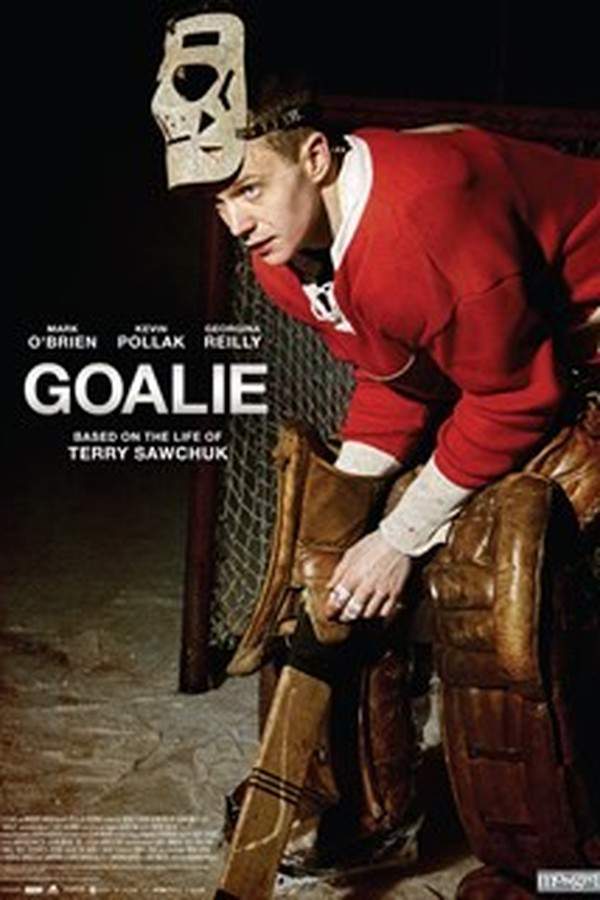
Terry Sawchuk rises from Winnipeg’s lower-middle-class streets, where a kid with a keen eye for the puck learns to read shots on frozen ponds and to trust his reflexes. The film traces his ascent from neighborhood success to the national stage, where a seasoned manager spots his talent and drafts him to a storied NHL team. Trader Jack Adams pools his expectations into a single gamble: replace an injured veteran for the Detroit Red Wings and become the backbone of a franchise that values grit as much as goalie skill.
In an era when masks are still rare and the net is a high-stakes battlefield, Sawchuk endures the brutal reality of pucks to the face, a constant reminder of hockey’s raw physical toll. Yet his artistry between the posts helps drive Detroit to victory, a testament to nerves of steel and lightning-fast anticipation. The film doesn’t shy away from the human side of success either: off the ice, he forges a new family life after marrying a Detroit woman, and the couple builds a home together even as the pace behind the scenes grows more glamorous and demanding.
A major turning point comes with a trade that sends him to the Boston Bruins, a move that reshapes his personal and professional life. The bright lights and mounting pressures coincide with a sharp downturn in his personal conduct. Sawchuk’s alcohol use intensifies, and the fireworks spill into his domestic world, marked by abusive episodes and infidelity. The marriage dissolves, leaving him to navigate a winding career with the emotional weight of his choices weighing on every game and decision.
As he roams from team to team, the goaltending landscape itself evolves: masks become standard equipment, and franchises begin rotating more than one goalie to cover the grueling schedule. The shifting dynamics reflect a hockey culture that begins to professionalize around the goalie position, a transformation Sawchuk witnesses as much as drives. Throughout these changes, he remains tethered to the mentorship of [Jack Adams], who appears again as a guiding but blunt voice in his life. The veteran manager’s hard-won perspective lands with a mix of reassurance and challenge, nudging Sawchuk to confront the myth of effortless stardom and the price of belonging in a league built on heroics.
The film’s later chapters peel back the costs of a life lived at full speed. Sawchuk’s body bears the long record of a career spent guarding the crease—injuries accumulate, and the toll on his health and personal life deepens the tragedy. His death arrives not from a spectacular crash but from an otherwise minor injury suffered during a drunken argument, at a time when he was employed as a goalie for the New York Rangers. It’s a stark reminder of how the sport’s glamour and brutality can collide in painful, irreversible ways.
In the end, the narrative folds back into its opening frame: interspersed with on-ice action, Sawchuk’s autopsy and the meticulous cataloging of bodily injuries anchor the film, offering a somber counterpoint to the glitter of triumph. The closing image lingers on a still of the era’s greatest goalie from the Original Six, accompanied by overscreen text that chronicles his lasting impact on the game. The result is a portrait that balances achievement with vulnerability, fandom with accountability, and the raw grief that accompanies a legend’s twilight.