Plot Explained Spoilers guaranteed!
Plot Explained

Browse by genre

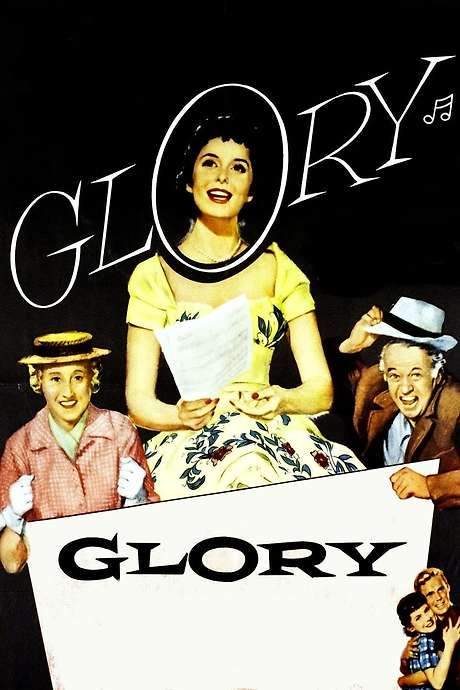
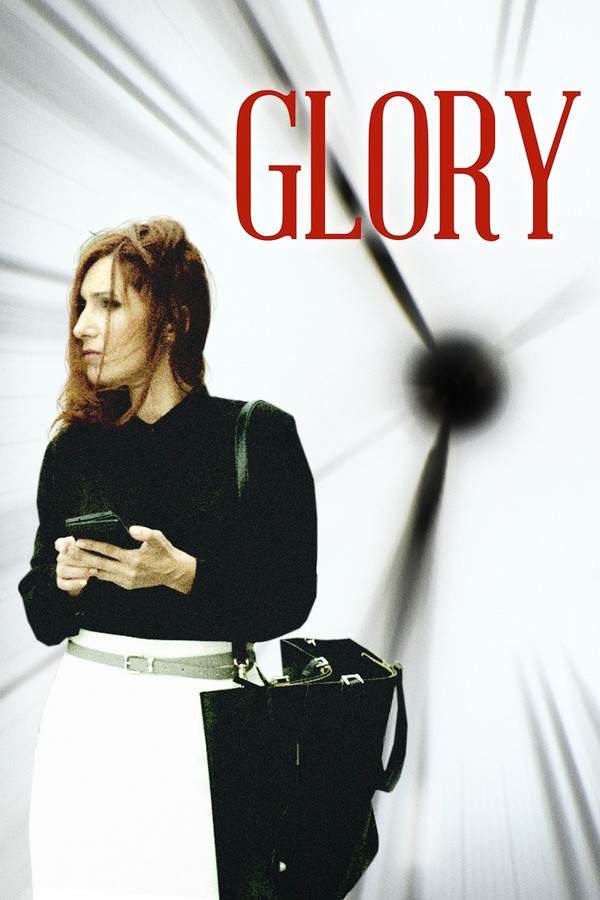
Glory (2017) movie poster

Characters & Themes

Glory (2017) Characters, Setting & Themes Explained

Release, runtime and language
2017 · 101 min · Bulgarian
Loading streaming availability…
Directed by
Kristina Grozeva, Petar Valchanov

After a chance discovery, Tsanko Petrov finds himself entangled in a series of unexpected events. Driven to reclaim a lost family heirloom and rediscover his identity, he embarks on a quest for justice and dignity. The story unfolds with a blend of poignant moments and quiet determination, exploring themes of family, heritage, and the pursuit of a meaningful life.

On this page (8)
  1. 1 Where to watch
  2. 2 Characters explained (2)
  3. 3 Where & when it takes place
  4. 4 Themes & meaning (4)
  5. 5 Character & meaning questions
  6. 6 Movie threads
  7. 7 Movies like Glory
  8. 8 Every angle
Loading streaming availability…

2 main characters · contains spoilers

Glory Characters Explained: Who Is Who

The main characters of Glory (2017), heroes and villains: what drives them, how they change over the course of the story and what each of them reveals about the film's bigger ideas.

  • Tsanko Petrov (Stefan Denolyubov)

    A humble railway trackman who discovers a large stash of money but chooses to report it, risking his own comfort and reputation. Treated as an unreliable joke by the Ministry's PR apparatus, he becomes a reluctant whistleblower whose moral backbone drives the plot. His stutter and quiet demeanor emphasize his status as an ordinary man facing systemic corruption.

    • 🕊️ Integrity
    • 🏭 Working-class
    • 🧭 Courage
  • Julia Staykova (Margita Gosheva)

    The ambitious head of PR for the Ministry of Transport who weaponizes Tsanko's discovery to deflect a corruption scandal. She wields media power to manufacture a hero while she secretly manipulates outcomes, only to confront guilt as the consequences of her actions unfold. Her manipulation sets off a chain of events that leads to tragedy.

    • 💼 Power and manipulation
    • 🗞️ Media influence
    • ⚖️ Accountability

Last updated: October 03, 2025 at 19:41

Was this helpful?

Setting

Where and When Does Glory Take Place?

The setting of Glory (2017): the year and time period, the places and locations, and how they shape the characters, the mood and the tension of the story.

Time period

Present day, 2010s

Set in contemporary Bulgaria, the story takes place in the modern era when media influence and political maneuvering color public life. The events reflect a time of bureaucratic struggles over corruption and accountability, rather than a distant historical period. The tone emphasizes current-day concerns about transparency in public institutions.

Location

Bulgaria, Railway tracks, Ministry of Transport

The film unfolds across key Bulgarian settings, centered on the national rail network and the Ministry of Transport. It juxtaposes a working-class rail yard with a government bureaucracy, highlighting how public spaces become stages for political maneuvering. The locations are depicted as industrial and bureaucratic, underscoring the clash between everyday laborers and powerful institutions.

  • 🇧🇬 Bulgaria
  • 🚆 Railways
  • 🏛 Government institutions

Last updated: October 03, 2025 at 19:41

Was this helpful?

4 major themes

Glory Meaning: Themes & Message Explained

What is Glory (2017) really about? The emotional, social and philosophical themes the film keeps returning to, its symbolism and the message beneath the surface.

  • Public Image

    A central thread is how Julia weaponizes Tsanko's supposed heroism to shape public perception. The ceremony and press coverage create a manufactured image that contrasts with Tsanko's real integrity. The film critiques how media and politics curate narratives to deflect scandal.

  • Corruption and Accountability

    The Ministry of Transport is portrayed as a site of endemic theft and complicity, with attempts to control the truth through framing and intimidation. Tsanko's whistleblowing interrupts the corrupt routine and triggers a chain of consequences for many players. The narrative questions whether institutions can or will hold themselves to account.

  • Guilt and Consequence

    Julia's guilt over the fallout—massaging the truth, losing and eventually hunting for the missing heirloom—highlights personal moral responsibility. The consequences extend beyond individuals to ripple through families and workers, culminating in tragedy and regret. The ending implies that truth can still provoke violence and retribution.

  • Integrity vs Power

    Tsanko's stubborn honesty in the face of ridicule exposes the tension between ordinary people's ethics and institutional power. His protest disrupts a comfortable corruption system, revealing the human cost of standing up to powerful interests. The film frames integrity as a harrowing, costly choice for a working-class man.

Last updated: October 03, 2025 at 19:41

Was this helpful?

Character & theme questions

Glory Characters & Meaning: Your Questions Answered

The questions people ask about Glory (2017): who the characters really are, their relationships, what the symbols mean, where it takes place and what the movie is really about. Each answer contains spoilers.

Q1

Where does Glory take place?

The film is set in Bulgaria, primarily in two contrasting environments: a working-class railway yard where the protagonist works, and the Ministry of Transport in Sofia. These locations represent the clash between ordinary laborers and government institutions, with the national rail network serving as both a literal setting and symbolic backdrop for the story's exploration of power and integrity.

  • bulgaria
  • railway
  • ministry of transport
  • setting
  • sofia
Q2

What time period is Glory set in?

Glory is set in present-day Bulgaria during the 2010s. The story reflects contemporary concerns about media influence, political maneuvering, and bureaucratic struggles over corruption and accountability in public institutions.

  • present day
  • 2010s
  • bulgaria
  • time period
  • contemporary
Q3

What does Glory say about public image and media?

The film critiques how media and politics curate narratives to deflect scandal. Julia Staykova weaponizes Tsanko's supposed heroism to shape public perception, creating a manufactured image that contrasts with his real integrity. The ceremony and press coverage expose how powerful institutions manipulate public image for political gain.

  • public image
  • media manipulation
  • julia staykova
  • politics
  • narrative
Q4

How does Glory portray corruption in institutions?

The Ministry of Transport is depicted as a site of endemic theft and complicity, where officials attempt to control the truth through framing and intimidation. Tsanko's whistleblowing disrupts this corrupt routine and triggers consequences for many players, raising questions about whether institutions can or will hold themselves accountable.

  • corruption
  • ministry of transport
  • institutions
  • accountability
  • whistleblowing
Q5

What does Glory say about integrity against power?

Tsanko's stubborn honesty in the face of ridicule exposes the tension between ordinary people's ethics and institutional power. His protest disrupts a comfortable corruption system, revealing the human cost of standing up to powerful interests. The film frames integrity as a harrowing, costly choice for a working-class man.

  • integrity
  • power
  • corruption
  • tsanko petrov
  • whistleblowing
  • ethics
Q6

What role does guilt play in Glory?

Julia's guilt over the fallout highlights personal moral responsibility as she manipulates the truth and hunts for the missing heirloom. The consequences extend beyond individuals to ripple through families and workers, culminating in tragedy and regret. The ending implies that truth can provoke violence and retribution.

  • guilt
  • consequence
  • julia staykova
  • truth
  • remorse
  • tragedy
Q7

Who is Tsanko Petrov in Glory?

Tsanko Petrov is a humble railway trackman who discovers a large stash of money but chooses to report it, risking his own comfort and reputation. Despite his stutter and quiet demeanor, he becomes a reluctant whistleblower whose moral backbone drives the entire plot. His story represents the everyday working person facing systemic corruption.

  • tsanko petrov
  • railway trackman
  • whistleblower
  • protagonist
  • integrity
Q8

Who is Julia Staykova and what is her role?

Julia Staykova is the head of PR for the Ministry of Transport who weaponizes Tsanko's discovery to deflect a corruption scandal. She wields media power to manufacture a hero narrative while secretly manipulating outcomes. As consequences unfold, she confronts guilt over her actions, setting off a chain of events that leads to tragedy.

  • julia staykova
  • pr head
  • ministry of transport
  • manipulation
  • media power
Q9

Why is the railway important to Glory's story?

The national rail network serves as both the literal setting and a symbolic backdrop for the film. The working-class rail yard represents ordinary people and labor, contrasting with the government bureaucracy of the Ministry. Public spaces become stages for political maneuvering, with the railway embodying the public infrastructure that should serve citizens but is instead exploited by corrupt institutions.

  • railway
  • rail yard
  • public infrastructure
  • labor
  • working class
  • symbolism
Q10

What kind of film is Glory and what makes it notable?

Glory is a 2017 Bulgarian drama that blends poignant moments with quiet determination. It explores themes of family, heritage, and the pursuit of a meaningful life through a story about an ordinary man standing up to systemic corruption. The film has received international recognition for its sharp critique of media manipulation and institutional corruption.

  • bulgarian drama
  • 2017
  • international film
  • corruption themes

Movie threads

More Movies Like Glory, by Mood & Story

Curated lists built around what makes Glory tick: the same mood, the same kind of story or the same emotional payoff. Each list explains why these movies belong together.

Movies about fighting a corrupt system like Glory

One ordinary person is crushed by the gears of a vast, cynical system. If you liked Glory and its story of one man's fight against a manipulative establishment, you'll find similar movies here. These dramas focus on the emotional and psychological toll of battling institutional corruption, media manipulation, and cynical power structures.

  • frustrating
  • oppressive
  • defiant
  • anxious
  • somber
  • troubling
  • Tone: dark, cynical, defiant
  • Pacing: steady, procedural escalation
Why these movies?

The story pattern: These narratives typically begin with a small discovery or act of principle that escalates into a life-altering conflict. The protagonist is slowly isolated, discredited, and broken down by a faceless, bureaucratic system that prioritizes its own survival over truth or justice. The journey is one of gradual disempowerment and rising defiance.

Why they belong together: Movies in this thread share a dark, somber tone and a steady, procedural pacing that builds a sense of oppressive frustration. They are united by themes of class struggle, whistleblowing, and the moral collapse of institutions, creating a heavy emotional weight and often an ambiguous or bleak resolution.


Slow burn dramas with a dark atmosphere like Glory

Stories where anxiety and tension build steadily into an oppressive atmosphere. For viewers who appreciated the anxious, oppressive mood and steady-building tension of Glory. This collection features movies with a similar slow burn pacing, a dark and somber tone, and a heavy emotional weight that creates a palpable sense of dread throughout the story.

  • anxious
  • oppressive
  • slow burn
  • somber
  • troubling
  • psychological
  • Tone: dark, anxious, somber
  • Pacing: steady, slow burn
Why these movies?

The story pattern: The narrative unfolds methodically, often starting from a point of normality that is slowly eroded. The conflict is internal and external, with psychological pressure mounting as the protagonist's world becomes more claustrophobic and hopeless. The focus is on the emotional journey and atmospheric tension rather than plot twists.

Why they belong together: This thread groups films based on a shared viewing experience of sustained, atmospheric tension. They prioritize mood over pace, using a steady rhythm to create an anxious, somber, and ultimately oppressive vibe that weighs heavily on the viewer, much like the input movie.

If you liked this

Movies Like Glory

Similar movies to Glory: the same genre, themes or kind of story. Each one comes with its own plot summary, timeline and ending explained.

Browse all movie summaries

Every angle

Glory (2017) Explained: Plot, Timeline & Characters

Everything about Glory in one place: what happens in the plot summary, the timeline in chronological order, the characters and meaning and a spoiler-free summary. What's After the Movie adds the cast, box office and post-credit scenes.

Coming soon on iOS and Android

The Plot Explained Movie Summary App

Plot summaries, endings explained and timelines on your phone. Catch up on any movie in minutes, save your favorites and never miss a twist again.

Be the first to know when we launch. Your email stays private, always.

Learn more about the app