Plot Explained Spoilers guaranteed!
Plot Explained

Browse by genre

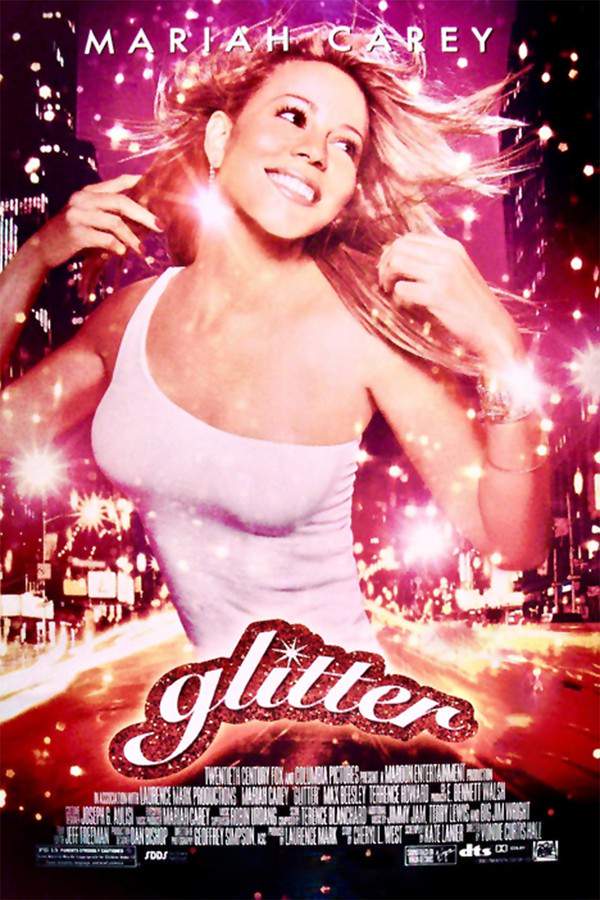
Glitter (2001) movie poster

Timeline

Glitter (2001) Timeline Explained – Every Event in Order

Release, runtime and language
2001 · 104 min · English
Starring
Eric Benét, Mariah Carey
Budget
$22M

A young singer with a difficult past rises to fame within the energetic New York club scene. As she pursues her dreams and embraces the excitement of stardom, she must also confront the challenges of love, ambition, and the painful memories she’s tried to leave behind. The journey is filled with both exhilarating highs and devastating lows as she strives for success and self-discovery.

On this page (5)
  1. 1 Events in order (15)
  2. 2 Timeline questions answered
  3. 3 Movie threads
  4. 4 Movies like Glitter
  5. 5 Every angle

15 events in order · contains spoilers

Glitter Timeline: Events in Chronological Order

Every key event of Glitter (2001) in order, scene by scene, with when and where it takes place. Use it to untangle flashbacks, time jumps and parallel storylines, to refresh your memory before the sequel or to find the exact scene you are thinking of.

  1. Billie's Difficult Childhood

    In 1970s New York City, young Billie is removed from her alcoholic mother, who is unable to care for her. As a result, Billie is placed in an orphanage, with her father showing no interest in her well-being, leading to a lonely and troubled upbringing.

    When
    1970s
    Where
    New York City
  2. Billie Becomes a Nightclub Dancer

    Now 19 years old, Billie works as a dancer in a nightclub alongside her friends from foster care, Louise and Roxanne. They share a strong bond, navigating the vibrant yet challenging nightlife of the city together.

    When
    1970s
    Where
    Nightclub
  3. Meeting Timothy Walker

    Billie's life takes a turn when she meets Timothy Walker, a record promoter who recognizes the talent in her and her friends. He offers them a contract to become backup singers and dancers, presenting an enticing opportunity despite Billie's initial hesitation.

  4. Recording 'All My Life'

    Eventually convinced by her friends, Billie joins them in recording the hit single 'All My Life.' Due to Sylk’s inadequate singing ability, Billie secretly performs while Sylk lip-syncs, leading to a controversial collaboration that gains attention.

  5. Billie's Empowering Performance

    During a significant performance at a nightclub, Billie captivates the audience and particularly catches the eye of DJ Dice. After a public insult from Sylk, Billie bravely sings an a cappella version of the song, impressing Dice and asserting her musical prowess.

    Where
    Nightclub
  6. Decision to Work with Dice

    Following her powerful performance, Dice expresses interest in producing Billie. Initially hesitant due to concerns over exploitation, Billie ultimately agrees to work with him, marking the beginning of a promising partnership tinged with uncertainty.

  7. Contract Tensions

    As Billie's engagement with Dice develops, tensions escalate regarding her contract with Timothy. In a bold move, Dice threatens to withdraw his artists from Timothy's nightclub, leading to negotiations that grant Billie and her friends their freedom.

  8. Creating 'Didn't Mean to Turn You On'

    With newfound freedom, Billie and Dice collaborate to produce the underground hit 'Didn't Mean to Turn You On.' Their creative synergy enhances their relationship both personally and professionally, as they sign with a major record label.

  9. Challenges with 'Loverboy'

    Despite initial successes, Billie faces complications as her vision for the 'Loverboy' music video clashes with production demands. With Dice's support, she decides to abandon the set, showcasing her determination to maintain creative control.

  10. A New Romantic Interest

    Billie's creative journey leads her to Rafael, a talented singer and songwriter. Their collaboration opens new artistic avenues, but jealousy from Dice begins to strain their relationship, forcing Billie to confront tough choices.

  11. Timothy's Threats Resurface

    Unexpectedly, Timothy reappears, threatening violence over an outstanding debt. This confrontation escalates into a dramatic and dangerous situation between him and Dice, forcing Billie to confront the perilous nature of her world.

  12. Crafting 'Want You'

    Amid the turmoil, Billie channels her emotional struggles into songwriting, ultimately creating the powerful ballad 'Want You' with Rafael. This creative outlet serves as a means of healing, though it unfolds within her turbulent relationships.

  13. Tragedy Strikes

    Tragedy befalls Billie when Dice’s life is abruptly cut short due to Timothy's violent actions. This heartbreaking event shatters Billie's dreams once again, leaving her to grapple with profound loss and grief.

  14. The Healing Performance

    In the wake of her loss, Billie takes to the stage, pouring her heart out through her music. Her emotional performance of 'Never Too Far' resonates deeply, transforming her pain into a tribute to love and remembrance.

    Where
    Stage
  15. Reunion with Her Mother

    The film concludes with a poignant reunion between Billie and her estranged mother. Their heartfelt encounter reflects the themes of family, love, and the resilience of the human spirit, leaving a lasting impact on Billie’s journey.

Last updated: October 27, 2024 at 17:56

Was this helpful?

Timeline questions answered

Glitter Timeline Explained: Your Questions Answered

When does it happen, and why in that order? The questions people ask about the chronology of Glitter (2001): time jumps, flashbacks, cause and effect between scenes and the correct order of events, each answered with spoilers.

Q1

Why does Billie hesitate to sign with Timothy at first?

Billie initially hesitates because she is determined to make it on her own as a solo artist. She wants to achieve success through her own talent and hard work, rather than depending on a record promoter she barely knows. Her friends eventually convince her that this opportunity could be a stepping stone to her dreams.

  • Timothy Walker
  • contract
  • hesitation
  • solo artist
Q2

How does Billie end up singing for Sylk while she lip-syncs?

Sylk lacks the vocal ability to deliver the hit single "All My Life" effectively. Since Timothy's label has already committed to promoting Sylk as the lead singer, they arrange for Billie to sing the vocals in the studio while Sylk lip-syncs to her performance during public appearances. This controversial setup allows Sylk to receive the credit and fame despite Billie being the actual voice.

  • Sylk
  • lip-sync
  • All My Life
  • vocals
  • studio
Q3

Why does Billie perform a cappella at the nightclub?

After Sylk publicly belittles and insults Billie and the other backup singers in front of the club DJ, Billie decides to assert herself and prove her talent. She performs an a cappella rendition of "All My Life" to show everyone, including Dice, the powerful voice that has been hidden behind Sylk's lip-sync act. This bold move catches Dice's attention and convinces him she deserves to be the actual star.

  • a cappella
  • nightclub
  • Sylk
  • Dice
  • performance
Q4

What makes Billie finally agree to work with Dice?

Billie initially declines Dice's offer because she suspects he might be exploitative, viewing her as just another talent to profit from. However, after witnessing her powerful a cappella performance and recognizing her genuine talent, Dice expresses a sincere desire to produce her as an artist. Billie eventually agrees, influenced by her growing trust in his intentions and the opportunity to finally pursue her own career.

Foreshadowing: Earlier skepticism about Dice's motives is set up when Billie questions whether his interest is genuine or exploitative.

  • Dice
  • production deal
  • trust
  • talent
  • opportunity
Q5

How does Dice get Billie out of her contract with Timothy?

Dice threatens to pull all his artists from Timothy's nightclub unless Timothy releases Billie and her friends from their contract. This leverage works because Dice's artists are valuable to the club's success. Timothy agrees to let them go in exchange for a substantial payment from Dice, effectively buying out their freedom.

  • contract
  • Timothy
  • Dice
  • release
  • payment
Q6

Why does Billie walk off the Loverboy music video set?

Billie leaves because the finished music video does not reflect her artistic vision. The production team has created something that deviates significantly from what she wanted to represent as an artist. With Dice's support, she chooses to abandon the shoot rather than compromise her creative integrity, demonstrating her commitment to authentic self-expression over commercial expectations.

  • Loverboy
  • music video
  • artistic vision
  • creative control
  • set
Q7

Who is Rafael and what is his connection to Billie?

Rafael is a talented singer and songwriter whom Billie meets during her career journey. He represents a new creative collaboration that expands her artistic possibilities beyond what she's achieved with Dice. Their working relationship becomes romantically complicated, creating tension with Dice, who grows jealous of their connection. Billie ultimately has to choose between maintaining her relationship with Dice or exploring this new creative partnership.

  • Rafael
  • songwriter
  • collaboration
  • love triangle
  • jealousy
Q8

Why does Timothy return and threaten violence?

Timothy reemerges because he is owed a significant debt and resorts to threats of violence to collect it. His return brings the past conflicts back into Billie's life, creating a dangerous confrontation with Dice. This escalation represents the underworld elements of the music business that Billie had tried to escape.

  • Timothy
  • debt
  • threat
  • violence
  • Dice
Q9

What leads to Dice's death?

Dice is killed by Timothy as a result of the escalating conflict over the unpaid debt. During the confrontation between Timothy and Dice, Timothy's violence culminates in murdering Dice, shattering Billie's world and marking the film's tragic turning point. This loss represents the ultimate price paid for the tangled relationships and business dealings from earlier in the story.

Foreshadowing: Timothy's threatening return and history of manipulation set the stage for the tragic confrontation.

  • Dice
  • Timothy
  • murder
  • death
  • tragedy
Q10

What is the note Dice leaves for Billie?

After Dice's death, Billie discovers a heartfelt note from him revealing his deep love for her and his plans for their future together. This note serves as a final expression of his devotion, providing Billie with closure and comfort during her grief. It reinforces the genuine emotional connection between them that existed beneath their professional relationship.

  • note
  • love letter
  • Dice
  • farewell
  • message
Q11

Why does Billie reconcile with her mother at the end?

Billie reconciles with her mother because she realizes the importance of expressing love to those who matter before it's too late. After experiencing the devastating loss of Dice, Billie understands that holding onto past resentment only prevents healing. The reunion represents her personal growth and the theme that family bonds endure despite past pain and separation.

  • mother
  • reunion
  • family
  • forgiveness
  • healing
Q12

How does Billie's background affect her journey?

Billie's mixed-race heritage, born to a Caucasian father and an African-American mother, shapes her difficult childhood. After being removed from her alcoholic mother, she grows up in an orphanage while her estranged father shows no interest in her welfare. This background of abandonment and instability drives her determination to succeed and find belonging, ultimately influencing her relationships and career ambitions.

  • mixed-race
  • orphanage
  • father
  • mother
  • childhood

Movie threads

More Movies Like Glitter, by Mood & Story

Curated lists built around what makes Glitter tick: the same mood, the same kind of story or the same emotional payoff. Each list explains why these movies belong together.

Bittersweet Music Industry Dramas Like Glitter

Where the exhilarating ascent to fame is shadowed by profound personal tragedy. If you liked the mix of ambition and heartbreak in Glitter, explore movies like it that delve into the music industry. These films capture the exciting rise to fame while also confronting the tragic costs of success, offering similar emotional journeys and themes.

  • bittersweet
  • melancholic
  • aspirational
  • tragic
  • nostalgic
  • hopeful
  • Tone: bittersweet, melancholic, tragic
  • Pacing: steady, linear progression
Why these movies?

The story pattern: Stories in this thread typically follow a talented individual's determined climb to stardom, set against the backdrop of a demanding industry. Their professional triumphs are consistently complicated or undermined by devastating personal setbacks, such as the loss of a loved one or the betrayal of trust, creating a narrative of achievement intertwined with grief.

Why they belong together: These movies are grouped together because they share a specific emotional cocktail: the aspirational energy of pursuing a dream is perfectly balanced against a melancholic, often tragic, personal undercurrent. They explore the duality of success, making the viewer feel both the thrill of the spotlight and the weight of its price.

Movies About Artists Healing From Trauma Like Glitter

Creative ambition becomes a way to process a painful past and find reconciliation. Discover films similar to Glitter where a character's rise in the creative world is intertwined with overcoming a difficult past. If you liked the theme of using music to heal from childhood trauma and seek reconciliation, these movies offer powerful and resonant narratives.

  • aspirational
  • hopeful
  • cathartic
  • melancholic
  • emotional
  • healing
  • Tone: hopeful, melancholic, cathartic
  • Pacing: steady, character-driven
Why these movies?

The story pattern: The narrative pattern follows a protagonist who channels deep-seated pain from their past—such as abandonment, neglect, or loss—into their art. As they achieve professional recognition, the story forces them to confront the source of their trauma, leading to a climactic moment of reconciliation or acceptance that is as significant as their public success.

Why they belong together: These films are united by a core character arc: the pursuit of artistic greatness is not just for fame, but a deeply personal act of survival and self-discovery. They share a focus on how creativity can be both an escape from and a path toward healing old wounds, creating a emotionally rich and cathartic experience.

If you liked this

Movies Like Glitter

Similar movies to Glitter: the same genre, themes or kind of story. Each one comes with its own plot summary, timeline and ending explained.

Browse all movie summaries

Every angle

Glitter (2001) Explained: Plot, Timeline & Characters

Everything about Glitter in one place: what happens in the plot summary, the timeline in chronological order, the characters and meaning and a spoiler-free summary. What's After the Movie adds the cast, box office and post-credit scenes.

Coming soon on iOS and Android

The Plot Explained Movie Summary App

Plot summaries, endings explained and timelines on your phone. Catch up on any movie in minutes, save your favorites and never miss a twist again.

Be the first to know when we launch. Your email stays private, always.

Learn more about the app