Plot Explained Spoilers guaranteed!
Plot Explained

Browse by genre

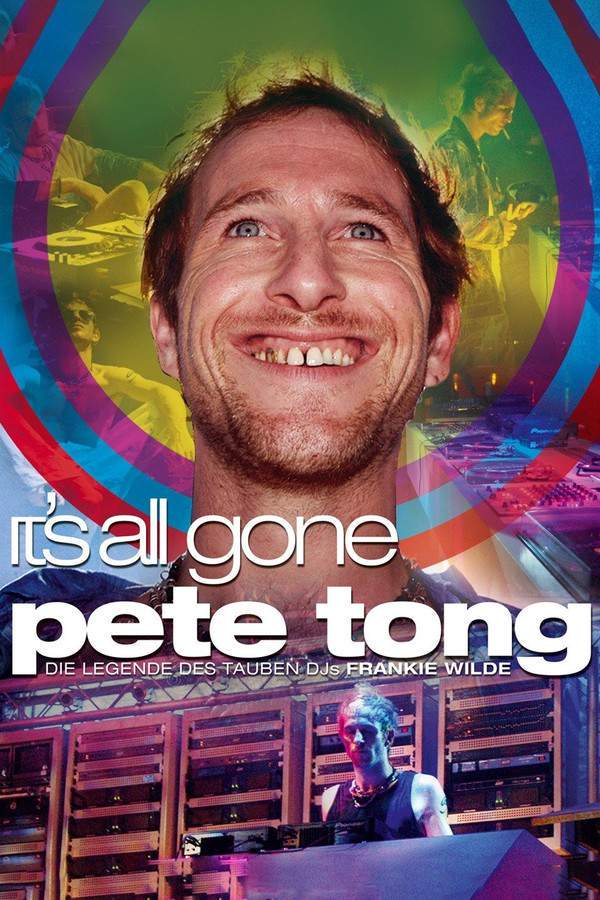
It's All Gone Pete Tong (2005) movie poster

Plot Summary

It's All Gone Pete Tong (2005) Plot Summary Explained

Release, runtime and language
2005 · 90 min · English
Loading streaming availability…
Directed by
Michael Dowse
Budget
$2M

A determined deaf woman develops an unexpected connection with a DJ struggling with addiction and a crisis of confidence. As he confronts his demons and attempts recovery, she offers him support and understanding, helping him to rediscover his passion and find his way back to his music. Their bond offers both of them a chance at redemption and a renewed sense of purpose.

On this page (6)
  1. 1 Where to watch
  2. 2 What happens: full plot
  3. 3 Plot questions answered
  4. 4 Movie threads
  5. 5 Movies like It's All Gone Pete Tong
  6. 6 Every angle
Loading streaming availability…

Full plot summary · contains spoilers

What Happens in It's All Gone Pete Tong: Full Plot Summary

The whole story of It's All Gone Pete Tong (2005) explained, from the opening scene to the final frame: every key event, every twist and what it all adds up to. Read it as a quick recap before the sequel, to check a scene you missed, or to finally understand what really happened.

In the heart of Ibiza's pulsating nightlife, Frankie Wilde, a talented music producer and DJ, faces a devastating challenge he never anticipated: a sudden loss of hearing. This unsettling experience begins during a tense Arsenal match on television, where an unbearable whine pierces through his eardrum, marking the start of an alarming decline in his ability to hear. As Frankie continues to work diligently on his new album alongside fellow producers Alfonse and Horst, he finds it increasingly difficult to maintain his distinctive sound due to his deteriorating condition.

The tipping point occurs when Frankie steps onto the stage at Amnesia nightclub and realizes he can no longer perceive the intricacies of his performance. The audience’s negative feedback forces him to face a painful truth: his hearing is rapidly fading. In a desperate moment, he abandons his equipment mid-set and is ejected from the venue.

With his world unraveling, Frankie hesitantly turns to medical help. A doctor's diagnosis reveals the grim reality: significant damage in one ear and minimal functionality remaining in the other. The prognosis is bleak; unless Frankie makes substantial lifestyle changes—including reducing drug use and avoiding loud environments—complete deafness looms ever closer.

During a revealing recording session, Frankie confides in Alfonse, who expresses compassion but is ultimately helpless to reverse the damage. In a fit of anger, Horst shatters a guitar against an amplifier, generating a deafening feedback that ruptures Frankie's eardrum, condemning him to permanent deafness.

As his hearing fades, Frankie’s music career grinds to a halt, leading to the loss of his recording contract. His manager, Max, abandons him, while his wife, Sonya, decides to leave in search of stability. In his despair, Frankie isolates himself in his soundproof home, escalating his drug use as a misguided escape from the unbearable reality.

Drowning in depression, his behavior becomes increasingly erratic—he slams his body against walls, wraps Roman candles around his head, or plunges himself into the pool in fruitless attempts to reclaim his hearing. These reckless actions culminate in a moment of clarity where he decides to dispose of all drugs, confronting a recurring vision of a guilt-ridden figure resembling a badger.

Upon confronting this manifestation, he awakens to the understanding that it symbolizes his own inner chaos and addiction. In his journey of healing, Frankie forges a bond with Penelope, a talented lip-reading instructor. Their relationship blossoms into a meaningful connection that goes beyond spoken words. Penelope guides Frankie in redefining his relationship with music, employing innovative techniques that engage his other senses to interpret sound. Inspired by this fresh perspective, Frankie develops a unique mixing system that utilizes oscilloscope patterns, allowing him to create a groundbreaking mix CD titled "Hear No Evil," which surprisingly garners attention from Max.

However, as Frankie's confidence swells, Max begins to exploit his situation for commercial gain, organizing insensitive promotional events that alienate the deaf community. Penelope's discontent with these developments grows, yet Frankie finds himself increasingly caught up in Max's ambitions.

Despite his doubts, Frankie ultimately agrees to revive his career with a much-anticipated live performance at Pacha, aspiring to silence his critics. The event proves to be a stunning success, with many asserting that it showcases an even greater artistry than his previous works. As the excitement subsides, Frankie and Penelope choose to retreat from the limelight, leaving whispers about their future.

As the film closes, we glimpse various characters reflecting on Frankie's journey—some speculate about his disappearance, while others wonder about his possible return to the music industry. The story concludes with a thought-provoking scene of Frankie, now transformed into a homeless street musician, crossing paths with Penelope and their child on a quiet corner. Together, they walk hand in hand, radiating joy and tranquility.

In a moving coda, Frankie is seen teaching a group of deaf children how to sense sound and appreciate music, imparting the wisdom he gained from Penelope and building connections within his community. As the camera pulls back, we ponder the roads that lie ahead for this compelling character, whose odyssey reflects both obstacles and personal growth.
Last updated: November 21, 2024 at 10:11

Was this helpful?

Plot questions answered

It's All Gone Pete Tong Plot Explained: Your Questions Answered

The questions people ask most about It's All Gone Pete Tong (2005): what happens in the confusing scenes, why the characters do what they do, the twists, hidden details and what the ending means. Each answer contains spoilers.

Q1

What causes Frankie Wilde to lose his hearing?

Frankie's hearing loss begins during an Arsenal match when he experiences an unbearable high-pitched whine in his ear. While he initially tries to continue working, his condition deteriorates progressively. The definitive cause comes when his friend Horst, during a heated argument, smashes a guitar against an amplifier, creating deafening feedback that ruptures Frankie's eardrum and condemns him to permanent deafness.

Foreshadowing: The initial whine during the match foreshadows the fragility of his hearing, establishing that his career is built on increasingly unstable ground.

  • hearing loss
  • deafness
  • Frankie Wilde
  • DJ
  • Horst
Q2

Why does Max abandon Frankie after his hearing loss?

Max abandons Frankie because he sees him as no longer profitable. Once Frankie becomes deaf and can no longer produce or perform music professionally, Max views him as a lost investment and walks away, leaving Frankie to face his crisis alone.

Foreshadowing: Max's later return to exploit Frankie for commercial gain reveals his character as someone motivated by profit rather than genuine loyalty.

  • Max
  • manager
  • abandonment
  • record contract
Q3

What is the meaning of the guilt-ridden badger vision Frankie sees?

The badger vision represents Frankie's own inner chaos and guilt over his addiction. When he confronts the figure in his soundproof home, he recognizes it as a manifestation of his self-destructive tendencies. This confrontation triggers his decision to dispose of all drugs and begin his path to recovery.

  • badger
  • drugs
  • addiction
  • recovery
  • vision
Q4

How does Penelope help Frankie rediscover music after becoming deaf?

Penelope, a lip-reading instructor, helps Frankie redefine his relationship with music by engaging his other senses. She teaches him innovative techniques to interpret sound through vibration and visual cues. Together, they develop a mixing system that uses oscilloscope patterns, allowing Frankie to create music by visualizing sound waves rather than hearing them.

Foreshadowing: Their initial professional relationship blossoms into romance, providing the emotional foundation for Frankie's transformation.

  • Penelope
  • lip reading
  • music
  • oscilloscope
  • Hear No Evil
Q5

Why does Frankie become a street musician at the end of the movie?

After his successful Pacha performance and growing discomfort with Max's exploitative commercialization, Frankie chooses to step away from fame entirely. He embraces a simpler life, becoming a homeless street musician. This choice reflects his personal growth, he finds contentment in authenticity and connection rather than celebrity.

  • street musician
  • ending
  • homeless
  • contentment
Q6

What is the 'Hear No Evil' mix CD that Frankie creates?

"Hear No Evil" is the groundbreaking mix CD Frankie creates using his oscilloscope-based mixing system. The title cleverly references the phrase "see no evil" while acknowledging his deafness. The project attracts Max's attention and becomes the catalyst for Frankie's career revival, demonstrating that he can create music without hearing.

  • Hear No Evil
  • mix CD
  • oscilloscope
  • album
Q7

Why does Frankie’s wife Sonya leave him?

Sonya leaves Frankie because she can no longer cope with his declining condition and increasingly erratic behavior. Seeking stability and a normal life, she departs while Frankie is at his lowest point, adding to his isolation during his descent into depression and addiction.

  • Sonya
  • wife
  • leaving
  • relationships
Q8

Why does Max exploit Frankie for commercial gain after his comeback?

When Frankie gains attention again with his innovative music, Max returns and organizes insensitive promotional events that treat Frankie's deafness as a novelty act rather than celebrating his artistic achievement. This commercialization alienates the deaf community and creates tension with Penelope, who recognizes the exploitation.

  • Max
  • exploitation
  • commercial
  • promotion
  • deaf community
Q9

How does Frankie perform DJ sets after becoming deaf?

Frankie performs at Pacha using his oscilloscope system, which translates sound into visual patterns he can interpret. He also feels the vibrations of the music through his body. The performance proves stunningly successful, with many asserting it showcases even greater artistry than his previous hearing-enabled work.

Foreshadowing: This success validates the innovative techniques Penelope helped him develop, proving his deafness does not limit his creativity.

  • Pacha
  • performance
  • DJ
  • vibrations
  • oscilloscope
Q10

Do Frankie and Penelope have a child together?

Yes, the film ends with Frankie, now a street musician, crossing paths with Penelope and their child on a quiet corner. They walk together hand in hand, radiating joy and tranquility, suggesting they have built a family despite their unconventional journey.

  • Penelope
  • child
  • family
  • ending
Q11

What motivates Frankie to teach deaf children at the end?

Frankie dedicates himself to teaching deaf children to sense sound and appreciate music, passing on the wisdom he gained from Penelope. This act represents his complete transformation, from a self-destructive addict to a purposeful mentor. It shows he has found meaning beyond fame, using his experience to build connections within his community.

  • deaf children
  • teaching
  • mentor
  • community
Q12

Why does Frankie choose to step away from fame after his Pacha success?

Frankie chooses to step away because he becomes uncomfortable with Max's exploitative promotion and the superficial nature of celebrity. After experiencing both the heights of fame and the depths of despair, he finds peace in simplicity, authentic connection with Penelope, their child, and his community through teaching.

  • fame
  • celebrity
  • Pacha
  • simplicity
  • choice

Movie threads

More Movies Like It's All Gone Pete Tong, by Mood & Story

Curated lists built around what makes It's All Gone Pete Tong tick: the same mood, the same kind of story or the same emotional payoff. Each list explains why these movies belong together.

Movies about artistic rebirth like It's All Gone Pete Tong

Profound personal collapse leads to a hard-won creative and spiritual rebirth. If you enjoyed the story of a DJ overcoming personal demons in It's All Gone Pete Tong, you'll find similar movies here. These films explore artists facing crises, from career downfall to addiction, and their journey to find redemption and a renewed creative purpose.

  • redemptive
  • introspective
  • turbulent
  • triumphant
  • melancholic
  • hopeful
  • Tone: melancholic, hopeful, redemptive
  • Pacing: steady, character-driven
Why these movies?

The story pattern: Stories in this thread typically begin with a character at the peak of their creative powers, followed by a catastrophic fall triggered by internal demons or external misfortune. The core of the narrative is the arduous, often non-linear, process of hitting rock bottom and then slowly, painfully rebuilding a new identity and a new relationship with their art, often with the help of an unexpected ally.

Why they belong together: Movies are grouped here for their shared focus on the intersection of artistry and personal crisis. They blend the melancholy of loss with the triumphant, hopeful feeling of rediscovery, offering a bittersweet but ultimately uplifting view of creative resilience.

Movies about hopeful human connections like It's All Gone Pete Tong

Unlikely relationships provide a lifeline through personal turmoil and despair. Viewers who liked the supportive relationship between Frankie and Penelope in It's All Gone Pete Tong will appreciate these films. They feature stories where an unlikely friendship or romance offers a chance at redemption and a renewed sense of purpose amidst personal struggles.

  • hopeful
  • bittersweet
  • redemptive
  • introspective
  • unconventional
  • supportive
  • Tone: hopeful, bittersweet, introspective
  • Pacing: steady, deliberate
Why these movies?

The story pattern: The narrative pattern involves two characters from different worlds whose lives intersect at a point of vulnerability for at least one of them. Their relationship develops steadily, acting as a stabilizing force against self-destructive tendencies or isolation. The journey is not about a perfect happy ending, but about finding strength and hope through mutual understanding, leading to a realistically bittersweet but positive conclusion.

Why they belong together: These films are united by their emphasis on human connection as a redemptive force. They share a mix of melancholy and hope, a steady pacing that allows relationships to develop authentically, and an emotional core that is impactful but not overwhelmingly heavy.

If you liked this

Movies Like It's All Gone Pete Tong

Similar movies to It's All Gone Pete Tong: the same genre, themes or kind of story. Each one comes with its own plot summary, timeline and ending explained.

Browse all movie summaries

Every angle

It's All Gone Pete Tong (2005) Explained: Plot, Timeline & Characters

Everything about It's All Gone Pete Tong in one place: what happens in the plot summary, the timeline in chronological order, the characters and meaning and a spoiler-free summary. What's After the Movie adds the cast, box office and post-credit scenes.

Coming soon on iOS and Android

The Plot Explained Movie Summary App

Plot summaries, endings explained and timelines on your phone. Catch up on any movie in minutes, save your favorites and never miss a twist again.

Be the first to know when we launch. Your email stays private, always.

Learn more about the app