
Ginger: More Than a Game
Year: 2011
Runtime: 85 mins
Language: Serbian
Director: Gordan Matić
Ginger: More Than a Game (Serbian: Zlatna levica, priča o Radivoju Koraću) is a Serbian documentary film about famous Serbian basketball player
Warning: spoilers below!
Haven’t seen Ginger: More Than a Game yet? This summary contains major spoilers. Bookmark the page, watch the movie, and come back for the full breakdown. If you're ready, scroll on and relive the story!
Timeline – Ginger: More Than a Game (2011)
Trace every key event in Ginger: More Than a Game (2011) with our detailed, chronological timeline. Perfect for unpacking nonlinear stories, spotting hidden connections, and understanding how each scene builds toward the film’s climax. Whether you're revisiting or decoding for the first time, this timeline gives you the full picture.
Last updated: August 19, 2025 at 05:16
Ginger: More Than a Game (2011) Timeline Questions Answered – Chronology FAQ
Find frequently asked questions about the Ginger: More Than a Game (2011) timeline, including chronological order, nonlinear jumps, cause-and-effect links, and scene sequence clarifications. This timeline FAQ helps explain when key events happen, how moments connect, and why the story unfolds in that specific order.
Why was Radivoj Korać considered more than just a basketball player?
Korać transcended athletics to become Yugoslavia's first true pop-star in socialist society. He bridged opposite worlds, exceling academically at the Belgrade Faculty of Electrical Engineering while also being friends with everyone from street-wise rascals to intellectuals like Nobel laureate Ivo Andri. His cultural influence extended beyond sports through his role as a cultural ambassador who introduced Western music and lifestyle to a communist nation.
Earlier scenes show his diverse social circles and academic pursuits, hinting at his multifaceted persona that would make him a national icon.
How did Korać bring The Beatles to Belgrade?
Korać was responsible for bringing the first Beatles record to Belgrade during the 1960s. This act of introducing Western music to a socialist country behind the Iron Curtain made him a cultural bridge between East and West. His celebrity status and connections allowed him to access and spread Western cultural artifacts that were otherwise unavailable in Yugoslavia.
The documentary establishes his growing fame and influence in 1960s Belgrade before this pivotal cultural introduction.
Why was Korać's father imprisoned in Goli Otok?
After World War II, Korać's father was imprisoned in Goli Otok, the notorious Yugoslav gulag, reflecting the political repression of the post-war era. This personal hardship shaped Korać's understanding of his country's political and social struggles. The documentary connects this family tragedy to the broader repression faced by Yugoslav citizens during Tito's regime.
The timeline notes his family's narrow escapes from execution during WWII, establishing the government's capacity for political persecution.
What was Korać's relationship with Josip Broz Tito?
Tito recognized Korać's significance for Yugoslavia's international image and provided sustained government support for his cultural and athletic endeavors. This political backing allowed Korać to operate with unusual freedom for a socialist citizen, enabling his role as a cultural ambassador who promoted Western culture. Tito understood that Korać's international fame could help improve Yugoslavia's standing abroad.
The documentary establishes Korać's growing influence in the 1960s before explicitly showing his relationship with the Yugoslav leader.
Why did Korać die in a car accident going to see Hair?
Korać died tragically in a car accident while heading to a theater premiere in Belgrade to see the Yugoslav production of Hair, a musical that epitomized the counterculture and newfound freedom of the 1960s. His choice to attend this particular show reflects his identification with the Western cultural movement he helped introduce to Yugoslavia. The accident occurred in the late 1960s, cutting short his life at its peak.
The documentary highlights his role in bringing Western counterculture to Yugoslavia and his appreciation for these cultural expressions.
What was Korać's academic background besides basketball?
Korać was an outstanding student at the Belgrade Faculty of Electrical Engineering, pursuing higher education while becoming a basketball legend. This academic achievement was remarkable given his demanding athletic career and international competitions. His intellectual pursuits distinguished him from typical athletes and contributed to his ability to bridge different social worlds.
The documentary establishes his diverse social circles early on, including intellectual connections.
Why is Korać's death described as James Dean-like?
Korać's death mirrors that of American icon James Dean, both died in car accidents at the height of their fame, leaving their legacies frozen at a tragic young age. Like Dean, Korać became a symbol of promise cut short, with his death cementing his legendary status posthumously. The documentary frames his death as the moment his legend was truly born, creating a timeless cultural memory.
Earlier references to his peak fame and cultural significance set up this tragic parallel.
How did Korać's life reflect Yugoslavia's transformation?
Korać's life closely mirrored Yugoslavia's journey from WWII turmoil through post-war repression to cultural liberalization in the 1960s. His family's wartime struggles and his father's imprisonment in Goli Otok reflected the era of political repression. Later, his role in introducing Western culture embodied Yugoslavia's shift toward the West and the rise of consumerism. His celebrity symbolized the country's gradual opening and cultural modernization.
The documentary methodically traces historical events alongside Korać's personal development.
Why is Korać's death considered the birth of his legend?
The documentary frames Korać's death as the moment his legend was born because his tragic end at a young age, like that of James Dean, froze his legacy in time. His death transformed him from a living celebrity into an eternal symbol of genius, resilience, and cultural impact. The film presents his passing not as an ending but as the beginning of his enduring myth in Yugoslav and sports history.
The bittersweet tone of the film and repeated references to his legacy prepare viewers for this interpretation.

Explore Movie Threads
Discover curated groups of movies connected by mood, themes, and story style. Browse collections built around emotion, atmosphere, and narrative focus to easily find films that match what you feel like watching right now.
Bittersweet biographies of fallen icons like Ginger: More Than a Game
Documentaries celebrating extraordinary lives cut short by tragedy.Explore movies like Ginger: More Than a Game that delve into the inspiring yet tragic stories of legendary figures. These films blend celebratory biography with a poignant sense of loss, creating a bittersweet reflection on fame, legacy, and the high cost of greatness.
Oliver Sacks: His Own Life
2020
Man on the Moon
1999

For the Love of Spock
2016
Resurrecting the Champ
2007

Shut Up and Play the Hits
2012
The Natural
1984
Play It to the Bone
1999
The Last Whistle
2019

Federer: Twelve Final Days
2024
Ginger: More Than a Game
2011
Balgandharva
2011

Let There Be Light
2017

Look for the Silver Lining
1949

The Babe
1992

The Adventures of Mark Twain
1944
Narrative Summary
These narratives typically follow a chronological arc, building from humble beginnings to the peak of success and fame, only to be punctuated by a tragic and often untimely death. The story structure uses the ending as a lens to reevaluate the entire life, transforming raw tragedy into a story of enduring legacy.
Why These Movies?
Movies are grouped here because they share a specific emotional tone: the palpable tension between admiration for a life well-lived and grief for its premature end. They are united by their focus on real-life figures, a reflective and steady pacing, and an ending feel that is fundamentally bittersweet.
Historical documentaries with emotional weight like Ginger: More Than a Game
Documentaries that use personal stories to explore significant historical periods.If you liked how Ginger: More Than a Game used a sports legend's life to explore Yugoslav history, you'll enjoy these similar documentaries. They connect personal biographies to broader cultural and political landscapes, creating a reflective and informative viewing experience.

Finding Vivian Maier
2014
The Last Days
1998
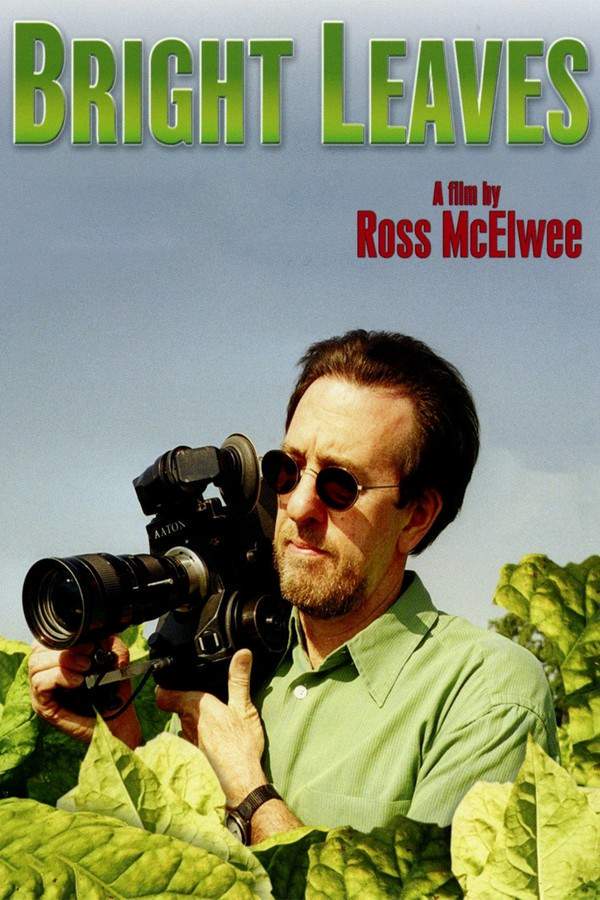
Bright Leaves
2004
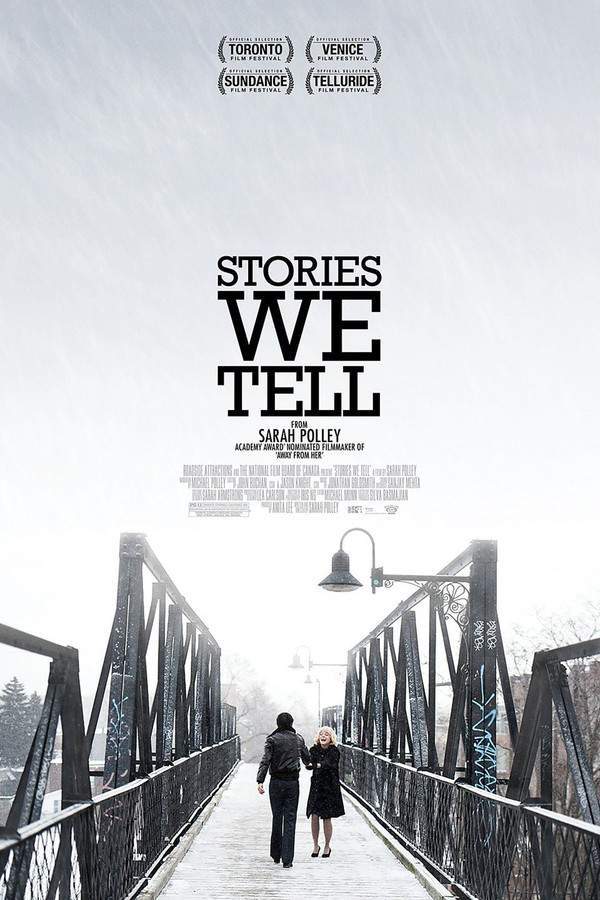
Stories We Tell
2013

A Mighty Heart
2007
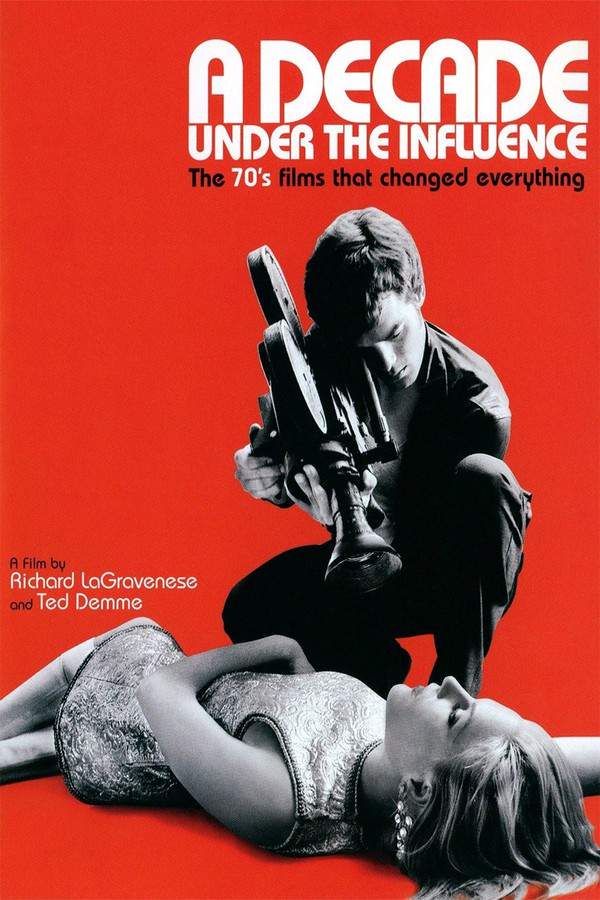
A Decade Under the Influence
2003
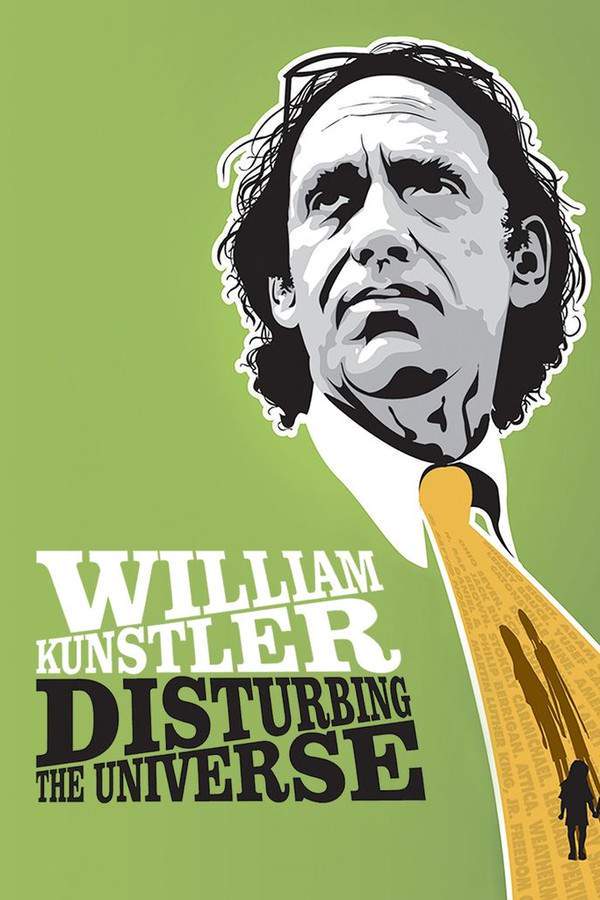
William Kunstler: Disturbing the Universe
2009
Still Life in Lodz
2021

The Great American Lie
2020
Back to the Fatherland
2019
Through a Lens Darkly: Black Photographers And The Emergence Of A People
2014

Paula Rego: Secrets & Stories
2017

Rocky Road to Dublin
1968

Man of Marble
1977

This Happy Breed
1944
Narrative Summary
The narrative pattern involves using a compelling biography as a vehicle to explore a wider historical context. The personal journey of the subject illuminates the era's tensions, triumphs, and tragedies. The plot intertwines individual milestones with key historical events, creating a dual-layered story of a life and a time.
Why These Movies?
This thread groups movies that share a method of storytelling: making history personal. They have a moderate complexity, balancing individual narrative with educational context. The tone is often reflective or bittersweet, as these personal stories are frequently set against tumultuous backdrops, carrying a medium emotional weight.
Unlock the Full Story of Ginger: More Than a Game
Don't stop at just watching - explore Ginger: More Than a Game in full detail. From the complete plot summary and scene-by-scene timeline to character breakdowns, thematic analysis, and a deep dive into the ending - every page helps you truly understand what Ginger: More Than a Game is all about. Plus, discover what's next after the movie.
Ginger: More Than a Game Summary
Read a complete plot summary of Ginger: More Than a Game, including all key story points, character arcs, and turning points. This in-depth recap is ideal for understanding the narrative structure or reviewing what happened in the movie.

Characters, Settings & Themes in Ginger: More Than a Game
Discover the characters, locations, and core themes that shape Ginger: More Than a Game. Get insights into symbolic elements, setting significance, and deeper narrative meaning - ideal for thematic analysis and movie breakdowns.


