
Ginger: More Than a Game
Year: 2011
Runtime: 85 mins
Language: Serbian
Director: Gordan Matić
Ginger: More Than a Game (Serbian: Zlatna levica, priča o Radivoju Koraću) is a Serbian documentary film about famous Serbian basketball player
Warning: spoilers below!
Haven’t seen Ginger: More Than a Game yet? This summary contains major spoilers. Bookmark the page, watch the movie, and come back for the full breakdown. If you're ready, scroll on and relive the story!
Timeline & Setting – Ginger: More Than a Game (2011)
Explore the full timeline and setting of Ginger: More Than a Game (2011). Follow every major event in chronological order and see how the environment shapes the story, characters, and dramatic tension.
Last updated: August 19, 2025 at 05:06
Main Characters – Ginger: More Than a Game (2011)
Meet the key characters of Ginger: More Than a Game (2011), with detailed profiles, motivations, and roles in the plot. Understand their emotional journeys and what they reveal about the film’s deeper themes.
Last updated: August 19, 2025 at 05:06
Major Themes – Ginger: More Than a Game (2011)
Explore the central themes of Ginger: More Than a Game (2011), from psychological, social, and emotional dimensions to philosophical messages. Understand what the film is really saying beneath the surface.
Last updated: August 19, 2025 at 05:06
Ginger: More Than a Game (2011) Character & Theme Questions Answered – Info FAQ
Browse frequently asked questions about Ginger: More Than a Game (2011) focused on characters, relationships, themes, symbols, setting, and story context. This movie info FAQ gives spoiler-aware explanations for character arcs, world details, and thematic interpretation so readers can better understand what the film is really about.
What role does Belgrade play in the film?
Belgrade serves as the primary setting and backdrop for much of Radivoj Kora's life. As Yugoslavia's capital, it was a major center for cultural exchange and political significance, reflecting the country's evolving identity during the mid-20th century. The city is portrayed as both a vibrant cultural hub and a site where sports and Western influences flourished amid socialist constraints.
When does the film take place?
The documentary covers the 1940s through the 1960s, a transformative era in Yugoslav history. This period spans World War II, post-war recovery, and the subsequent rise of consumerism and Western cultural influences in Belgrade. It was marked by political upheaval, rapid modernization, and the emergence of a unique socialist identity that balanced between Eastern and Western influences.
What does the film say about freedom?
The film explores freedom as a central theme, depicting Kora's quest for personal and cultural expression within socialist Yugoslavia. His promotion of Western music and lifestyle symbols represents a broader longing for individual liberty. Sports and culture become outlets for this desire for personal and societal liberation, with Kora embodying the tension between constrained socialist ideals and the desire for self-expression.
Why is basketball important in the film?
Basketball serves as more than a sport in the film, it symbolizes national pride, personal achievement, and cultural identity. Kora's exceptional success made him a national icon and an international representative of Yugoslavia. The documentary celebrates basketball's unifying power and its role in shaping modern Yugoslav identity amidst political complexities, showing how sports became a vehicle for cultural diplomacy.
How does the film portray cultural change in Yugoslavia?
The film portrays cultural change as a transformative force in 20th-century Yugoslavia, contrasting socialist ideals with incoming Western influences. Kora's involvement with music, youth culture, and international events reflects the country's shifting attitudes toward modernization and artistic freedom. This cultural evolution serves as a backdrop to Kora's personal story, showing how individual ambition intersected with broader societal shifts.
Who is Radivoj Kora in the film?
Radivoj Kora is portrayed as a charismatic and ambitious sports hero who bridged diverse worlds of sports, music, and politics. His exceptional talent and curiosity made him a pioneer of Yugoslav popular culture. The film presents him as a larger-than-life figure whose personal life was marked by both glamour and tragedy, embodying the spirit of a modern Yugoslav who sought to unite opposites and transcend societal boundaries.
What is Ivo Andri's role in the film?
Ivo Andri appears as a respected Nobel-winning writer and close intellectual influence on Kora. He represents the literary and cultural elite of Yugoslavia, serving as a bridge between traditional Eastern European literary values and Western cultural openness. His presence in the film underscores the intersection of literature, culture, and sports in shaping Yugoslav identity during this era.
How is Tito portrayed in the film?
Josip Broz Tito appears as a political figure who recognized Kora's cultural influence and supported his role as a cultural ambassador for Yugoslavia. His character signifies the intertwining of politics and personal fame in a socialist state. The film depicts how Tito balanced internal control with external cultural diplomacy, using Kora's international appeal as a tool for showcasing Yugoslav culture abroad.
What is the tone of the documentary?
The documentary maintains a bittersweet tone, balancing the uplifting celebration of Kora's extraordinary achievements and his revolutionary impact on Yugoslav culture with the tragic and abrupt ending of his life. While it touches on serious themes like wartime trauma and loss, the predominant feeling is one of celebration and legacy. The pacing is steady and methodical, weaving together personal biography, sports history, and socio-political context.
How did Western culture influence Yugoslavia in the film?
The film depicts the gradual opening of Yugoslavia to Western music, lifestyle, and cultural influences during the 1950s and 1960s. This cultural shift is represented through Kora's adoption of Western music and fashion, which stood in contrast to socialist constraints. The era saw the emergence of youth culture and the country's unique position between Eastern and Western blocs, making it a period of cultural experimentation and modernization.

Explore Movie Threads
Discover curated groups of movies connected by mood, themes, and story style. Browse collections built around emotion, atmosphere, and narrative focus to easily find films that match what you feel like watching right now.
Bittersweet biographies of fallen icons like Ginger: More Than a Game
Documentaries celebrating extraordinary lives cut short by tragedy.Explore movies like Ginger: More Than a Game that delve into the inspiring yet tragic stories of legendary figures. These films blend celebratory biography with a poignant sense of loss, creating a bittersweet reflection on fame, legacy, and the high cost of greatness.
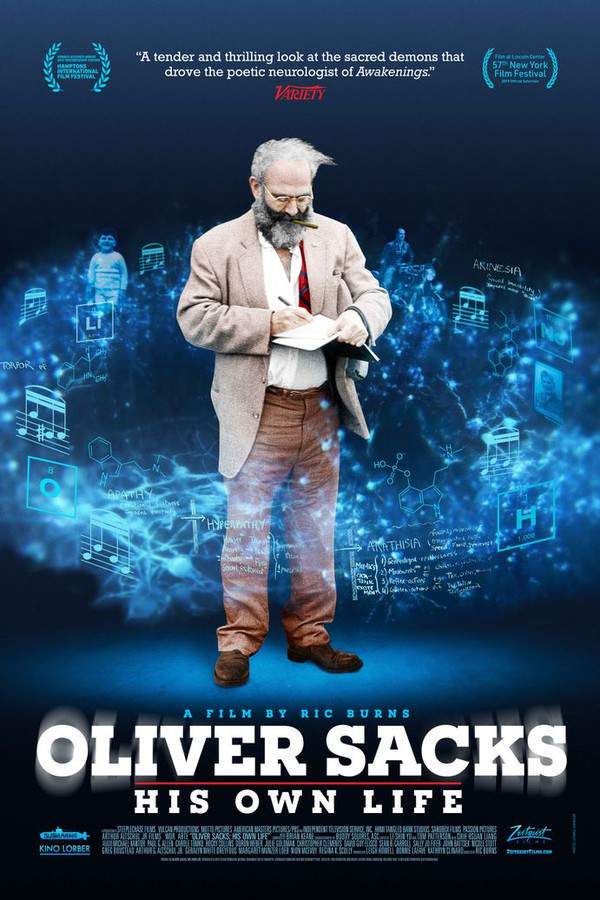
Oliver Sacks: His Own Life
2020
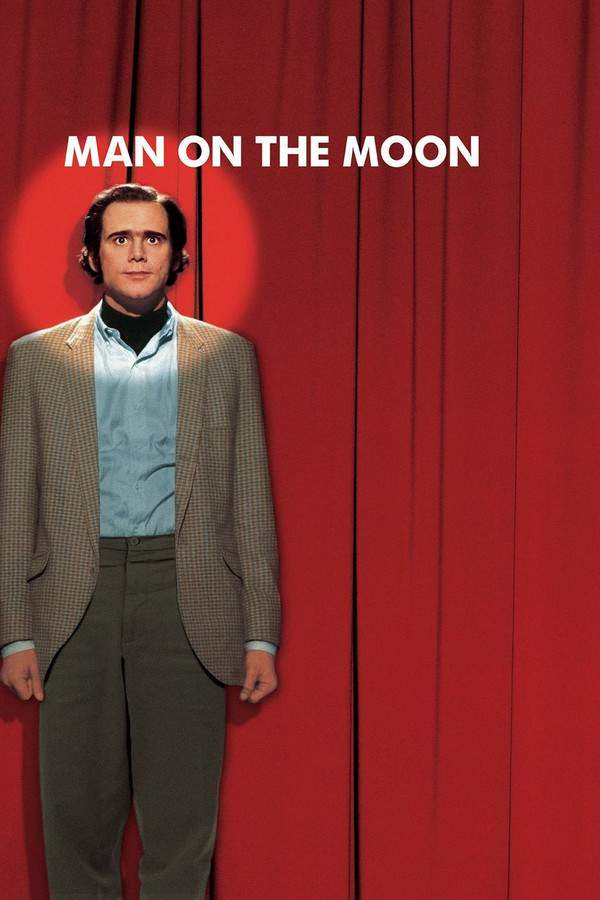
Man on the Moon
1999
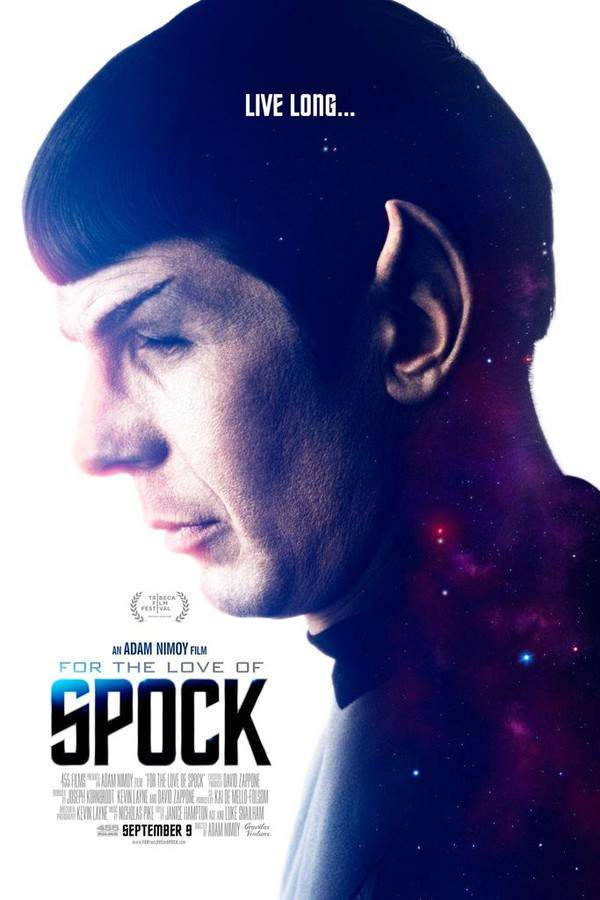
For the Love of Spock
2016
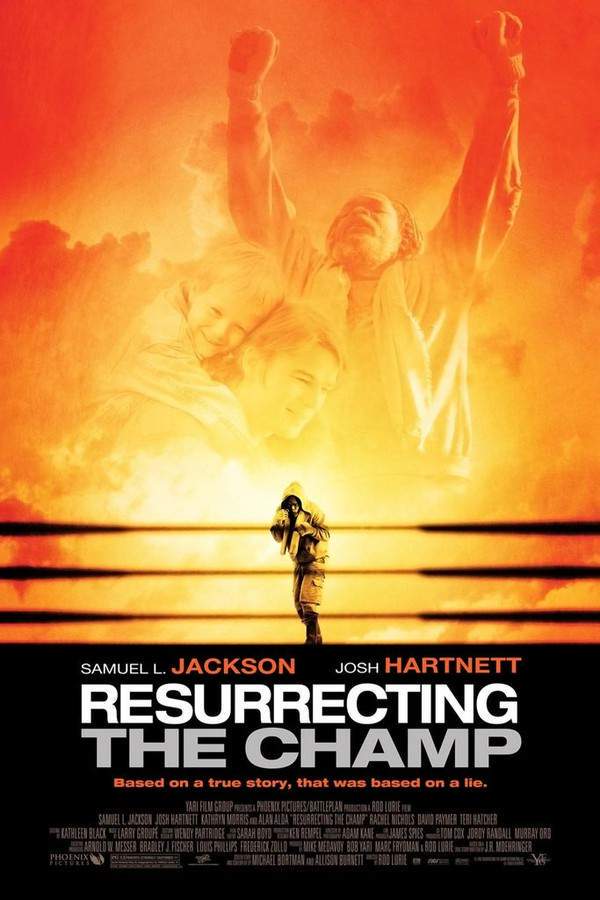
Resurrecting the Champ
2007

Shut Up and Play the Hits
2012
The Natural
1984
Play It to the Bone
1999
The Last Whistle
2019

Federer: Twelve Final Days
2024
Ginger: More Than a Game
2011
Balgandharva
2011

Let There Be Light
2017

Look for the Silver Lining
1949

The Babe
1992

The Adventures of Mark Twain
1944
Narrative Summary
These narratives typically follow a chronological arc, building from humble beginnings to the peak of success and fame, only to be punctuated by a tragic and often untimely death. The story structure uses the ending as a lens to reevaluate the entire life, transforming raw tragedy into a story of enduring legacy.
Why These Movies?
Movies are grouped here because they share a specific emotional tone: the palpable tension between admiration for a life well-lived and grief for its premature end. They are united by their focus on real-life figures, a reflective and steady pacing, and an ending feel that is fundamentally bittersweet.
Historical documentaries with emotional weight like Ginger: More Than a Game
Documentaries that use personal stories to explore significant historical periods.If you liked how Ginger: More Than a Game used a sports legend's life to explore Yugoslav history, you'll enjoy these similar documentaries. They connect personal biographies to broader cultural and political landscapes, creating a reflective and informative viewing experience.
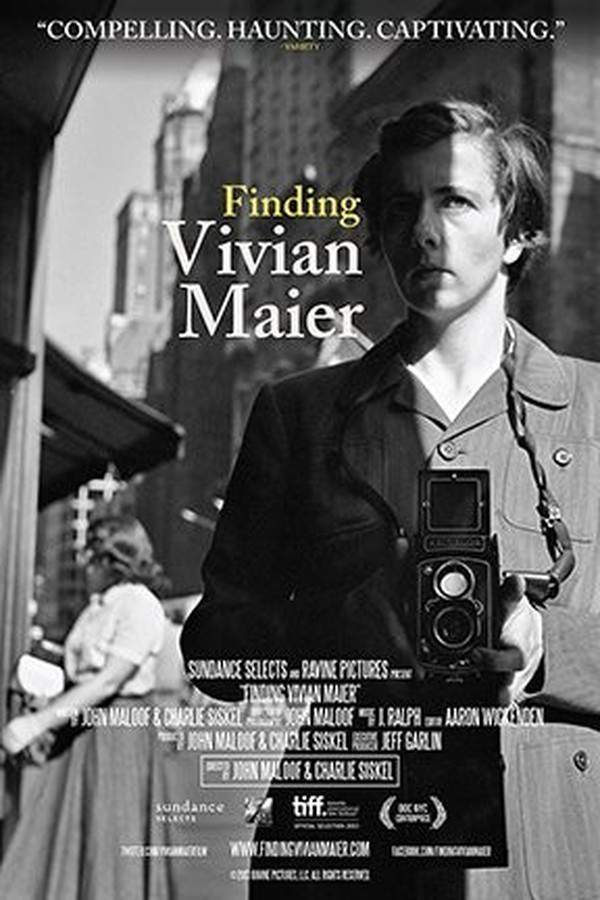
Finding Vivian Maier
2014
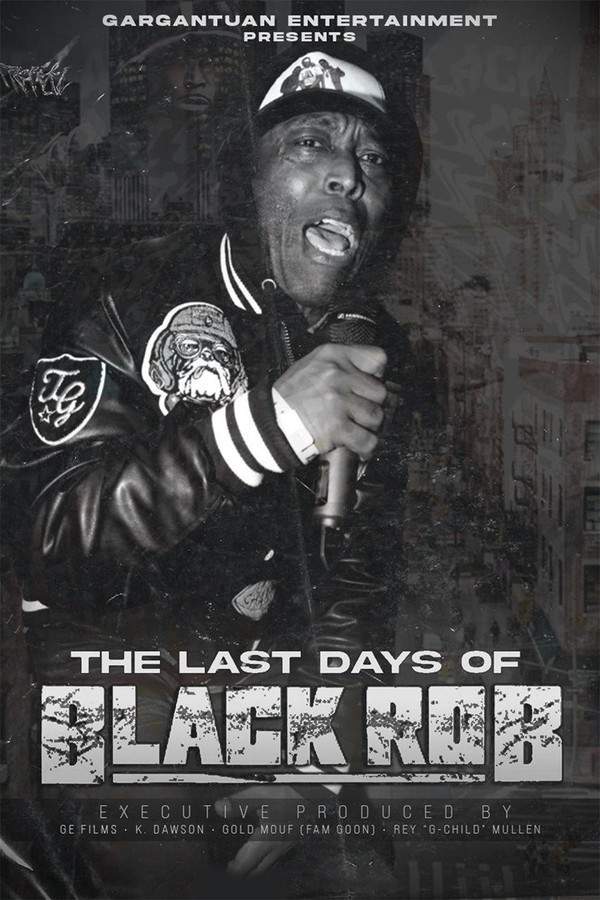
The Last Days
1998
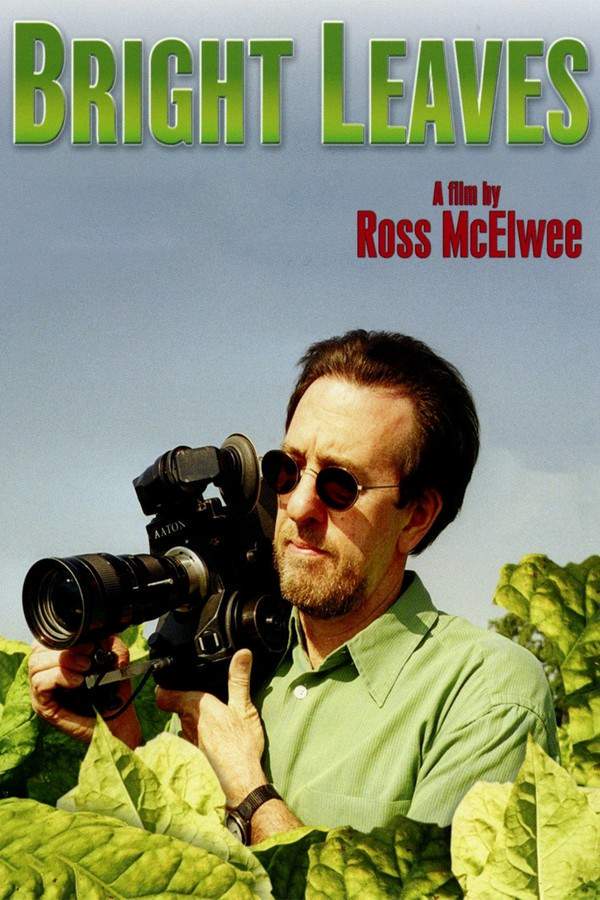
Bright Leaves
2004
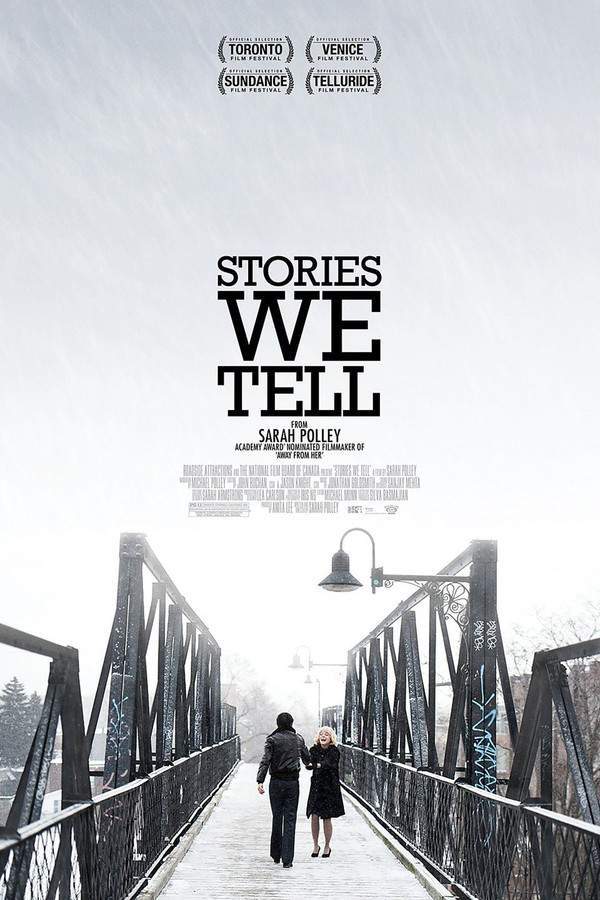
Stories We Tell
2013
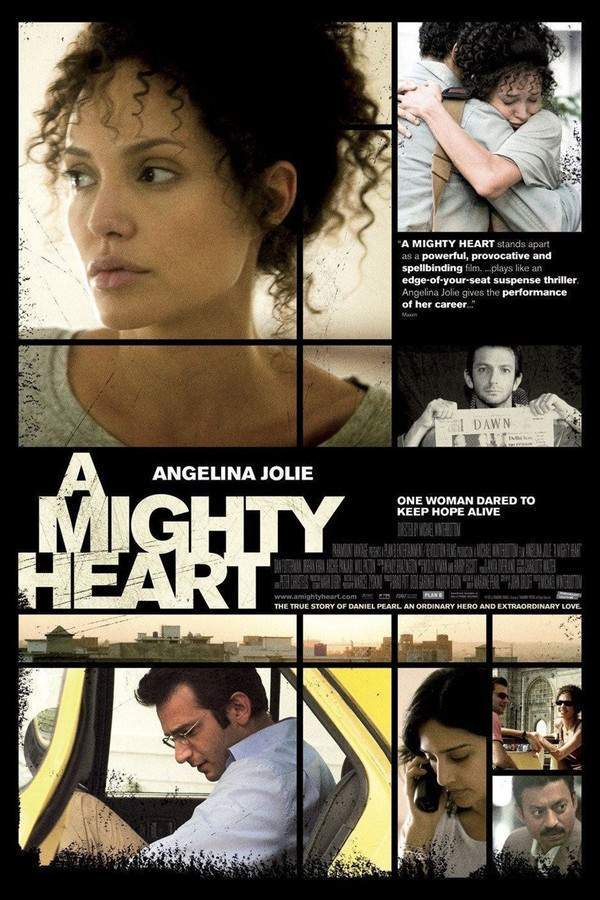
A Mighty Heart
2007
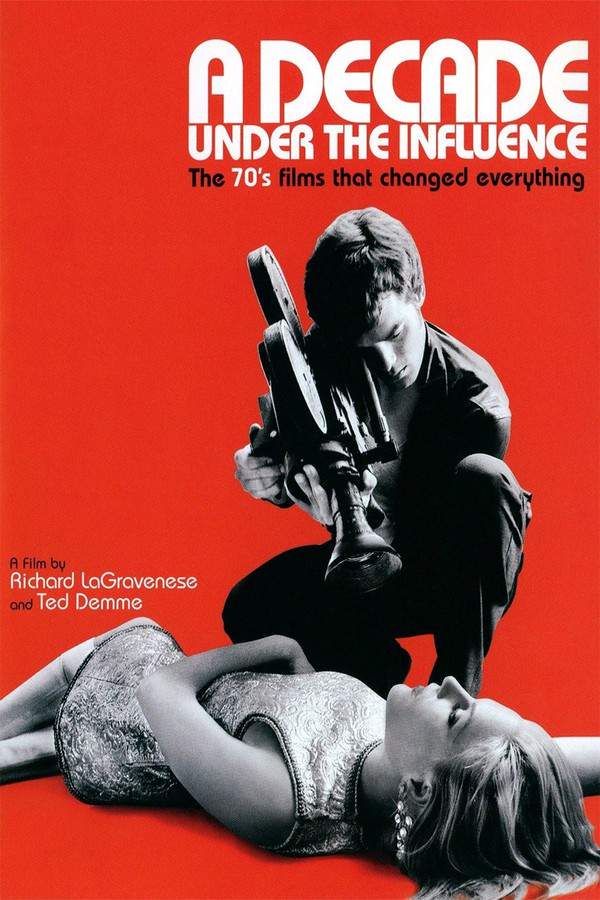
A Decade Under the Influence
2003
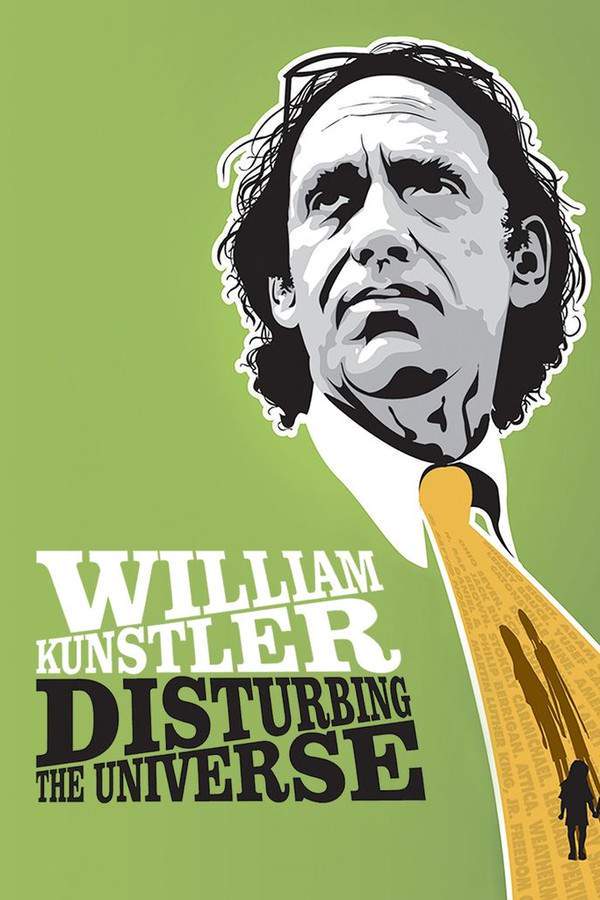
William Kunstler: Disturbing the Universe
2009
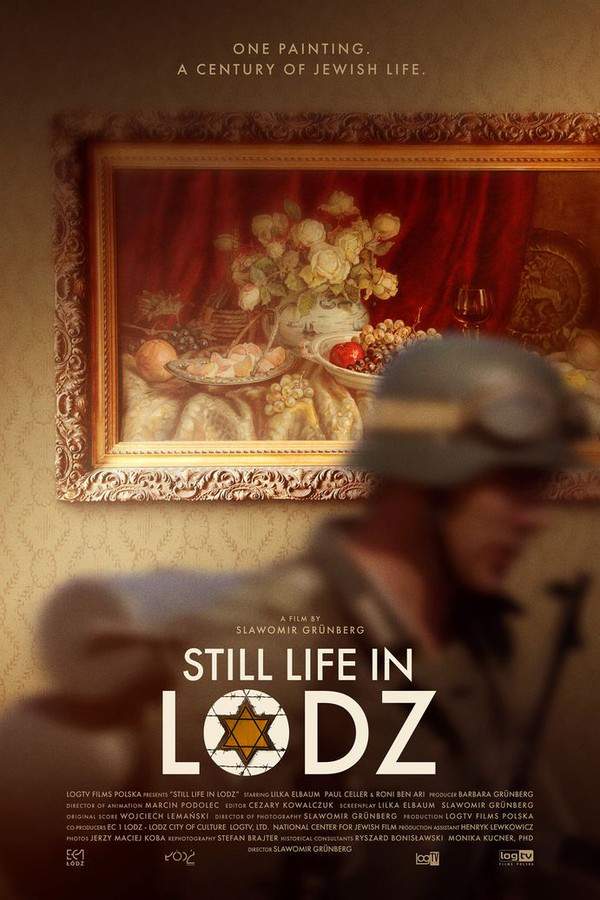
Still Life in Lodz
2021

The Great American Lie
2020
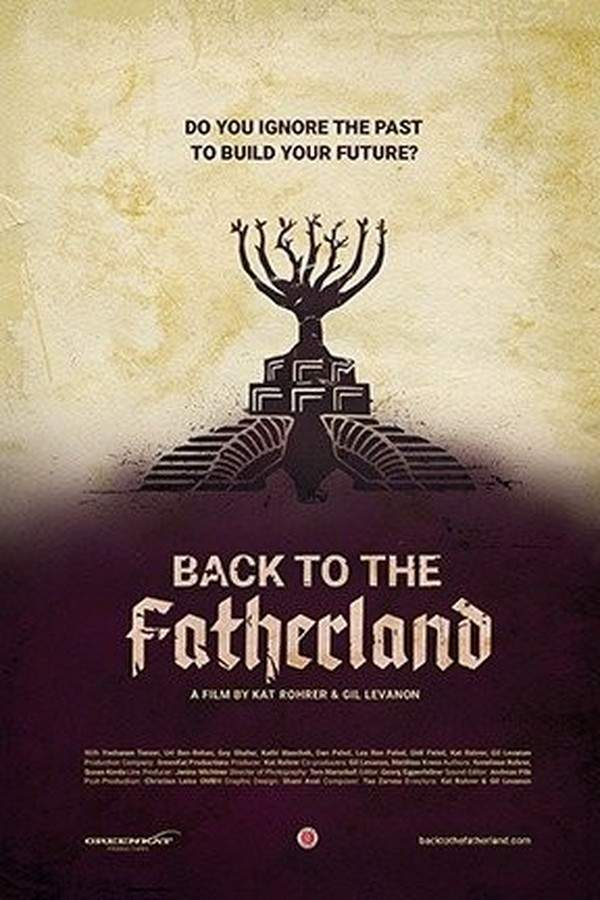
Back to the Fatherland
2019
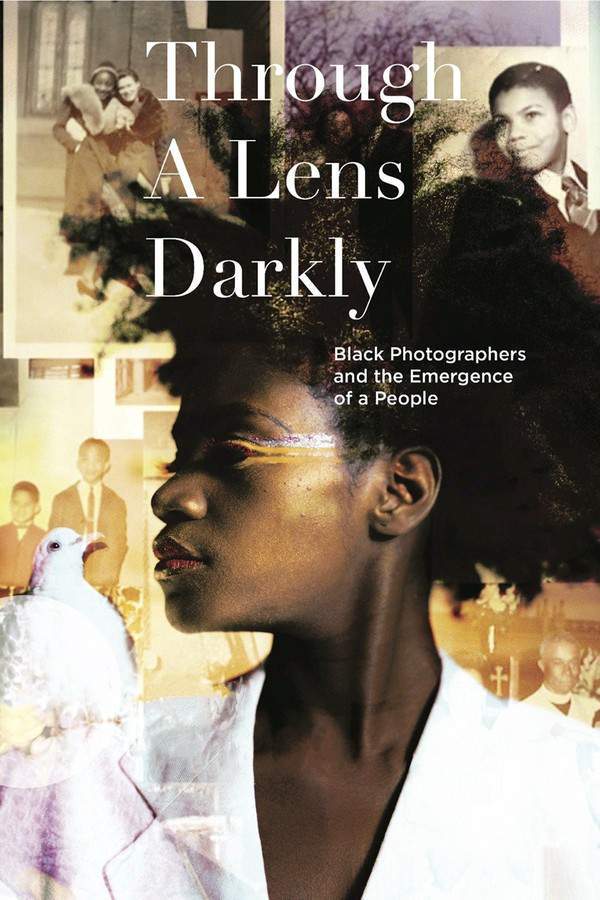
Through a Lens Darkly: Black Photographers And The Emergence Of A People
2014

Paula Rego: Secrets & Stories
2017

Rocky Road to Dublin
1968

Man of Marble
1977

This Happy Breed
1944
Narrative Summary
The narrative pattern involves using a compelling biography as a vehicle to explore a wider historical context. The personal journey of the subject illuminates the era's tensions, triumphs, and tragedies. The plot intertwines individual milestones with key historical events, creating a dual-layered story of a life and a time.
Why These Movies?
This thread groups movies that share a method of storytelling: making history personal. They have a moderate complexity, balancing individual narrative with educational context. The tone is often reflective or bittersweet, as these personal stories are frequently set against tumultuous backdrops, carrying a medium emotional weight.
Unlock the Full Story of Ginger: More Than a Game
Don't stop at just watching - explore Ginger: More Than a Game in full detail. From the complete plot summary and scene-by-scene timeline to character breakdowns, thematic analysis, and a deep dive into the ending - every page helps you truly understand what Ginger: More Than a Game is all about. Plus, discover what's next after the movie.
Ginger: More Than a Game Summary
Read a complete plot summary of Ginger: More Than a Game, including all key story points, character arcs, and turning points. This in-depth recap is ideal for understanding the narrative structure or reviewing what happened in the movie.

Ginger: More Than a Game Timeline
Track the full timeline of Ginger: More Than a Game with every major event arranged chronologically. Perfect for decoding non-linear storytelling, flashbacks, or parallel narratives with a clear scene-by-scene breakdown.


