Plot Explained Spoilers guaranteed!
Plot Explained

Browse by genre

Genealogies of a Crime (1997) movie poster

Characters & Themes

Genealogies of a Crime (1997) Characters, Setting & Themes Explained

Release, runtime and language
1997 · 113 mins · French
Loading streaming availability…
Directed by
Raúl Ruiz
Starring
Catherine Deneuve, Mathieu Amalric, Michel Piccoli, Melvil Poupaud, Bernadette Lafont, Andrzej Seweryn

The case hinges on whether the aunt—a psychiatrist who took the young man under her care to study his possible homicidal urges—is merely a victim, a perpetrator, or both. An attorney defends the accused, navigating a maze of family ties, psychological evaluation, and the unsettling notion that the very person meant to protect may be complicit.

On this page (8)
  1. 1 Where to watch
  2. 2 Characters explained (3)
  3. 3 Where & when it takes place
  4. 4 Themes & meaning (3)
  5. 5 Character & meaning questions
  6. 6 Movie threads
  7. 7 Movies like Genealogies of a Crime
  8. 8 Every angle
Loading streaming availability…

3 main characters · contains spoilers

Genealogies of a Crime Characters Explained: Who Is Who

The main characters of Genealogies of a Crime (1997), heroes and villains: what drives them, how they change over the course of the story and what each of them reveals about the film's bigger ideas.

  • Jeanne / Solange (Catherine Deneuve)

    Jeanne appears as a distinguished psychoanalyst with a composed exterior, but her history reveals underlying sociopathic tendencies. Solange, her alter ego, is a cautious observer of her own and Jeanne’s psychological scars. Both embody themes of repression, trauma, and unresolved guilt.

    • 🔍 Psychoanalyst
    • 🧩 Duality
    • 🖤 Trauma
  • René (Melvil Poupaud)

    René is a troubled young man with violent tendencies, exhibiting kleptomaniac behavior and destructive impulses. His actions and mental deterioration symbolize the impact of traumatic upbringing and psychological manipulation. His relationship with Jeanne drives the narrative’s tragic trajectory.

    • 🩸 Troubled
    • 🔪 Violent
    • ⚖️ Victim/Suspect
  • Georges Didier (Michel Piccoli)

    Georges is an eccentric psychoanalyst and Jeanne’s colleague, whose erratic behavior suggests underlying instability. His role in the psychoanalytic society and the experiments performed on René highlight themes of ethical boundaries and manipulation.

    • 🧠 Eccentric
    • ⚡ Unpredictable
    • 🏛️ Authority

Last updated: August 19, 2025 at 04:52

Was this helpful?

Setting

Where and When Does Genealogies of a Crime Take Place?

The setting of Genealogies of a Crime (1997): the year and time period, the places and locations, and how they shape the characters, the mood and the tension of the story.

Time period

Contemporary (21st century)

The story is set in the modern era, with references to psychoanalytic practices and legal procedures that are characteristic of recent times. The events unfold over a period of weeks, capturing a mix of present-day clinical and personal crises that contribute to the film's psychological depth.

Location

France, estate, Psychoanalytic Society

The movie takes place primarily in a French estate, which serves as a symbol of both the home and the psychological battleground for the characters. The estate is tied to Jeanne’s past and the psychoanalytic society, reflecting themes of memory, trauma, and mental health. The setting helps evoke an atmosphere of introspection and mystery.

  • 🇫🇷 French
  • 🏡 Estate
  • 🧠 Psychoanalytic

Last updated: August 19, 2025 at 04:52

Was this helpful?

3 major themes

Genealogies of a Crime Meaning: Themes & Message Explained

What is Genealogies of a Crime (1997) really about? The emotional, social and philosophical themes the film keeps returning to, its symbolism and the message beneath the surface.

  • Violence

    Violence and its roots are central to the film's narrative, intertwined with the characters’ psychological issues. René’s violent tendencies are foreshadowed early and culminate in tragic consequences, emphasizing how suppressed rage can manifest destructively.

  • Psychology

    Psychology and psychoanalysis are key themes, exploring how mental health, childhood trauma, and therapy influence behavior. The film portrays the blurred lines between healing and harm, especially within the psychoanalytic community and personal relationships.

  • Deception

    Deception pervades the story, with characters hiding true intentions and manipulating perceptions. The role-reversal games symbolize the complex layers of identity and truth, reflecting the ambiguity in characters’ motives and mental states.

Last updated: August 19, 2025 at 04:52

Was this helpful?

Character & theme questions

Genealogies of a Crime Characters & Meaning: Your Questions Answered

The questions people ask about Genealogies of a Crime (1997): who the characters really are, their relationships, what the symbols mean, where it takes place and what the movie is really about. Each answer contains spoilers.

Q1

Where does the movie take place?

The film is set primarily in a French estate that serves as both a home and a psychological battleground for the characters. The estate is connected to Jeanne's past and the psychoanalytic society, creating an atmosphere of introspection and mystery.

Foreshadowing: The estate's connection to Jeanne's history hints at the deeper psychological tensions that will unfold.

  • french estate
  • setting
  • location
  • psychoanalytic society
Q2

When is the story set?

The movie takes place in the contemporary era, specifically the 21st century. The events unfold over a period of weeks, featuring modern psychoanalytic practices and legal procedures that give the story a current-day clinical and personal feel.

  • contemporary
  • modern era
  • time period
  • 21st century
Q3

What are the main themes in the film?

The film explores three major themes: violence and its psychological roots, the complex relationship between psychology and psychoanalysis, and pervasive deception. These themes intertwine to examine how suppressed rage manifests destructively, how mental health practices can blur healing and harm, and how characters manipulate perceptions through role-reversal games.

  • themes
  • violence
  • psychology
  • deception
Q4

How does the film handle the theme of violence?

Violence is central to the narrative, with René's violent tendencies foreshadowed early in the film and culminating in tragic consequences. The movie emphasizes how suppressed rage can manifest destructively, showing the psychological mechanisms behind violent behavior.

Foreshadowing: Early hints of René's violent tendencies set the stage for the tragic events that unfold.

  • violence
  • rené
  • tragedy
  • psychological violence
Q5

What role does psychology play in the story?

Psychology and psychoanalysis are central to the film, exploring how mental health, childhood trauma, and therapy influence behavior. The story portrays the blurred lines between healing and harm, particularly within the psychoanalytic community where those meant to help may actually cause damage.

  • psychology
  • psychoanalysis
  • therapy
  • mental health
  • trauma
Q6

Who is Jeanne in the movie?

Jeanne (played by Catherine Deneuve) is a distinguished psychoanalyst who appears composed on the surface but harbors underlying sociopathic tendencies. She also has an alter ego named Solange who serves as a cautious observer. Both personas embody themes of repression, trauma, and unresolved guilt.

  • jeanne
  • solange
  • catherine deneuve
  • psychoanalyst
Q7

Who is René and what is his role?

René is a troubled young man played by Melvil Poupaud who exhibits violent tendencies, kleptomaniac behavior, and destructive impulses. His mental deterioration symbolizes the impact of traumatic upbringing and psychological manipulation. His relationship with Jeanne drives the narrative's tragic trajectory.

Foreshadowing: René's violent tendencies and destructive impulses are hinted at early, foreshadowing the tragic outcomes.

  • rené
  • melvil pupaud
  • violent tendencies
  • kleptomania
Q8

Who is Georges Didier?

Georges Didier (played by Michel Piccoli) is an eccentric psychoanalyst and Jeanne's colleague. His erratic behavior suggests underlying instability, and his role in the psychoanalytic society and experiments performed on René highlights themes of ethical boundaries and manipulation within the field.

  • georges didier
  • michel piccoli
  • psychoanalyst
  • colleague
Q9

How does deception factor into the story?

Deception pervades the story as characters hide true intentions and manipulate perceptions. The central role-reversal games symbolize complex layers of identity and truth, creating ambiguity in characters' motives and mental states. This deception is tied to the film's exploration of blurred lines between victim and perpetrator.

  • deception
  • role reversal
  • manipulation
  • identity
Q10

Why is the French estate important to the story?

The French estate serves as both a physical setting and symbolic backdrop, representing home while simultaneously functioning as a psychological battleground. It is tied to Jeanne's past and the psychoanalytic society, making it essential to understanding the film's themes of memory, trauma, and mental health.

Foreshadowing: The estate's connection to Jeanne's history foreshadows the revelations about her past.

  • french estate
  • home
  • psychological battleground
  • memory
  • trauma
Q11

What is the relationship between Jeanne and René?

Jeanne is René's aunt and psychiatrist who takes him under her care to study his possible homicidal urges. Their relationship is at the center of the film's central mystery: whether Jeanne is merely a victim, a perpetrator, or both. The case hinges on determining if the person meant to protect may actually be complicit in the crime.

  • jeanne
  • rené
  • relationship
  • aunt
  • psychiatrist
  • guardian
Q12

What is the overall tone and atmosphere of the film?

The film has a consistently dark and unsettling atmosphere due to its psychologically disturbing themes of murder, suicide, and manipulation. The pacing varies between slow-burn investigation and fast-paced revelations of violence. It is intellectually demanding and emotionally taxing, ending on a bleak note with no moments of relief.

  • tone
  • atmosphere
  • dark
  • psychological
  • disturbing
  • bleak

Movie threads

More Movies Like Genealogies of a Crime, by Mood & Story

Curated lists built around what makes Genealogies of a Crime tick: the same mood, the same kind of story or the same emotional payoff. Each list explains why these movies belong together.

Psychological Labyrinths with Unreliable Narrators like in Genealogies of a Crime

Stories where perception is warped and truth is a shifting construct. If you enjoyed the mind-bending uncertainty of Genealogies of a Crime, explore more movies with unreliable narrators and psychological puzzles. These complex thrillers and dramas challenge perception, making you doubt the reality presented on screen, similar to the experience of this film.

  • unreliable narrator
  • psychological puzzle
  • mind-bending
  • tense
  • unsettling
  • ambiguous
  • Tone: tense, unsettling, ambiguous
  • Pacing: variable, deliberate
Why these movies?

The story pattern: The narrative pattern involves a central character, witness, or narrator whose account of events is deeply questionable. The plot unfolds through their perspective, but contradictions, flashbacks, and revelations gradually erode trust. The audience's journey is one of active detective work, piecing together a truth that may forever remain elusive.

Why they belong together: These movies are grouped by their commitment to a subjective, unstable reality. They share a focus on psychological manipulation, complex non-linear structures, and a constant, unsettling tension that arises from not knowing who or what to believe.
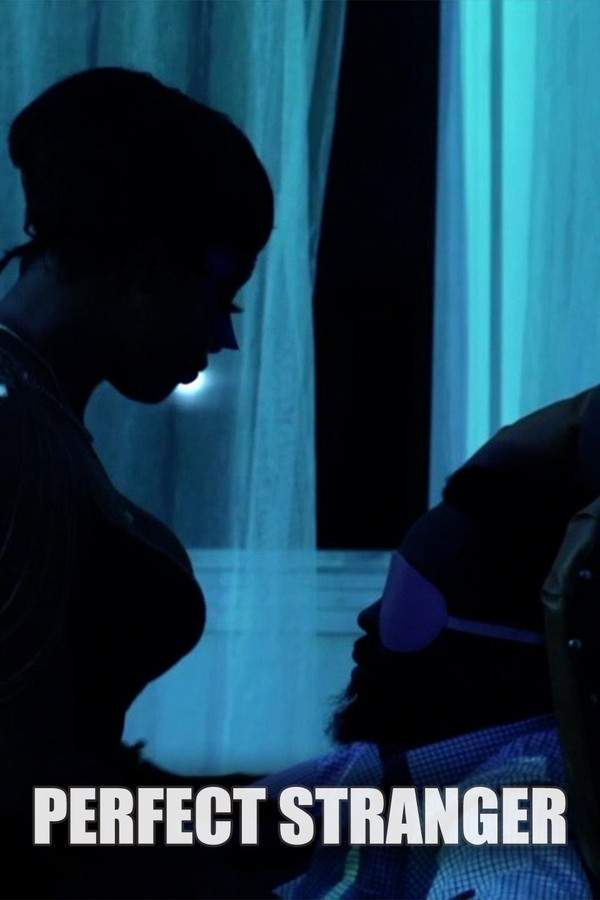
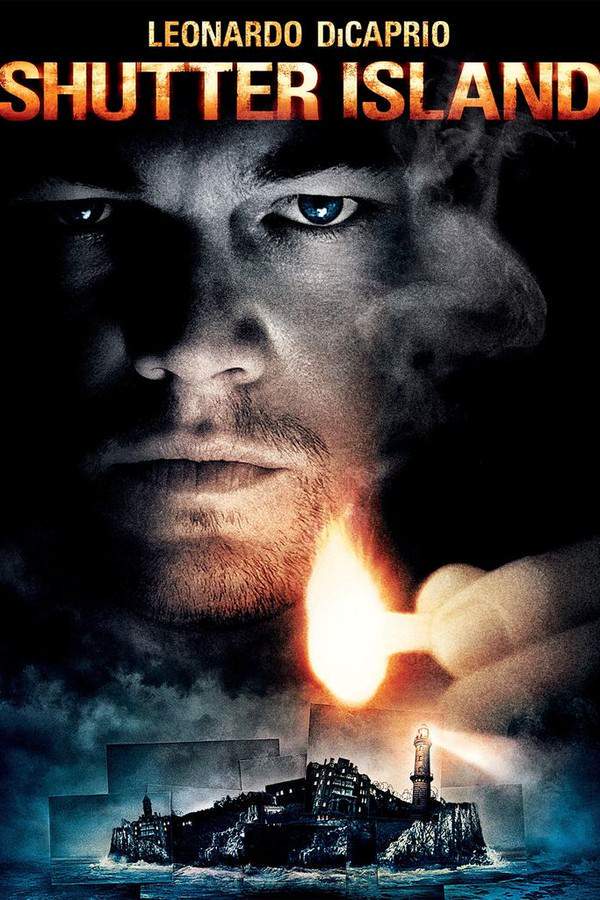
Bleak Cycles of Family Trauma and Crime like in Genealogies of a Crime

Dark tales where violent family legacies doom the present generation. Discover movies similar to Genealogies of a Crime that explore the dark inheritance of family trauma. These bleak dramas and thrillers focus on how violence and psychological damage pass through generations, creating a sense of inescapable fate and grim destiny.

  • family trauma
  • gothic
  • bleak
  • melancholic
  • claustrophobic
  • fatalistic
  • Tone: dark, melancholic, bleak
  • Pacing: slow burn, variable
Why these movies?

The story pattern: The narrative follows characters investigating or becoming ensnared by a crime rooted in their own family history. The past haunts the present through diaries, secrets, and repressed memories. The journey is typically a descent, revealing how trauma corrupts and repeats, often leading to a bleak, fatalistic conclusion where escape is impossible.

Why they belong together: These films are united by their focus on inherited sin and the inescapability of a grim family legacy. They share a dark, melancholic tone, a high emotional weight centered on tragedy, and a claustrophobic sense of being trapped by blood ties.

If you liked this

Movies Like Genealogies of a Crime

Similar movies to Genealogies of a Crime: the same genre, themes or kind of story. Each one comes with its own plot summary, timeline and ending explained.

Browse all movie summaries

Every angle

Genealogies of a Crime (1997) Explained: Plot, Timeline & Characters

Everything about Genealogies of a Crime in one place: what happens in the plot summary, the timeline in chronological order, the characters and meaning and a spoiler-free summary. What's After the Movie adds the cast, box office and post-credit scenes.

Coming soon on iOS and Android

The Plot Explained Movie Summary App

Plot summaries, endings explained and timelines on your phone. Catch up on any movie in minutes, save your favorites and never miss a twist again.

Be the first to know when we launch. Your email stays private, always.

Learn more about the app