Plot Explained Spoilers guaranteed!
Plot Explained

Browse by genre

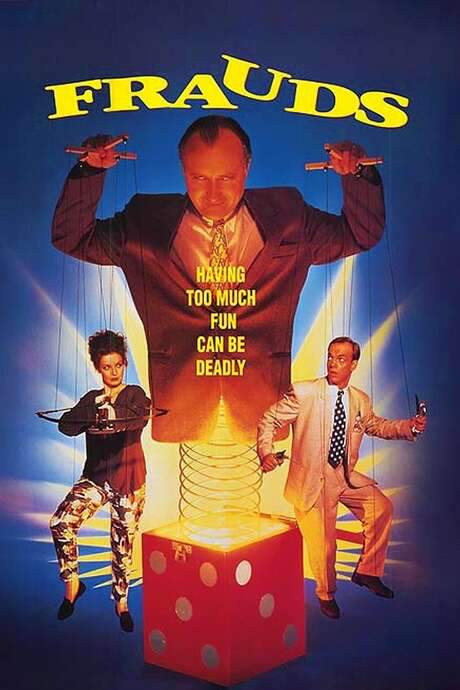
Frauds (1993) movie poster

Characters & Themes

Frauds (1993) Characters, Setting & Themes Explained

Release, runtime and language
1993 · 90 mins · English
Loading streaming availability…
Directed by
Stephan Elliott
Starring
Hugo Weaving, Vincent Ball, Nicholas Hammond, Kee Chan, Phil Collins, Helen O'Connor

Insurance investigator Roland Copping is far from ordinary. He meddles in people's lives, using elaborate games and gimmicks to manipulate outcomes. His reckless tactics draw him into a bitter feud with a couple whose bizarre insurance claim triggers an escalating vendetta.

On this page (8)
  1. 1 Where to watch
  2. 2 Characters explained (5)
  3. 3 Where & when it takes place
  4. 4 Themes & meaning (3)
  5. 5 Character & meaning questions
  6. 6 Movie threads
  7. 7 Movies like Frauds
  8. 8 Every angle
Loading streaming availability…

5 main characters · contains spoilers

Frauds Characters Explained: Who Is Who

The main characters of Frauds (1993), heroes and villains: what drives them, how they change over the course of the story and what each of them reveals about the film's bigger ideas.

  • Roland Copping (Phil Collins)

    Roland Copping is an unscrupulous insurance investigator and master of pranks who hunts the Wheats with a chilling, methodical patience. He weaponizes fear and 'new evidence' to bend others to his will, showing no hesitation to escalate the game's stakes. His charm masks a ruthless hunger for control and money, making him the architect of the film's ethical collapse. He operates with a perverse sense of fate, treating people's vulnerabilities as tools to manipulate.

    • 🧭 Strategic
    • 🗡️ Threatening
    • 🧠 Calculating
  • Jonathan Wheats

    played by Hugo Weaving

    Jonathan Wheats is the Wheats' husband, a resourceful man who becomes entangled in Roland's deadly game. He pushes moral boundaries to protect his family and outsmart his foe, even as the plot reveals his own complicity. His quick thinking and willingness to gamble with the truth drive the film's twists and eventual confrontation. Ultimately, his actions contribute to the fraud, complicating his moral stance.

    • 🗺️ Strategic
    • 💼 Ambitious
  • Beth Wheats

    played by Josephine Byrnes

    Beth is a kindergarten teacher who survives a brutal self-defense incident and becomes entangled in an insurance fraud scheme. Her resilience grows as she navigates the consequences of Roland's manipulation and their own questionable choices. Her decisions anchor the emotional core of the story, highlighting the cost of desperation.

    • 🌟 Resilient
    • 💡 Quick-witted
  • Michael Allen

    played by Peter Mochrie

    Michael Allen is the burglar whose death triggers the investigation, only to be revealed as part of a larger deception. His role exposes the fragility of appearances and the way pranks can spiral into crime. Even in death, his character serves as a catalyst for the truth to emerge.

    • 💀 Deadly
    • 🕳️ Deceptive
  • Matthew Copping

    played by Ian Cockburn

    Matthew Copping is Roland's brother who survived the waterfall but became vegetative and quadraplegic. In the climax, it is revealed that he can speak, turning the tables on Roland and reframing the brothers' past. His condition and hidden vitality become a focal point of the final confrontation, illustrating the personal costs of Roland's games.

    • 👤 Vulnerable
    • 🏥 Disabled
    • 🧠 Complex

Last updated: October 04, 2025 at 19:15

Was this helpful?

Setting

Where and When Does Frauds Take Place?

The setting of Frauds (1993): the year and time period, the places and locations, and how they shape the characters, the mood and the tension of the story.

Time period

Location

Andreas, Glendale Clinic, Wheats' residence, La Bohème opera house

The story unfolds in the fictional town of Andreas, a close-knit community where the central characters' schemes take shape. Key locations include the Wheats' home, a grand opera house where a party ends in murder, and the Glendale Clinic where secrets surface. The settings blend ordinary suburban life with ominous, trap-filled spaces that mirror the game-like battles between characters.

  • 🏙️ Town setting
  • 🏥 Mental institution
  • 🏠 Domestic spaces

Last updated: October 04, 2025 at 19:15

Was this helpful?

3 major themes

Frauds Meaning: Themes & Message Explained

What is Frauds (1993) really about? The emotional, social and philosophical themes the film keeps returning to, its symbolism and the message beneath the surface.

  • Deception

    Deception drives the plot as Roland manipulates the Wheats and crafts a web of lies that upend trust. The dice motif emphasizes chance as a weapon in his scheme. The story probes how truth becomes negotiable when money, pride, and fear are at stake. Characters continuously test boundaries between honesty and fraud.

  • Fraud

    Insurance claims, forged evidence, and a staged disappearance push the couple toward criminal complicity. Roland monetizes others' fear and vulnerability, revealing the corrosive power of greed. The revelation that nearly every trophy in the house has a hidden purpose underscores the scale of the fraud. The film critiques social pressures to present a perfect life.

  • Power games

    The narrative centers on control, manipulation, and psychological gamesmanship. Each confrontation tests who truly holds power in a precarious, secretive world. The asylum, traps, and booby-trapped spaces symbolize the fragility of autonomy under coercion. Characters reveal how far they will go to maintain influence.

Last updated: October 04, 2025 at 19:15

Was this helpful?

Character & theme questions

Frauds Characters & Meaning: Your Questions Answered

The questions people ask about Frauds (1993): who the characters really are, their relationships, what the symbols mean, where it takes place and what the movie is really about. Each answer contains spoilers.

Q1

Where is the movie Frauds set?

Frauds is set in the fictional town of Andreas, a close-knit suburban community that serves as the backdrop for the escalating conflict between Roland Copping and the Wheats family. The setting combines ordinary domestic spaces with more ominous locations, reflecting the psychological gamesmanship at the heart of the story.

  • fictional town
  • andreas
  • setting
  • locations
Q2

What are the key locations in Frauds?

The story unfolds across several key locations: the Wheats' residence as the primary domestic setting, the Glendale Clinic which houses hidden secrets, and the La Bohème opera house where a pivotal party ends in murder. These settings range from suburban homes to institutional spaces, creating a contrast between normalcy and the trap-filled environments where Roland's games unfold.

  • wheats home
  • glendale clinic
  • opera house
  • locations
Q3

What is the main theme of Frauds?

Frauds centers on deception as its primary theme, exploring how manipulation and lies upend trust between characters. The film examines how truth becomes negotiable when money, pride, and fear are at stake, with characters continuously testing the boundaries between honesty and fraud.

  • deception
  • theme
  • trust
  • manipulation
Q4

How does Frauds explore the theme of fraud?

Frauds explores fraud through insurance claims, forged evidence, and staged disappearances that push the protagonists toward criminal complicity. The film critiques how social pressures to present a perfect life lead characters down dishonest paths, with the revelation that nearly every trophy in the Wheats' house has a hidden purpose underscoring the scale of deception.

  • fraud
  • insurance
  • forgery
  • corruption
Q5

What does Frauds say about power and control?

Frauds examines power dynamics through psychological gamesmanship, where each confrontation tests who holds control in a precarious, secretive world. The asylum, traps, and booby-trapped spaces symbolize the fragility of autonomy under coercion, revealing how far characters will go to maintain influence over others.

  • power
  • control
  • manipulation
  • psychological games
Q6

Who is Roland Copping in Frauds?

Roland Copping is an unscrupulous insurance investigator and master of pranks who targets the Wheats family with methodical patience. He weaponizes fear and manipulates evidence to bend others to his will, operating with a perverse sense of fate while treating people's vulnerabilities as tools. His charm masks a ruthless hunger for control and money.

  • roland copping
  • insurance investigator
  • antagonist
  • manipulator
Q7

What is Jonathan Wheats' role in Frauds?

Jonathan Wheats is the husband who becomes entangled in Roland's deadly game. He is a resourceful man who pushes moral boundaries to protect his family and outsmart his adversary, even as the plot reveals his own complicity in the fraud. His quick thinking drives many of the film's twists.

  • jonathan wheats
  • husband
  • protagonist
  • resourceful
Q8

Who is Beth Wheats in Frauds?

Beth Wheats is a kindergarten teacher who survives a brutal self-defense incident and becomes entangled in the insurance fraud scheme. Her resilience grows as she navigates the consequences of Roland's manipulation and their own questionable choices, anchoring the emotional core of the story.

  • beth wheats
  • kindergarten teacher
  • survivor
  • emotional core
Q9

Who is Matthew Copping in Frauds?

Matthew Copping is Roland's brother who survived a waterfall incident but became vegetative and quadriplegic. In the climax, it is revealed that he can actually speak, turning the tables on Roland and reframing the brothers' shared past. His hidden vitality becomes a focal point of the final confrontation.

  • matthew copping
  • brother
  • vegetative
  • twist
Q10

What is the tone of Frauds?

Frauds has a dark tone centered on a disturbed man weaponizing his trauma against others, though the ending introduces an unsettling, almost hysterical note through bizarre laughter. The film combines psychological warfare with dark comedy elements, creating an unsettling mood driven by tension and cruelty.

  • tone
  • dark
  • psychological
  • unsettling
  • mood

Movie threads

More Movies Like Frauds, by Mood & Story

Curated lists built around what makes Frauds tick: the same mood, the same kind of story or the same emotional payoff. Each list explains why these movies belong together.

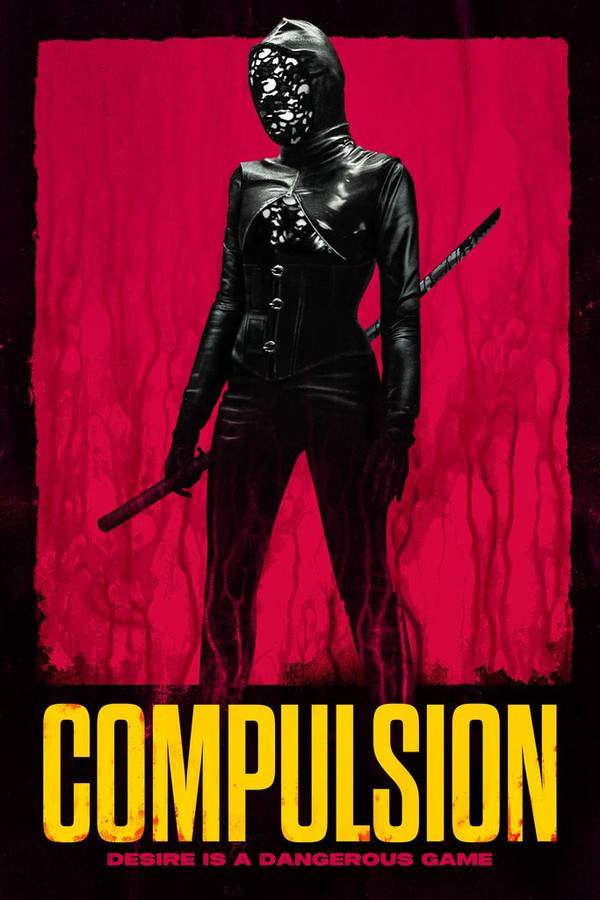
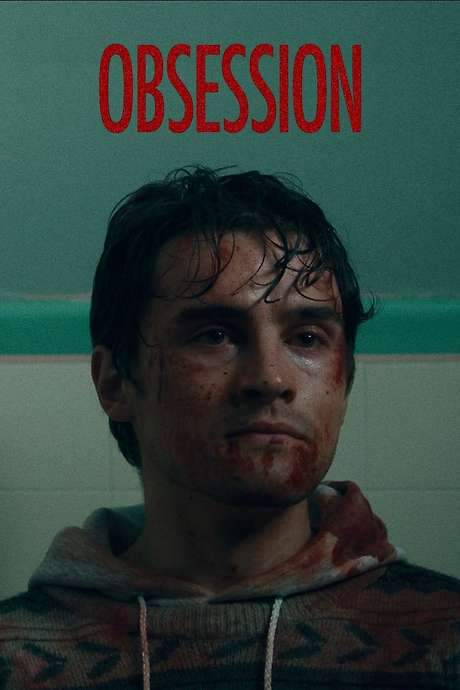
Psychological Warfare Movies like Frauds

Stories where vendettas escalate through cruel psychological manipulation and tricks. Explore more films like Frauds where characters engage in obsessive psychological warfare. If you enjoyed the escalating mind games and cruel manipulation in Frauds, these movies feature similar stories of vendettas fought with psychological tactics, creating a tense and unsettling viewing experience.

  • obsessive
  • unsettling
  • tense
  • psychological
  • chaotic
  • cruel
  • Tone: dark, tense
  • Pacing: fast, relentless
Why these movies?

The story pattern: These narratives typically begin with a seemingly minor conflict that spirals out of control due to one character's obsessive nature. The antagonist uses increasingly elaborate and cruel psychological tactics to torment their target, leading to an inevitable, high-stakes confrontation. The journey is defined by a sense of inescapable, escalating chaos.

Why they belong together: Movies in this thread share a core focus on psychological manipulation as the primary driver of conflict. They create a similar unsettling, high-intensity mood through fast-paced narratives of obsession and revenge, making them perfect for viewers seeking stories about calculated cruelty and mental games.
Bizarre and Chaotic Thrillers like Frauds

Unconventional thrillers with a darkly comic, chaotic, and psychologically unsettling edge. Find more bizarre and chaotic thrillers similar to Frauds. If you liked the unsettling mix of psychological tension, dark humor, and unpredictable chaos in Frauds, this collection highlights movies that share that unique combination of high-stakes thrills and a distinctly offbeat, twisted tone.

  • bizarre
  • unsettling
  • tense
  • psychological
  • chaotic
  • dark humor
  • Tone: dark, bizarre
  • Pacing: fast, chaotic
Why these movies?

The story pattern: These films often subvert traditional thriller conventions by introducing absurd or eccentric elements into a serious framework. The narrative structure may feel chaotic, mirroring the unstable mindset of the characters. While the core conflict is intense, the presence of bizarre events or darkly comic moments creates a unique, layered tone that is both gripping and unsettling.

Why they belong together: These movies are grouped by their shared, unconventional vibe—a potent mix of high tension, psychological depth, and a pervasive sense of the bizarre. They are united by a fast, chaotic pace and a dark tone that is punctuated by strange humor, appealing to viewers who enjoy thrillers with a twisted, unique identity.

If you liked this

Movies Like Frauds

Similar movies to Frauds: the same genre, themes or kind of story. Each one comes with its own plot summary, timeline and ending explained.

Browse all movie summaries

Every angle

Frauds (1993) Explained: Plot, Timeline & Characters

Everything about Frauds in one place: what happens in the plot summary, the timeline in chronological order, the characters and meaning and a spoiler-free summary. What's After the Movie adds the cast, box office and post-credit scenes.

Coming soon on iOS and Android

The Plot Explained Movie Summary App

Plot summaries, endings explained and timelines on your phone. Catch up on any movie in minutes, save your favorites and never miss a twist again.

Be the first to know when we launch. Your email stays private, always.

Learn more about the app