Plot Explained Spoilers guaranteed!
Plot Explained

Browse by genre

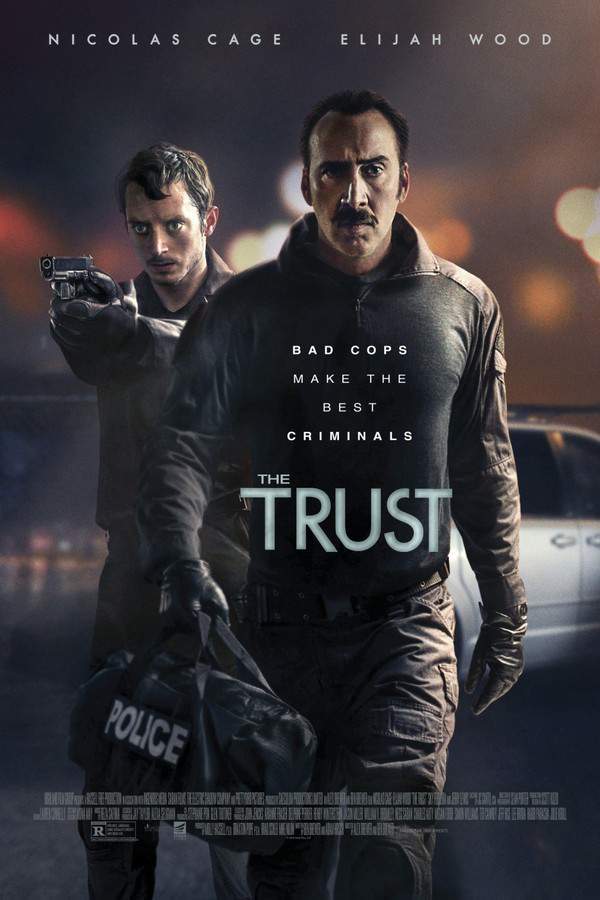
The Trust (2016) movie poster

Plot Summary

The Trust (2016) Plot Summary Explained

Release, runtime and language
2016 · 92 min · English
Directed by
Alex Brewer, Benjamin Brewer

Two dissimilar detectives, Waters and Stone, leave their routine office assignments to pursue a potentially lucrative discovery: a hidden fortune inside a local grocery store's freezer. What begins as a straightforward investigation quickly escalates into a dangerous and chaotic situation as they are drawn further into the mystery. Their pursuit of wealth ultimately forces them to face the repercussions of their own actions and the risks they’ve taken.

On this page (6)
  1. 1 Where to watch
  2. 2 What happens: full plot
  3. 3 Plot questions answered
  4. 4 Movie threads
  5. 5 Movies like The Trust
  6. 6 Every angle

Where to watch

Where to Watch The Trust (2016)

Where can you watch The Trust? Stream, rent or buy it in the US, including on Google Play Movies and YouTube: current JustWatch availability with up-to-date prices.

Streaming availability powered by JustWatch

Full plot summary · contains spoilers

What Happens in The Trust: Full Plot Summary

The whole story of The Trust (2016) explained, from the opening scene to the final frame: every key event, every twist and what it all adds up to. Read it as a quick recap before the sequel, to check a scene you missed, or to finally understand what really happened.

Two seasoned but weary members of the Las Vegas Police Department’s Evidence Management unit, David Waters and his older supervisor Jim Stone, drift through the day-to-day grind with a shared sense of disillusionment and financial strain. Their work feels repetitive, and the money never seems to stretch far enough, leaving them with a nagging sense that something better might be within reach if they were willing to bend the rules.

A seemingly minor case lines up a dangerous possibility. While paging through files, Jim spots a modest drug-dealing operation that has somehow amassed a surprising amount of cash—enough to suggest far more money than the dealer’s official earnings. This observation sparks a dangerous curiosity: what would it take to seize something of real value rather than chasing the same routine paperwork?

With vacation days used for a covert stakeout, Jim goes off-book to observe the drug operation. He tailors a plan around what he discovers: every bit of merchandise the dealer’s crew moves funnels into a single building, and nothing ever exits. The crucial clue is a concealed, purpose-built safe tucked behind an industrial freezer in the building’s back area. The realization dawns that the safe is large, unguarded, and jam-packed with valuables—perfect fodder for a high-stakes burglary.

A meticulous scheme takes shape, built on borrowed gear and illegal funds. The duo map the safe’s exact location and assemble a blueprint-driven heist: a floor-standing drill press and a diamond-tipped drill from overseas, along with black-market firearms to replace their service pistols. Every purchase is paid for with cash siphoned from a corrupt colleague, and the operation is designed to bypass safeguard features by entering from an apartment above the freezer. The plan hinges on precise timing, the right tools, and nerve, but it leaves the fate of the people who occupy the adjacent living space dangerously ambiguous.

On the day of the break-in, tension tightens as the heist commences. They breach the upstairs apartment, subdue and muzzle the two occupants, and confront a tense moment when a spitting incident escalates into a fatal shot from Jim against the man. The pair push through the building’s concrete barrier with worn drill bits, then switch to the diamond-tipped drill. A belt failure halts the drill press, forcing them to improvise an explosive to finish the breach. With the chamber opened, Jim watches the vault’s tumblers through a long, flexible scope while David copies each discovered number onto the door. The safe reveals a vault of extraordinary value—gems and cash that could change both of their lives, at least in theory.

The elation of success collides with creeping dread. Jim is buoyed by the haul, but David immediately senses the danger of taking so much from a violent gang and fears the consequences of a large, traceable theft. They agree to wrap up their operation, clean up the apartment, and vanish, with David locking the safe behind them as they prepare to leave.

Back in the apartment, a moment of humanity surfaces. David’s empathy emerges when a surviving female hostage seeks help for her family. She asks him to call her husband so he can ensure their three-year-old son will be cared for. David agrees, and the short, desperate conversation is enough to remind him that the life they’re侵 trying to salvage is not all their own.

The plan fractures from within as trust frays. The two men return to the safe only to discover that David has not only re-locked the door but has erased the combination numbers as well. A furious Jim confronts him, grabs the weapon, and demands that the safe be opened. They load the valuables into bags and begin transporting them to a van, but the tension erupts in tragedy when David, overwhelmed and conflicted, shoots Jim instead of carrying out the original plan to kill the woman.

A brief, violent showdown and a stolen peace. After a short shootout, Jim is killed, and David doubles down on a grim pragmatism: he returns the goods to the safe, retrieves the hostage, and promises to release her far from the city. They drive through a lonely stretch of road, and the van is suddenly boxed in by vehicles, including a contractor’s truck bearing the same phone number the woman had David call earlier—a clue that he should have trusted. When David tries to identify himself as a police officer, he is shot dead. The final image lingers on the aftermath: physical evidence from the heist is collected, cataloged, and stored back in the Evidence Management building where both men once worked, closing a circle that began with routine files and ended in a grim ledger of consequences.

Last updated: October 09, 2025 at 16:19

Was this helpful?

Plot questions answered

The Trust Plot Explained: Your Questions Answered

The questions people ask most about The Trust (2016): what happens in the confusing scenes, why the characters do what they do, the twists, hidden details and what the ending means. Each answer contains spoilers.

Q1

Why do Waters and Stone decide to rob the drug dealer's safe?

Waters and Stone are two disillusioned Evidence Management workers struggling financially. While reviewing files, Stone notices a small-time drug dealer has amassed far more cash than his official income suggests, enough to imply a much larger hidden stash. This sparks the idea: instead of processing routine evidence, they could seize something actually valuable. Their desperation for money and resentment toward their dead-end jobs drive them to plan the heist.

Foreshadowing: Earlier scenes establish their financial strain and dissatisfaction with mundane office work, hinting at their willingness to take extreme risks.

  • motivation
  • money
  • desperation
  • heist
  • drug dealer
Q2

How do they discover the hidden vault behind the freezer?

Stone conducts an unofficial stakeout at the hotel where the drug dealer operates, using vacation days. He observes that all merchandise flows into one building and nothing ever leaves, which suggests something valuable is being stored inside. Waters then obtains blueprints from the county planning office, revealing the gang built a large safe behind an industrial freezer in the building's back area. This confirmed the existence of an unguarded, high-value target.

  • blueprints
  • safe
  • freezer
  • discovery
  • surveillance
Q3

Why does Jim Stone shoot the male hostage during the break-in?

After breaking into the apartment above the freezer, Waters and Stone restrain and muzzle the two occupants, a man and a woman. During the confrontation, the male hostage spits at Jim, triggering a violent reaction. Jim loses control and shoots the man fatally. The shooting is portrayed as an impulsive, brutal moment that was not part of the original plan, a warning that the heist is already spiraling beyond their control.

  • hostage
  • shooting
  • escalation
  • spit
Q4

Why does Waters re-lock the safe and erase the combination numbers?

After opening the safe and seeing the massive haul of gems and cash, Waters immediately realizes the danger of taking so much from a violent criminal gang. He fears they will be tracked down and killed for such a large, traceable theft. His panic and survival instinct take over, leading him to re-lock the safe and erase the combination, this is his attempt to contain the situation before it spirals completely out of control.

Foreshadowing: David's worry about being tracked down is established immediately after seeing the vault's contents.

  • safe
  • combination
  • fear
  • regret
  • second thoughts
Q5

Why does Waters shoot Stone instead of the female hostage?

When Jim discovers Waters has re-locked the safe, he threatens Waters at gunpoint and demands they finish the job. Under coercion, Waters opens the safe again and they begin loading valuables into the van. Jim then orders Waters to kill the female hostage to eliminate witnesses. Waters hesitates, unable to commit murder, and instead turns the gun on Jim, shooting his partner to prevent killing an innocent woman. This moment represents Waters' moral breaking point after the long descent into crime.

Foreshadowing: Earlier, Waters showed empathy by calling the hostage's husband to ensure her child would be cared for, foreshadowing his inability to go through with killing her.

  • shooting
  • jim
  • murder
  • hostage
  • conscience
Q6

Why does Waters return all the loot to the safe after killing Jim?

After shooting Jim, Waters makes a critical decision: he loads all the valuables back into the safe rather than keeping them. This appears to be an attempt to restore some order, to leave the crime scene as if the heist never happened. However, it also dooms everything because the evidence will clearly show they attempted the robbery, leaving no way to escape accountability.

  • loot
  • safe
  • return
  • regret
Q7

Why is the contractor truck with the same phone number significant?

The female hostage had asked Waters to call her husband so he could arrange care for their child. Waters made that call, which went to a contractor. When Waters and the hostage drive away on the highway, they are ambushed by multiple vehicles, including that same contractor's truck. This reveals the husband's connections to dangerous people who tracked Waters through that phone call. It was a critical mistake Waters should have foreseen: calling anyone connected to the hostages would draw dangerous attention.

Foreshadowing: The hostage specifically asks Waters to call her husband, a seemingly innocent request that becomes the fatal flaw.

  • contractor
  • phone number
  • ambush
  • trap
Q8

Why is Waters killed even after he identifies himself as a police officer?

When Waters is ambushed on the highway, he tries to save himself by announcing he's a police officer, hoping his badge will protect him. However, the attackers don't care, they're either working for the criminal organization or simply don't believe him. The reveal that Waters was involved in robbing a drug dealer's safe makes his claim of being a cop irrelevant to people who want him dead regardless. The irony is brutal: his own criminal act has made his legitimate authority meaningless.

  • police
  • ambush
  • death
  • irony
  • authority
Q9

Why does the evidence return to the Evidence Management building?

The final montage shows all physical evidence from Waters' car and the heist being cataloged and stored in the same Evidence Management building where both Waters and Stone worked. This creates a darkly ironic circular narrative: their entire criminal operation began with routine evidence files at that same location, and now their own crimes are processed by their colleagues. It reinforces the film's theme that crime leads to inescapable consequences.

  • evidence
  • irony
  • ending
  • cycle
  • consequences
Q10

Why is the heist plan so complicated with the drill and apartment?

The gang built the safe with sophisticated security: it's designed to trigger lock-down if the door is breached from outside. To bypass this, Waters and Stone devise a plan to drill from the apartment above the freezer, entering through the ceiling rather than the main entrance. This requires a floor-standing drill press, a diamond-tipped drill shipped from Germany, and precise timing. The plan also involves black-market firearms to replace their service pistols, making the operation completely off-books.

  • drill
  • safe
  • bypass
  • security
  • apartment
Q11

Why does the belt break during the drilling process?

After successfully boring through concrete with two regular drill bits, the team switches to the diamond-tipped drill for the final penetration. However, the drive belt on the drill press snaps, stopping the operation. They have no spare belts, so they're forced to improvise an explosive charge to finish the breach. This mechanical failure adds to the escalating chaos and danger of the heist.

  • drill
  • belt
  • breakdown
  • explosive

Movie threads

More Movies Like The Trust, by Mood & Story

Curated lists built around what makes The Trust tick: the same mood, the same kind of story or the same emotional payoff. Each list explains why these movies belong together.

Crime Duo Downfall Stories like The Trust

Duos whose criminal ambitions fracture their trust and seal their fate. If you liked the dynamic between the detectives in The Trust, explore more movies about partnerships corroded by greed. These films feature duos whose criminal plans go awry, focusing on the tense, fatalistic spiral of betrayal and moral decay among partners in crime.

  • gritty
  • tense
  • fatalistic
  • cynical
  • anxious
  • claustrophobic
  • Tone: dark, cynical, tense
  • Pacing: steady, methodical
Why these movies?

The story pattern: The narrative follows a duo who believe they can beat the system for a big score. Their initial camaraderie is tested as the plan unfolds, with cracks in their partnership widening under pressure. The story is a character-driven study of greed, leading to a climax where their alliance shatters, often with fatal consequences for both.

Why they belong together: Movies are grouped here for their focus on a two-person dynamic central to a crime plot. They share a high intensity, dark tone, and heavy emotional weight derived from watching a partnership implode, resulting in a bleak ending that reinforces the futility of their actions.

Gritty Thrillers Where Plans Collapse like The Trust

Where meticulous criminal schemes devolve into chaos and fatal consequences. Fans of The Trust who enjoy watching a carefully laid plan implode will find similar tension here. These movies are gritty crime thrillers with a steady build-up that erupts into chaos, exploring themes of greed, desperation, and the inescapable consequences of a heist gone wrong.
  • suspenseful
  • anxious
  • chaotic
  • gritty
  • claustrophobic
  • desperate
  • Tone: dark, suspenseful, bleak
  • Pacing: steady build to chaos
Why these movies?

The story pattern: These narratives often begin with a clear, achievable goal that promises a life-changing reward. The plot meticulously follows the planning and early execution, but then introduces unforeseen complications that snowball into disaster. The journey is a downward spiral where control is lost, alliances are broken, and the initial goal becomes secondary to sheer survival, culminating in a bleak outcome.

Why they belong together: This group is defined by a shared plot structure: the collapse of a criminal enterprise. They deliver a consistent vibe of suspenseful dread and anxiety through a steady pace that builds to an intense, chaotic climax. The movies are united by their dark tone, gritty atmosphere, and themes of moral decay.

If you liked this

Movies Like The Trust

Similar movies to The Trust: the same genre, themes or kind of story. Each one comes with its own plot summary, timeline and ending explained.

Browse all movie summaries

Every angle

The Trust (2016) Explained: Plot, Timeline & Characters

Everything about The Trust in one place: what happens in the plot summary, the timeline in chronological order, the characters and meaning and a spoiler-free summary. What's After the Movie adds the cast, box office and post-credit scenes.

Coming soon on iOS and Android

The Plot Explained Movie Summary App

Plot summaries, endings explained and timelines on your phone. Catch up on any movie in minutes, save your favorites and never miss a twist again.

Be the first to know when we launch. Your email stays private, always.

Learn more about the app