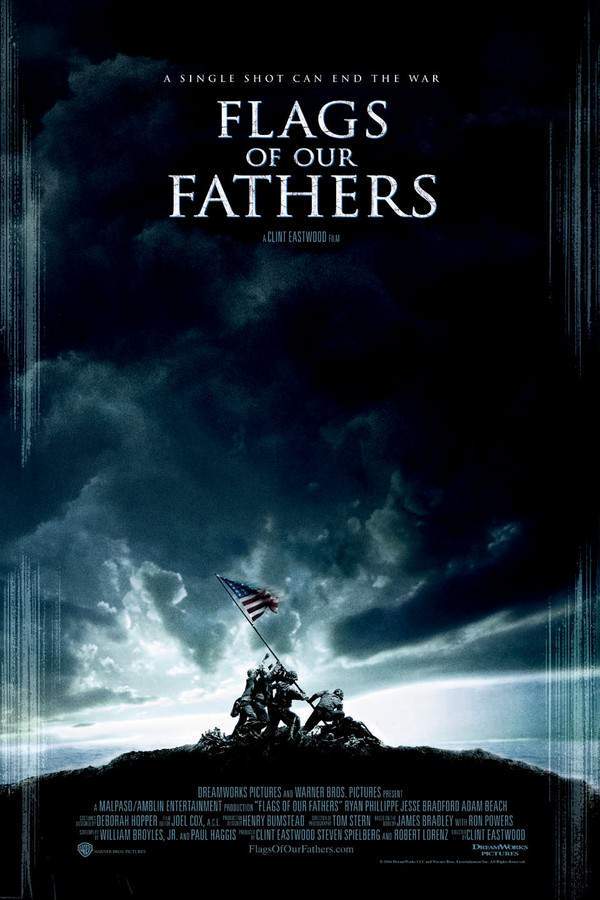
During the brutal 1945 battle for Iwo Jima, six U.S. Marines raise the American flag on Mount Suribachi, an iconic moment that captures the nation's spirit. The photograph becomes a symbol of victory, but the men behind it—John Bradley, Ira Hayes, and Franklin Souske—are forever changed. Haunted by their experiences and thrust into the role of national heroes, they grapple with the psychological toll of war and the complexities of fame while the fight for Iwo Jima rages on.
Find where to stream, rent, or buy Flags of Our Fathers (2006) in the US with current JustWatch availability, up-to-date pricing, and platform listings for subscription, rental, and digital purchase options.
Warning: spoilers below!
Haven’t seen Flags of Our Fathers yet? This summary contains major spoilers. Bookmark the page, watch the movie, and come back for the full breakdown. If you're ready, scroll on and relive the story!
Explore the full timeline and setting of Flags of Our Fathers (2006). Follow every major event in chronological order and see how the environment shapes the story, characters, and dramatic tension.
Last updated: October 22, 2024 at 22:13
Meet the key characters of Flags of Our Fathers (2006), with detailed profiles, motivations, and roles in the plot. Understand their emotional journeys and what they reveal about the film’s deeper themes.
Last updated: October 22, 2024 at 22:13
Explore the central themes of Flags of Our Fathers (2006), from psychological, social, and emotional dimensions to philosophical messages. Understand what the film is really saying beneath the surface.
Last updated: October 22, 2024 at 22:13
Browse frequently asked questions about Flags of Our Fathers (2006) focused on characters, relationships, themes, symbols, setting, and story context. This movie info FAQ gives spoiler-aware explanations for character arcs, world details, and thematic interpretation so readers can better understand what the film is really about.
The movie takes place primarily on Iwo Jima, a small but strategically vital island in the Pacific Ocean where one of the most iconic battles of World War II occurred. Additional scenes are set in Hawaii at Camp Tarawa, where Marines trained before deployment, and in Washington D.C., where the bond drive campaign takes place.
The film is set in 1945 during World War II, specifically during the Battle of Iwo Jima which occurred in February and March of that year. The story also follows the aftermath, depicting the post-war period when the surviving Marines are sent on a national bond tour.
The film explores several interconnected themes including sacrifice, with the Marines confronting the harsh realities of war and the burden of heroism. Brotherhood is another major theme, showing the deep bonds formed between soldiers that become vital for survival. Guilt permeates the narrative, particularly through Ira Hayes' struggle with survival and the weight of being part of the famous photograph.
Ira Hayes is a Mexican-American Marine who was one of the six men who raised the flag on Iwo Jima. His character is significant because he embodies the complexities of heroism, he struggles with discrimination, personal demons including alcoholism, and profound survivor's guilt. Despite being celebrated as a national hero, he cannot reconcile his fame with the memory of his fallen comrades.
The film focuses on four main characters: Ira Hayes (played by Adam Beach), a Mexican-American Marine grappling with guilt and discrimination; Rene Gagnon (Ryan Phillippe), who struggles with the legacy of the famous photograph; John 'Doc' Bradley (Jesse Bradford), a compassionate corpsman who loses close friends in battle; and Sergeant Mike Strank (Barry Pepper), the platoon leader whose tragic fate underscores the human cost of war.
Guilt is a central psychological theme, particularly through Ira Hayes who carries deep shame about surviving when others did not. His Native American heritage adds another layer of complexity as he faces discrimination despite being celebrated as a hero. The film shows how the famous photograph creates a burden rather than joy, as the men are haunted by their experiences and struggle to live up to the symbol they have become.
Sacrifice in the film extends beyond death on the battlefield. While many Marines make the ultimate sacrifice during the battle, the survivors also experience a form of sacrifice, the loss of their civilian identities and the psychological toll that lingers long after the fighting ends. The men are transformed into symbols against their will, giving up their privacy and truth for a national narrative.
Brotherhood is portrayed as essential for survival during wartime, with the shared experiences creating deep bonds between the Marines. These relationships provide both physical and emotional support during the brutal battle. After the war, the film shows how these bonds are tested by the challenges of civilian reintegration and the weight of shared trauma, with the bond tour becoming a difficult reminder of what they endured together.
Iwo Jima was a small but strategically critical island in the Pacific that the United States needed to secure as a base for future operations against mainland Japan. The battle in February-March 1945 was intensely fierce, resulting in heavy casualties on both sides. The island's capture provided a crucial landing strip for B-29 bombers and became a turning point in the Pacific campaign.
The film has a predominantly melancholic tone, with even heroic moments undercut by impending loss and psychological burden. The narrative uses non-linear storytelling, intercutting intense combat sequences with somber flash-forwards to the post-war bond tour. The emotional weight is consistently heavy as the film unflinchingly depicts both the physical and psychological devastation of war, resulting in a bittersweet ending where the nation gains a symbol of victory but the individuals pay a lasting price.
Discover curated groups of movies connected by mood, themes, and story style. Browse collections built around emotion, atmosphere, and narrative focus to easily find films that match what you feel like watching right now.
Stories that question the nature of heroism against the brutal truth of lived experience.If you were moved by the exploration of psychological trauma and public image in Flags of Our Fathers, this list features movies like it that question heroic narratives. These similar war dramas and character studies focus on the difficult aftermath for individuals turned into symbols.
Narratives in this thread often use flashbacks or a non-linear structure to juxtapose a celebrated public event with the private, painful memories of those involved. The central conflict is internal, as characters wrestle with their own trauma while being forced to perform a sanitized version of their experience for a public that doesn't understand the true cost.
These films are grouped together because they share a deep cynicism towards institutional glory and a profound empathy for the individuals crushed by it. They feature a similar melancholic tone, heavy emotional weight, and a focus on themes like trauma, guilt, and the gap between myth and reality.

Intense combat sequences contrasted with the slow, haunting psychological aftermath of survival.For viewers who appreciated the blend of gritty battle scenes and deep character study in Flags of Our Fathers, this collection highlights similar movies. These films share a variable pace, switching from fast-paced action to slow, reflective drama about survival and trauma.
Stories in this thread often employ a dual timeline or flashback structure, weaving together past experiences of extreme violence with present-day struggles. The narrative rhythm is defined by this alternation, creating a powerful emotional arc that moves from external survival to internal, psychological reckoning.
These movies are linked by their distinctive variable pacing and tonal balance. They deliver the raw intensity of life-or-death situations while maintaining a consistent, heavy emotional focus on the long-term psychological impact, creating a cohesive yet dynamically shifting viewing experience.
Don't stop at just watching - explore Flags of Our Fathers in full detail. From the complete plot summary and scene-by-scene timeline to character breakdowns, thematic analysis, and a deep dive into the ending - every page helps you truly understand what Flags of Our Fathers is all about. Plus, discover what's next after the movie.
Read a complete plot summary of Flags of Our Fathers, including all key story points, character arcs, and turning points. This in-depth recap is ideal for understanding the narrative structure or reviewing what happened in the movie.
Track the full timeline of Flags of Our Fathers with every major event arranged chronologically. Perfect for decoding non-linear storytelling, flashbacks, or parallel narratives with a clear scene-by-scene breakdown.
Discover movies like Flags of Our Fathers that share similar genres, themes, and storytelling elements. Whether you’re drawn to the atmosphere, character arcs, or plot structure, these curated recommendations will help you explore more films you’ll love.
Flags of Our Fathers (2006) Plot Summary & Movie Recap
Flags of Our Fathers (2006) Scene-by-Scene Movie Timeline
Flags of Our Fathers (2006) Spoiler-Free Summary & Key Flow
Movies Like Flags of Our Fathers – Similar Titles You’ll Enjoy
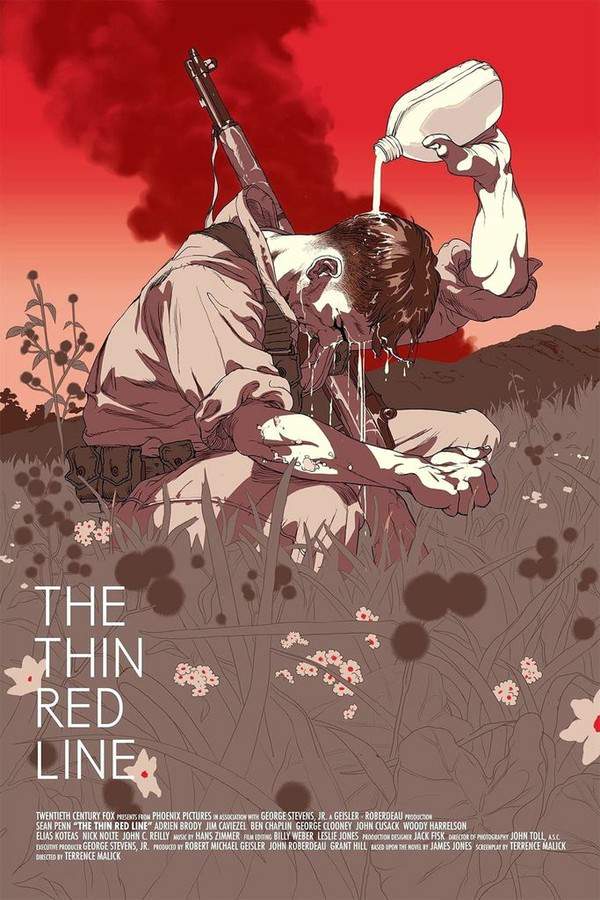
The Thin Red Line (1999) Plot Summary & Ending Explained
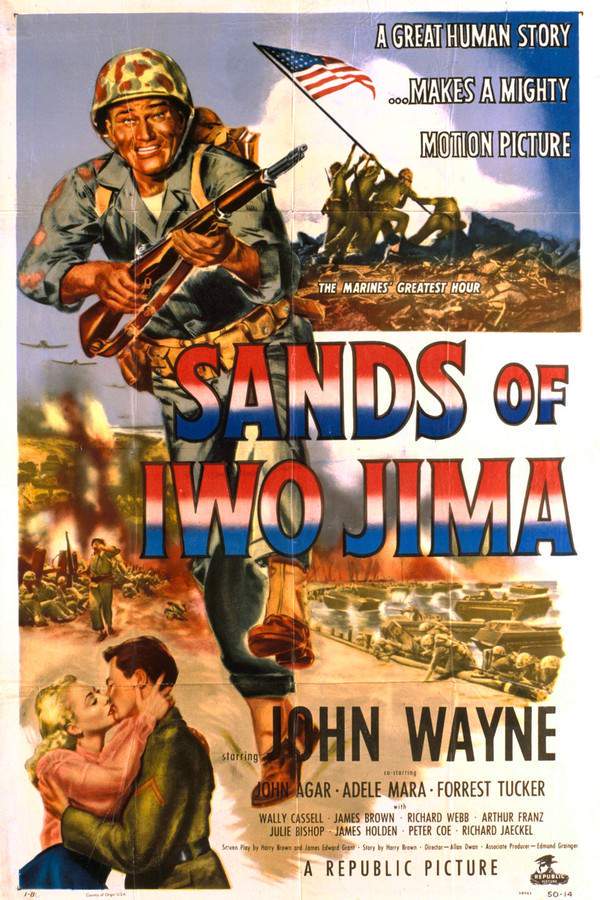
Sands of Iwo Jima (1950) Film Overview & Timeline
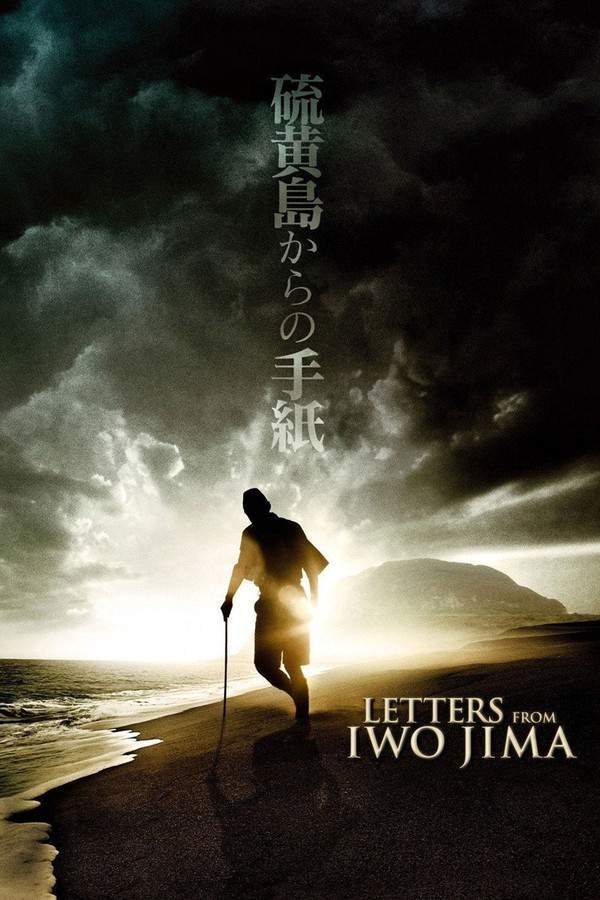
Letters from Iwo Jima (2006) Full Summary & Key Details
USS Indianapolis: Men of Courage (2016) Complete Plot Breakdown
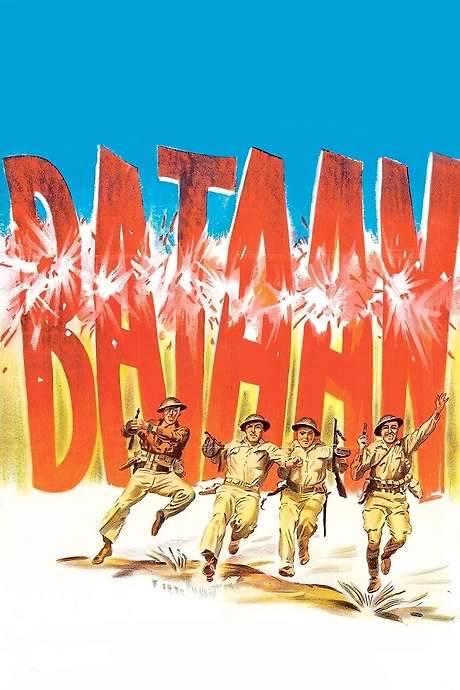
Bataan (1943) Ending Explained & Film Insights
So Proudly We Hail (1943) Ending Explained & Film Insights
Wake Island (1942) Plot Summary & Ending Explained
Tarawa Beachhead (1958) Ending Explained & Film Insights
Home of the Brave (1949) Complete Plot Breakdown
Beach Red (1967) Movie Recap & Themes
With the Marines at Tarawa (1944) Film Overview & Timeline
The Outsider (1961) Complete Plot Breakdown
To the Shores of Iwo Jima (1945) Full Summary & Key Details
Battle Cry (1955) Detailed Story Recap
Okinawa (1952) Detailed Story Recap