Plot Explained Spoilers guaranteed!
Plot Explained

Browse by genre

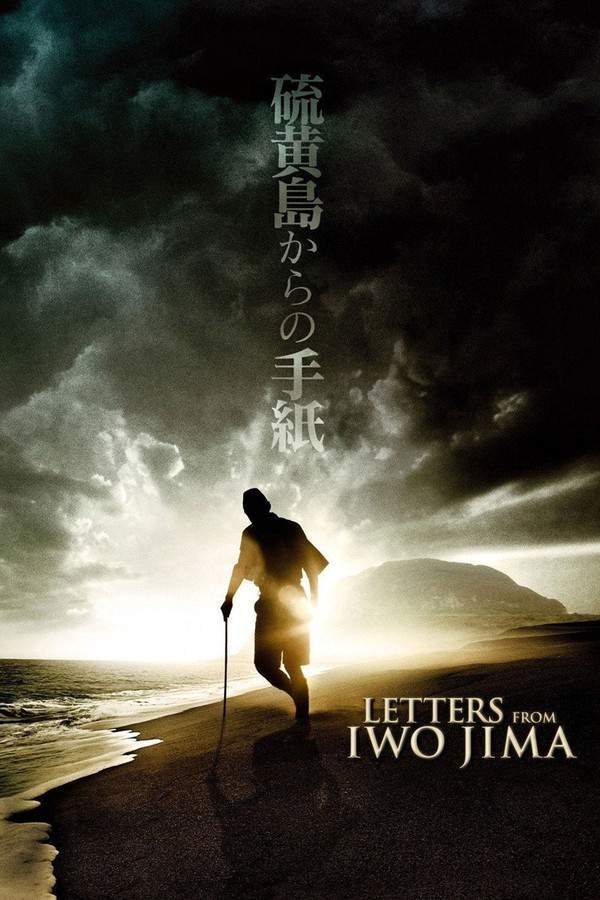
Letters from Iwo Jima (2006) movie poster

Plot Summary

Letters from Iwo Jima (2006) Plot Summary Explained

Release, runtime and language
2006 · 141 min · English
Starring
Ken Watanabe
Budget
$19M

During World War II's fierce battles for Iwo Jima, a collection of personal letters reveals the experiences of Japanese soldiers fighting against American forces. Among them are a baker, an Olympic athlete, and a young officer, each grappling with duty, honor, and the realities of war. Led by Lieutenant General Kuribayashi, the Japanese soldiers mount a determined defense, displaying remarkable courage and resilience in the face of overwhelming odds. The letters offer a moving glimpse into their lives and perspectives during this pivotal moment in history.

On this page (6)
  1. 1 Where to watch
  2. 2 What happens: full plot
  3. 3 Plot questions answered
  4. 4 Movie threads
  5. 5 Movies like Letters from Iwo Jima
  6. 6 Every angle

Where to watch

Where to Watch Letters from Iwo Jima (2006)

Where can you watch Letters from Iwo Jima? Stream, rent or buy it in the US, including on Amazon Video, Apple TV Store and Fandango At Home: current JustWatch availability with up-to-date prices.

Streaming availability powered by JustWatch

Full plot summary · contains spoilers

What Happens in Letters from Iwo Jima: Full Plot Summary

The whole story of Letters from Iwo Jima (2006) explained, from the opening scene to the final frame: every key event, every twist and what it all adds up to. Read it as a quick recap before the sequel, to check a scene you missed, or to finally understand what really happened.

In 2005, a group of Japanese archaeologists are on a quest, delving into the tunnels of Iwo Jima, where they unearth letters long buried beneath the soil. The narrative then shifts back to 1944, amidst the harrowing backdrop of war. Here we meet Private Saigo, a conscripted baker who finds himself at the mercy of his commanding officer Captain Tanida. After voicing a rather pragmatic opinion that perhaps it would be better to hand the island over to the Americans, Saigo is met with severe reprimand. Fortunately, the arrival of General Tadamichi Kuribayashi, portrayed by Ken Watanabe, interferes, as he takes command of the beleaguered garrison.

Kuribayashi learns shockingly from Colonel Baron Takeichi Nishi that the Japanese Combined Fleet, a critical source of support for the island, has been decimated. Faced with this grim reality, he immediately orders the garrison to begin constructing a series of tunnels for defense, despite protests from his subordinate officers regarding the absence of beach fortifications. In February 1945, the first wave of American air assaults begins, leading to a full-scale invasion where U.S. Marines land on the island.

In a moment of tactical ingenuity, Kuribayashi waits for the beach to be swarming with Marines before unleashing his men to open fire. Although the Marines suffer severe casualties, they quickly overcome the beach defenses, prompting the battle to shift to the labyrinthine tunnels beneath Mount Suribachi. A significant moment occurs when Saigo inadvertently overhears Colonel Adachi fervently pleading with Kuribayashi for permission to end his life, a request that Kuribayashi steadfastly denies.

Amidst the chaos, Adachi ultimately disregards the General’s orders, influencing his men to commit suicide. Under Tanida's command, soldiers resort to desperate measures, using hand grenades against their own bodies while Tanida himself chooses a tragic end. Meanwhile, Saigo persuades Shimizu, another soldier, that serving the Emperor requires them to continue fighting rather than surrender. They join a dwindling group of survivors, one of whom meets a horrific fate at the hands of a U.S. Marine wielding a flamethrower.

Their situation becomes increasingly dire when Lieutenant Ito, a fanatical Navy officer, threatens to execute them for their perceived cowardice. However, Kuribayashi intervenes, reproving Ito for such rashness and reiterating his orders to evacuate Mount Suribachi. In a moment of despair, Ito straps explosives to himself, intent on sacrificing himself amidst the battle.

As the scenario unfolds, Saigo boldly declares his intention to surrender, challenging Shimizu to arrest him for his actions. To his surprise, Shimizu reveals that he has been dishonorably discharged from the Kempeitai for not following a cruel command, which creates a bond of friendship between the two.

As the conflict escalates, Nishi suffers grave injuries and ultimately takes his own life when he finds himself isolated. In a desperate bid for survival, Shimizu and Saigo endeavor to surrender together, but their plans are thwarted when they are discovered. Shimizu is forced to surrender to an American patrol, which tragically results in his death as the guards, fearing escape, take fatal action against him and another Japanese prisoner.

Meanwhile, a desperate Lieutenant Ito surrenders, leaving Kuribayashi and his dwindling forces to face the overwhelming might of the Americans. After a final charge, Kuribayashi is critically wounded, and in a poignant moment, he orders his loyal aide, Fujita, to behead him to avoid capture. As Fujita is shot by a Marine sniper, Kuribayashi calls upon Saigo to bury him, ensuring that his body will not be recovered by the enemy.

In the film's heart-wrenching climax, Kuribayashi, finding an M1911 pistol given to him by a friend, questions, “Is this still Japanese soil?” to which Saigo affirms, “Yes, this is still Japan.” With sorrowful resolve, Kuribayashi takes his own life, leaving Saigo to drag him away for a respectful burial.

As the dust of battle settles, a Marine patrol stumbles upon the bodies of the fallen soldiers. In a moment of compassion, they choose not to kill Saigo, who is weak and despondent; instead, they carry him off to a POW camp. As he regains consciousness, Saigo reflects upon the setting sun over the island’s black sands, revealing a grim smile.

The narrative concludes with the archaeologists uncovering the letters that Saigo had so thoughtfully buried, encapsulating the lingering echoes of sacrifice and honor amid the ravages of war.

Last updated: November 03, 2024 at 20:22

Was this helpful?

Plot questions answered

Letters from Iwo Jima Plot Explained: Your Questions Answered

The questions people ask most about Letters from Iwo Jima (2006): what happens in the confusing scenes, why the characters do what they do, the twists, hidden details and what the ending means. Each answer contains spoilers.

Q1

Why does General Kuribayashi order tunnel construction instead of building beach defenses?

General Kuribayashi recognizes that American naval and air power would make beach fortifications suicidal. After learning from Colonel Nishi that the Japanese Combined Fleet has been destroyed, leaving the island without naval support, he understands they cannot win a direct confrontation. The tunnel network allows defenders to survive the initial bombardment and emerge to fight from hidden positions, inflicting maximum casualties before being overwhelmed.

Foreshadowing: Earlier, Kuribayashi's resistance to building beach fortifications puzzles his officers, but this decision proves crucial to the Japanese defense.

  • kuribayashi
  • iwo jima
  • tunnels
  • beach defense
  • japanese strategy
Q2

Why does Colonel Adachi ask to commit suicide and why does Kuribayashi deny it?

Colonel Adachi is overwhelmed by despair as the battle turns catastrophic and death seems inevitable. He pleads with Kuribayashi for permission to end his own life, likely viewing suicide as an honorable alternative to capture. Kuribayashi refuses, insisting that soldiers must continue fighting even in hopelessness, reflecting his belief that surrender or suicide without orders is dishonorable.

Foreshadowing: Adachi's plea occurs shortly after the American invasion begins, showing the psychological toll before the final desperate stages.

  • colonel adachi
  • suicide
  • kuribayashi
  • despair
  • iwo jima
Q3

Why do Japanese soldiers use grenades on themselves during the battle?

Under Captain Tanida's command, soldiers resort to suicide when capture becomes imminent. Tanida himself leads by example, choosing death over surrender. This reflects the Japanese military code of honor at the time, where capture was considered shameful. The desperate act symbolizes the complete breakdown of the Japanese defense and the soldiers' belief that death is preferable to surrender.

Foreshadowing: Tanida's harsh treatment of Saigo earlier establishes his rigid adherence to military honor.

  • tanida
  • grenade suicide
  • japanese soldiers
  • iwo jima
  • honor
Q4

Why does Private Saigo decide to surrender?

Saigo, a conscripted baker rather than a career soldier, never fully embraces the rigid military code. After witnessing the massacre of his comrades and the futility of continued resistance, he openly declares his intention to surrender. His pragmatic view contrasts with the fanatical devotion of other soldiers, making surrender a logical choice for survival rather than an act of cowardice.

Foreshadowing: Saigo's early conflict with Captain Tanida over his pragmatic views establishes his willingness to question military orthodoxy.

  • saigo
  • surrender
  • iwo jima
  • baker
  • japanese soldier
Q5

Why is Shimizu killed after surrendering to American forces?

When Shimizu attempts to surrender to an American patrol alongside Saigo, they are discovered. The guards, fearing Shimizu might attempt escape or attack, kill him and another Japanese prisoner. This tragic outcome illustrates the brutal reality of war where surrendering soldiers were often viewed as potential threats, regardless of their actual intentions.

Foreshadowing: Saigo and Shimizu's plan to surrender together is dashed the moment they are discovered by American forces.

  • shimizu
  • surrender
  • death
  • iwo jima
  • american marines
Q6

Why does General Kuribayashi choose to kill himself?

After being critically wounded and facing imminent capture by advancing American forces, Kuribayashi refuses to be taken alive. He requests his aide Fujita to behead him, but when Fujita is shot by a sniper, Kuribayashi uses an M1911 pistol given by a friend to end his own life. His final words to Saigo, asking to be buried so his body won't be recovered by the enemy, reflect his determination to maintain honor even in death.

Foreshadowing: Kuribayashi's earlier order to deny soldiers' suicide requests contrasts with his own choice, showing his belief that leaders must set different standards.

  • kuribayashi
  • suicide
  • iwo jima
  • general
  • honor burial
Q7

Why do the American Marines spare Saigo's life?

When a Marine patrol discovers weakened and despondent Saigo among the bodies, they choose compassion over killing him. Recognizing his helpless state and possibly understanding he is a prisoner rather than a threat, they carry him to a POW camp. This act of mercy provides the film's bittersweet ending, showing that even enemies can show humanity.

Foreshadowing: Saigo's survival contrasts with the deaths of nearly all other Japanese soldiers, making his capture the narrative's hopeful thread.

  • saigo
  • marines
  • spare
  • captivity
  • pow camp
Q8

Why does Colonel Nishi commit suicide?

Colonel Baron Takeichi Nishi, a gold medalist in equestrian Olympics, suffers grave injuries and becomes isolated from his forces. Unable to continue fighting or escape, he chooses suicide to avoid capture, maintaining his honor as a former Olympic champion and military officer. His death represents the end of the Japanese command structure on Iwo jima.

Foreshadowing: Nishi's earlier delivery of the devastating news about the Combined Fleet's destruction sets the stage for the battle's hopelessness.

  • colonel nishi
  • suicide
  • olympic
  • iwo jima
  • injury
Q9

What is the significance of the letters being buried and later found?

Saigo buries the letters before or during the battle, preserving them as a testament to the soldiers' experiences and emotions. The 2005 archaeologists discovering these letters creates the framing device for the entire film, suggesting these documents survived as evidence of the soldiers' humanity, fears, and hopes. The letters serve as the film's emotional core, transforming individual deaths into enduring memory.

Foreshadowing: The film opens with archaeologists discovering the letters, establishing their importance before the story begins.

  • letters
  • buried
  • archaeologists
  • iwo jima
  • discovery
Q10

Why does Saigo bury General Kuribayashi?

In his final moments, Kuribayashi asks Saigo to bury him so his body won't be recovered by American forces. This act represents loyalty and respect between a general and his soldier. By burying the general, Saigo honors the man who showed pragmatism and humanity, allowing tunnel construction and denying suicide requests, rather than blindly pursuing hopeless battle.

Foreshadowing: Kuribayashi's earlier mercy toward soldiers creates the bond that makes Saigo willing to perform this final act.

  • saigo
  • kuribayashi
  • burial
  • loyalty
  • iwo jima
Q11

Why was Shimizu dishonorably discharged from the Kempeitai?

Shimizu reveals to Saigo that he was dishonorably discharged from the Kempeitai (military police) for refusing to follow a cruel command. This shared experience of defying authority creates a bond between him and Saigo. It also explains why Shimizu sympathizes with Saigo's surrender plan rather than condemning it, as he already understands the futility of blind obedience.

Foreshadowing: This backstory is revealed during Saigo and Shimizu's conversation about surrendering, showing their connection.

  • shimizu
  • kempeitai
  • dishonorable
  • discharge
  • cruel command
Q12

Why does Lieutenant Ito strap explosives to himself?

Lieutenant Ito, a fanatical Navy officer, threatens to execute Saigo and other soldiers for perceived cowardice. When Kuribayashi intervenes and orders evacuation, Ito becomes desperate. He straps explosives to himself intending a suicide attack against American forces, demonstrating the extreme measures some officers took rather than accept retreat or defeat.

Foreshadowing: Ito's fanaticism is established through his threats against soldiers who consider surrender.

  • lieutenant ito
  • suicide
  • explosives
  • iwo jima
  • fanaticism

Movie threads

More Movies Like Letters from Iwo Jima, by Mood & Story

Curated lists built around what makes Letters from Iwo Jima tick: the same mood, the same kind of story or the same emotional payoff. Each list explains why these movies belong together.

War from the other side like in Letters from Iwo Jima

Humanizing stories told from the viewpoint of historical adversaries. Movies like Letters from Iwo Jima that offer a humanizing look at historical conflicts through the perspective of the opposing side. If you were moved by the personal stories of Japanese soldiers, explore these similar war dramas that challenge conventional narratives.

  • somber
  • reflective
  • humanizing
  • tragic
  • historical
  • thought-provoking
  • Tone: melancholic, reflective, somber
  • Pacing: steady, character-driven
Why these movies?

The story pattern: This thread groups films that subvert the typical 'us vs. them' war narrative by focusing on the experiences, motivations, and humanity of characters traditionally portrayed as antagonists. The narrative often follows individuals grappling with duty, morality, and survival within a larger, often losing, conflict.

Why they belong together: These movies are grouped together because they share the powerful thematic focus on perspective-swapping and humanizing 'the other side'. They create a similar reflective, somber mood by exploring the universal human costs of war beyond national allegories.

Claustrophobic siege narratives like in Letters from Iwo Jima

Intense stories of groups trapped and pushed to their moral limits. If you liked the tense, confined desperation of Letters from Iwo Jima, discover more movies about claustrophobic sieges. These films capture the grim atmosphere of groups trapped and facing annihilation, highlighting leadership, sacrifice, and the psychological toll of war.

  • claustrophobic
  • grim
  • desperate
  • brutal
  • tragic
  • tense
  • Tone: grim, desperate, tragic
  • Pacing: steady, escalating tension
Why these movies?

The story pattern: Narratives in this thread follow a group isolated under extreme threat, often in a physically confined space. The story methodically charts their psychological decline, resource management, and internal dynamics as external pressures mount, leading to inevitable tragedy or pyrrhic survival.

Why they belong together: These films share a core experience of sustained, high-stakes tension within a confined setting. They evoke a similar grim, desperate, and claustrophobic mood, focusing on the breakdown of morale and the bonds formed under extreme duress.

If you liked this

Movies Like Letters from Iwo Jima

Similar movies to Letters from Iwo Jima: the same genre, themes or kind of story. Each one comes with its own plot summary, timeline and ending explained.

Browse all movie summaries

Every angle

Letters from Iwo Jima (2006) Explained: Plot, Timeline & Characters

Everything about Letters from Iwo Jima in one place: what happens in the plot summary, the timeline in chronological order, the characters and meaning and a spoiler-free summary. What's After the Movie adds the cast, box office and post-credit scenes.

Coming soon on iOS and Android

The Plot Explained Movie Summary App

Plot summaries, endings explained and timelines on your phone. Catch up on any movie in minutes, save your favorites and never miss a twist again.

Be the first to know when we launch. Your email stays private, always.

Learn more about the app