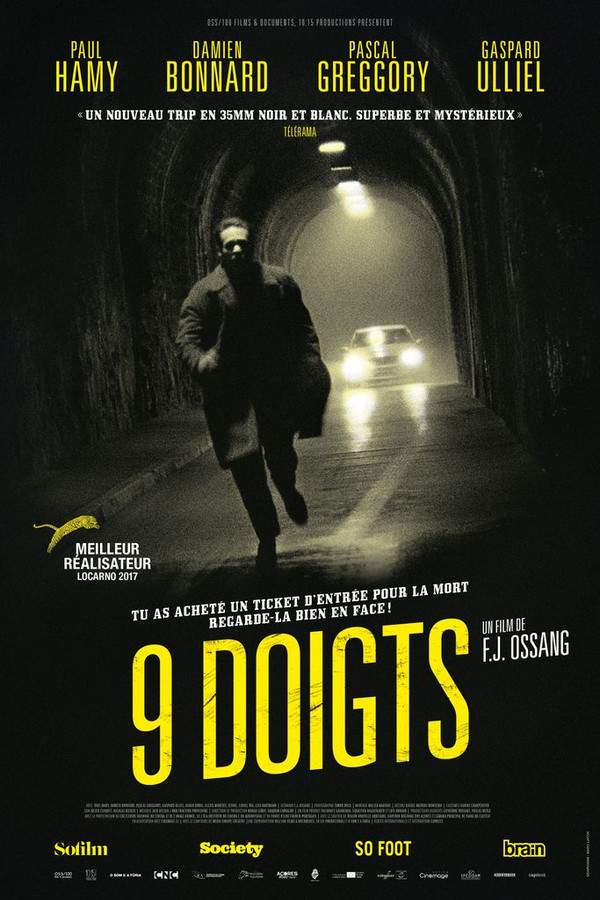
Martijn, Ryan Phillippe, a gifted Dutch jazz pianist, flies to Morocco to set up a food aid program but lands in a tense trap. Upon arrival, he and Gavin, his British-accented guide, Colm Meaney, are kidnapped by terrorists, blindfolded, and kept in an undisclosed location. The captors waste little time before they shoot Gavin and turn their attention to Martijn, subjecting him to a chilling, methodical interrogation aimed at uncovering the money behind the program. The questions are strategic and relentless, and Martijn is forced to reckon with the possibility that there is more to his mission than he understands.
As the tension escalates, the captors initiate a high-stakes game of chess between Martijn and Ahmat, Laurence Fishburne. Ahmat speaks of chess as a discipline of calculation rather than bluffing, and his calm, patient approach tests Martijn’s resolve. When Martijn refuses to divulge the source of the funds, he loses sequential rounds of the game and pays a brutal price: his first finger is severed in a clear message that resistance will be punished.
Aicha, Gina Torres, arrives to tend his wounds, and her presence adds another layer of complexity to the ordeal. Martijn’s instinctive suspicion that she is part of the ruse only grows as the interrogations continue, and he remains stubbornly silent about any names or relationships connected to the money. The tension spikes further when Aicha delivers another harsh consequence, cutting off Martijn’s second finger after he refuses to reveal more information.
The captivity deepens as Martijn wakes to find his hand bound in a vice, and Ahmat returns to feed him carefully chosen snippets of real-world news—Germany and Poland seeking labor deals, a deadly Israeli airstrike—intended to anchor Martijn in a broader political narrative. The captors push a theory that Martijn might be a CIA asset, all while a phone call he had made about a figure named Fikri adds fuel to the suspicion. Martijn’s defiance remains, and Aicha strikes again, taking his third finger as he holds firm under pressure. A moment of unexpected humanity follows: Aicha removes Martijn’s soiled clothes and gives him a bath, an attempt to remind him of ordinary humanity even as he endures extreme pain.
In the wake of those grueling sessions, Martijn recalls the life he left behind with his longtime girlfriend Saadia, a memory that surfaces repeatedly as a reminder of who he might be beyond the torture. The flashbacks intercut with the present agony, painting a stark contrast between the world he longs for and the brutal coercion he now faces.
The torture grows more severe, and Ahmat persists in trying to extract names and affiliations. Eventually Martijn concedes dangerous information: he reveals that he is involved in a plan to poison fast food, a plot with the potential to kill thousands. Before the truth can fully crystallize, Youseff, a man who has been filming Martijn, steps in and kills him, abruptly ending the immediate danger.
In a shocking reversal, Ahmat is unmasked as a CIA agent, and Gavin—thought to be dead—is revealed to be alive and, astonishingly, an American who had been working with Ahmat all along. With the truth laid bare, Ahmat and Aicha, revealed to be his girlfriend, step away from the moment, and the two share a drink while the camera pulls back to show the Statue of Liberty, hinting that their long, clandestine game has been played out in New York City all along. The film closes on a note that blends betrayal, manipulation, and a haunting sense of moral ambiguity, leaving the audience to question the lines between loyalty, ideology, and the costs of global conflicts.