Plot Explained Spoilers guaranteed!
Plot Explained

Browse by genre

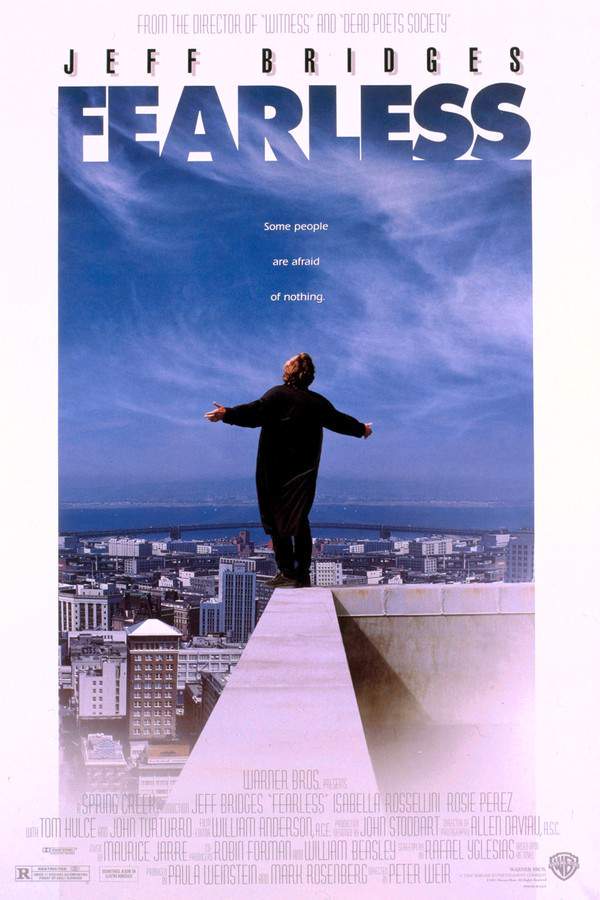
Fearless (2006) movie poster

Plot Summary

Fearless (2006) Plot Summary Explained

Release, runtime and language
2006 · 103 min · English
Loading streaming availability…
Directed by
Ronny Yu
Starring
Jet Li

This is the remarkable true story of Huo Yuanjia, a Chinese martial arts master. Facing national humiliation after China’s defeat in the First Sino-Japanese War, Huo vows to restore his country's pride through combat. He rises to prominence, defeating numerous foreign opponents and becoming a national hero. Driven by a strong sense of honor and patriotism, Huo eventually establishes the Jin Wu Sports Federation to promote Chinese martial arts and physical fitness.

On this page (6)
  1. 1 Where to watch
  2. 2 What happens: full plot
  3. 3 Plot questions answered
  4. 4 Movie threads
  5. 5 Movies like Fearless
  6. 6 Every angle
Loading streaming availability…

Full plot summary · contains spoilers

What Happens in Fearless: Full Plot Summary

The whole story of Fearless (2006) explained, from the opening scene to the final frame: every key event, every twist and what it all adds up to. Read it as a quick recap before the sequel, to check a scene you missed, or to finally understand what really happened.

Fearless, or as it's known in the UK and the US, Jet Li's Fearless, is a remarkable 2006 martial arts film from China and Hong Kong, masterfully directed by Ronny Yu and featuring the legendary Jet Li in the lead role. The film draws inspiration from the life of Huo Yuanjia, a prominent Chinese martial artist who co-founded the Chin Woo Athletic Association, a renowned martial arts school located in Shanghai. With roots in mizongyi, Huo is celebrated in Chinese history for his valiant triumphs over foreign fighters during a tumultuous period when the nation faced immense foreign imperialism, diminishing sovereignty, and encroaching concessions.

Set against the backdrop of the waning years of the Qing Dynasty—China's last imperial regime, which lasted from 1644 until 1912—the film intricately explores themes of national pride and resilience before the dawn of the Republic of China. In an interview, Li expressed that this film marked his final foray into wushu, which translates to "martial arts" in Chinese. Today, wushu has transitioned into an internationally recognized sport governed by the International Wushu Federation, a point cleverly highlighted in the film's promotions and advertisements.

The narrative unfolds with Huo Yuanjia engaging in fierce battles, successfully overcoming three formidable Western challengers: a British boxer, a Belgian lancer, and a Spanish fencer. Plagued by haunting guilt from his victories, Huo embarks on a soul-searching journey, fleeing Tianjin and wandering without purpose for several months. His fortunes change when he is rescured from drowning by Granny Sun and her visually impaired granddaughter, Yueci. Their compassion teaches Huo vital lessons on mercy and humankind.

By 1907, Huo returns to Tianjin, witnessing a city transformed. He seeks to make amends with the family of a fellow martial artist, Qin, and reconciles with Jinsun, who has ventured into business. The film escalates as Huo boldly challenges the American wrestler, Hercules O'Brien. During their intense match, Huo showcases his profound character by saving O'Brien from a near-fatal accident, earning O'Brien's respect and gratitude, ultimately being hailed the victor.

However, the foreign chamber of commerce reveals their trepidation regarding Huo's victories, fearing they could stir anti-foreign sentiments among the Chinese populace, leading to potential repercussions. On September 14, 1910, Huo continues his quest for honor by facing Tanaka. Their combat features a dramatic exchange of traditional weapons—Huo wields a sanjiegun while Tanaka brandishes a katana. In a gripping turn, the pair momentarily exchange their weapons, with Huo expertly adapting to the katana while Tanaka struggles with the sanjiegun. The first round concludes without a clear winner.

Before the next round commences, Huo unknowingly consumes poisoned tea orchestrated by the foreign chamber's affiliates, leading to his collapse. Acknowledging Huo's exemplary sportsmanship, Tanaka declares him the winner upon realizing that Huo's restraint spared his own life. In a poignant epilogue, Huo's spirit is depicted practicing wushu in a serene field while Yueci watches over him, hinting at a symbolic reunion between them, underscoring the film's themes of hope and redemption.

Last updated: November 03, 2024 at 23:26

Was this helpful?

Plot questions answered

Fearless Plot Explained: Your Questions Answered

The questions people ask most about Fearless (2006): what happens in the confusing scenes, why the characters do what they do, the twists, hidden details and what the ending means. Each answer contains spoilers.

Q1

Why did Huo Yuanjia feel guilty after defeating foreign fighters?

After defeating three Western challengers, a British boxer, a Belgian lancer, and a Spanish fencer, Huo experienced overwhelming guilt because his victories, while earning him national fame, also contributed to the humiliation of foreign fighters and potentially escalated tensions between Chinese and foreign communities during a volatile period of foreign imperialism.

  • guilt
  • foreign fighters
  • victory
  • shame
Q2

How did Huo meet Granny Sun and Yueci?

After leaving Tianjin in despair over his guilt, Huo wandered without purpose for several months until he nearly drowned in the wilderness. Granny Sun and her visually impaired granddaughter Yueci rescued him from drowning. Their compassion and kindness taught Huo important lessons about mercy and humanity, fundamentally changing his perspective on his martial arts journey.

  • rescue
  • drowning
  • Granny Sun
  • Yueci
  • mercy
Q3

Why did Huo save Hercules O'Brien during their match?

During his 1907 match against American wrestler Hercules O'Brien, Huo chose to save O'Brien from a near-fatal accident rather than exploit the opportunity to defeat him. This act demonstrated Huo's character growth beyond mere competition, showing that he valued sportsmanship and human life over winning, which ultimately earned O'Brien's deep respect.

  • Hercules O'Brien
  • save
  • match
  • sportsmanship
  • respect
Q4

How did Huo Yuanjia die?

On September 14, 1910, before the final round of his match with Japanese fighter Tanaka, Huo unknowingly consumed poisoned tea provided by affiliates of the foreign chamber of commerce. The poison caused him to collapse during the fight. Though Tanaka declared Huo the winner upon realizing his restraint had spared Tanaka's life, Huo died from the poisoning.

  • poisoned tea
  • Tanaka
  • death
  • 1910
  • foreign chamber
Q5

Why did Tanaka declare Huo the winner?

When Huo collapsed from the poisoned tea, Tanaka realized that Huo had shown remarkable restraint during their fight, particularly during the weapon exchange where Huo easily could have dealt a fatal blow but chose not to. Recognizing Huo's exemplary sportsmanship and character, Tanaka declared him the winner out of respect.

  • Tanaka
  • winner
  • respect
  • sportsmanship
  • declaration
Q6

What was the significance of the weapon exchange between Huo and Tanaka?

During their fight, Huo wielded a sanjiegun (three-section staff) while Tanaka used a katana. The two briefly exchanged weapons, Huo expertly adapted to the katana while Tanaka struggled with the sanjiegun. This moment demonstrated Huo's superior adaptability and martial arts mastery, proving his skill transcended any single weapon tradition.

  • sanjiegun
  • katana
  • weapon exchange
  • skill
  • adaptability
Q7

Why did the foreign chamber of commerce poison Huo?

The foreign chamber of commerce feared that Huo's growing popularity from defeating foreign fighters could stir anti-foreign sentiments among the Chinese populace and lead to social unrest. Rather than risk losing more matches or facing public backlash, they orchestrated the poisoning to eliminate Huo before his final match with Tanaka could further incite nationalistic feelings.

  • foreign chamber
  • poison
  • conspiracy
  • motive
  • fear
Q8

What happened between Huo and Qin's family?

When Huo returned to Tianjin in 1907, he sought to make amends with the family of Qin, a fellow martial artist who had died. The exact nature of their prior relationship isn't detailed in the summary, but Huo's attempt at reconciliation demonstrates his personal growth and desire to address past wrongs before his final battles.

  • Qin
  • reconciliation
  • family
  • apology
Q9

What is the Jin Wu Sports Federation?

The Jin Wu Sports Federation (Jin Wu Sports Federation) was established by Huo Yuanjia to promote Chinese martial arts and physical fitness throughout China. Founded during a time of national humiliation following China's defeat in the First Sino-Japanese War, the federation represented Huo's vision for restoring national pride through wushu and became a renowned martial arts school in Shanghai.

  • Jin Wu Sports Federation
  • martial arts
  • legacy
  • founded
Q10

What does the epilogue with Yueci represent?

The epilogue shows Huo's spirit practicing wushu in a serene field while Yueci watches over him. This symbolic scene represents Huo's eternal connection to martial arts and the transformative lessons he learned from Yueci and Granny Sun. It suggests a metaphorical reunion and underscores the film's themes of hope, redemption, and the lasting spiritual legacy Huo left behind.

  • epilogue
  • Yueci
  • spirit
  • field
  • redemption
Q11

Who were the three foreign fighters Huo defeated?

Huo Yuanjia defeated three formidable Western challengers in consecutive fights: a British boxer, a Belgian lancer, and a Spanish fencer. These victories established his reputation as a martial arts master and made him a national hero during a period when China faced significant foreign imperialism and national humiliation.

  • British boxer
  • Belgian lancer
  • Spanish fencer
  • victories
Q12

What motivated Huo Yuanjia to fight foreign opponents?

Huo was motivated by a strong sense of national pride and a desire to restore China's dignity following the nation's humiliation in the First Sino-Japanese War. He wanted to prove the strength of Chinese martial arts and lift his country's spirit during a time of foreign imperialism, diminishing sovereignty, and encroaching foreign concessions.

  • national pride
  • First Sino-Japanese War
  • motivation
  • patriotism

Movie threads

More Movies Like Fearless, by Mood & Story

Curated lists built around what makes Fearless tick: the same mood, the same kind of story or the same emotional payoff. Each list explains why these movies belong together.

Bittersweet Biographical Redemption stories like Fearless

True stories of fallen heroes who find purpose and leave a hopeful legacy. Explore movies like Fearless that tell true stories of redemption and legacy. If you liked Huo Yuanjia's journey from disgrace to becoming a national symbol, you'll appreciate these biographical dramas where personal sacrifice paves the way for a hopeful future.

  • historical
  • redemptive
  • prideful
  • melancholic
  • hopeful
  • spiritual
  • Tone: hopeful, melancholic, prideful
  • Pacing: steady, deliberate
Why these movies?

The story pattern: These stories follow a three-act structure of pride and success, a catastrophic fall leading to a spiritual crisis, and a final act of redemption focused on creating something lasting for others. The narrative arc emphasizes spiritual growth over simple victory.

Why they belong together: They are grouped by their shared focus on a historically-based character arc that balances personal tragedy with national or communal hope, creating a uniquely poignant and uplifting viewing experience.

Patriotic martial arts dramas similar to Fearless

High-stakes combat becomes a symbol of national pride and spiritual resilience. Find martial arts movies like Fearless where combat serves a higher purpose. These films combine intense action with themes of national identity, honor, and spiritual growth, perfect for viewers who enjoyed the patriotic fervor and hopeful tone of Huo Yuanjia's story.

  • patriotic
  • hopeful
  • intense
  • prideful
  • spiritual
  • honorable
  • Tone: patriotic, hopeful, intense
  • Pacing: steady
Why these movies?

The story pattern: The narrative revolves around a master fighter who uses their skill to defend their culture's honor against external threats. The physical battles are deeply symbolic, driving a story that explores themes of identity, resilience, and collective hope.

Why they belong together: They share a unique blend of high-intensity action with a profoundly hopeful and patriotic core, where the outcome of a fight carries the weight of a nation's spirit.

If you liked this

Movies Like Fearless

Similar movies to Fearless: the same genre, themes or kind of story. Each one comes with its own plot summary, timeline and ending explained.

Browse all movie summaries

Every angle

Fearless (2006) Explained: Plot, Timeline & Characters

Everything about Fearless in one place: what happens in the plot summary, the timeline in chronological order, the characters and meaning and a spoiler-free summary. What's After the Movie adds the cast, box office and post-credit scenes.

Coming soon on iOS and Android

The Plot Explained Movie Summary App

Plot summaries, endings explained and timelines on your phone. Catch up on any movie in minutes, save your favorites and never miss a twist again.

Be the first to know when we launch. Your email stays private, always.

Learn more about the app