Plot Explained Spoilers guaranteed!
Plot Explained

Browse by genre

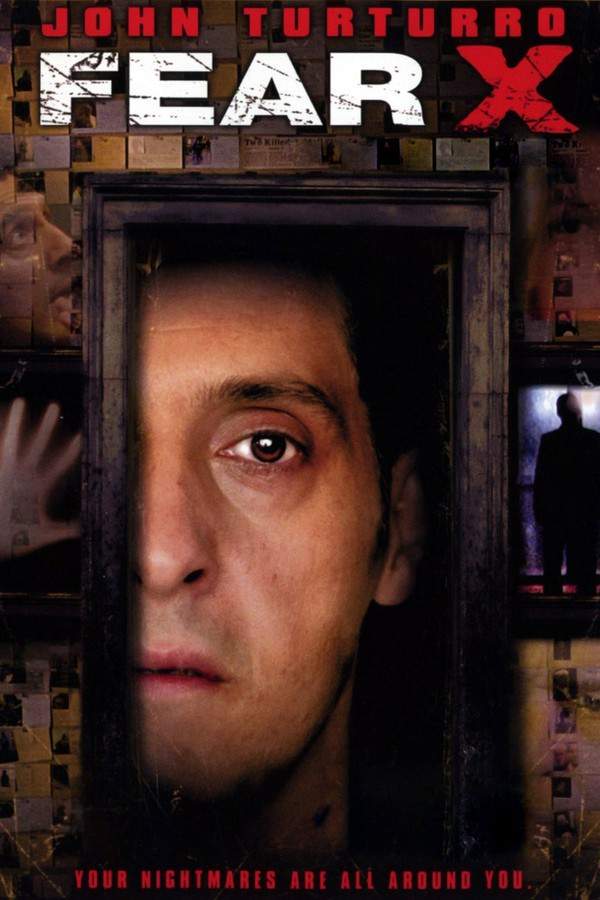
Fear X (2005) movie poster

Plot Summary

Fear X (2005) Plot Summary Explained

Release, runtime and language
2005 · English
JustWatch #12,960 11

A mild-mannered mall cop, Harry Caine, is devastated when his pregnant wife is murdered in a brutal attack. Driven by grief and a desperate need for answers, he becomes consumed with investigating her death. His relentless pursuit of the truth leads him down a disturbing path, revealing unsettling secrets within a wintry Montana town and blurring the lines between justice and obsession.

On this page (6)
  1. 1 Where to watch
  2. 2 What happens: full plot
  3. 3 Plot questions answered
  4. 4 Movie threads
  5. 5 Movies like Fear X
  6. 6 Every angle

Where to watch

Where to Watch Fear X (2005)

Where can you watch Fear X? Stream, rent or buy it in the US, including on Amazon Prime Video, Fawesome and Hoopla: current JustWatch availability with up-to-date prices.

Streaming availability powered by JustWatch

Full plot summary · contains spoilers

What Happens in Fear X: Full Plot Summary

The whole story of Fear X (2005) explained, from the opening scene to the final frame: every key event, every twist and what it all adds up to. Read it as a quick recap before the sequel, to check a scene you missed, or to finally understand what really happened.

Harry Caine, whose life has been irrevocably changed by the horrific murder of his pregnant wife, Claire, becomes obsessively determined to unveil the truth behind her tragic death at the very mall where he works as a security guard. As he navigates his sorrow, his coworkers rally around him, yet they begin to grow concerned about his increasingly aggressive behavior toward customers. The heaviness of his grief is compounded by relentless visions of Claire walking towards an empty house in his neighborhood, leaving him with a desperate thirst for answers.

The local police, sensing Caine's despair, bring him in for questioning and show him a blurry photograph of the suspect they believe to have committed the crime. Driven by an all-consuming need for the truth, Caine is given security footage by a sympathetic colleague, revealing a chilling moment: he witnesses the tragic murder of Claire unfold on screen.

With his fixation now transformed into a relentless pursuit for the truth, Caine becomes convinced that the empty house harbors secrets waiting to be discovered. Venturing inside, he stumbles upon a few scattered boxes, ultimately pilfering a roll of film, which he develops with meticulous care. The shocking photographs send him spiraling, featuring images from his own prior visit to Morristown, Montana – a significant location steeped in memories shared with Claire.

As Caine's resolve pushes him westward, he checks into a hotel that holds nostalgic significance to them both. His explorations of the places captured in the photos bring him to a modest diner, where he engages a waitress in conversation about a woman in the images, pretending to connect through a mutual acquaintance. However, his deception doesn't go unnoticed; a police officer, suspicious of his inquiries, records Caine's information as he probes into the nature of his visit.

This officer’s alert about Caine sets off a ripple effect: Peter, another officer, rushes home, anxious for his child's safety, heightened by Caine's mysterious interest in Morristown. As Peter's wife, who happens to be the woman in the photographs, questions him, he reveals Caine's connection to an old case and enlists her support in ensuring their child's protection. Simultaneously, Peter confides in superiors about Caine's presence, weaving a complex web of intrigue and deception.

As Peter's troubled history unfolds, it becomes evident that he is intricately involved in a covert law enforcement unit charged with eliminating corrupt officials across the nation. This clandestine life weighs heavily on him, as he grapples with the haunting memory of accidentally shooting Claire during a previous mission. When his superiors propose eliminating Caine, Peter, driven by a need for atonement, decides to confront the matter himself. Under the pretense of aiding Caine in finding the woman from the photographs, he lures him into another hotel room, where tension simmers between them.

As Caine starts to piece together the truth, suspecting that he’s face-to-face with his wife's killer, the atmosphere grows increasingly fraught. After a chaotic confrontation, Caine manages to escape, mirroring an ominous vision he had earlier—foreboding of fate unfolding. Battling blindly through pain and anger, he is unable to disregard the blood on his hands, which compels him to return and demand justice from Peter.

The harrowing realities of their brutal encounter come into clarity when Caine wakes up in a hospital bed at the police station, confessing to Peter’s murder. As an officer takes his statement, a mysterious call from the diner cop interrupts. With gnawing dread, Caine learns that no body or evidence has surfaced, heightening the sense of foreboding as he receives a cryptic warning that some events are irreversible.

Once released, Caine finds himself at a significant juncture, where the diner cop presents him with a new vehicle and his belongings. In a symbolic gesture of closure, he discards all remnants of his wife's murder, casting them aside as he drives away into an uncertain future.

As the credits roll, a mesmerizing mosaic appears on screen, fragmented into six rectangular views, providing varied perspectives captured by security cameras. These split visuals are thoughtfully arranged and occasionally remain frozen, reminiscent of time suspended. Among the scenes, two perspectives revisit the crime scene, evoking haunting memories of Harry's experience throughout the film. As the credits continue at a measured pace, the camera views maintain their position, interrupted only by fleeting glimpses of where lives were irrevocably changed.

In a striking concluding moment, the obligatory disclaimer is shown, followed by a hauntingly familiar scene—the murder of Caine’s wife, presented with chilling deliberateness, showcasing the killer's careful consideration before striking. This stark contrast to the earlier portrayal of accident lingers ominously in the viewer’s mind long after the screen fades to black.
Last updated: November 22, 2024 at 18:49

Was this helpful?

Plot questions answered

Fear X Plot Explained: Your Questions Answered

The questions people ask most about Fear X (2005): what happens in the confusing scenes, why the characters do what they do, the twists, hidden details and what the ending means. Each answer contains spoilers.

Q1

Why was Harry Caine's wife killed?

Claire was killed during a covert operation by Peter, a member of a secret law enforcement unit tasked with eliminating corrupt officials. The shooting was accidental, Peter unintentionally shot Claire while attempting to target someone else during a previous mission in Morristown. This tragic accident is what set Harry on his obsessive quest for truth.

  • claire death
  • peter
  • secret unit
  • accidental shooting
Q2

Who killed Claire in the movie?

Peter, a local police officer, was responsible for Claire's death. Though it was an accident during a covert operation gone wrong, Peter had been living with the guilt of accidentally shooting Claire. When Harry began investigating, Peter's superiors wanted Harry eliminated, but Peter chose to confront him personally instead.

Foreshadowing: The blurry suspect photo shown to Harry and Peter's nervous reaction when hearing about Harry's inquiries both hint at his connection to the murder.

  • peter
  • killer
  • murderer
  • claire's killer
Q3

What was Peter's secret background?

Peter was part of a clandestine law enforcement unit that operated outside official channels to eliminate corrupt officials across the nation. This covert operation explains why he had access to dangerous missions and why he was so desperate to keep his identity hidden. His dual life as a local police officer and covert operative weighed heavily on his conscience.

  • secret unit
  • corrupt officials
  • covert operation
  • peter's secret
Q4

How did Harry find the photographs?

Harry discovered the photographs by breaking into an empty house in his neighborhood that had been haunting him in visions. Inside, he found scattered boxes and stole a roll of film. He developed the film at home, revealing images from his previous visit to Morristown, Montana, photos that would eventually lead him to Peter and the truth.

Foreshadowing: Harry's recurring visions of Claire walking toward the empty house foreshadow his discovery of the crucial evidence inside.

  • photographs
  • film
  • empty house
  • evidence
  • morristown
Q5

Why did Peter approach Harry?

Peter approached Harry under the guise of helping him find the woman in the photographs, but his real intent was to handle the situation before his superiors sent other operatives. Driven by guilt over accidentally killing Claire, Peter wanted to confront Harry personally rather than have him eliminated. He lured Harry to a hotel room intending some form of confrontation or resolution.

Foreshadowing: Peter's anxiety about his child's safety after hearing about Harry's investigation hints at his willingness to take matters into his own hands.

  • peter
  • h confrontation
  • hotel room
  • confrontation
Q6

What happened at the end of Fear X?

After a violent confrontation, Harry escaped from the hotel room. He later woke up in a hospital bed and confessed to killing Peter, but officers told him no body or evidence was ever found. Harry was released, given his belongings by the diner cop, and drove away. The film ends with the security camera footage of Claire's murder shown again, revealing it as a deliberate killing rather than an accident, leaving the truth ambiguous.

Foreshadowing: Harry's earlier vision of himself escaping through a window with blood on his hands foreshadows the chaotic confrontation.

  • ending
  • no body
  • confession
  • escape
  • ambiguous ending
Q7

What was the significance of the empty house?

The empty house in Harry's neighborhood was where he had recurring visions of Claire walking toward it, symbolizing his desperate need for closure and answers. Inside, he found a roll of film containing photographs from his past trip to Morristown, the crucial evidence that connected his wife's death to Peter. The house represented the gateway to uncovering the truth.

Foreshadowing: The repeated visions of Claire heading toward the empty house serve as psychological foreshadowing of the evidence Harry would find there.

  • empty house
  • visions
  • evidence
  • claire
Q8

What do the security camera images at the end mean?

The ending shows the murder from six different security camera perspectives, suggesting the events have been recorded and observed from multiple angles. The fragmented views emphasize the film's themes of surveillance, memory, and the impossibility of fully escaping traumatic events. The final shot restages Claire's killing as deliberate rather than accidental, raising questions about whether the true story was intentionally concealed.

  • security cameras
  • split screen
  • ending
  • footage
  • perspective
Q9

How did Peter accidentally kill Claire?

Peter killed Claire during a covert operation in Morristown, Montana, while Harry and Claire were visiting together. During an attempt to eliminate a corrupt target, Peter's operation went wrong and he accidentally shot Claire. This tragedy haunted him, leading him to relocate and work as a local police officer while keeping his true background hidden.

  • accidental shooting
  • morristown
  • covert mission
  • claire death cause
Q10

Why did Peter want to help Harry instead of eliminating him?

Peter was consumed by guilt over accidentally killing Claire and wanted to atone for his crime. When his superiors ordered Harry's elimination, Peter insisted on handling it himself, likely hoping to confess or find another resolution. His personal stake in the matter, combined with his fear for his family's safety, drove him to confront Harry directly rather than ordering a clean hit.

Foreshadowing: Peter's visible distress when hearing about Harry's investigation and his rush home to protect his child reveal his内心的conflict.

  • guilt
  • atonement
  • peter motivations
  • conscience

Movie threads

More Movies Like Fear X, by Mood & Story

Curated lists built around what makes Fear X tick: the same mood, the same kind of story or the same emotional payoff. Each list explains why these movies belong together.

Movies like Fear X featuring a lone investigator

A single character obsessively chases the truth against a hostile system. If you liked the relentless, lonely investigation in Fear X, this thread features movies centered on solitary protagonists facing systemic opposition. These thrillers and dramas share themes of obsession, uncovering corruption, and the psychological toll of a one-person crusade for justice or truth.

  • obsessive
  • lonely
  • unsettling
  • paranoid
  • determined
  • melancholic
  • Tone: dark, tense, melancholic
  • Pacing: slow, methodical
Why these movies?

The story pattern: The narrative follows a protagonist, typically grieving, morally driven, or personally wronged, who launches a personal investigation. They face obstacles not just from the mystery itself, but from institutions meant to uphold justice. The story focuses on their psychological descent and the blurring lines between righteousness and dangerous obsession as they dig deeper.

Why they belong together: These films are grouped by their shared focus on a single character's obsessive journey against a larger, often corrupt, system. They create a specific mood of isolation, paranoia, and dogged determination, where the protagonist's internal struggle is as central to the plot as the external mystery.

Grief-fueled psychological thrillers like Fear X

Where profound loss distorts perception and reality becomes a nightmare. For viewers who appreciated the haunting, grief-stricken atmosphere of Fear X, this thread collects movies where a profound loss triggers a surreal and obsessive investigation. These films share a slow, atmospheric pace, a heavy emotional weight, and a dreamlike quality where the protagonist's reality is unreliable.

  • oppressive
  • melancholic
  • dreamlike
  • unsettling
  • anxious
  • surreal
  • Tone: dark, melancholic, dreamlike
  • Pacing: slow, atmospheric
Why these movies?

The story pattern: The story begins with a shattering personal loss that sends the protagonist on a search for meaning or closure. Their grief acts as a lens, distorting their perception of events. The plot unfolds in a non-linear or surreal manner, mixing real-world clues with symbolic visions and nightmares, leading to an ambiguous resolution that reflects their fractured mental state.

Why they belong together: This thread unites films that explore the psychological aftermath of trauma through a specific cinematic language. They share a dominant mood of oppressive melancholia, a slow pacing that mimics the weight of grief, and a complex narrative structure that mirrors a disturbed mind, prioritizing emotional atmosphere over straightforward plotting.

If you liked this

Movies Like Fear X

Similar movies to Fear X: the same genre, themes or kind of story. Each one comes with its own plot summary, timeline and ending explained.

Browse all movie summaries

Every angle

Fear X (2005) Explained: Plot, Timeline & Characters

Everything about Fear X in one place: what happens in the plot summary, the timeline in chronological order, the characters and meaning and a spoiler-free summary. What's After the Movie adds the cast, box office and post-credit scenes.

Coming soon on iOS and Android

The Plot Explained Movie Summary App

Plot summaries, endings explained and timelines on your phone. Catch up on any movie in minutes, save your favorites and never miss a twist again.

Be the first to know when we launch. Your email stays private, always.

Learn more about the app