Plot Explained Spoilers guaranteed!
Plot Explained

Browse by genre

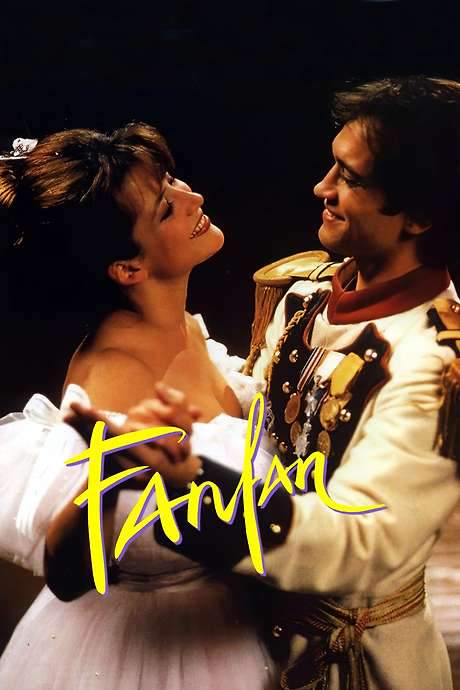
Fanfan (1993) movie poster

Characters & Themes

Fanfan (1993) Characters, Setting & Themes Explained

Release, runtime and language
1993 · 89 mins · French
Loading streaming availability…
Directed by
Alexandre Jardin
Starring
Vincent Perez, Bruno Todeschini, Sophie Marceau, Thierry Lhermitte, Arielle Sémenoff, Micheline Presle

After watching passion wane into routine relationships, Alexandre (Vincent Perez) believes romance dies when sex appears. To avoid this with his new lover, the alluring Fanfan (Sophie Marceau), he adopts a platonic approach, devising inventive, romantic outings. Yet Fanfan becomes frustrated by his refusal to be intimate, and their promising bond is jeopardized by Alexandre’s stubborn resistance to change.

On this page (8)
  1. 1 Where to watch
  2. 2 Characters explained (14)
  3. 3 Where & when it takes place
  4. 4 Themes & meaning (4)
  5. 5 Character & meaning questions
  6. 6 Movie threads
  7. 7 Movies like Fanfan
  8. 8 Every angle
Loading streaming availability…

14 main characters · contains spoilers

Fanfan Characters Explained: Who Is Who

The main characters of Fanfan (1993), heroes and villains: what drives them, how they change over the course of the story and what each of them reveals about the film's bigger ideas.

  • Alexandre (Vincent Perez)

    Disillusioned with Laure, he evasively maintains emotional ties with Fanfan while navigating a volatile love triangle. His plan to preserve passion through distance without true commitment reveals a fear of losing magic in relationships. He oscillates between desire and restraint, ultimately confronted by the consequences of his choices.

    • 💡 Antihero
    • 🧭 Reluctant lover
    • 🔒 Secrets
  • Laure (Marine Delterme)

    Alexandre’s fiancée whose idea of romance is materialized as a trivial gift; she fights to salvage the relationship by staging dramatic signals of devotion. Her manipulations—like pretending pregnancy—expose her desperation to secure a future with Alexandre. She embodies the tension between social expectations and genuine connection.

    • 💍 Fiancée
    • 💬 Social pressure
  • Fanfan (Sophie Marceau)

    Maude’s granddaughter and a student aspiring to be a perfumer; intelligent and passionate, she falls for Alexandre but is met with his ambivalence. She asserts her desire and resists being used as a mere fantasy, pushing for clear commitment. Her determination culminates in a precarious ultimatum that tests both lovers.

    • 🌸 Idealist
    • 💘 Love seeker
  • Ti (Gérard Séty)

    Friend to Alexandre and Maude who serves as a pragmatic voice amid romantic chaos. He offers grounded advice and foreshadows the consequences of evasive, self-protective behavior. His presence anchors the story in a steady, cautionary perspective.

    • 🧭 Voice of reason
  • Maude (Micheline Presle)

    Grandmother to Fanfan and host to Alexandre; a stabilizing figure who observes the entanglement with a mix of affection and skepticism. Her perspective adds emotional weight to the unfolding romance and the cost of deception.

    • 👵 Wise elder
  • Paul (Bruno Todeschini)

    A sculptor and Fanfan’s friend, whose presence at key moments intensifies Alexandre’s jealousy. He embodies artistic passion and serves as a contrasting romantic option that complicates the love triangle.

    • 🗿 Artist
    • 🫂 Rival
  • Le propriétaire (Jean-Marie Cornille)

    Owner of the apartment used in the couple’s private theatrics; his return interrupts their secret arrangements, highlighting the fragility of their escapist lies.

    • 🏢 Property owner
  • La mère de Laure (Arielle Sémenoff)

    Concerned with Laure’s future and the stability of marriage, her perspective underscores family pressures that shape Laure’s choices.

    • 👩‍👧 Family pressure
  • La mère de Fanfan (Béatrice Esterle)

    Mother to Fanfan, whose presence adds emotional investment and foreshadows possible consequences of the couple’s actions.

    • 👩‍👧 Family influence
  • Le père de Fanfan (Marcel Marchal)

    played by Marcel Maréchal

    Patriarchal figure whose demeanor contributes to the film’s themes of obligation, tradition, and expectation in love.

    • 👨 Family figure
  • Le père de Laure (Gérard Caillaud)

    Silent parental authority whose attitudes about marriage cast a shadow over Laure’s choices and Alexandre’s plans.

    • 👨 Family authority
  • Le président (Patrick Aubrée)

    A minor but symbolic figure whose presence hints at larger societal forces surrounding romance and reputation.

    • 🏛 Authority
  • Le vieux monsieur (Pierre Géral d? er?)

    played by Pierre Gérald

    A peripheral elder character who embodies traditional values and the passing of time in relationships.

    • 👴 Elder
  • Fanfan's sister (not named in cast data)

    Implied through events; her absence and the revelation of her sister’s death contribute to the emotional stakes around Fanfan’s choices.

    • 💬 Family loss

Last updated: October 04, 2025 at 17:42

Was this helpful?

Setting

Where and When Does Fanfan Take Place?

The setting of Fanfan (1993): the year and time period, the places and locations, and how they shape the characters, the mood and the tension of the story.

Time period

Location

Beach cottage, Abandoned house, Apartment, Television studio, Italy

The story shifts between a seaside beach cottage where Alexandre seeks clarity, an abandoned house where intimate conversations unfold, and a nearby apartment that becomes the arena for secretive dynamics. A glamorous television studio offers a fantastical moment set in an 1813 Vienna backdrop, underscoring the performative aspect of romance. The weekend trip to Italy provides a contrasting, emotionally charged locale that intensifies the lovers’ tension.

  • 🏖 Beach cottage
  • 🏚 Abandoned house
  • 🏢 Apartment
  • 🎥 Television studio
  • 🇮🇹 Italy trip

Last updated: October 04, 2025 at 17:42

Was this helpful?

4 major themes

Fanfan Meaning: Themes & Message Explained

What is Fanfan (1993) really about? The emotional, social and philosophical themes the film keeps returning to, its symbolism and the message beneath the surface.

  • Platonic Love

    Alexandre’s vow to keep their relationship purely emotional aims to preserve intensity without physical intimacy. The arrangement tests both partners, forcing them to confront what they truly want from each other. The film uses this dynamic to question whether longing can exist without closeness, and whether fear of commitment fuels self-deception.

  • Voyeurism and Illusion

    A two-way mirror turns private longing into observable spectacle, highlighting how perception can be controlled and manipulated. Alexandre’s spying blurs the line between care and control, turning love into a game of veiled surveillance. The device echoes the film’s broader tension between truth and performance.

  • Jealousy and Control

    Lies about pregnancy and calculated ultimatums expose how jealousy can drive deceit and coercion. The characters weaponize fear of losing the other to justify evasive behavior and emotional manipulation. This theme shows the corrosive effect of insecurity on genuine connection.

  • Performance and Romance

    Romance unfolds as a series of performances, from staged studio fantasies to real-life theatrics of commitment. The 1813 Vienna set in the TV sequence and the couple’s day-to-day acts reveal how people curate love to fit their desired narrative. The film treats desire as a form of theater where authenticity is constantly negotiated.

Last updated: October 04, 2025 at 17:42

Was this helpful?

Character & theme questions

Fanfan Characters & Meaning: Your Questions Answered

The questions people ask about Fanfan (1993): who the characters really are, their relationships, what the symbols mean, where it takes place and what the movie is really about. Each answer contains spoilers.

Q1

Where does the story of Fanfan take place?

The film is set across several locations that each serve a different emotional function. Alexandre retreats to a seaside beach cottage to think clearly about his relationship. Intimate conversations occur in an abandoned house, while a private apartment becomes the space for their secretive dynamics. A glamorous television studio provides a fantastical 1813 Vienna backdrop for a staged romantic moment. A weekend trip to Italy offers a contrasting, emotionally charged setting that intensifies the tension between the lovers.

  • beach cottage
  • abandoned house
  • italy
  • television studio
  • setting
  • locations
Q2

What time period is Fanfan set in?

The film does not specify a concrete historical era. The contemporary setting is suggested by the television studio scene and general modern aesthetics. However, the 1813 Vienna fantasy sequence within the TV show provides a deliberate contrast between historical romance and modern relationship dynamics.

  • time period
  • era
  • contemporary
  • 1990s
Q3

What does the film say about platonic love?

The film explores whether romance can exist without physical intimacy. Alexandre believes passion dies when sex enters a relationship, so he attempts to keep things purely emotional with Fanfan. This arrangement tests both partners and raises questions about whether longing can survive without closeness, and whether avoiding commitment is actually a form of self-deception.

  • platonic love
  • physical intimacy
  • emotional connection
  • commitment fear
Q4

How does voyeurism appear in Fanfan?

A two-way mirror becomes a central symbol, turning private longing into something observable. Alexandre's spying through this mirror blurs the line between caring for someone and controlling them, transforming love into a game of hidden surveillance. This device reinforces the film's broader tension between truth and performance in relationships.

  • voyeurism
  • two-way mirror
  • surveillance
  • illusion
  • control
Q5

What role does jealousy play in the story?

Jealousy drives significant deception in the narrative. Laure, Alexandre's fiancée, fabricates a pregnancy to manipulate him into staying. Fanfan issues a calculated ultimatum to force commitment. These acts of emotional manipulation expose how insecurity can corrode genuine connection, with characters using fear of loss as a weapon to control their partners.

  • jealousy
  • manipulation
  • pregnancy lie
  • ultimatums
  • insecurity
Q6

How is romance portrayed as performance in Fanfan?

Romance unfolds as a series of deliberate performances throughout the film. The 1813 Vienna television set represents staged fantasy, while the couple's daily interactions amount to theatrical acts of commitment. The film presents desire as a form of theater where people constantly curate their love to fit a desired narrative, constantly negotiating authenticity.

  • performance
  • theater
  • romance
  • staging
  • authenticity
  • fantasy
Q7

Who is Alexandre in Fanfan?

Alexandre is the male lead, played by Vincent Perez, who becomes involved with Fanfan while still engaged to Laure. He believes romance loses its magic once physical intimacy enters the picture, so he attempts to preserve passion through emotional distance without true commitment. His fear of losing the spark leads him to oscillate between desire and restraint, ultimately facing consequences for his evasive approach.

  • alexandre
  • vincent perez
  • main character
  • fear of commitment
Q8

Who is Fanfan in the movie?

Fanfan, played by Sophie Marceau, is Maude's granddaughter and a student training to become a perfumer. She is intelligent and passionate, falling for Alexandre but encountering his emotional ambivalence. She pushes for clear commitment rather than being treated as a fantasy, eventually issuing a high-stakes ultimatum that tests whether their relationship can survive his resistance to intimacy.

  • fanfan
  • sophie marceau
  • perfumer
  • granddaughter
  • ultimatum
Q9

Who is Laure in Fanfan?

Laure is Alexandre's fiancée, portrayed by Marine Delterme. She represents a more conventional approach to romance, seeking stability and future security. Desperate to keep Alexandre, she resorts to dramatic gestures including staging a fake pregnancy. Her manipulations highlight the tension between social expectations of marriage and genuine emotional connection.

  • laure
  • fiancee
  • pregnancy lie
  • manipulation
Q10

Who is Paul in Fanfan?

Paul is a sculptor and friend to Fanfan, played by Bruno Todeschini. His presence at key moments in the story intensifies Alexandre's jealousy, serving as a contrasting romantic option. He embodies artistic passion and represents the path of direct emotional pursuit, which contrasts sharply with Alexandre's evasive behavior.

  • paul
  • sculptor
  • love triangle
  • romantic rival
Q11

What is the tone of Fanfan?

The film maintains a predominantly bittersweet tone, balancing serious themes of disillusionment and fear with comedic and whimsical elements. The humor emerges from romantic set-pieces like the Italian costume scene and the television studio fantasy. The emotional weight stays medium, the underlying concerns are genuine, but they're presented within an accessible, often playful framework.

  • tone
  • bittersweet
  • comedy
  • romance
  • humor
Q12

Is the ending of Fanfan happy or sad?

The ending remains intentionally ambiguous. While there appears to be a breakthrough in the relationship, it is immediately complicated by a new challenge, winning Fanfan back by morning. This uncertainty reinforces the film's central question of whether perfect, sustained romance is truly achievable, leaving viewers to interpret whether the couple ultimately succeeds.

  • ending
  • ambiguous
  • resolution
  • happy ending

Movie threads

More Movies Like Fanfan, by Mood & Story

Curated lists built around what makes Fanfan tick: the same mood, the same kind of story or the same emotional payoff. Each list explains why these movies belong together.

Movies about bittersweet romantic idealism like Fanfan

Stories where characters chase perfect love, creating beautiful frustration. Discover more movies like Fanfan that explore the tension between idealized love and real relationships. If you enjoyed the bittersweet comedy of a character refusing intimacy to preserve a perfect romance, you'll find similar reflective and yearning stories here.

  • romantic
  • melancholic
  • frustrating
  • reflective
  • yearning
  • quirky
  • Tone: bittersweet, whimsical
  • Pacing: steady, character-driven
Why these movies?

The story pattern: Narratives in this thread typically revolve around one character's staunch adherence to a romantic ideal—often platonic or highly ritualized—that clashes with their partner's desire for a conventional, physically intimate relationship. The story unfolds through a series of inventive romantic gestures and escalating confrontations, pushing the relationship to an emotional ultimatum and often an ambiguous resolution about the sustainability of such ideals.

Why they belong together: These movies are grouped by their core exploration of romantic idealism clashing with reality. They share a bittersweet tone, medium emotional weight, and a focus on the psychological intricacies of love rather than external plot drama. The central conflict creates a specific, reflective mood of hope mixed with frustration.
Movies about relationship stagnation and ultimatums like Fanfan

Intimate dramas where love is tested by fear and refusal to change. Find more films like Fanfan that delve into the frustrating stalemate of a relationship threatened by one partner's fears. If you were captivated by the emotional ultimatum and themes of stagnation in Fanfan, these stories explore similar dynamics of love being jeopardized by a refusal to evolve.

  • frustrating
  • reflective
  • intimate
  • tense
  • melancholic
  • hopeful
  • Tone: bittersweet, reflective
  • Pacing: steady, conversational
Why these movies?

The story pattern: The narrative pattern involves a promising relationship that hits a wall due to one character's psychological block. This stagnation is challenged not by external events but by the other partner's growing frustration, leading to a high-stakes confrontation. The story is driven by intimate dialogue and emotional friction, focusing on whether fear can be overcome or if the relationship will dissolve.

Why they belong together: These films share a core focus on the internal dynamics of a couple in crisis, specifically the pattern of stagnation leading to an ultimatum. They possess a medium intensity driven by emotional conflict, a steady pacing that allows for character depth, and an ending that often remains purposefully ambiguous about the relationship's fate.

If you liked this

Movies Like Fanfan

Similar movies to Fanfan: the same genre, themes or kind of story. Each one comes with its own plot summary, timeline and ending explained.

Browse all movie summaries

Every angle

Fanfan (1993) Explained: Plot, Timeline & Characters

Everything about Fanfan in one place: what happens in the plot summary, the timeline in chronological order, the characters and meaning and a spoiler-free summary. What's After the Movie adds the cast, box office and post-credit scenes.

Coming soon on iOS and Android

The Plot Explained Movie Summary App

Plot summaries, endings explained and timelines on your phone. Catch up on any movie in minutes, save your favorites and never miss a twist again.

Be the first to know when we launch. Your email stays private, always.

Learn more about the app