Plot Explained Spoilers guaranteed!
Plot Explained

Browse by genre

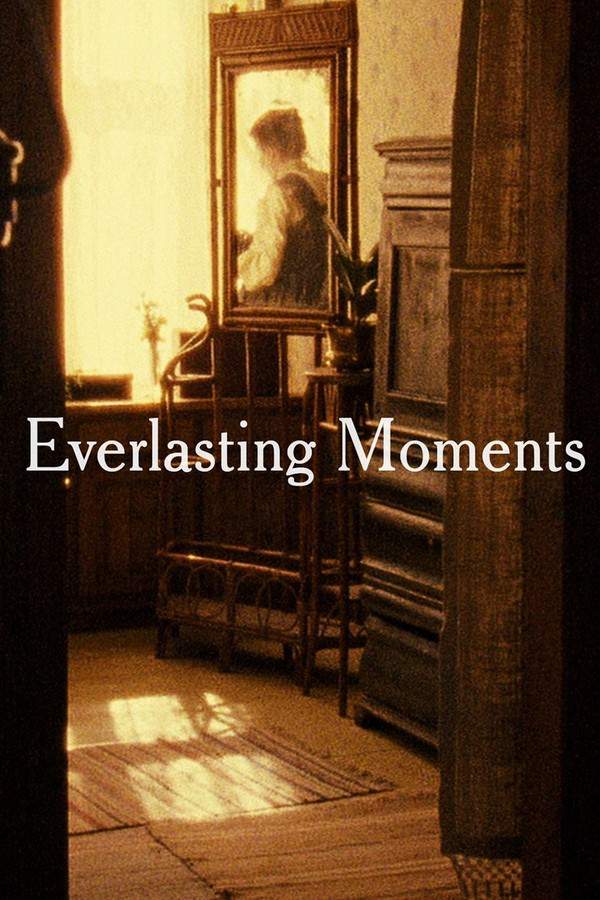
Everlasting Moments (2009) movie poster

Timeline

Everlasting Moments (2009) Timeline Explained – Every Event in Order

Release, runtime and language
2009 · 131 min · Finnish
Loading streaming availability…
Directed by
Jan Troell

In early 1900s Sweden, Maria, a woman living on the fringes of society, unexpectedly wins a lottery. This windfall allows her to purchase a camera, through which she begins to see the world in a new light and capture the beauty surrounding her. She connects with the eccentric photographer known as "Piff Paff Puff," but her newfound freedom and artistic pursuits create conflict with her husband, who struggles with her independence.

On this page (6)
  1. 1 Where to watch
  2. 2 Events in order (16)
  3. 3 Timeline questions answered
  4. 4 Movie threads
  5. 5 Categories
  6. 6 Every angle
Loading streaming availability…

16 events in order · contains spoilers

Everlasting Moments Timeline: Events in Chronological Order

Every key event of Everlasting Moments (2009) in order, scene by scene, with when and where it takes place. Use it to untangle flashbacks, time jumps and parallel storylines, to refresh your memory before the sequel or to find the exact scene you are thinking of.

  1. Winning the Lottery

    Maria, a Finnish woman living in Sweden, wins a priceless Contessa camera in a lottery. She shares this fortune with Sigfrid Larsson, whom she agrees to marry, marking the beginning of their life together.

  2. Beginning of Family Life

    Maria and Sigfrid soon establish a large and bustling family. Their life together sets the stage for the joys and challenges they will face in the early 1900s.

  3. A Trip to the Shop

    Maria visits a shop run by Sebastian Pedersen, a Danish-Swede, where she hopes to sell the Contessa camera. Mr. Pedersen takes her photograph and piques her interest in photography.

    Where
    Sebastian Pedersen's shop
  4. A Growing Interest

    As Maria returns to the shop, she discovers an unexpected talent for photography. Mr. Pedersen shares insights about the art, deepening Maria's curiosity about capturing moments.

    Where
    Sebastian Pedersen's shop
  5. Gift of Equipment

    Mr. Pedersen gifts Maria with updated photography equipment in exchange for her Contessa camera. Although Maria lacks cash, he allows her to keep using the camera as she begins her photography journey.

  6. Documenting Life

    Maria starts documenting her children's lives through photography, keeping it a secret from Sigfrid. This newfound passion helps her express her creativity amidst her familial responsibilities.

  7. Post-Mortem Photography

    Maria uses her skills for post-mortem photography on a girl named Ingeborg, giving a copy to the grieving mother. This act demonstrates her compassion and deep understanding of loss.

  8. Labor Strike Explosion

    An explosion during a labor strike leads to injuries and tragedy, resulting in the brief arrest of Sigfrid. Maria's quick action and a witness statement clear his name, reinforcing their bond.

  9. World War I Approaches

    As World War I looms in 1914, Maria returns to Mr. Pedersen's shop to discuss photographing soldiers. This visit marks a significant moment as they reconnect after years apart.

    When
    1914
    Where
    Sebastian Pedersen's shop
  10. Photographing Monarchs

    During a gathering of Scandinavian monarchs discussing neutrality, Maria captures their public appearance. She is thrilled to find out that her photograph is published in a newspaper.

  11. Children's Discovery

    As Maria's children learn about the Ten Commandments, they start to notice Sigfrid's infidelities and Maria's growing friendship with Mr. Pedersen, adding tension to the family dynamics.

  12. Confrontation with Sigfrid

    After uncovering a portrait of Maria captured by Mr. Pedersen, Sigfrid confronts her in anger. This confrontation escalates into violence, revealing the cracks in their marriage.

  13. Tragic Events

    Following a brutal episode, Maria faces the harrowing aftermath, including an attempt at self-abortion and the subsequent illness of their newborn son. These events drive Maria deeper into despair.

  14. A Family Bond

    Amid the turmoil, Maria and her children find joy in a Charlie Chaplin film, offering brief relief from their difficult lives. However, Sigfrid's jealousy increases, resulting in violence.

  15. Maria's Untimely Death

    Not long after a seemingly normal social outing, tragedy strikes as Maria passes away unexpectedly. Her death leaves a profound impact on her family and reflects the fragility of life.

  16. Discovery of the Self-Portrait

    Years later, Maja discovers her mother’s only self-portrait, which encapsulates the poignant moments from their lives. This pivotal moment serves as a reminder of Maria's spirit and struggles.

Last updated: November 16, 2024 at 15:31

Was this helpful?

Timeline questions answered

Everlasting Moments Timeline Explained: Your Questions Answered

When does it happen, and why in that order? The questions people ask about the chronology of Everlasting Moments (2009): time jumps, flashbacks, cause and effect between scenes and the correct order of events, each answered with spoilers.

Q1

Why did Maria agree to marry Sigfrid after winning the camera?

Maria won a priceless Contessa camera in a lottery alongside a man named Sigfrid Larsson. To share in the fortune, they agreed to marry each other. Maria was a Finnish woman living on the fringes of Swedish society, and the marriage provided her with stability and a family, though their relationship would later become troubled.

Foreshadowing: The lottery win sets the entire narrative in motion, establishing how Maria gains access to the camera that transforms her life.

  • lottery win
  • contessa camera
  • marriage
  • sigfrid
Q2

How did Maria become interested in photography?

Maria initially visited Sebastian Pedersen's shop hoping to sell the Contessa camera. Mr. Pedersen took her photograph before providing an estimate, and when Maria saw the picture, she was astonished and became curious about photography. He explained basic concepts and eventually gifted her updated equipment in exchange for the Contessa, allowing her to keep using the camera.

Foreshadowing: Mr. Pedersen's gift of equipment marks the beginning of Maria's transformation from someone wanting to sell the camera to a passionate photographer.

  • photography
  • sebastian pedersen
  • camera
  • artistic discovery
Q3

Why did Maria start doing post-mortem photography?

Maria used her photography skills to take a memorial photograph of a young girl named Ingeborg who had died. She gave a copy to the grieving mother free of charge. This act demonstrated Maria's compassion and understanding of loss, and it impressed Mr. Pedersen so much that he accepted the photograph as payment for the camera equipment she owed him.

Foreshadowing: Maria's empathy and talent for capturing meaningful moments foreshadows her later work as a documentarian of significant historical events.

  • post-mortem photography
  • ingeborg
  • memorial photograph
Q4

Why was Sigfrid arrested during the labor strike?

An explosion occurred during a labor strike, resulting in injuries and a death. Authorities briefly arrested Sigfrid as a suspect, likely because of his involvement or presence at the strike. Maria showed the police a picture of the children, and a witness later came forward to clear Sigfrid of the accusations.

Foreshadowing: This incident demonstrates Maria's loyalty to Sigfrid despite their growing marital problems, and it temporarily strengthens their bond.

  • labor strike
  • explosion
  • arrest
  • sigfrid
Q5

How did Maria's photograph of the kings get published in a newspaper?

In 1914, as World War I approached, Scandinavian monarchs gathered to strategize remaining neutral. Maria captured their public appearance in a photograph. She was astounded to discover that a newspaper had purchased and published her photo of the kings, marking the first time her work received public recognition.

Foreshadowing: This publication represents Maria's transition from hobbyist to recognized photographer, fulfilling her artistic potential.

  • monarchs
  • newspaper publication
  • wwi
  • photographer recognition
Q6

Why did Sigfrid become violent toward Maria?

Sigfrid's violence stemmed from his jealousy and insecurity about Maria's growing independence and artistic pursuits. When he discovered a portrait of Maria taken by Mr. Pedersen, he confronted her in rage, accusing her of infidelity despite his own infidelities that the children had discovered. The confrontation escalated to physical violence, including marital rape.

Foreshadowing: The children's earlier discovery of both Sigfrid's infidelities and Maria's growing relationship with Mr. Pedersen sets the stage for this explosive confrontation.

  • domestic violence
  • jealousy
  • infidelity
  • confrontation
Q7

What happened to Maria after the self-abortion attempt?

Following the brutal attack by Sigfrid, Maria attempted to self-abort her pregnancy. The aftermath was tragic, their newborn son was afflicted with polio as a result. Maria's desperate act highlights the desperation and despair she experienced in her trapped situation.

Foreshadowing: This tragic consequence deepens Maria's suffering and the film's melancholic tone, showing the devastating effects of the abusive relationship.

  • self-abortion
  • polio
  • newborn
  • tragedy
Q8

Why did Maria stay with Sigfrid despite the abuse?

Maria remained in the marriage despite Sigfrid's violence, though the film suggests this was complicated. During his prison sentences, her children encouraged her to leave, believing they would fare better without him. However, when Sigfrid reconciled with Maria after his release, their daughter Maja struggled to understand this decision. The film portrays the complex, trapped nature of Maria's situation.

Foreshadowing: Maria's choice to stay reflects the era's limited options for women and the complexity of abusive relationships.

  • domestic abuse
  • marriage
  • family dynamics
  • maja
Q9

How did Maria die in the movie?

Not long after a seemingly normal social outing, Maria passed away unexpectedly. Her death was sudden and tragic, leaving a profound impact on her family. The film presents this as a poignant reflection of the fragility of life, especially for someone who had experienced so much hardship.

Foreshadowing: Maria's death occurs relatively quickly after a happy family moment, emphasizing the film's themes of loss and the unpredictability of fate.

  • maria death
  • tragic ending
  • family loss
Q10

What was the significance of Maria's self-portrait that Maja found?

Years after Maria's death, her daughter Maja discovered her mother's only self-portrait. This photograph encapsulated the poignant moments between their last social outing and Maria's untimely death. The self-portrait served as a lasting legacy of Maria's artistic spirit and struggles, providing closure and a tangible connection to her mother's inner life.

Foreshadowing: The self-portrait represents Maria's final artistic statement, the culmination of her journey from lottery winner to passionate photographer.

  • self-portrait
  • maja
  • legacy
  • artistic expression

Movie threads

More Movies Like Everlasting Moments, by Mood & Story

Curated lists built around what makes Everlasting Moments tick: the same mood, the same kind of story or the same emotional payoff. Each list explains why these movies belong together.

Films About Art as Solace Like Everlasting Moments

Stories where creative expression becomes a lifeline amid painful circumstances. For viewers seeking similar films where characters use art to cope with hardship. These movies often share a reflective, melancholic tone and explore how creative expression can provide meaning in difficult lives, much like 'Everlasting Moments'.

  • melancholic
  • reflective
  • tender
  • oppressive
  • tragic
  • hopeful
  • Tone: melancholic, bittersweet, reflective
  • Pacing: slow, character-driven
Why these movies?

The story pattern: Narratives in this thread follow a character trapped in a difficult or oppressive situation—often domestic or societal—who discovers an artistic medium. Their engagement with this art form becomes a central conflict, a source of personal freedom, and a way to process their pain, often leading to a bittersweet resolution where the art endures even if the circumstances don't fully improve.

Why they belong together: These films are grouped by their shared exploration of art as a tool for survival and self-discovery. They blend heavy emotional themes with a tender, often melancholic atmosphere, creating a specific mix of pain and beauty that resonates with viewers interested in profound character-driven stories.


Slow Burn Period Dramas with Emotional Weight Like Everlasting Moments

Character-focused historical stories with heavy emotional depth and a measured pace. For viewers looking for quiet historical dramas similar to 'Everlasting Moments'. These films focus on nuanced character portraits, often of women navigating societal constraints, with a slow pace and a powerful, melancholic emotional core.

  • nostalgic
  • quiet
  • reflective
  • oppressive
  • tender
  • tragic
  • Tone: melancholic, nostalgic, poignant
  • Pacing: slow, immersive
Why these movies?

The story pattern: The narrative pattern involves a detailed, often nostalgic, recreation of a past era that serves as a backdrop for a deeply personal story. The plot unfolds gradually, focusing on the protagonist's internal struggles, relationships, and subtle acts of defiance or resilience against the norms of their time. The historical context amplifies the personal conflicts rather than dominating them.

Why they belong together: These movies share a specific combination of a historical setting, a slow and deliberate pacing, and a focus on emotional realism. They create a cohesive vibe that is immersive, reflective, and heavy, appealing to viewers who appreciate meticulous character development and atmospheric storytelling over fast-paced action.

Categories

Movie Lists Featuring Everlasting Moments

Everlasting Moments appears in these hand-built movie categories. Each one groups movies by a specific mood, theme or story type, with their plot summaries and endings explained.

View all movie categories

Every angle

Everlasting Moments (2009) Explained: Plot, Timeline & Characters

Everything about Everlasting Moments in one place: what happens in the plot summary, the timeline in chronological order, the characters and meaning and a spoiler-free summary. What's After the Movie adds the cast, box office and post-credit scenes.

Coming soon on iOS and Android

The Plot Explained Movie Summary App

Plot summaries, endings explained and timelines on your phone. Catch up on any movie in minutes, save your favorites and never miss a twist again.

Be the first to know when we launch. Your email stays private, always.

Learn more about the app