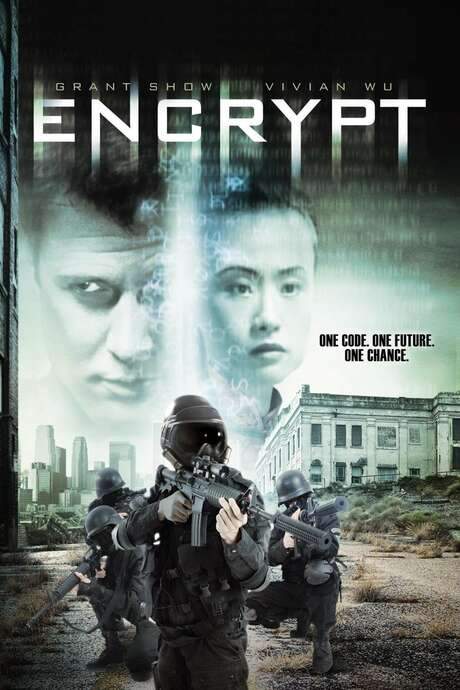
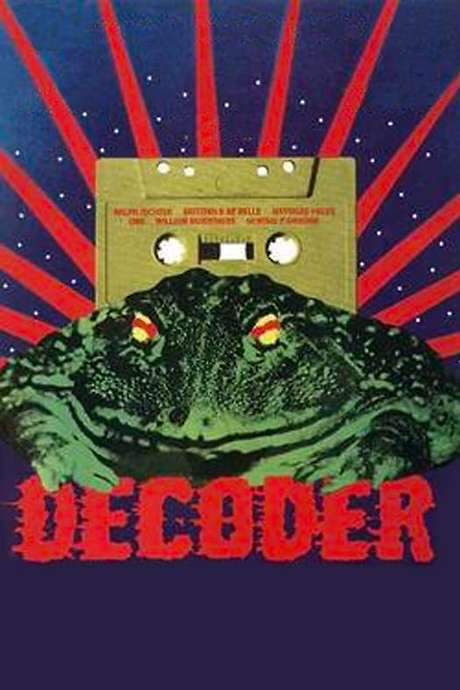
In the year 2068, the sky itself has become a memory. The ozone layer’s collapse turned the planet into a harsh, cracked desert where every breath feels borrowed. Scavengers and the few organized enclaves that remain cling to remnants of a culture that once celebrated art, science, and hope. The world moves under a low, perpetual hum of salvaged machinery and the distant echo of forgotten storms, giving the film a brooding, atmospheric tone that mixes grit with a lingering sense of wonder about what might still be saved.
Amid this desolation stands a towering, seemingly impregnable estate—a relic of the old world now fortified by a sophisticated autonomous defense network named “Encrypt.” The system watches the grounds with cold, calculated precision, turning the estate into a fortress of light and code. Its very presence suggests that some treasures, both material and symbolic, are still worth protecting, casting a veil of mystery over what lies within its walls.
At the heart of the unfolding drama is John Thomas Garth, a former Army captain whose disciplined past collides with the desperate present. Garth carries the weight of personal loss and the responsibility of those who depend on him, shaping a character who is both battle‑hardened and haunted by what survival demands. His stoic demeanor hides a restless curiosity, and his expertise makes him the de‑facto leader of an unlikely band drawn together by a common, high‑stakes goal.
The crew that gathers around Garth is a patchwork of skills—reconnaissance, long‑range precision, and technological ingenuity—each member offering a piece of the puzzle needed to breach Encrypt’s watchful eye. Their dynamic crackles with tension and reluctant camaraderie, hinting at the fragile trust required when the line between heroism and necessity blurs. Within this bleak future, the mission to infiltrate the estate becomes more than a simple heist; it is a glimpse into humanity’s lingering desire to reclaim beauty from the ashes.