Plot Explained Spoilers guaranteed!
Plot Explained

Browse by genre

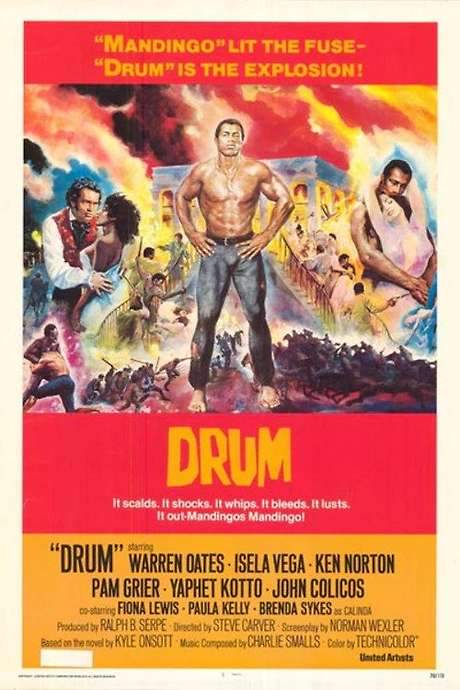
Drum (1976) movie poster

Characters & Themes

Drum (1976) Characters, Setting & Themes Explained

Release, runtime and language
1976 · 100 mins · English
Loading streaming availability…
Directed by
Steve Carver
Starring
Warren Oates, Roger E. Mosley, John Colicos, John Vernon, Royal Dano, Isela Vega

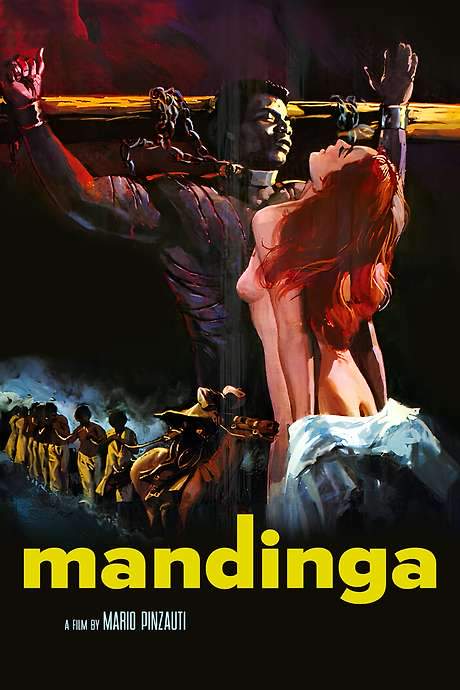
MANDINGO lit the fuse… DRUM is the explosion! A mid-19th century mulatto slave is torn between his success as a pit-fighter and the injustices of white society.

On this page (8)
  1. 1 Where to watch
  2. 2 Characters explained (8)
  3. 3 Where & when it takes place
  4. 4 Themes & meaning (3)
  5. 5 Character & meaning questions
  6. 6 Movie threads
  7. 7 Movies like Drum
  8. 8 Every angle
Loading streaming availability…

8 main characters · contains spoilers

Drum Characters Explained: Who Is Who

The main characters of Drum (1976), heroes and villains: what drives them, how they change over the course of the story and what each of them reveals about the film's bigger ideas.

  • Hammond Maxwell (Warren Oates)

    A wealthy plantation owner whose vanity and forceful authority drive the plot. He wields wealth to control people and passions, and his fear of losing status pushes him toward brutal decisions, including threats against Drum. His pursuit of social dominance ultimately exposes the fragility of his power.

    • 💼 Power
    • 🧱 Authority
    • ⚔️ Violence
  • Blase/Blaise (Yaphet Kotto)

    A strong enslaved man who stands as a key ally to Drum. He endures false accusations and brutal treatment, becoming a symbol of resistance within the slave community. His defiance, even in chains, embodies the dangerous courage of those who resist oppression.

    • 🗡️ Defiance
    • 🧭 Loyalty
    • 🪝 Resilience
  • Bernard DeMarigny (John Colicos)

    A gay French plantation insider whose advances spark conflict and cruelty. His sense of entitlement and predatory nature highlight the elitist mindset that sustains the plantation system. His actions escalate tensions and culminate in a violent confrontation during the revolt.

    • 👑 Privilege
    • 😈 Predation
    • 🔥 Cruelty
  • Regine (Pam Grier)

    Purchased as a bedwench, Regine embodies the commodification of enslaved bodies within the slave hierarchy. Her presence exposes the sexual economy of the plantation and the ways in which power is exercised through intimate exploitation. Her experience reflects the intersection of race, gender, and control.

    • 💃 Exploitation
    • 💪 Agency
    • 🕊️ Resilience
  • Augusta Chauvet (Fiona Lewis)

    Maxwell's fiancée, whose jealousy and schemes influence the fate of Regine and the other enslaved people. She represents aristocratic ambition and the fragility of social order when faced with rebellion. Her plans reveal how personal relationships are weaponized in the power structure.

    • 👑 Jealousy
    • 🏛️ Elite
    • 🕊️ Control
  • Sophie Maxwell (Cheryl Smith)

    Maxwell's daughter who pursues Drum and accuses Blaise, triggering crucial conflict. Her actions illuminate the complexities of privilege, gender, and power within the master class. Her choices set off a chain of violent consequences during the revolt.

    • 🎭 Curiosity
    • 🗝️ Privilege
    • 🕰️ Manipulation
  • Zeke Montgomery (Royal Dano)

    An elder enslaved figure who embodies the memory of past resistance and the endurance of the enslaved community. He offers perspective on the cruelty of the system and the fragile hope for freedom. His presence anchors the collective experience of oppression on the plantation.

    • 🗨️ Wisdom
    • 🧭 Resilience
    • 🩸 Suffering
  • Drum

    Born to a white prostitute and raised among enslaved people, Drum is a formidable fighter drawn into leadership during the revolt. His loyalty to friends and his refusal of the master's advances set him on a collision course with the plantation hierarchy. Drum's courage ultimately drives the rebellion and his escape at its end.

    • 🗡️ Strength
    • 🧭 Leadership
    • 🏃 Escape

Last updated: October 04, 2025 at 14:19

Was this helpful?

Setting

Where and When Does Drum Take Place?

The setting of Drum (1976): the year and time period, the places and locations, and how they shape the characters, the mood and the tension of the story.

Time period

19th century

Set in the era before and during the height of slavery in the American South, the plantation life is governed by rigid ownership and public demonstrations of control. The period emphasizes the disparity between enslaved people and their masters, as well as the looming threat of rebellion. The narrative uses this timeframe to explore exploitation, loyalty, and uprising within a confined community.

Location

Plantation in the Deep South

The story unfolds on a large southern plantation, where enslaved people are bought, sold, and subjected to brutal displays of power. The estate operates as a closed world of wealth, white authority, and strict social codes. The setting highlights the brutal hierarchy of the antebellum South and provides the stage for revolt and resistance.

  • 🌾 Plantation
  • 🕰️ Antebellum era
  • 🔗 Slavery
  • 🏛️ Southern United States

Last updated: October 04, 2025 at 14:19

Was this helpful?

3 major themes

Drum Meaning: Themes & Message Explained

What is Drum (1976) really about? The emotional, social and philosophical themes the film keeps returning to, its symbolism and the message beneath the surface.

  • Slavery

    The film centers on a brutal system where human beings are treated as property and subjected to violence for the entertainment and control of owners. Drum, Blaise, Regine, and others illustrate how bondage deforms relationships and erodes dignity. Resistance and solidarity emerge as a response to dehumanization. The story uses the lash of oppression to reveal both cruelty and resilience.

  • Revolt

    A pivotal revolt erupts at a moment of tense social balance, transforming the plantation into a battleground. Drum becomes a catalyst for collective action, rallying the enslaved against their captors. The violence spirals, threatening to erase both sides, and forcing choices about loyalty and survival. The uprising redefines power within the plantation world.

  • Power and sexuality

    Desire and domination intersect, exposing how sexuality is instrumentalized to exert control over others. Bernard DeMarigny's predatory behavior and Regine's commodified status reveal the perverse anatomy of privilege. Maxwell's defenses of his social order clash with the destabilizing force of intimate power. The narrative shows how sexual dynamics reinforce or challenge the hierarchy.

Last updated: October 04, 2025 at 14:19

Was this helpful?

Character & theme questions

Drum Characters & Meaning: Your Questions Answered

The questions people ask about Drum (1976): who the characters really are, their relationships, what the symbols mean, where it takes place and what the movie is really about. Each answer contains spoilers.

Q1

Where is Drum set?

The film takes place on a large plantation in the Deep South during the antebellum era. This closed world of wealth and white authority operates under strict social codes, with enslaved people bought, sold, and subjected to brutal displays of power. The setting emphasizes the brutal hierarchy of the pre-Civil War American South.

  • plantation
  • deep south
  • antebellum
  • slavery
  • setting
Q2

What time period does the movie depict?

Drum is set in the 19th century, during the era before and during the height of slavery in the American South. The period emphasizes the stark disparity between enslaved people and their masters, as well as the constant threat of rebellion that hangs over the plantation community.

  • 19th century
  • antebellum
  • american south
  • slavery era
  • historical setting
Q3

What are the main themes in Drum?

The film explores three interconnected themes: the brutal system of slavery where humans are treated as property, a pivotal revolt that transforms the plantation into a battleground, and the intersection of desire and domination where sexuality is weaponized to exert control. These themes expose how bondage deforms relationships, erodes dignity, and reveals both cruelty and resilience.

  • slavery
  • oppression
  • revolt
  • power
  • sexuality
  • themes
Q4

Who is Drum in the film?

Drum is a mid-19th century mulatto slave born to a white prostitute and raised among enslaved people. He becomes a formidable pit-fighter and is drawn into leadership during the revolt. His loyalty to friends and refusal to submit to the master's advances set him on a collision course with the plantation hierarchy, ultimately driving the rebellion and his escape.

  • drum
  • mulatto
  • pit-fighter
  • enslaved character
  • rebellion leader
Q5

Who is Hammond Maxwell?

Hammond Maxwell is the wealthy plantation owner portrayed by Warren Oates. His vanity and forceful authority drive the plot, as he wields wealth to control people and passions. His fear of losing status pushes him toward brutal decisions, including threats against Drum. His pursuit of social dominance ultimately exposes the fragility of his power.

  • hammond maxwell
  • plantation owner
  • slaveowner
  • authority
  • wealth
Q6

Who is Regine and what is her role?

Regine, played by Pam Grier, is an enslaved woman purchased as a bedwench. She embodies the commodification of enslaved bodies within the slave hierarchy. Her presence exposes the sexual economy of the plantation and the ways in which power is exercised through intimate exploitation, reflecting the intersection of race, gender, and control.

  • regine
  • pam grier
  • enslaved woman
  • bedwench
  • sexual exploitation
Q7

Who is Blaise and what does he represent?

Blaise (also spelled Blase) is an enslaved man portrayed by Yaphet Kotto who stands as a key ally to Drum. He endures false accusations and brutal treatment, becoming a symbol of resistance within the slave community. His defiance, even in chains, embodies the dangerous courage of those who resist oppression.

  • blaise
  • yaphet kotto
  • enslaved
  • resistance
  • ally
  • symbol of resistance
Q8

Who is Bernard DeMarigny?

Bernard DeMarigny is a gay French plantation insider whose predatory advances spark conflict and cruelty. His sense of entitlement and elitist mindset highlight the complexities of the plantation system's power structures. His actions escalate tensions and culminate in a violent confrontation during the revolt.

  • bernard demarigny
  • french
  • gay character
  • plantation insider
  • conflict
Q9

What role does the revolt play in the story?

A pivotal revolt erupts at a moment of tense social balance, transforming the plantation into a battleground. Drum becomes a catalyst for collective action, rallying the enslaved against their captors. The violence spirals threatening to erase both sides, forcing choices about loyalty and survival and redefining power within the plantation world.

  • revolt
  • uprising
  • rebellion
  • slave rebellion
  • collective action
  • violence
Q10

What is the tone and atmosphere of Drum?

The film has an unambiguously dark tone rooted in the grim realities of slavery, with no significant moments of levity or hope to offset the heaviness. The intensity is relentless, depicting violence, sexual exploitation, and systemic cruelty. The emotional weight is heavy, dealing directly with themes of dehumanization, sexual coercion, and the pent-up rage that leads to violent catharsis.

  • tone
  • atmosphere
  • dark
  • violence
  • sexual content
  • intense
  • emotional weight
Q11

What happens to Drum at the end?

Drum escapes during the revolt but remains a fugitive, leaving his ultimate fate uncertain within a system that demands his death. The ending is ambiguous; while he achieves freedom from the plantation, he remains hunted in a society structured to destroy him. His escape represents both triumph and the ongoing struggle for true liberation.

  • ending
  • escape
  • fugitive
  • ambiguous ending
  • freedom
  • fate

Movie threads

More Movies Like Drum, by Mood & Story

Curated lists built around what makes Drum tick: the same mood, the same kind of story or the same emotional payoff. Each list explains why these movies belong together.

Brutal Survival and Resistance Movies like Drum

Films about characters pushed to their absolute limits by oppressive systems. For viewers seeking movies like Drum, this collection features intense dramas and thrillers about characters fighting back against systemic oppression. If you appreciated the themes of exploitation and violent rebellion in Drum, you'll find similar grueling survival stories here.

  • brutal
  • oppressive
  • rebellious
  • tense
  • angry
  • harrowing
  • Tone: dark, angry, oppressive
  • Pacing: steady, building tension
Why these movies?

The story pattern: Narratives in this thread typically follow a protagonist enduring extreme hardship under an oppressive system, leading to a breaking point. The story arc is one of dehumanization building towards an explosive, often ambiguous, act of defiance. The journey is defined by a steady escalation of tension and violence.

Why they belong together: Movies are grouped here for their shared focus on the raw, visceral experience of resistance. They connect through a dark tone, high emotional weight, and a narrative structure that explores the psychological and physical toll of fighting for freedom against overwhelming odds.

Unflinching Historical Dramas similar to Drum

Dark period pieces that refuse to sanitize the brutalities of the past. If you liked the harsh realism and dark themes of Drum, this section highlights similar historical dramas that don't shy away from brutality. Discover movies that share Drum's steady pacing, heavy emotional weight, and ambiguous, thought-provoking conclusions.

  • grim
  • tense
  • brutal
  • thought-provoking
  • oppressive
  • authentic
  • Tone: dark, tense, bleak
  • Pacing: steady, methodical
Why these movies?

The story pattern: The narrative pattern involves a character's journey through a meticulously recreated but grim historical setting. The plot is often linear but layered with complex power dynamics and ethical dilemmas. Endings are frequently ambiguous or bleak, reflecting the intractable problems of the era rather than providing neat solutions.

Why they belong together: These films are grouped by their commitment to historical authenticity, even when it's distressing. They share a dark tone, a steady pace that allows the weight of the setting to settle, and a high level of intensity derived from their confronting subject matter.

If you liked this

Movies Like Drum

Similar movies to Drum: the same genre, themes or kind of story. Each one comes with its own plot summary, timeline and ending explained.

Browse all movie summaries

Every angle

Drum (1976) Explained: Plot, Timeline & Characters

Everything about Drum in one place: what happens in the plot summary, the timeline in chronological order, the characters and meaning and a spoiler-free summary. What's After the Movie adds the cast, box office and post-credit scenes.

Coming soon on iOS and Android

The Plot Explained Movie Summary App

Plot summaries, endings explained and timelines on your phone. Catch up on any movie in minutes, save your favorites and never miss a twist again.

Be the first to know when we launch. Your email stays private, always.

Learn more about the app