Plot Explained Spoilers guaranteed!
Plot Explained

Browse by genre

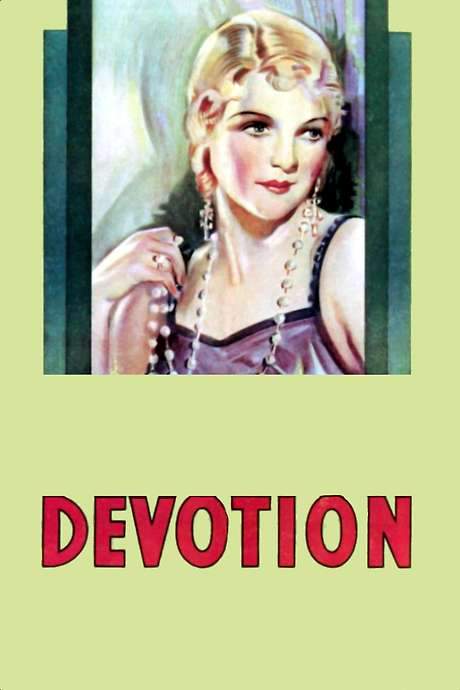
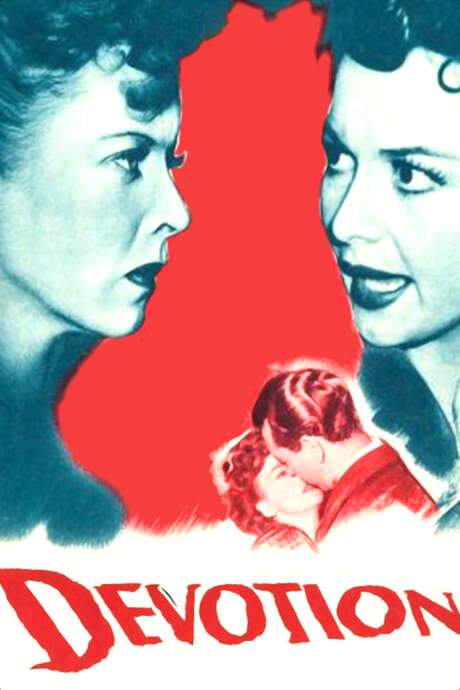
Devotion (1946) movie poster

Timeline

Devotion (1946) Timeline Explained – Every Event in Order

Release, runtime and language
1946 · 107 mins · English
Loading streaming availability…
Directed by
Curtis Bernhardt
Starring
Ethel Griffies, Olivia de Havilland, Ida Lupino, Doris Lloyd, Paul Henreid, Sydney Greenstreet

Set in Victorian England, the film follows literary sisters Emily and Charlotte Brontë as they compete for the affection of Rev. Arthur Nicholls. Joined by their sister Anne, they also strive to rescue their troubled brother Branwell, a talented artist whose life is spiraling due to alcoholism.

On this page (6)
  1. 1 Where to watch
  2. 2 Events in order (14)
  3. 3 Timeline questions answered
  4. 4 Movie threads
  5. 5 Movies like Devotion
  6. 6 Every angle
Loading streaming availability…

14 events in order · contains spoilers

Devotion Timeline: Events in Chronological Order

Every key event of Devotion (1946) in order, scene by scene, with when and where it takes place. Use it to untangle flashbacks, time jumps and parallel storylines, to refresh your memory before the sequel or to find the exact scene you are thinking of.

  1. Sisters plan to support Bran's art career

    Charlotte and Anne decide to contribute part of their governess income to Bran so he can go to London to study art. They hope his talent will flourish and, in turn, support their own dreams of becoming writers. This family pact sets the course for the sisters' future.

    When
    early 1800s
    Where
    Brontë Parsonage, Yorkshire
  2. Bran's drunken night and Arthur's arrival

    Bran returns from a tavern intoxicated, and Arthur Nicholls, his father's new curate, accompanies him to the vicarage. Emily answers the door and misreads Arthur as Bran's drunken friend, greeting him coldly. The next day Arthur reappears, and a cautious friendship forms between him and the sisters.

    When
    one night at the parsonage
    Where
    Brontë Parsonage, Yorkshire
  3. Emily and Arthur grow closer

    Arthur and Emily begin to grow closer during walks and conversations. She shows him a lonely hilltop house that becomes the inspiration for her future novel, Wuthering Heights. Their friendship subtly shifts their relationships as they share hopes and disappointments.

    When
    months later
    Where
    Brontë Parsonage and surrounding moors
  4. Bran's return from London brings bitterness

    Bran returns from London disillusioned and blames his sisters for his failure as a painter. The atmosphere at home tightens as resentment and guilt creep in. His temper strains the family and threatens their fragile harmony.

    When
    shortly after Bran's London trip
    Where
    Yorkshire
  5. A ball brings Arthur to Charlotte and to rivalry

    At a ball at the Thornton house, Arthur is captivated by Charlotte and falls in love. He also notices Emily's interest, triggering competition among the sisters. The spark of romance tests loyalty and reshapes their plans.

    When
    at the ball
    Where
    Thornton House, Yorkshire
  6. Bran disrupts the dance; Arthur takes him home

    During the ball, Bran's drunken display disrupts the celebration, unsettling everyone. Arthur escorts Bran home, reaffirming his sense of responsibility. The incident amplifies the tension between desire and duty.

    When
    during the dance
    Where
    Thornton Ball
  7. Arthur funds the Europe trip by buying Bran's painting

    Seeing the potential in the sisters' ambitions, Arthur secretly buys a Bran painting. The proceeds from the sale finance the sisters' departure to Europe. Arthur's sacrifice reveals the complexity of his feelings for Charlotte.

    When
    before Brussels trip
    Where
    Bran's studio / Brontë Parsonage
  8. Education begins in Brussels with the Hegers

    The sisters travel to Brussels and enroll at the school run by Monsieur and Madame Heger. They begin formal study, preparing for adult life and their writing careers. The experience marks a decisive shift away from rural life.

    When
    early Brussels stay
    Where
    Brussels, Belgium
  9. Charlotte's unwelcome attentions and the Heger kiss

    Charlotte reveals she faced unwelcome attentions as a governess, and that Arthur kissed her after she returned home. Emily's heart aches at the implications for their love triangle. Not long after, Monsieur Heger privately takes Charlotte to an exhibition and kisses her.

    When
    during Brussels residence
    Where
    Brussels
  10. Back in England: illness and the start of writing

    Anne signals that Bran is ill, and the sisters rush back to England. Once home, they both begin writing their novels, which Bran reads and comments on. Bran reveals that both sisters are in love with the same man, Arthur.

    When
    upon return to England
    Where
    Brussels to Yorkshire
  11. Revelation of Arthur's purchase and repayment plan

    The sisters learn that Arthur bought the painting funding their trip. Emily insists they repay him, balancing gratitude with duty. The revelation adds moral complexity as the sisters navigate their debts to the man who helped them.

    When
    after return
    Where
    Yorkshire
  12. Bran's death in a rainy search

    One rainy day, Emily cannot find Bran and searches for him; he collapses and dies soon after. The loss devastates the sisters, pushing them further toward their writing careers. Bran's death also casts a shadow over their future.

    When
    rainy day
    Where
    Yorkshire moors
  13. Pseudonymous success and Thackeray's praise

    Emily and Charlotte publish their novels under male pseudonyms. Thackeray acknowledges Emily's superior work and later introduces Charlotte to London society. The new fame reshapes their place in the literary world and reveals different paths to recognition.

    When
    post publication
    Where
    London
  14. East End visit, illness, and return

    Thackeray takes Charlotte to the poverty-stricken East End, where Arthur now works, and he confesses his love for Charlotte but says he cannot stay in Yorkshire because Emily loved him. Charlotte hurriedly returns to Yorkshire when she learns that Emily is ill; she arrives in time to say goodbye as Emily dies. After the death, Arthur returns to woo Charlotte.

    When
    post-publishing toward the end
    Where
    London East End and Yorkshire

Last updated: October 05, 2025 at 12:21

Was this helpful?

Timeline questions answered

Devotion Timeline Explained: Your Questions Answered

When does it happen, and why in that order? The questions people ask about the chronology of Devotion (1946): time jumps, flashbacks, cause and effect between scenes and the correct order of events, each answered with spoilers.

Q1

Why did Emily show Arthur the hilltop house?

Emily showed Arthur the secluded hilltop house during one of their walks together. This location would later inspire her when she wrote Wuthering Heights, providing the atmospheric setting for Thrushcross Grange. The moment marks a turning point in their friendship, as Emily shares something deeply personal and creatively significant with him.

Foreshadowing: Earlier in the film, Emily expresses her longing for literary success and her connection to the Yorkshire moors, hinting at her future creative vision.

  • Emily Brontë
  • Arthur Nicholls
  • hilltop house
  • Wuthering Heights inspiration
  • moors
Q2

Why couldn't Arthur stay with Charlotte even though he loved her?

Arthur couldn't stay with Charlotte because he felt conflicted about Emily's feelings for him. When he revealed his love to Charlotte in London, he explained that Emily's passion had drawn him away from Yorkshire, making it impossible for him to remain while knowing the emotional complexity his presence created among the sisters.

Foreshadowing: At the Thornton ball, Arthur noticed Emily's growing interest in him, which created tension in the love triangle.

  • Arthur Nicholls
  • Charlotte Brontë
  • Emily Brontë
  • love triangle
  • rejection
Q3

How did Arthur fund the sisters' trip to Brussels?

Arthur secretly purchased a painting by Branwell to finance the sisters' journey to Europe. He bought the painting to support their ambitions, knowing it would enable them to study in Brussels and pursue their writing dreams. The sisters later learned of this sacrifice when Arthur revealed the truth.

Foreshadowing: Before departing, the sisters expressed excitement about the prospect of studying in Europe, not knowing how it would be funded.

  • Arthur Nicholls
  • Branwell painting
  • Brussels trip
  • financial support
  • sisters' education
Q4

Why did Emily fear she might be left behind in Brussels?

Emily feared being left behind because she felt emotionally disconnected from the intellectual life in Brussels. While Charlotte and Anne embraced their studies, Emily grew unsettled by the foreign environment and missed the Yorkshire moors deeply. She worried her emotional attachment to home would isolate her from her sisters' advancement.

Foreshadowing: The narrative shows Emily dreaming of the moors during her time in Brussels, indicating her longing for home.

  • Emily Brontë
  • Brussels
  • homesickness
  • moors
  • emotional struggle
Q5

What caused the rivalry between Charlotte and Emily over Arthur?

The rivalry began at the Thornton ball where Arthur was first introduced to Charlotte and immediately fell in love with her. However, Arthur also noticed Emily's growing interest in him, creating a love triangle. Both sisters developed feelings for Arthur, with Charlotte recognizing Emily's emotions while both competed for his affection.

Foreshadowing: During the ball, Emily's growing interest in Arthur was visible to Charlotte, establishing the triangle early.

  • Charlotte Brontë
  • Emily Brontë
  • Arthur Nicholls
  • love triangle
  • rivalry
Q6

Why did the Brontë sisters publish under male pseudonyms?

The Brontë sisters published under male pseudonyms (Currer, Ellis, and Acton Bell) because of the era's literary gatekeeping and gender biases. Female authors faced significant prejudice in Victorian England, and using male names was necessary to have their works taken seriously and reach a wider audience.

Foreshadowing: The film establishes the societal limitations women faced in pursuing professional writing careers.

  • male pseudonyms
  • Currer Bell
  • Ellis Bell
  • Acton Bell
  • Victorian gender bias
  • female authors
Q7

What was the black horseman that haunted Emily?

The black horseman was a recurring vision or premonition that haunted Emily throughout the film, representing her fears and the dark themes that would influence her writing. This spectral figure appears in her final hours, symbolizing death and the mysterious, Gothic elements that would characterize Wuthering Heights.

Foreshadowing: Emily's connection to the moors and her vivid imagination were established early, hinting at her creative vision that blended reality with the supernatural.

  • black horseman
  • Emily Brontë
  • vision
  • premonition
  • Wuthering Heights
  • death
Q8

Why did Emily insist on repaying Arthur after learning he bought Bran's painting?

Emily insisted on repaying Arthur because she felt a strong sense of moral duty and independence. Learning that Arthur had funded their European education through purchasing Bran's painting created a debt she believed must be repaid. This reflects Emily's character, proud and unwilling to accept charity, even from someone she cared for.

Foreshadowing: The sisters had previously agreed to support Bran's art career financially, establishing their commitment to reciprocity.

  • Emily Brontë
  • repayment
  • debt
  • Arthur Nicholls
  • moral duty
  • independence
Q9

How did Branwell die?

Branwell died on a rainy day while Emily was searching for him on the Yorkshire moors. He became ill and collapsed during the search, dying soon after. His death devastated his sisters and became a pivotal moment that pushed them further into their writing careers as they coped with the loss.

Foreshadowing: Branwell's health had been deteriorating throughout the film, and his struggles with alcoholism and disillusionment set the stage for his tragic end.

  • Branwell Brontë
  • death
  • Yorkshire moors
  • illness
  • rainy day
Q10

Why did Thackeray praise Emily's Wuthering Heights over Charlotte's Jane Eyre?

Thackeray recognized Emily's Wuthering Heights for its raw power and seriousness, considering it superior to Charlotte's Jane Eyre. While Charlotte's novel achieved wider commercial success, Thackeray's critical praise highlighted Emily's unique literary intensity and the dark, passionate nature of her work.

Foreshadowing: The film establishes early that Emily's writing drew from deeply personal and intense emotional experiences.

  • William Makepeace Thackeray
  • Emily Brontë
  • Wuthering Heights
  • Jane Eyre
  • literary criticism
  • praise
Q11

What happened to Arthur after Emily died?

After Emily's death, Arthur returned to court Charlotte, having previously been unable to stay because of Emily's feelings for him. With Emily gone, the path was clear for Arthur to pursue his love for Charlotte, though the sisters' legacy, both personal and literary, continued to resonate.

Foreshadowing: Arthur had told Charlotte he could not stay because Emily's passion had drawn him away from Yorkshire, indicating his return was possible once that obstacle was removed.

  • Arthur Nicholls
  • Emily's death
  • courtship
  • Charlotte Brontë
  • return
Q12

What happened between Charlotte and Monsieur Heger in Brussels?

In Brussels, Charlotte revealed to Emily that she had previously faced unwanted attentions while working as a governess, and that Arthur had kissed her after she returned home. Later, Monsieur Heger privately took Charlotte to an exhibition and kissed her, adding to the复杂 emotional dynamics of their time in Brussels.

Foreshadowing: Charlotte's experience with unwanted attentions explains her emotional vulnerability and the strain she felt during the Brussels period.

  • Charlotte Brontë
  • Monsieur Heger
  • Brussels
  • kiss
  • unwanted attentions

Movie threads

More Movies Like Devotion, by Mood & Story

Curated lists built around what makes Devotion tick: the same mood, the same kind of story or the same emotional payoff. Each list explains why these movies belong together.

Biographies of tortured artists like in Devotion

Intimate portraits of brilliant creators wrestling with inner demons and societal constraints. Explore movies like Devotion that profile the complex lives of renowned artists. These films capture the bittersweet intersection of great talent and personal tragedy, often set in evocative historical periods. If you were captivated by the Brontës' story, you'll find similar emotional journeys here.

  • melancholic
  • introspective
  • passionate
  • dramatic
  • somber
  • yearning
  • Tone: melancholic, dramatic, introspective
  • Pacing: steady, character driven
Why these movies?

The story pattern: These stories typically follow the artist's life, interweaving their creative breakthroughs with significant personal conflicts—be it addiction, unrequited love, family duty, or mental health struggles. The narrative arc often involves both the triumph of their work and the poignant price paid for it, leading to emotionally resonant, if not always happy, conclusions.

Why they belong together: Movies in this thread share a compelling mix of historical depth, character-driven drama, and a melancholic reverence for artistic passion. They are united by a steady, introspective pacing that allows you to sit with the characters' ambitions and sorrows, creating a powerful, bittersweet viewing experience.


Melancholic family sagas like Devotion

Stories of siblings bound by love, rivalry, and shared tragedy in a bygone era. Find movies similar to Devotion that focus on the emotional lives of families in the past. These dramas feature complex sibling relationships, romantic entanglements, and the heavy weight of family duty, all wrapped in a steady, melancholic atmosphere. Ideal for viewers who enjoy poignant historical character studies.

  • dramatic
  • somber
  • rivalrous
  • yearning
  • atmospheric
  • genteel
  • Tone: melancholic, dramatic, somber
  • Pacing: steady, immersive
Why these movies?

The story pattern: The narrative pattern revolves around the interconnected lives of family members, each with their own ambitions and flaws. Central conflicts often arise from sibling rivalry, the burden of saving a troubled relative, and romantic tensions that test familial bonds. The pacing is deliberate, building emotion through significant life events and personal sacrifices against a richly detailed historical setting.

Why they belong together: These films are grouped together by their shared atmosphere of genteel sadness, their focus on domestic and emotional strife within a historical context, and their steady, immersive pacing. They offer a similar vibe of watching a family's destiny unfold with a sense of inevitable, yet deeply moving, melancholy.

If you liked this

Movies Like Devotion

Similar movies to Devotion: the same genre, themes or kind of story. Each one comes with its own plot summary, timeline and ending explained.

Browse all movie summaries

Every angle

Devotion (1946) Explained: Plot, Timeline & Characters

Everything about Devotion in one place: what happens in the plot summary, the timeline in chronological order, the characters and meaning and a spoiler-free summary. What's After the Movie adds the cast, box office and post-credit scenes.

Coming soon on iOS and Android

The Plot Explained Movie Summary App

Plot summaries, endings explained and timelines on your phone. Catch up on any movie in minutes, save your favorites and never miss a twist again.

Be the first to know when we launch. Your email stays private, always.

Learn more about the app