Plot Explained Spoilers guaranteed!
Plot Explained

Browse by genre

Destination Tokyo (1943) movie poster

Timeline

Destination Tokyo (1943) Timeline Explained – Every Event in Order

Release, runtime and language
1943 · 135 mins · English
Directed by
Delmer Daves
Starring
John Garfield, William Prince, John Forsythe, Whit Bissell, Cary Grant, Eleanor Parker

During World II, Captain Cassidy leads his submarine crew on a covert operation into Tokyo Bay, tasked with gathering intelligence ahead of the planned Allied bombing of the city. As they navigate hostile waters, the men confront enemy forces, forge bonds, and confront the harsh reality that some will not return.

On this page (5)
  1. 1 Events in order (15)
  2. 2 Timeline questions answered
  3. 3 Movie threads
  4. 4 Movies like Destination Tokyo
  5. 5 Every angle

15 events in order · contains spoilers

Destination Tokyo Timeline: Events in Chronological Order

Every key event of Destination Tokyo (1943) in order, scene by scene, with when and where it takes place. Use it to untangle flashbacks, time jumps and parallel storylines, to refresh your memory before the sequel or to find the exact scene you are thinking of.

  1. Depart Mare Island on Christmas Eve

    The Copperfin leaves Mare Island Naval Shipyard on a secret mission. Captain Cassidy opens his sealed orders, directing the vessel first to the Aleutian Islands to rendezvous with a PBY Catalina and take aboard meteorologist Lt. Raymond. The squad also learns they must reach Tokyo Bay to gather weather intelligence for the upcoming Doolittle Raid.

    When
    Christmas Eve
    Where
    Mare Island Naval Shipyard
  2. Rendezvous with Catalina and Lt. Raymond

    At the Aleutian rendezvous, Copperfin meets a PBY Catalina and takes Lt. Raymond aboard. The crew follows the new orders toward Tokyo Bay, carrying the meteorologist who will provide crucial weather data. Tension in the crew rises as they prepare for what lies ahead.

    Where
    Aleutian Islands
  3. Course set for Tokyo Bay to obtain weather intel

    Copperfin alters course toward Tokyo Bay to obtain vital weather intelligence for the Doolittle Raid. The mission depends on accurate atmospheric readings and careful navigation through the Pacific. Lt. Raymond begins processing data that could affect bombing schedules.

    Where
    Sea en route to Tokyo Bay
  4. Floatplane attack and Mike's death

    Two Japanese floatplanes attack Copperfin as it approaches its destination. Both planes are shot down, but one pilot parachutes into the water. Mike, a crewman, descends the hull to assist the downed pilot and is stabbed to death in the process.

    Where
    At sea
  5. Tommy Adams shoots the parachuted pilot; guilt

    New recruit Tommy Adams fires at the parachuted Japanese pilot, his hesitation contributing to Mike's death. He cannot shake the memory, and volunteers for a dangerous task later to atone for his mistake.

    Where
    At sea
  6. Tommy volunteers to defuse an unexploded bomb

    To expiate his error, Tommy volunteers to defuse an unexploded bomb lodged under the deck. Cassidy directs the improvised operation, which requires calm, courage, and steady hands under pressure.

    Where
    Copperfin
  7. Mike buried at sea; Tin Can explains his pain

    Mike is buried at sea as the crew mourns his loss. Tin Can reveals that every Allied death causes him great pain, initially angering the others until they understand his deeper empathy.

    Where
    Sea burial
  8. Raymond discusses why Japan went to war

    Raymond, who lived in Japan, discusses how the Japanese military faction led the nation into war. His perspective adds nuance to the crew's understanding of the conflict and its moral complexities.

    Where
    Copperfin
  9. Near Tokyo Bay: minefields and nets; following a ship into the bay

    As Copperfin nears Tokyo Bay, the crew must negotiate defensive minefields and anti-torpedo nets. They seize a chance to maneuver by following a Japanese ship into the bay, keeping their presence hidden.

    Where
    Tokyo Bay vicinity
  10. Three-man weather shore party goes ashore

    That night, a three-man party including 'Wolf' goes ashore to take weather observations. The mission emphasizes secrecy as they gather essential environmental data.

    Where
    Tokyo Bay shoreline
  11. Appendectomy aboard Copperfin; pie promise

    Tommy is diagnosed with appendicitis, and pharmacist's mate 'Pills' must operate using improvised tools with limited ether. The surgery succeeds, and Cookie the cook begins baking the pumpkin pie he promised Tommy.

    Where
    Copperfin, surgery space
  12. Raymond broadcasts weather data in Japanese; detection

    Raymond broadcasts the collected weather information in Japanese to avoid detection, but Japanese forces search the bay anyway. The crew remains alert as they monitor for countermeasures.

    Where
    Tokyo Bay
  13. Copperfin remains undetected and watches part of Doolittle Raid

    The submarine stays hidden and peeks through the periscope as the Doolittle Raid unfolds. The crew experiences a rare, hopeful glimpse of the air operation from their submerged vantage.

    Where
    Tokyo Bay vicinity
  14. Recovery of Raymond; escape from Tokyo Bay

    Copperfin recovers Raymond and his team and slips out of the bay as anti-submarine nets are opened to let it pass, following an exiting Japanese ship. The escape is tense but successful.

    Where
    Tokyo Bay
  15. Final battle: sinking carrier, destroyer; homeward bound

    In a desperate final action, Copperfin sinks a Japanese aircraft carrier and endures heavy escort counterattacks. After long hours of depth charges, Cassidy drives a destroyer to the bottom and leads the crew home safely.

    Where
    Sea near Japan

Last updated: October 09, 2025 at 09:32

Was this helpful?

Timeline questions answered

Destination Tokyo Timeline Explained: Your Questions Answered

When does it happen, and why in that order? The questions people ask about the chronology of Destination Tokyo (1943): time jumps, flashbacks, cause and effect between scenes and the correct order of events, each answered with spoilers.

Q1

Why did Mike Conners volunteer to pull the Japanese pilot aboard?

Mike Conners volunteered out of compassion, believing the downed pilot needed help. However, the wounded aviator stabbed Conners to death when he attempted to rescue him. This tragic decision highlights the tension between humanitarian instincts and the brutal realities of wartime, showing how the crew's empathy was exploited by the enemy.

Foreshadowing: Earlier in the voyage, the crew discusses the human cost of war, setting up the emotional weight of this loss.

  • mike conners
  • japanese pilot
  • death
  • rescue attempt
  • stabbing
Q2

Why did Tommy Adams hesitate before firing at the Japanese pilot?

Tommy Adams hesitated because he was a young, inexperienced recruit who had never killed anyone before. His split-second delay allowed the wounded pilot to stab Mike Conners before Tommy could prevent the tragedy. This moment of hesitation haunts Tommy throughout the mission and drives his later actions to seek redemption.

  • tommy adams
  • hesitation
  • guilt
  • young recruit
  • japanese pilot
Q3

Why did Tommy volunteer to defuse the unexploded bomb?

Tommy volunteered to defuse the bomb as an act of redemption for his hesitation that contributed to Mike Conners' death. He felt he needed to prove himself and make amends for his failure to act quickly enough. The task was extremely dangerous, requiring precision under pressure with limited tools and ether, but Tommy insisted on taking the risk to atone for his mistake.

  • tommy adams
  • bomb defusal
  • redemption
  • guilt
  • volunteer
Q4

How did the Copperfin navigate through Tokyo Bay's defenses?

The Copperfin navigated through Tokyo Bay by threading through defensive minefields and anti-torpedo nets. When a Japanese ship entered the harbor, Captain Cassidy seized the opportunity to follow in its wake, using the larger vessel's passage through the defensive perimeters to mask the submarine's presence. This daring maneuver allowed them to get close enough for observation without triggering the detection systems.

Foreshadowing: The crew practiced navigation drills earlier, preparing for this exact kind of precision approach.

  • tokyo bay
  • minefields
  • navigation
  • captain cassidy
  • japanese ship
  • stealth
Q5

Why did Raymond broadcast the weather observations in Japanese?

Raymond broadcast the weather data in Japanese as a deception tactic to avoid detection. By transmitting the information in the enemy's language, he hoped to make it appear that the signals came from a Japanese source rather than an American submarine. This clever ruse was meant to confuse potential listeners, though the Japanese still intensified their search efforts around the bay.

  • raymond
  • japanese
  • broadcast
  • weather data
  • deception
  • detection
Q6

How did the crew perform emergency surgery on Tommy Adams with limited ether?

Pharmacist's mate Pills performed an improvised appendectomy on Tommy Adams using limited surgical tools and insufficient ether for complete anesthesia. The operation was extremely risky, but Tommy survived due to Pills' quick thinking and steady hands under pressure. The scene highlights the dire medical conditions faced by wartime crews and their resourcefulness in crisis situations.

  • tommy adams
  • appendicitis
  • emergency surgery
  • pharmacist mate
  • ether
  • survival
Q7

Why did Tin Can refuse to attend Mike Conners' burial at sea?

Tin Can initially refused to attend the burial because every Allied death deeply inflicts him emotionally. His comrades interpreted this as stubbornness or coldness, but they later understood it stemmed from profound empathy rather than indifference. Tin Can's emotional sensitivity contrasts with the tough exterior expected of submarine crew members, adding depth to his character.

  • tin can
  • mike conners
  • burial at sea
  • emotional pain
  • grief
Q8

What was the Copperfin's mission objective in Tokyo Bay?

The Copperfin's primary mission was to gather crucial weather intelligence for the upcoming Doolittle Raid, a bombing operation targeting Tokyo. The submarine traveled to Tokyo Bay to collect atmospheric data that would help determine optimal conditions for the Allied bombers. This secret mission was strategically vital, as accurate weather information could significantly impact the raid's effectiveness and the safety of the bomber crews.

  • doolittle raid
  • weather intelligence
  • mission
  • tokyo bay
  • submarine
  • allied bombing
Q9

How did the Copperfin escape from Tokyo Bay without being detected?

The Copperfin escaped by following an exiting Japanese ship through the anti-submarine nets as they opened to let the vessel pass. The submarine remained hidden throughout the operation, even while the Doolittle Raid took place overhead. Raymond's Japanese-language broadcast also helped confuse enemy monitoring efforts, buying precious time for the escape.

  • escape
  • tokyo bay
  • anti-submarine nets
  • undetected
  • submarine
  • doolittle raid
Q10

What happened during the Copperfin's final battle with Japanese forces?

In the final confrontation, the Copperfin attacked and sank a Japanese aircraft carrier but took heavy damage from escort ships. The submarine endured relentless depth charge attacks as the crew fought to survive. Captain Cassidy executed a desperate gambit by ramming and sinking a destroyer, which bought crucial time for the battered vessel to escape. The crew ultimately emerged victorious but exhausted, bringing home the experiences and memories of their harrowing ordeal.

  • final battle
  • japanese carrier
  • destroyer
  • depth charges
  • captain cassidy
  • sinking
  • victory
Q11

What was Raymond's perspective on why Japan went to war?

Raymond, who had previously lived in Japan, explained that the country's military factions were primarily responsible for driving the nation into war. He offered a nuanced view of how military leaders and their ideologies steered the Japanese people toward conflict. This conversation added moral complexity to the crew's understanding of the enemy and the political forces behind the war.

  • raymond
  • japan
  • war reasons
  • military faction
  • japanese perspective
  • politics

Movie threads

More Movies Like Destination Tokyo, by Mood & Story

Curated lists built around what makes Destination Tokyo tick: the same mood, the same kind of story or the same emotional payoff. Each list explains why these movies belong together.

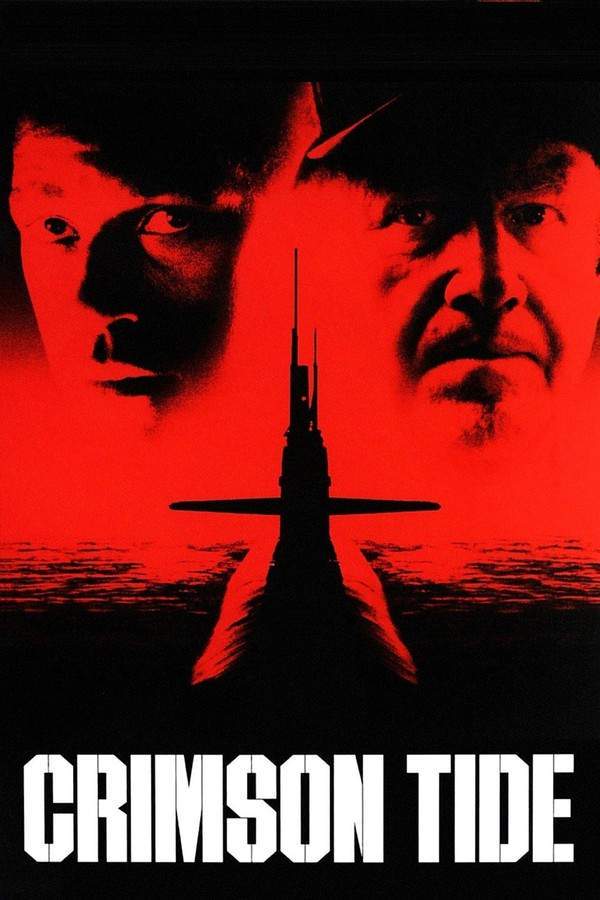
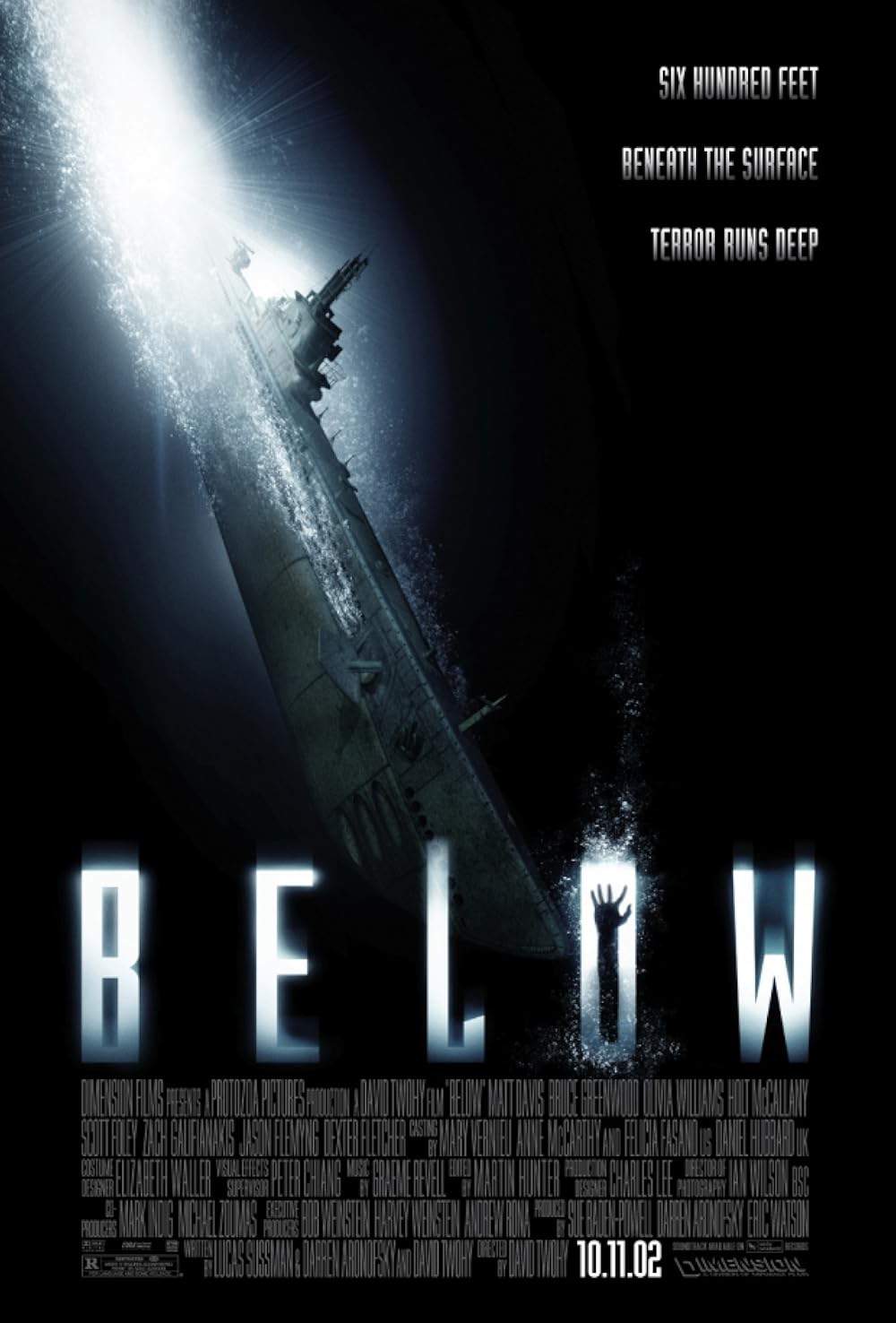
Claustrophobic Crew Survival Thrillers like Destination Tokyo

Teams confined in hostile environments, forced to rely on each other to survive. If you liked the tense submarine mission in Destination Tokyo, explore more movies about confined crews battling for survival. These films feature small groups in high-pressure environments like submarines, spaceships, or bunkers, highlighting teamwork, sacrifice, and the psychological strain of facing a common enemy.

  • claustrophobic
  • tense
  • teamwork
  • high stakes
  • survival
  • male camaraderie
  • Tone: tense, resolute
  • Pacing: steady, relentless
Why these movies?

The story pattern: These narratives typically follow a mission or survival objective that forces a group into a small, dangerous space. The plot unfolds through a series of escalating crises that test the crew's skill, morale, and bonds, often culminating in a victory that is hard-won and accompanied by loss.

Why they belong together: Movies in this thread share a tense, high-stakes atmosphere, a steady pacing that builds pressure, and a heavy emotional focus on group dynamics and sacrifice. They create a palpable sense of confinement and collective anxiety.

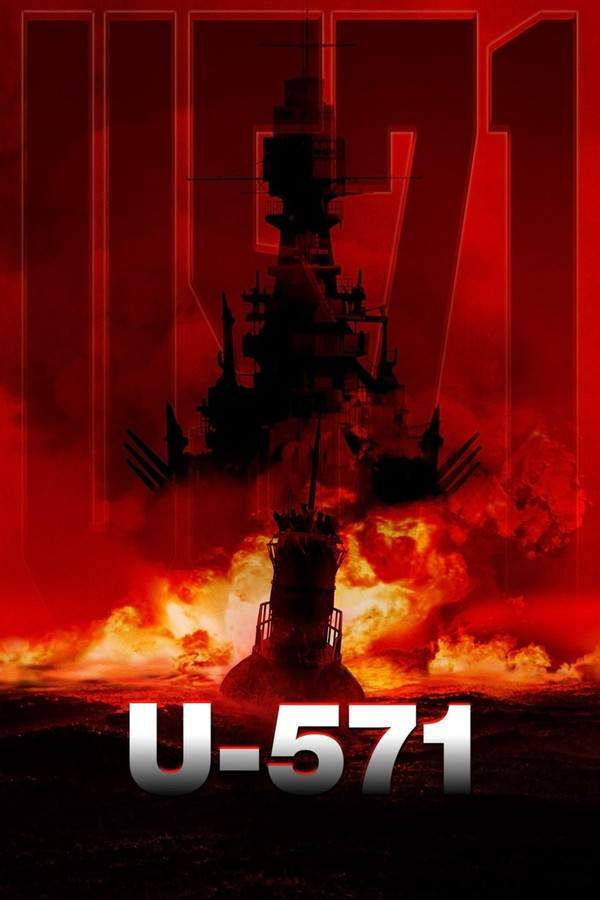
Movies with Bittersweet Wary Victories like Destination Tokyo

Missions accomplished, but the personal cost leaves a lasting scar. For viewers who appreciated the sobering victory in Destination Tokyo, this list features similar stories where success comes at a great cost. These films explore the complex emotional aftermath of achieving a goal, blending triumph with tragedy and leaving characters forever changed by their experiences.

  • bittersweet
  • grieving
  • resolute
  • solemn
  • wartime sacrifice
  • heavy
  • Tone: tense, bittersweet
  • Pacing: steady, mission-driven
Why these movies?

The story pattern: The narrative follows a clear, high-stakes objective. The climax sees the goal achieved, but the resolution is undercut by the memory of sacrifices made along the way. The ending focuses on the characters' somber reflection rather than pure celebration.

Why they belong together: These films are grouped by their shared emotional arc: a straightforward plot leading to a goal-oriented climax, but with a heavy emotional weight and a bittersweet ending that acknowledges loss. The tone balances tense action with melancholic reflection.

If you liked this

Movies Like Destination Tokyo

Similar movies to Destination Tokyo: the same genre, themes or kind of story. Each one comes with its own plot summary, timeline and ending explained.

Browse all movie summaries

Every angle

Destination Tokyo (1943) Explained: Plot, Timeline & Characters

Everything about Destination Tokyo in one place: what happens in the plot summary, the timeline in chronological order, the characters and meaning and a spoiler-free summary. What's After the Movie adds the cast, box office and post-credit scenes.

Coming soon on iOS and Android

The Plot Explained Movie Summary App

Plot summaries, endings explained and timelines on your phone. Catch up on any movie in minutes, save your favorites and never miss a twist again.

Be the first to know when we launch. Your email stays private, always.

Learn more about the app