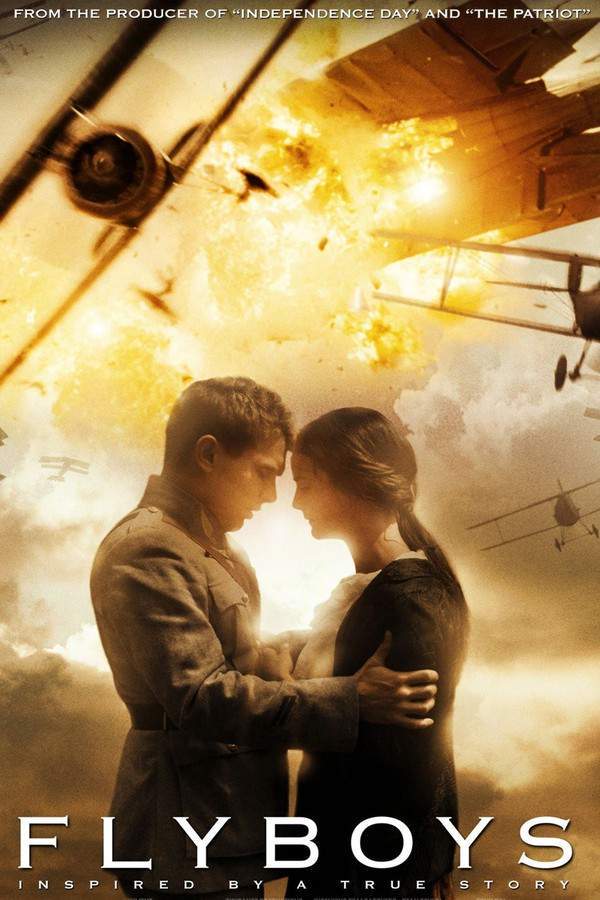
In the dying hours of World War I, Captain Gibby Gibson, Richard Dix, and his close friend Red, Joel McCrea, race through the skies in a perilous farewell to combat. They vow to stay together with their fellow pilot Woody Curwood, Robert Armstrong, and their steadfast mechanic Fritz, Hugh Herbert, sharing a toast and a chorus of Auld Lang Syne before heading home to an uncertain future.
Back on solid ground, Gibby’s ambitious actress girlfriend Follette Marsh, Mary Astor, has found a new romance that promises bigger opportunities for her career. Red, ever good-natured, chooses not to reclaim his old job—now occupied by a married man with a newborn—while Woody grapples with poverty after being swindled by an embezzling partner. Years pass, and the trio—Gibby, Red, and Fritz—hoist their lives onto a boxcar bound for Hollywood, hoping to locate Woody and find steady work in lean times.
In Hollywood they discover Woody transformed into a well-paid stunt flier under the tyrannical director Arthur von Furst, [Erich von Stroheim], who is married to Follette. Woody proudly introduces his three comrades to his sister, the Pest, [Dorothy Jordan], a sharp-eyed presence who worries about Woody’s dangerous line of work. She warns them about the risks of worn-out planes and Woody’s drinking, and she urges them to abandon stunt flying. They toast to the idea of quitting, but old loyalties and ambition pull them back toward the sky.
Gibby and Red find themselves drawn to the Pest, and after a crash that nearly takes Gibby’s life, he misreads her concern as love. Red, impulsive and hopeful, asks Pest to marry him, and she accepts; Gibby receives the development with quiet grace, accepting the way the pieces have fallen between old friends and new passions.
Von Furst, sensing Follette’s lingering feelings for Gibby, engineers trouble from the shadows. He sabotages the aircraft Gibby is due to fly, tampering with control wires to heighten the realism of his film—an act born of jealousy and greed. Woody volunteers to take the dangerous stunt in Gibby’s stead. Red, quick to act, spots the tampering and alerts Gibby. The two push toward the mission in separate planes, but miscommunication and danger intervene; the cable snaps, and Woody crashes, dying in the brutal toll of the bravest professions.
Red seizes Von Furst at gunpoint, vowing to punish him if Woody dies. After Woody’s body is removed, Gibby phones the police to report a possible murder, but Red interrupts him. Realizing Red has taken his gun, Gibby pursues him to the office where Red has bound Von Furst. Gibby demands a written confession for the authorities, but Von Furst knocks the lamp from the desk and attempts an escape. In the struggle, Gibby drops the gun, and Red shoots and kills Von Furst.
Detective Jettick arrives, and the men hide the body as the investigation unfolds. Pest returns, terrified that Red has harmed Von Furst, and Gibby sends her away with Red for safety. Meanwhile, Gibby entrusts Fritz with messages for the lovers, and together they load the body into a plane. In a final, self-sacrificial act, Gibby deliberately crashes, taking the blame for the crime and saving his friends from exposure.
At the cemetery, two ghostly biplanes drift into view, their silhouettes traced in the night sky. As the strains of Auld Lang Syne rise, Gibby and Woody salute one another and fade into the horizon, leaving a haunting, unresolved echo of comradeship, love, and the costs of daring.