Year: 1944
Runtime: 138 mins
Language: English
Director: Mervyn LeRoy
A heartfelt romance set against the aftermath of Pearl Harbor, where a young lieutenant departs his pregnant wife to join a clandestine bombing raid that will strike the Japanese home islands. Their love endures amid duty, fear, and the perilous journey toward Tokyo.
Warning: spoilers below!
Haven’t seen Thirty Seconds Over Tokyo yet? This summary contains major spoilers. Bookmark the page, watch the movie, and come back for the full breakdown. If you're ready, scroll on and relive the story!
Read the complete plot breakdown of Thirty Seconds Over Tokyo (1944), including all key story events, major twists, and the ending explained in detail. Discover what really happened—and what it all means.
Not long after the Pearl Harbor attack, Spencer Tracy stars as Lt. Col. Jimmy Doolittle, who spearheads a bold, top-secret plan that brings two dozen North American B-25 Mitchell bombers and their volunteer crews together at Eglin Field, Florida. The mission is risky and not everyone is sure they should go, but the men press on, including Ted Lawson, Van Johnson, who leads his own crew bound for a dangerous assignment. Alongside Lawson are co-pilot Lieutenant Dean Davenport, navigator Lieutenant Charles McClure, bombardier Bob Clever, and gunner David Thatcher—the heart of a team that must blend skill, courage, and nerve to pull off something unprecedented.
Lawson’s wife Ellen, Phyllis Thaxter, joins him at Eglin Field, adding a personal stake to an expedition already weighed down by risk and secrecy. The pilots are taught to take off from a runway barely 500 feet long by a naval aviator from Pensacola, and the mood at the field mixes quiet resolve with the hum of machinery and the whisper of what-ifs. When the planes are loaded onto the aircraft carrier USS Hornet, Doolittle lays out the mission: they will bomb Tokyo, Yokohama, Osaka, Kobe, and Nagoya, then head for landfall in China after releasing their payloads. They will launch from the Hornet about 400 miles from Japan and, if all goes well, converge in Nationalist-held areas before regrouping in Chungking.
But the convoy is spotted by an enemy surface vessel, forcing the crews to lift off twelve hours earlier than planned and to attack in daylight over Japan with hopes of surviving until nightfall in China. Doolittle leads the raid, and the bombers drop incendiaries to mark targets for the following aircraft. The Ruptured Duck becomes the first to reach Tokyo, finding some targets already aflame; they press forward, their anti-aircraft fire proving largely ineffective and enemy fighters largely uninterested. The flight continues toward China, yet fuel runs dangerously low as darkness and rain swirl around the aircraft.
Lawson’s aircraft makes a desperate belly landing on a beach in the Chinese coastline, crashing into the surf. The rest of Lawson’s crew suffers severe injuries—Lawson’s left leg is exposed to the bone, and McClure’s shoulders are shattered—while Thatcher survives with relatively lighter injuries. Friendly Chinese soldiers come to their aid, and the Americans endure harsh traumas as they are escorted through Japanese-held territory. In the absence of adequate medical supplies, the injured endure excruciating pain, and Lawson’s leg becomes infected. Delirium creeps in as he dreams of Ellen, the line between memory and pain blurring in the harsh glow of their surroundings.
In Xing Ming, a Red Cross banner hangs as Dr. Chung—an elder physician—offers to carry them to his hospital 19 miles away. He informs them the Japanese have captured one of the other crews, and the Americans rush into the hills as Japanese search parties begin to arrive, intent on destruction. The elder Dr. Chung’s hospital lacks a surgeon, but Lieutenant Smith’s crew is on its way with Lieutenant “Doc” White, Stephen McNally volunteering to serve as the gunner and the medical aide. With the Japanese drawing closer, the able-bodied Americans depart, leaving Doc White with the wounded. In a grim moment of necessity, Doc White amputates Lawson’s leg well above the knee, using the single dose of spinal anesthesia they have; the medicine wears off too soon, and Lawson slips into unconsciousness. He dreams again of Ellen as pain dulls and swirls.
A chorus of Scouts sings “The Star-Spangled Banner,” rendered in Mandarin, as Lawson makes his first steps toward recovery. Elder Dr. Chung bestows an heirloom bracelet on Lawson for his wife, a token that leaves Lawson puzzled about its meaning and how it will ever be worn again. Still, as Lawson regains strength, he pushes forward on crutches, wrestling with the fear that Ellen might see him now without a leg. The plan remains to push toward a rendezvous with an American plane at Ch’ang Chou so they can make their way home.
Back at the hospital, General Doolittle himself visits Lawson, signaling that there is work still to be done. Lawson, meanwhile, longs to see Ellen only after he has adapted to prosthetics and learned to walk again. When Ellen arrives unannounced, Lawson first braces himself, forgets about his missing leg for a moment, stands, then falters, and Ellen rushes to his side in a quiet, overflowing embrace that makes the long journey feel worthwhile. The mission’s toll is clear, but so too is the strength of the men who faced impossible odds and the loved ones who waited at home.
Last Updated: October 09, 2025 at 11:11
Discover curated groups of movies connected by mood, themes, and story style. Browse collections built around emotion, atmosphere, and narrative focus to easily find films that match what you feel like watching right now.
Love endures the grim realities and personal costs of conflict.Discover movies like Thirty Seconds Over Tokyo where a heartfelt romance is set against the brutal backdrop of war. These stories blend heavy emotional weight, tense missions, and the enduring power of love, often concluding with a poignant, earned reunion that acknowledges the scars of conflict.
These narratives typically follow a linear path from peace to war, focusing on the separation of lovers due to a dangerous mission. The emotional journey intertwines high-stakes peril with quiet moments of devotion, culminating in a reunion that is hopeful yet forever marked by the physical and psychological wounds of war.
They are grouped by their powerful blend of a central romantic bond with the unflinching gravity of wartime experience. The shared mood is a specific mix of somber resolve and anxious hope, driven by a steady pacing that builds emotional investment in both the mission's success and the relationship's survival.
The real battle begins after the objective is complete.If you liked the harrowing survival journey in Thirty Seconds Over Tokyo, explore these films. They feature tense, high-intensity missions that lead to even more dangerous struggles for survival, often involving injury, camaraderie, and the grim determination to make it home.
The plot structure is straightforward: meticulous preparation leads to a tense mission execution, which is immediately followed by a catastrophic event forcing the characters into a fight for survival. The narrative delves into the physical and psychological toll of this journey, emphasizing sacrifice, bravery, and the raw drive to overcome injury and hostile environments.
These films share a very specific narrative arc and a consistent, tense mood. The experience is defined by high intensity, a steady pacing that builds relentless pressure, and a heavy emotional weight derived from graphic injuries and the imminent threat of death, making the survival journey the central, gripping focus.
Don't stop at just watching — explore Thirty Seconds Over Tokyo in full detail. From the complete plot summary and scene-by-scene timeline to character breakdowns, thematic analysis, and a deep dive into the ending — every page helps you truly understand what Thirty Seconds Over Tokyo is all about. Plus, discover what's next after the movie.
Track the full timeline of Thirty Seconds Over Tokyo with every major event arranged chronologically. Perfect for decoding non-linear storytelling, flashbacks, or parallel narratives with a clear scene-by-scene breakdown.
Discover the characters, locations, and core themes that shape Thirty Seconds Over Tokyo. Get insights into symbolic elements, setting significance, and deeper narrative meaning — ideal for thematic analysis and movie breakdowns.
Get a quick, spoiler-free overview of Thirty Seconds Over Tokyo that covers the main plot points and key details without revealing any major twists or spoilers. Perfect for those who want to know what to expect before diving in.
Visit What's After the Movie to explore more about Thirty Seconds Over Tokyo: box office results, cast and crew info, production details, post-credit scenes, and external links — all in one place for movie fans and researchers.
Discover movies like Thirty Seconds Over Tokyo that share similar genres, themes, and storytelling elements. Whether you’re drawn to the atmosphere, character arcs, or plot structure, these curated recommendations will help you explore more films you’ll love.
Thirty Seconds Over Tokyo (1944) Scene-by-Scene Movie Timeline
Thirty Seconds Over Tokyo (1944) Movie Characters, Themes & Settings
Thirty Seconds Over Tokyo (1944) Spoiler-Free Summary & Key Flow
Movies Like Thirty Seconds Over Tokyo – Similar Titles You’ll Enjoy
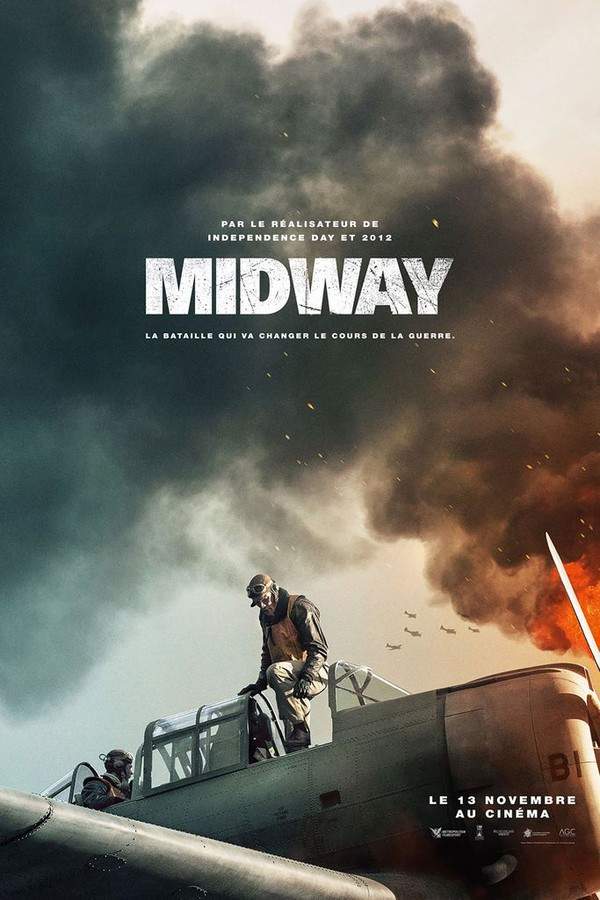
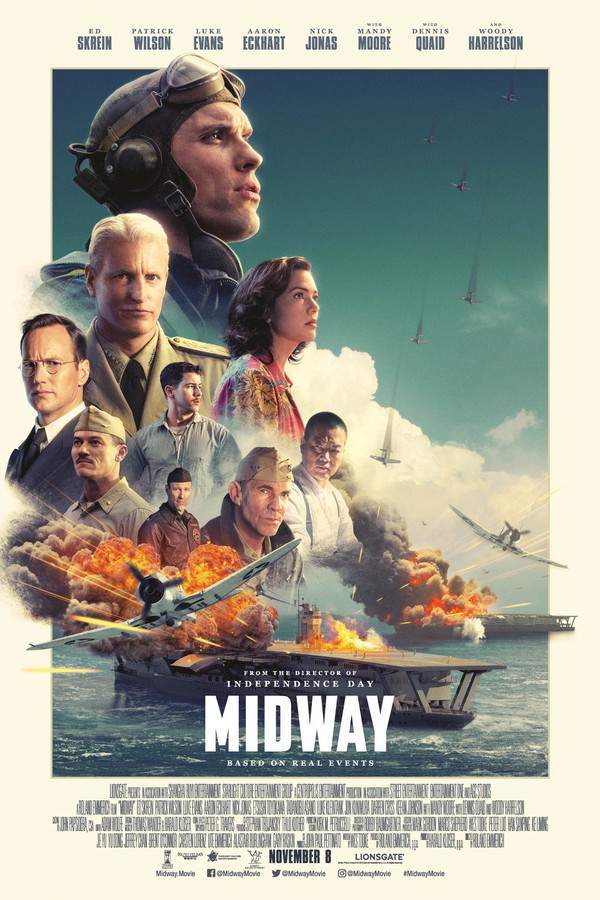
Midway (2019) Spoiler-Packed Plot Recap
Midway (1976) Story Summary & Characters
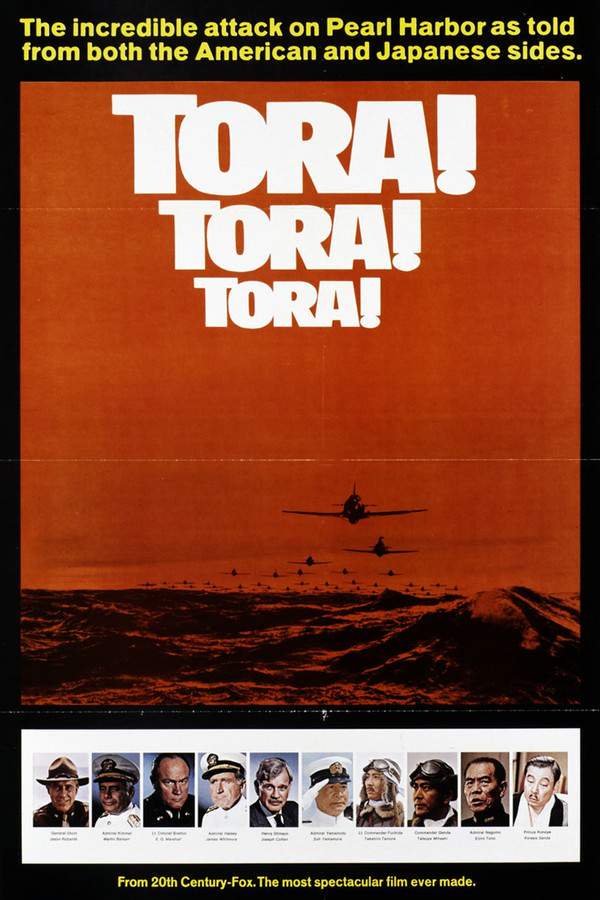
Tora! Tora! Tora! (1970) Detailed Story Recap
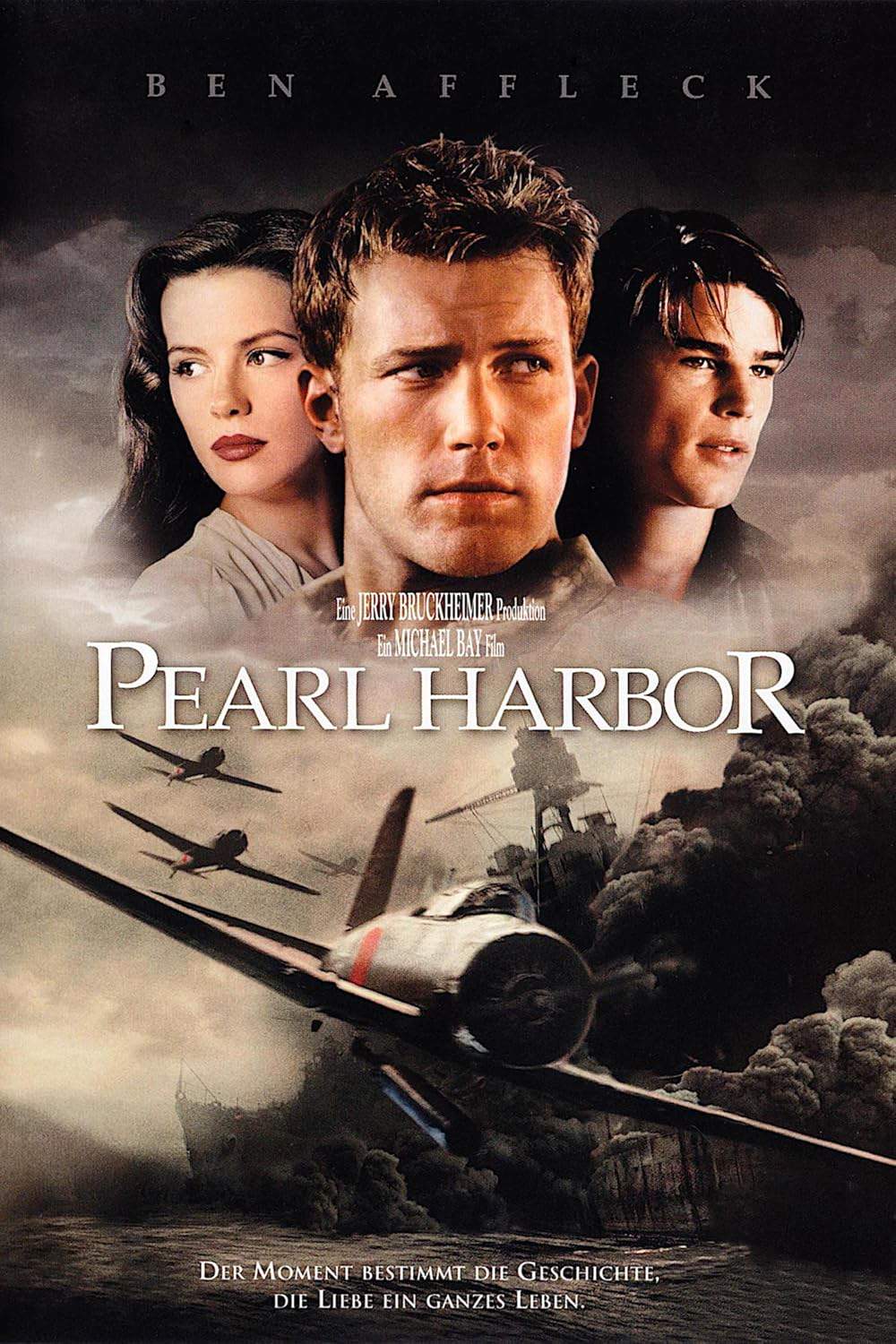
Pearl Harbor (2001) Detailed Story Recap
Dauntless: The Battle of Midway (2019) Detailed Story Recap
The War Lover (1962) Film Overview & Timeline
Twelve O’Clock High (1949) Ending Explained & Film Insights
Dive Bomber (1941) Ending Explained & Film Insights
The Bridges at Toko-Ri (1954) Film Overview & Timeline
Air Force (1943) Film Overview & Timeline
Across the Pacific (1942) Film Overview & Timeline
Torpedo Run (1958) Movie Recap & Themes
Bombardier (1943) Complete Plot Breakdown
Destination Tokyo (1943) Detailed Story Recap
Tokyo Joe (1949) Ending Explained & Film Insights