Plot Explained Spoilers guaranteed!
Plot Explained

Browse by genre

Operation Pacific (1951) movie poster

Plot Summary

Operation Pacific (1951) Plot Summary Explained

Release, runtime and language
1951 · 111 mins · English
Directed by
George Waggner
Starring
John Wayne, Ward Bond, Patricia Neal, James Flavin, Philip Carey, Carleton Young

During World War II, Duke E. Gifford serves as the second‑in‑command of the submarine USS Thunderfish, whose torpedoes repeatedly fail—either detonating prematurely or not at all. Determined to fix the problem, he takes charge of the weaponry. Meanwhile, he hopes to win back his ex‑wife, a nurse, only to discover she’s now involved with a navy pilot who also happens to be his commander’s younger brother.

On this page (5)
  1. 1 What happens: full plot
  2. 2 Plot questions answered
  3. 3 Movie threads
  4. 4 Movies like Operation Pacific
  5. 5 Every angle

Full plot summary · contains spoilers

What Happens in Operation Pacific: Full Plot Summary

The whole story of Operation Pacific (1951) explained, from the opening scene to the final frame: every key event, every twist and what it all adds up to. Read it as a quick recap before the sequel, to check a scene you missed, or to finally understand what really happened.

During World War II, the submarine USS Thunderfish, under the command of Duke E. Gifford John Wayne, is on a perilous mission to the Philippines to rescue a group of nuns and children, including a newborn infant nicknamed "Butch," and transport them to Pearl Harbor. On the way, the sub sights a Japanese aircraft carrier and attacks, but its torpedoes malfunction, exploding halfway to the target. Attacked and pursued by the carrier's escorting destroyers, Thunderfish manages to escape.

At Pearl Harbor, the ship's Executive Officer, Lieutenant Commander Duke E. Gifford, goes to visit Butch at the base hospital, and runs into his ex-wife, Mary Stuart Patricia Neal, a Navy nurse, and they kiss passionately. Mary is now romantically involved with Navy pilot Bob Perry [Philip Carey], Pop's younger brother. Duke pursues Mary anyway, but is sent to sea again before anything is settled.

As the sub returns from the patrol, they spot a Japanese freighter, but again their torpedoes fail to explode. The enemy ship raises the white flag, and Thunderfish surfaces and approaches. The freighter turns out to be a heavily armed Q-ship that opens fire on the sub. Mortally wounded, John "Pop" Perry [Ward Bond] orders the boat to crash dive, knowing that he will not be able to get below before she submerges.

Duke, now in command, orders a "battle surface" behind the ship. On surfacing, Gifford orders the deck guns and anti-aircraft guns, as well as numerous portable light and mountable heavy machine guns operated by the deck crew, to fire at will. After the Q-ship's bridge is disabled and the ship set afire, Duke orders flank speed, ramming the sub into the Japanese ship, holing and sinking the Q-ship.

Thunderfish limps home for repairs to her damaged bow. Back at Pearl Harbor, Bob Perry believes that Duke's order to dive the boat killed his brother, and he refuses to listen to Duke's explanation. Mary tries to comfort Duke, but he rejects her attempts, declaring he only did his duty and feels no regret.

Working with the sub base's torpedo specialists, Duke and the crew of the Thunderfish investigate why the torpedoes are not exploding. When they finally discover the answer, Duke goes to Mary to celebrate, but she rejects him. Since he would not let her into his life when he was at his lowest, she feels that they cannot have a real relationship. Her superior, Commander Steele, overhears the conversation and castigates Mary for throwing away her chance for happiness with Duke.

Once again Thunderfish heads to sea, this time as part of a scouting line searching for a Japanese fleet heading for Leyte to attack the American invasion force there. Thunderfish finds the enemy. Even though it will reveal their presence, Duke broadcasts the fleet's position. Once Pearl Harbor acknowledges the message, Duke salvoes his torpedoes and makes a run for it, throwing the attacking Japanese warships into chaos. Despite enduring a battering from Japanese depth charges, Thunderfish manages to sink a Japanese aircraft carrier.

In the next phase of the battle, American carrier aircraft arrive and attack the Japanese fleet. Thunderfish, now assigned to lifeguard duty, helps to rescue shot-down American flyers, and does so while under attack from Japanese fighters. While rescuing the wounded Bob Perry, the Chief of the Boat and Junior, a seaman from a Navy family, are killed and Duke is wounded by a strafing Japanese Zero.

When the Thunderfish returns to Pearl Harbor after the patrol, Mary is waiting for Duke. The two, reconciled, head to the hospital, intending to adopt Butch.

Last updated: October 09, 2025 at 11:06

Was this helpful?

Plot questions answered

Operation Pacific Plot Explained: Your Questions Answered

The questions people ask most about Operation Pacific (1951): what happens in the confusing scenes, why the characters do what they do, the twists, hidden details and what the ending means. Each answer contains spoilers.

Q1

Why do the torpedoes keep failing on the USS Thunderfish?

The submarine's torpedoes repeatedly fail to detonate, either exploding prematurely or not at all. Duke Gifford works with the torpedo specialists at Pearl Harbor to investigate the problem, and they eventually discover the cause. This malfunction nearly costs the crew their lives during multiple engagements, including when they encounter a Japanese aircraft carrier and later a Q-ship.

Foreshadowing: Earlier attacks show the torpedoes failing at different points, building tension toward the eventual discovery.

  • torpedo failure
  • submarine weapons
  • malfunction
  • USS Thunderfish
Q2

Why does Commander Perry sacrifice himself during the Q-ship attack?

When the Japanese freighter reveals itself as a heavily armed Q-ship and opens fire, Commander Perry is mortally wounded. He orders the boat to crash dive, knowing he cannot get below in time due to his injuries. He stays on deck to ensure the crew can escape, giving Duke effective command to carry out the battle surface and ram the enemy ship.

Foreshadowing: Perry's experience and leadership are shown throughout, setting up his ultimate act of sacrifice.

  • Commander Perry
  • sacrifice
  • Q-ship
  • death
  • submarine battle
Q3

Why does Mary reject Duke after he solves the torpedo problem?

When Duke solves the torpedo malfunction and goes to celebrate with Mary, she rejects him. She explains that since he would not let her into his life when he was at his lowest point, she feels they cannot have a real relationship now. Her priority is her career and the memories of their past, and she believes too much time has passed for them to reconnect.

Foreshadowing: Their earlier reunion shows Duke pulled between duty and love, hinting at the emotional distance that will ultimately divide them.

  • Mary Stuart
  • rejection
  • romance
  • Duke Gifford
  • relationship
Q4

Why does Bob Perry blame Duke for his brother's death?

Bob Perry believes that Duke's order to crash dive the submarine is what killed his brother Commander Perry. He refuses to listen to Duke's explanation of events. This creates conflict between the two men, especially as both are competing for Mary's affection.

Foreshadowing: The tension between Duke and Bob is established early when Mary reveals their relationship.

  • Bob Perry
  • blame
  • Commander Perry's death
  • conflict
Q5

Why does Duke ram the Q-ship instead of retreating?

After Commander Perry is mortally wounded and orders a crash dive, Duke takes command and orders a battle surface. He directs the deck guns and anti-aircraft guns to fire at the Japanese ship, disabling its bridge and setting it ablaze. Then he orders flank speed and rams the sub into the Q-ship, holing and sinking it. This bold action destroys the enemy while allowing Thunderfish to escape despite her damaged bow.

Foreshadowing: Duke's leadership and willingness to take decisive action are shown throughout the film.

  • ramming
  • Q-ship
  • battle surface
  • submarine attack
  • WWII
Q6

Why does Duke broadcast the Japanese fleet position knowing it would reveal their location?

During the Leyte operation, Thunderfish is part of a scouting line searching for the Japanese fleet heading to attack the American invasion force. Duke broadcasts the fleet's position to Pearl Harbor, knowing it will reveal their presence but understanding the tactical importance of alerting the American forces. Once Pearl Harbor acknowledges, he launches his torpedoes and makes a run for it.

Foreshadowing: The scouting mission establishes the importance of intelligence gathering in the Pacific War.

  • Japanese fleet
  • Leyte
  • broadcast
  • scouting
  • American invasion
Q7

What happens to Butch and does Duke adopt him?

Butch is a newborn infant nicknamed "Butch" who is rescued along with a group of nuns and children during Thunderfish's initial mission to the Philippines. The baby is transported to Pearl Harbor and placed in the base hospital. At the end of the film, Duke and Mary reconcile and head to the hospital together with plans to adopt Butch, signaling their hope for a future together after the war.

Foreshadowing: The rescue mission establishes Butch as a symbol of hope and new life amid war.

  • Butch
  • baby
  • adoption
  • nuns
  • rescue
  • hospital
Q8

How does the damaged Thunderfish manage to sink a Japanese aircraft carrier?

Despite their torpedoes having failed in previous engagements, Duke and his crew launch a salvo of torpedoes at the Japanese fleet during the Leyte operation. The attack throws the Japanese warships into chaos. Even after enduring a severe battering from depth charges that damage the submarine, Thunderfish manages to sink a Japanese aircraft carrier.

Foreshadowing: The earlier torpedo failures make this success more significant after the problem is solved.

  • Japanese carrier
  • sinking
  • depth charges
  • Thunderfish victory
Q9

Why does Duke refuse Mary's attempts to comfort him after the battle?

After the Q-ship battle where Commander Perry dies, Mary tries to comfort Duke, but he rejects her attempts. He declares that he only did his duty and feels no regret for his actions. This rejection reflects Duke's emotional distance and his belief that he must remain focused on his responsibilities as a naval officer, not on personal relationships.

Foreshadowing: Duke's sense of duty is established early as his defining character trait.

  • Duke
  • Mary
  • comfort
  • duty
  • emotional distance
Q10

How do Duke and Mary reconcile in the end?

After the Leyte patrol where Duke is wounded and the submarine returns to Pearl Harbor, Mary is waiting for him. The two reconcile, putting aside their earlier conflicts and Mary's rejection. They head to the hospital together to adopt Butch, ending the film on a hopeful note with their relationship restored and plans for a family.

Foreshadowing: The tension between duty and love runs throughout the film, building toward this resolution.

  • reconciliation
  • Duke
  • Mary
  • ending
  • adoption
  • happy ending

Movie threads

More Movies Like Operation Pacific, by Mood & Story

Curated lists built around what makes Operation Pacific tick: the same mood, the same kind of story or the same emotional payoff. Each list explains why these movies belong together.

Movies like Operation Pacific

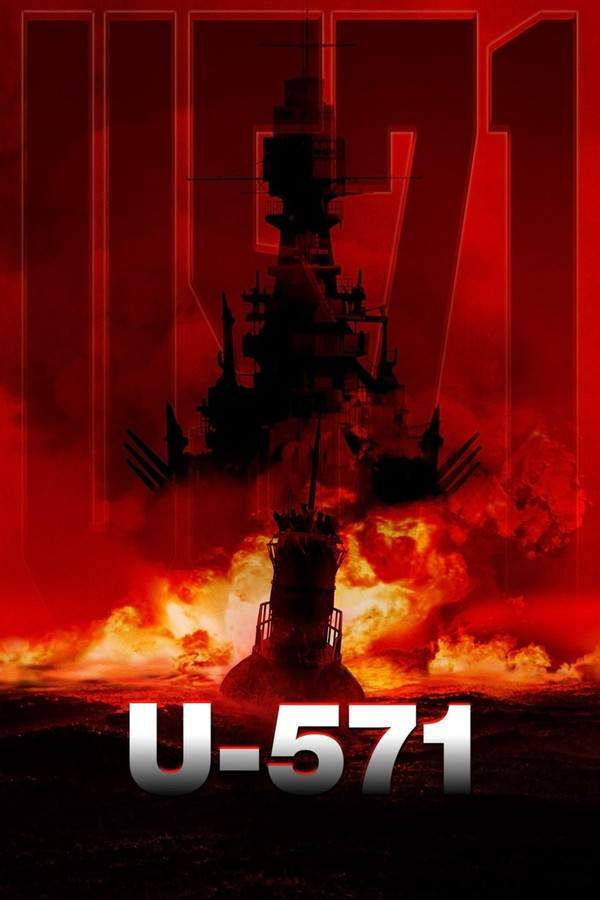
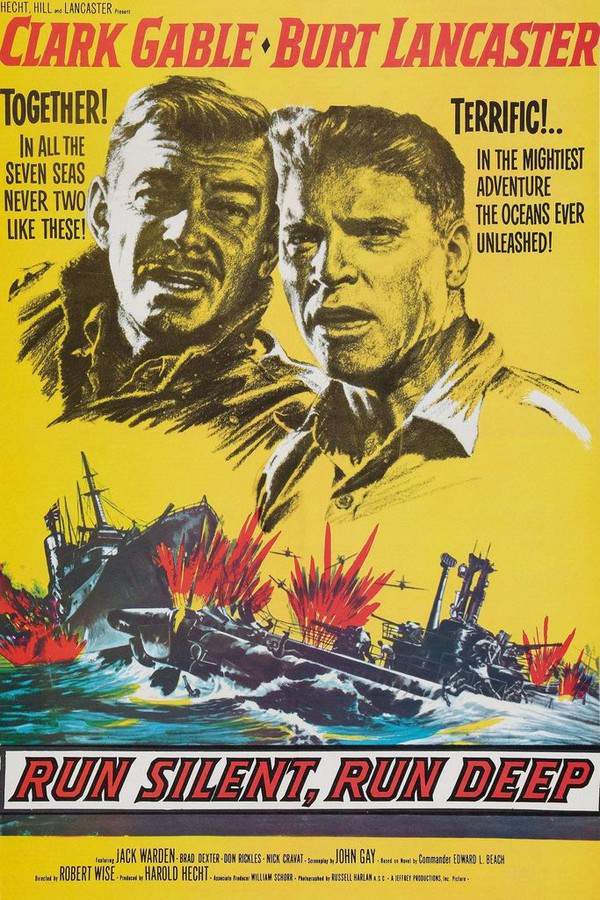
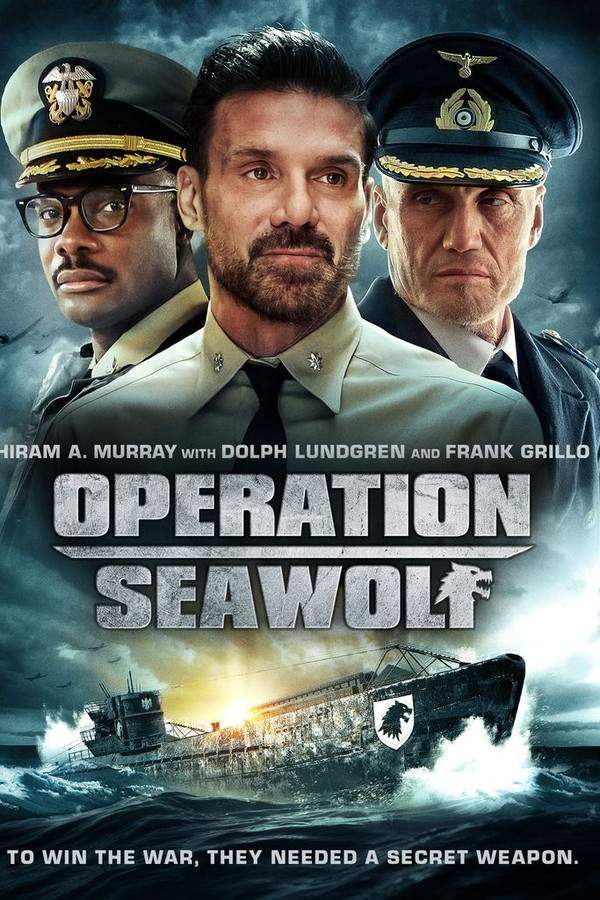
High-stakes military missions in the confined, perilous world beneath the waves. If you liked the intense, claustrophobic setting of Operation Pacific, explore more movies that capture the unique drama of submarine warfare. These films share a tense, high-stakes atmosphere set within the confined world of a military sub, focusing on command decisions, equipment failure, and survival against overwhelming odds.

  • claustrophobic
  • tense
  • suspenseful
  • heroic
  • military
  • technical
  • Tone: tense, suspenseful
  • Pacing: fast, driven by action
Why these movies?

The story pattern: These stories typically follow a military crew on a critical mission, where the primary conflict is as much against a malfunctioning vessel or faulty technology as it is against a human enemy. The narrative builds tension through a series of escalating threats, often testing the leadership and camaraderie of the crew as they operate in an inherently dangerous environment.

Why they belong together: They are grouped by their shared, highly specific setting and the intense, suspenseful mood it creates. The combination of military procedure, life-or-death decision-making, and the physical constraints of the submarine produces a coherent and distinct viewing experience focused on pressurized action and survival.

War dramas with romance like Operation Pacific

Where personal love stories intertwine with the heavy responsibilities of combat. If you enjoyed the blend of high-stakes naval combat and second-chance romance in Operation Pacific, you'll find similar movies here. These stories combine the intensity of wartime missions with compelling personal relationships, often featuring themes of duty, honor, and finding love in a time of conflict.

  • romantic
  • heroic
  • wartime
  • duty
  • hopeful
  • dramatic
  • Tone: tense, hopeful, romantic
  • Pacing: fast-paced action with emotional beats
Why these movies?

The story pattern: The narrative pattern involves a protagonist juggling a demanding, high-risk military role with a complex romantic relationship. The war provides the stakes and obstacles, while the romance offers an emotional core and a glimpse of a life beyond the battlefield. The journey typically culminates in a resolution where both the mission and the relationship are tested and ultimately affirmed.

Why they belong together: These films are grouped by their successful fusion of two major genres: war action and romance. They appeal to viewers who want the excitement of combat alongside a meaningful emotional arc, creating a satisfying mix of heroic spectacle and human connection that ends on a hopeful note.

If you liked this

Movies Like Operation Pacific

Similar movies to Operation Pacific: the same genre, themes or kind of story. Each one comes with its own plot summary, timeline and ending explained.

Browse all movie summaries

Every angle

Operation Pacific (1951) Explained: Plot, Timeline & Characters

Everything about Operation Pacific in one place: what happens in the plot summary, the timeline in chronological order, the characters and meaning and a spoiler-free summary. What's After the Movie adds the cast, box office and post-credit scenes.

Coming soon on iOS and Android

The Plot Explained Movie Summary App

Plot summaries, endings explained and timelines on your phone. Catch up on any movie in minutes, save your favorites and never miss a twist again.

Be the first to know when we launch. Your email stays private, always.

Learn more about the app