Plot Explained Spoilers guaranteed!
Plot Explained

Browse by genre

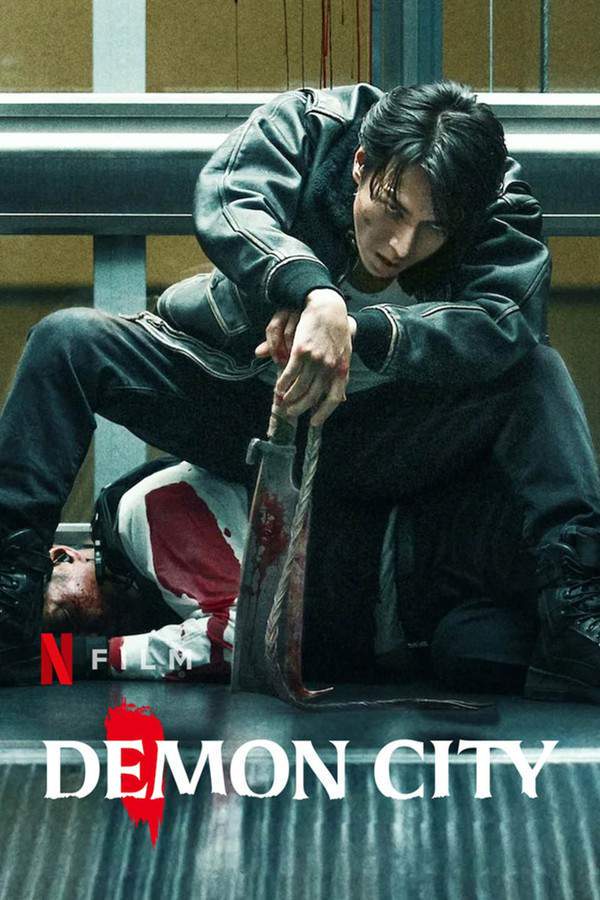
Demon City (2025) movie poster

Ending Explained

Demon City (2025) Ending Explained – Final Scene & Meaning

Release, runtime and language
2025 · 1 h 46 m · Japanese
Echo score 46
Loading streaming availability…
Directed by
Seiji Tanaka
Starring
Matsuya Onoe, Tôma Ikuta, Mai Kiryû, Jason Her, Naoto Takenaka, Masahiro Higashide

After attempting to leave his life as a hitman behind for his family, Shuhei Sakata's past catches up to him when the Kimen-gumi organization murders his wife and daughter, framing him for the crime. Severely wounded, he survives a shooting and falls into a coma. Twelve years later, the Kimen-gumi resurfaces to attack him once more.

On this page (6)
  1. 1 Where to watch
  2. 2 What happens at the end
  3. 3 Final events in order
  4. 4 Ending questions answered
  5. 5 Movie threads
  6. 6 Every angle
Loading streaming availability…

Ending explained · contains spoilers

What Happens at the End of Demon City?

How Demon City (2025) ends, what the final scene means, which earlier moments set it up and how to read the ending if the film leaves it open. The full ending explained, with every spoiler.

Sakata’s story in Demon City reaches its climax as he fights to avenge his wife Aoi and find a semblance of peace for his daughter Ryo. After waking from a 12-year coma, Sakata is driven by rage and grief to take down the corrupt Kimen-gumi and its leader, Ryu Sunohara. His mission leads him through a brutal confrontation that culminates at the Mahoroba, where he fights his way past armed guards, Kanta Fase, and Jin Sunohara. Although Ryo initially sees Sakata as an intruder and even wounds him, she doesn’t recognize her father in the chaos. In the final showdown, Sakata battles Ryu, losing an arm but ultimately killing him and ending his reign of terror. With Ryu dead, Kanta Fase is also defeated, and Sakata succumbs to his injuries, giving his daughter the chance to say goodbye. Ryo's grief and resolve come to the forefront as she takes her revenge, shooting Jin off guard and ensuring her father’s final wishes are fulfilled. The ending hints at a new beginning for Ryo, who steps into the role of Shinjo’s guardian, implying she might become a vigilante or hero to protect the city from future evil. Meanwhile, Jin Sunohara, presumed dead, reappears as the new mayor, manipulated by the false promises of power. Despite his victory, his arrogance blinds him to the danger Ryo poses, and she ultimately eliminates him in a well-aimed attack. The story closes with Ryo's transformation, leaving open the possibility of her becoming a protector for Shinjo, possibly in a sequel. The film underscores how revenge can lead to redemption and how characters shaped by tragedy can rise to fight for a better future.}

Last updated: June 25, 2025 at 08:44

Was this helpful?

The last 4 events

How Demon City Ends: The Final Events in Order

The last events of Demon City (2025) in chronological order, the run-up to the ending explained above. The complete timeline has all 15 events, scene by scene.

Open the full timeline
  1. Escape from the Hospital

    Following the brutal fight, Sakata walks out of the hospital under his own power. His friend is waiting for him right in front of the hospital, ready to whisk him away in his car. Behind them, the police arrive to investigate the accomplice's body lying on the ground below the hospital.

    Where
    The hospital
  2. Assault on the Villain's Workshop

    Having recovered his mobility and regained his physical capabilities, Sakata launches a direct attack on the villain's workshop. This base of operations belongs to the men behind his family's murder. The bold strike marks the true beginning of his campaign of vengeance.

    Where
    The villain's workshop
  3. The Discovery of His Alive Child

    During his quest for revenge, Sakata makes a life-changing discovery, as his child is revealed to be alive. This revelation transforms his mission, giving him a reason to fight beyond vengeance alone. It fuels his determination to seek bloody revenge on the men who took his family away from him.

  4. Bloody Revenge on the Eve of the Megacomplex

    On the eve of the villains opening their grand megacomplex, Sakata seizes the moment to pursue his bloody revenge on the men who destroyed his family. The timing is crucial, striking at the height of their power and success. Sakata's relentless hunt culminates in a final reckoning against those responsible for his suffering.

    When
    The eve of the megacomplex opening
    Where
    The megacomplex

Ending questions answered

Demon City Ending: Your Questions Answered

The questions people ask most about the ending of Demon City (2025): what the final scene means, how the twist works, what happens to each character and how to read the ending. Each answer contains spoilers.

Q1

Why does Sakata attack the Kimen-gumi after 12 years in a coma?

Sakata wakes consumed by grief and rage over what happened to his family. He targets the Kimen-gumi and its leader, Ryu Sunohara, because destroying them is the only way he sees to avenge Aoi and give Ryo a future. In Demon City, the time jump turns his recovery into the beginning of a single-minded revenge mission.

Foreshadowing: Aoi's murder and Sakata's coma establish the grievance that drives his later attacks.

  • sakata
  • coma
  • kimen gumi
  • revenge
  • ryo
Q2

How did Ryo survive the attack on her family?

Ryo survives the attack that kills Aoi and leaves Sakata comatose. The ending reveals that she has lived through the 12 years and become a capable fighter by the time Sakata reaches the Mahoroba. The film does not show exactly how she escaped, so her survival is revealed through her presence rather than a separate backstory.

Foreshadowing: Ryo treating Sakata as an intruder later quietly confirms that she survived without knowing him.

  • ryo survives
  • family attack
  • aoi
  • shinjo
  • 12 years
Q3

What happens when Sakata fights Ryu Sunohara?

Sakata's final duel with Ryu is won at severe cost. He loses an arm but continues until he kills Ryu, ending the Kimen-gumi leader's reign of terror. The victory removes Ryu from the conflict, but it also leaves Sakata mortally wounded.

Foreshadowing: The mounting injuries during the duel foreshadow that Sakata will not survive his victory over Ryu.

  • sakata
  • ryu sunohara
  • final duel
  • lost arm
  • kimen gumi
Q4

Does Sakata survive the final fight with Ryu?

No. Sakata succumbs to the injuries sustained during the final assault after Ryu and Kanta Fase are defeated. Ryo gets a final chance to say goodbye, turning his death into the emotional cost of the revenge he completed. His final victory succeeds in avenging Aoi, but it cannot restore the family life he wanted.

  • sakata death
  • final fight
  • ryu sunohara
  • ryo goodbye
Q5

Why does Ryo shoot Jin Sunohara?

After Sakata dies, Ryo ambushes Jin and shoots him off guard. She regards him as part of the Kimen-gumi's attack on her family and uses the shot to carry out her father's final wishes. Her grief becomes deliberate action rather than passivity.

Foreshadowing: Her earlier defense against Sakata already shows that she will fight the family's enemies with lethal resolve.

  • ryo
  • jin sunohara
  • revenge
  • final wishes
  • family attack
Q6

How does Jin Sunohara return after being presumed dead?

Jin does not stay dead after Ryo's first attack. Although the shooting leaves him presumed dead, he later reappears as Shinjo's new mayor, driven by the false promises of power. His arrogance eventually leaves him blind to the danger Ryo represents, allowing her to eliminate him in a well-aimed attack. The Demon City ending turns Jin's apparent death into a false resolution.

  • jin sunohara
  • presumed dead
  • mayor
  • shinjo
  • ryo
Q7

Why doesn't Ryo recognize Sakata at the Mahoroba?

After a 12-year coma, Sakata is effectively a stranger to Ryo, and his bloodied, armed approach makes him look like another threat. She therefore treats him as an intruder and wounds him before learning that he is her father. The failed recognition turns their reunion into one of the ending's tragic contradictions.

Foreshadowing: The 12-year time jump is the key setup for why Ryo cannot identify the wounded stranger.

  • ryo
  • sakata
  • 12 years
  • recognition
  • mahoroba
Q8

Why does Sakata keep fighting after losing an arm?

Sakata continues because avenging Aoi and securing Ryo's future remain his driving objectives, and losing an arm does not change them. The injury raises the physical price of the mission while making his determination more visible. His collapse afterward turns the victory into a sacrifice rather than a clean escape.

Foreshadowing: The accumulating wounds during the Mahoroba assault foreshadow that completing the mission will cost him his life.

  • sakata
  • lost arm
  • determination
  • final showdown
  • revenge
Q9

What happens at the Mahoroba showdown?

At the Mahoroba, Sakata fights through armed guards, Kanta Fase, and Jin Sunohara to reach Ryu. Ryo initially attacks Sakata because she mistakes him for an intruder, turning the rescue into a confused family confrontation. The assault ends with Ryu and Kanta defeated and Sakata dying from his wounds.

Foreshadowing: Ryo's first attack on the wounded Sakata foreshadows her later role in fighting Jin.

  • mahoroba
  • final showdown
  • kanta fase
  • jin sunohara
  • sakata
Q10

Does Ryo become a vigilante at the end?

Ryo becomes Shinjo's guardian, suggesting that she will continue the fight as a vigilante or protector rather than remain a victim. The ending leaves her exact future open, but her transformation is clear: she inherits Sakata's resolve and directs it toward protecting the city. This role also provides the clearest hook for a sequel.

Foreshadowing: Sakata's wish to give Ryo a future and her decisive attack on Jin both point toward her guardian role.

  • ryo
  • shinjo guardian
  • vigilante
  • protector
  • sequel
Q11

What happens to the Kimen-gumi after Ryu dies?

Ryu Sunohara is killed and Kanta Fase is defeated, breaking two of the central figures opposing Sakata in the final assault. Jin's later rise as mayor shows that eliminating those threats does not erase the corruption surrounding Shinjo. The Kimen-gumi's defeat is therefore a major victory, but not a complete restoration of order.

Foreshadowing: Ryu and Kanta's final defeats foreshadow a temporary rather than total victory because Jin returns.

  • kimen gumi
  • ryu sunohara
  • kanta fase
  • jin sunohara
  • mayor
Q12

What does the ending mean about revenge and redemption?

The ending treats revenge as both justice and a destructive force. Sakata gets the satisfaction of killing Ryu, but only by sacrificing his own life; Ryo inherits his determination and may use it to protect Shinjo rather than repeat his vengeance. Even with that possible renewal, the film leaves the emotional cost of the cycle of violence intact.

Foreshadowing: Ryo's survival provides the one element that lets the ending point toward renewal rather than total destruction.

  • revenge
  • redemption
  • ryo
  • sakata
  • violence
Q13

Does the ending set up a sequel?

The ending strongly suggests a sequel by leaving Ryo's new role as Shinjo's guardian undefined. Demon City closes the conflict with Ryu and Jin but opens a future in which Ryo might confront new threats to the city. A sequel is implied rather than explicitly confirmed.

  • ending clue
  • sequel
  • ryo
  • shinjo guardian
  • vigilante

Movie threads

More Movies Like Demon City, by Mood & Story

Curated lists built around what makes Demon City tick: the same mood, the same kind of story or the same emotional payoff. Each list explains why these movies belong together.

Trauma-Fueled Revenge Movies Like Demon City

Grief-stricken survivors transform suffering into a relentless quest for vengeance. Explore movies like Demon City in which family tragedy transforms a wounded survivor into a driven avenger. These dark revenge stories emphasize grief, trauma, recovery, and relentless retaliation, pairing heavy emotional loss with graphic violence and a narrow path toward violent justice.

  • vengeful
  • traumatic
  • grim
  • relentless
  • grief-stricken
  • brutal
  • Tone: dark, grieving, menacing
  • Pacing: variable, punctuated by bursts of violence
Why these movies?

The story pattern: After a personal tragedy or assault, the protagonist's former life collapses. A long recovery, coma, or period of isolation changes them, and the criminals responsible reappear. Survival becomes a focused, bloody pursuit, with each confrontation exposing deeper trauma and raising the violence rather than restoring peace.

Why they belong together: These films pair heavy grief with high-intensity revenge, using the destruction of family to strip away restraint. Their appeal lies in the transformation of a wounded survivor into an active, dangerous pursuer, sustained by trauma, grim atmosphere, and graphic confrontations.

Brutal Organized Crime Thrillers Like Demon City

Crime syndicates return, forcing battered protagonists into brutal escalating confrontations. Find movies like Demon City with brutal organized crime, repeated armed attacks, and escalating confrontations. These dark action thrillers thrust vulnerable survivors into criminal strongholds, using graphic close-quarters violence, oppressive settings, and relentless momentum to create a siege-like experience without escape.

  • organized crime
  • siege-like
  • brutal
  • oppressive
  • suspenseful
  • violent
  • Tone: dark, oppressive, menacing
  • Pacing: variable, steadily escalating
Why these movies?

The story pattern: An organized criminal group devastates the protagonist's life, demonstrating its reach and leaving no secure refuge. The hero survives, recovers, and is confronted again when the syndicate resurfaces. Hostile confrontations escalate from isolated strikes to sustained assaults, forcing the weakened protagonist into direct, extreme measures against overwhelming criminal force.

Why they belong together: The common appeal is the collision of underworld power and physical vulnerability. Like these films, Demon City uses recurring attacks, graphic combat, and oppressive criminal settings to make revenge feel less like a clean heroic quest and more like a brutal siege with uncertain release.

Every angle

Demon City (2025) Explained: Plot, Ending, Timeline & Characters

Everything about Demon City in one place: what happens in the plot summary, the timeline in chronological order, the characters and meaning, the ending explained and a spoiler-free summary. What's After the Movie adds the cast, box office and post-credit scenes.

Coming soon on iOS and Android

The Plot Explained Movie Summary App

Plot summaries, endings explained and timelines on your phone. Catch up on any movie in minutes, save your favorites and never miss a twist again.

Be the first to know when we launch. Your email stays private, always.

Learn more about the app