






Plot Explained Spoilers guaranteed!
Plot Explained

Browse by genre

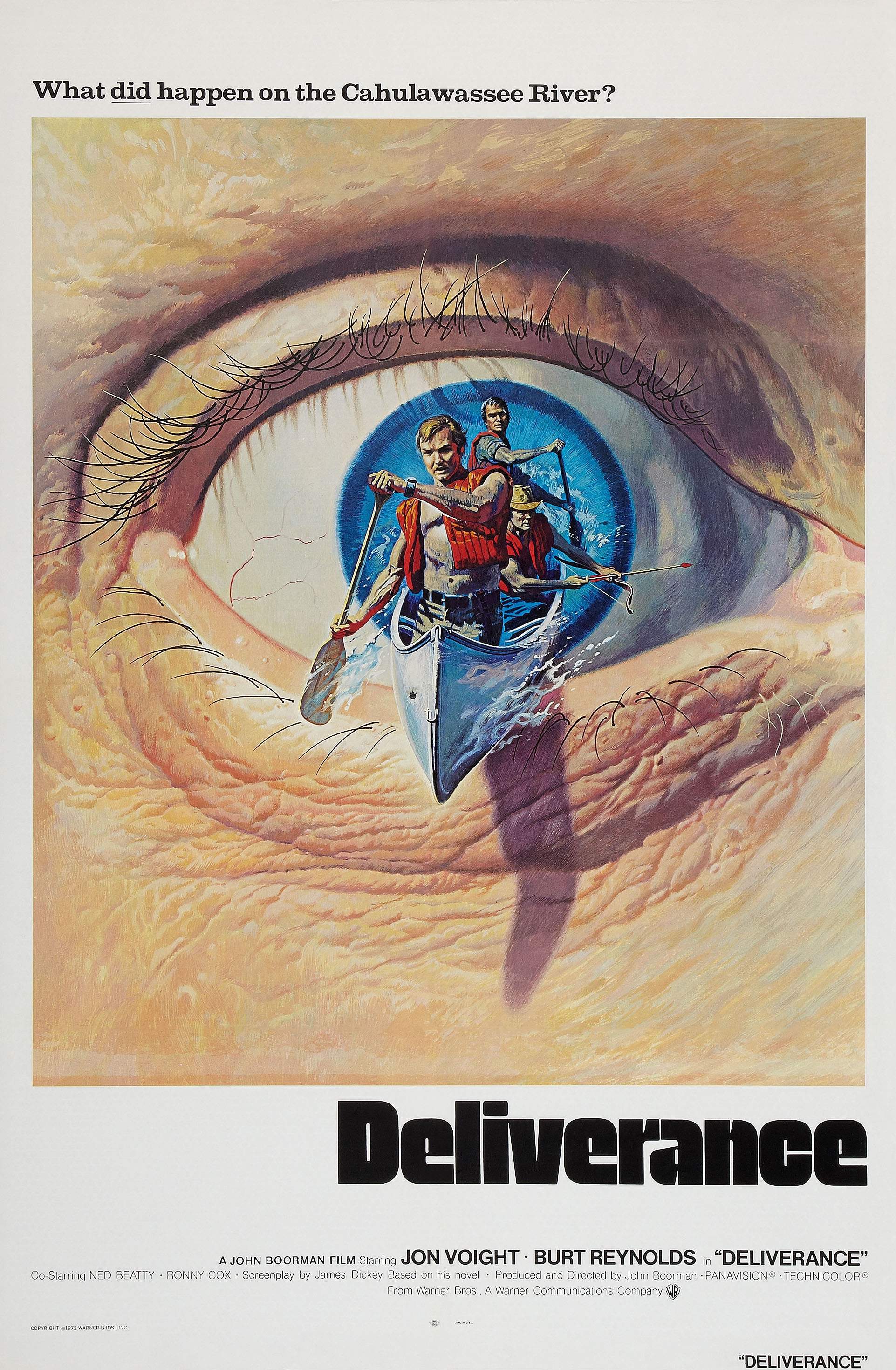
Deliverance (1972) movie poster

Timeline

Deliverance (1972) Timeline Explained – Every Event in Order

Release, runtime and language
1972 · 109 min · Hindi
Directed by
John Boorman
Starring
Jon Voight, Ronny Cox, Burt Reynolds, Bill McKinney, Ned Beatty, Billy Redden

A man facing declining health reluctantly undertakes a challenging mission to demonstrate his worthiness. He hopes to secure his daughter's marriage into a higher social class, but the journey forces him to confront his own mortality and the rigid societal structures he must navigate. It's a tense exploration of duty, tradition, and the struggle for acceptance.

On this page (7)
  1. 1 Where to watch
  2. 2 Events in order (14)
  3. 3 Timeline questions answered
  4. 4 The book behind the movie
  5. 5 Movie threads
  6. 6 Movies like Deliverance
  7. 7 Every angle

Where to watch

Where to Watch Deliverance (1972)

Where can you watch Deliverance? Stream, rent or buy it in the US, including on Amazon Video, Apple TV Store and Fandango At Home: current JustWatch availability with up-to-date prices.

Streaming availability powered by JustWatch

14 events in order · contains spoilers

Deliverance Timeline: Events in Chronological Order

Every key event of Deliverance (1972) in order, scene by scene, with when and where it takes place. Use it to untangle flashbacks, time jumps and parallel storylines, to refresh your memory before the sequel or to find the exact scene you are thinking of.

  1. Starting the Adventure

    Lewis, Ed, Bobby, and Drew, four businessmen from Atlanta, embark on an adventurous canoe trip down the Cahulawassee River. Their goal is to experience the untouched wilderness of northern Georgia before the area gets flooded due to the construction of a dam.

    Where
    Cahulawassee River
  2. Disrespecting the Locals

    On their drive to the launch site, the friends display a sense of superiority and disrespect toward the locals they encounter. This leads to a tense atmosphere and foreshadows the troubles they will face during their journey.

  3. Musical Duel

    While stopping at a gas station, Drew challenges a young banjo player to a musical duel, attracting attention from the locals. The challenge brings joy to some, but ultimately ends with the boy refusing to shake hands with Drew, highlighting the tension between the newcomers and the locals.

    Where
    Gas Station
  4. Encounter with Mountain Men

    As the canoes drift apart, Ed and Bobby encounter two intimidating mountain men in a secluded area. The situation escalates quickly as one of the men forces Bobby to strip and violently assaults him, creating a moment of sheer terror.

  5. Rescue Attempt

    Realizing the severity of the situation, Lewis acts quickly and uses his bow and arrow to save Bobby from further attack. Ed manages to overpower the second mountain man, leading to a chaotic struggle for survival.

  6. Covering Up the Incident

    After the violent encounter, the group decides to bury the body of the mountain man and keep the incident a secret. The decision weighs heavily on them, but they choose to continue their journey, hoping to put the experience behind them.

  7. Navigating the Rapids

    The friends face treacherous rapids that significantly challenge their canoeing skills. As Drew and Ed navigate the dangerous waters, Drew falls overboard, resulting in a catastrophic capsize that injures Lewis and scatters the group across the treacherous rocks.

  8. A Dark Decision

    Believing that Drew has been shot, a frantic Lewis convinces Ed to climb the gorge and set up an ambush for the lurking mountain man. In a moment of panic, Ed inadvertently pulls the trigger and kills the man, realizing only after that he was not the target.

  9. Sinking More Than One Body

    Nauseated by their actions, Ed and Bobby decide to sink the first victim's body in the river, along with Drew's lifeless form when they discover him downstream. The depth of their predicament deepens as they are forced to further conceal their guilt.

  10. Arriving in Aintry

    Arriving in the small town of Aintry, Ed and Bobby rush an injured Lewis to the hospital. They concoct a fabricated story about Drew’s death, but their assurance wavers when Ed misinterprets Bobby's words as a confession.

    Where
    Aintry
  11. Confrontation with Sheriff

    Sheriff Bullard confronts the men regarding a missing hunter while they are at the hospital. Although he suspects them, he does not have enough evidence to detain them, warning them not to engage in such reckless adventures again.

    Where
    Hospital
  12. Sealing the Pact

    The trio makes a pact to keep the weight of their secrets between them indefinitely. They agree to carry their guilt and trauma, attempting to return to their normal lives despite the burden of their actions.

  13. Returning Home

    Returning home, Ed finds no comfort in the familiarity of his family. The peace he seeks eludes him, overshadowed by the horrors of their adventure and the guilt of what they have done.

  14. Symbol of Trauma

    Some time later, Ed is haunted by a chilling symbol of his trauma—a decomposed hand rising from the depths of the lake. This unsettling image serves as a constant reminder of their harrowing experience, leaving him unable to escape the past.

Last updated: November 16, 2024 at 15:08

Was this helpful?

Timeline questions answered

Deliverance Timeline Explained: Your Questions Answered

When does it happen, and why in that order? The questions people ask about the chronology of Deliverance (1972): time jumps, flashbacks, cause and effect between scenes and the correct order of events, each answered with spoilers.

Q1

Why do the mountain men attack Bobby on the river?

The mountain men attack Bobby as an act of random violence and sexual assault. After the group paddles apart, Ed and Bobby encounter two intimidating locals in a secluded area. One of them forces Bobby to strip and brutal assault him, ordering Bobby to "squeal like a pig." This appears to be a predatory attack by dangerous individuals who target isolated travelers, though the earlier disrespect the group showed toward locals may have heightened tensions.

Foreshadowing: The group's earlier disrespect toward local residents during their drive creates a hostile atmosphere that foreshadows their violent encounter.

  • mountain men attack
  • bobby assault
  • sexual assault
  • canoe trip violence
Q2

Why does Lewis kill the mountain man with a bow and arrow?

Lewis kills the mountain man to save Bobby from further assault. When Lewis hears Bobby's screams, he rushes to the scene and finds Bobby being attacked. Using his bow and arrow, a weapon he carries as the experienced outdoorsman, Lewis shoots and kills the rapist before Ed manages to seize the shotgun from the second attacker. This quick action prevents the assault from continuing and saves Bobby's life.

Foreshadowing: Lewis is established as the experienced, confident leader of the group and the only one skilled with outdoor weapons, making his role as protector logical.

  • lewis kills
  • bow and arrow
  • rescue bobby
  • mountain man death
Q3

Why do they decide to bury the mountain man's body?

The group decides to bury the body and cover up the incident because they panic and fear the legal and social consequences. After Lewis kills the rapist and Ed disarms the second attacker who runs away, the four friends argue about what to do. They ultimately choose to bury the body and continue their trip, wanting to put the traumatic event behind them and avoid involvement with local law enforcement. Their status as Atlanta businessmen and the nature of the crime make them reluctant to report it.

  • bury body
  • cover up
  • mountain man murder
  • concealment
Q4

Why does Lewis convince Ed to set an ambush in the gorge?

Lewis convinces Ed to climb the gorge and set an ambush because he believes Drew was shot by the lurking mountain man. After their catastrophic capsize in the rapids, Lewis is injured and convinced he heard a gunshot that killed Drew. Desperate to protect the group from what he perceives as an ongoing threat, Lewis urges Ed to scale the gorge and wait for the mountain man to return, intending to ambush him first.

  • lewis convince ed
  • ambush
  • gorge
  • drew death cause
Q5

Why does Ed accidentally kill the second mountain man?

Ed kills the second mountain man accidentally because of panic and mistaken identity. After waiting through the night in the gorge, Ed spots a figure above him at dawn. Believing it to be the mountain man who supposedly shot Drew, Ed panics and pulls the trigger, killing the man. Only after does he realize the victim was wearing dentures and was likely the same man from the earlier attack, but by then it's too late. His extreme fear and adrenaline caused him to act without confirmation.

  • ed kills
  • mountain man death
  • accidental killing
  • panic shooting
Q6

Why do Ed and Bobby sink Drew's body in the river?

Ed and Bobby sink Drew's body along with the mountain man's corpse to conceal all evidence of their actions. After discovering Drew's lifeless body downstream, having drowned during the capsizing, they decide to weigh both bodies down with rocks and drop them in the river. This ensures there will be no bodies found that could link them to the earlier violence, allowing them to maintain their fabricated story about Drew dying in a canoeing accident.

  • drew body
  • sink body
  • river concealment
  • cover up deaths
Q7

Why do the three survivors make a pact to keep the secret?

The three survivors, Lewis, Ed, and Bobby, make a pact to carry their secrets indefinitely because they are trapped by their shared guilt and fear of consequences. They have already lied to Sheriff Bullard about Drew's death and have concealed multiple bodies. Breaking their silence would expose their crimes and destroy their lives, so they agree to uphold the lie together. The pact represents their mutual entanglement in trauma and complicity.

  • pact secret
  • keep silence
  • guilt
  • conspiracy
Q8

What does the decomposed hand rising from the lake mean?

The decomposed hand rising from the lake is a haunting symbol of Ed's unprocessed trauma and guilt. After returning home, Ed cannot find peace because the horrors of their trip, the assault, the murders, the cover-up, continue to haunt him. The image of the hand, which belongs to either Drew or one of the mountain men, represents how the past refuses to stay buried. It symbolizes the permanent psychological damage and the impossibility of truly escaping what happened on the river.

  • decomposed hand
  • ending symbolism
  • trauma
  • lake
  • haunting
Q9

Why does Drew's musical duel at the gas station matter?

Drew's musical duel at the gas station matters because it establishes the tense relationship between the Atlanta businessmen and the local residents. Drew challenges a young banjo player to a contest, which initially brings enjoyment to some locals who start dancing. However, the boy refuses to shake Drew's hand afterward, highlighting the friction between the outsiders' arrogance and the local community. This encounter foreshadows the violence that later occurs when the group encounters mountain men in the wilderness.

  • drew
  • banjo duel
  • gas station
  • locals
  • tension
Q10

Why doesn't Sheriff Bullard arrest the men?

Sheriff Bullard doesn't arrest the men because he lacks sufficient evidence to hold them, despite strong suspicions. The sheriff questions the group at the hospital about a missing hunter in the area and notices inconsistencies in their story about Drew's death. However, with no bodies, no witnesses, and the men's coordinated account, he cannot legally detain them. He warns them to never return and pursue such reckless adventures, effectively letting them go while making clear his distrust.

  • sheriff bullard
  • no evidence
  • arrest
  • missing hunter
  • interrogation

Movie threads

More Movies Like Deliverance, by Mood & Story

Curated lists built around what makes Deliverance tick: the same mood, the same kind of story or the same emotional payoff. Each list explains why these movies belong together.

Wilderness Survival Nightmares like in Deliverance

Ordinary people pushed to their absolute limits in unforgiving natural landscapes. If you were captivated by the harrowing river journey in Deliverance, this collection features movies where characters face extreme peril in the wilderness. These stories explore the brutal collapse of civility and the raw, traumatic fight for survival in nature's unforgiving domains.

  • survivalist
  • brutal
  • oppressive
  • traumatic
  • anxious
  • grim
  • Tone: dark, tense, bleak
  • Pacing: steady, escalating
Why these movies?

The story pattern: Stories typically begin with a group or individual entering a wild, remote location for leisure or purpose, only to be confronted by a severe threat—be it nature itself, hostile locals, or their own diminishing resources. The plot is a linear descent into desperation, emphasizing the loss of control and the moral compromises required to stay alive.

Why they belong together: These films are united by their oppressive atmosphere, high-stakes tension, and focus on the psychological unraveling of characters when removed from safety. They share a dark tone, heavy emotional weight, and a visceral, often bleak, exploration of human endurance.

Movies about Moral Descent and Trauma like Deliverance

Stories where a single violent event forever shatters a group's conscience. For viewers who appreciated the profound moral conflict and lasting trauma in Deliverance, this section highlights films where a horrific event leads to a secret pact. These are tense, character-driven dramas exploring the heavy burden of guilt and the bleak aftermath of survival.

  • traumatic
  • paranoid
  • guilty
  • moral dilemma
  • psychological
  • heavy
  • Tone: dark, bleak, paranoid
  • Pacing: steady, psychological
Why these movies?

The story pattern: A pivotal, often shocking act of violence disrupts the characters' lives, compelling them to make an immediate, morally ambiguous decision to conceal the truth. The remainder of the narrative deals with the consequences of this choice, focusing on paranoid tension, fractured relationships, and the characters' inability to move past the trauma, typically culminating in a bleak or ambiguous resolution.

Why they belong together: These movies are grouped by their shared exploration of guilt, paranoia, and the psychological fallout of a shared secret. They feature a steady, character-focused pace, a dark and heavy tone, and are defined by their unflinching look at how trauma permanently alters people.

If you liked this

Movies Like Deliverance

Similar movies to Deliverance: the same genre, themes or kind of story. Each one comes with its own plot summary, timeline and ending explained.

Browse all movie summaries

Every angle

Deliverance (1972) Explained: Plot, Timeline & Characters

Everything about Deliverance in one place: what happens in the plot summary, the timeline in chronological order, the characters and meaning and a spoiler-free summary. What's After the Movie adds the cast, box office and post-credit scenes.

Coming soon on iOS and Android

The Plot Explained Movie Summary App

Plot summaries, endings explained and timelines on your phone. Catch up on any movie in minutes, save your favorites and never miss a twist again.

Be the first to know when we launch. Your email stays private, always.

Learn more about the app