A brilliant high school student discovers a mysterious notebook that grants him the power to kill anyone whose name is written within it. Driven by a desire to create a world free of crime, he begins using the notebook, but as he does, he finds himself increasingly consumed by his actions and pursued by a dedicated detective determined to stop him. The ensuing cat-and-mouse game tests the boundaries of justice and morality.
Warning: spoilers below!
Haven’t seen Death Note yet? This summary contains major spoilers. Bookmark the page, watch the movie, and come back for the full breakdown. If you're ready, scroll on and relive the story!
Still thinking about how Death Note (2017) ended? Here’s a full breakdown of the ending, key final moments, major twists, and the deeper meaning behind the film’s conclusion.
The ending of Death Note is both tragic and symbolic, reflecting on Light Yagami’s complex character. Throughout the series, Light’s pride and belief in his godlike mission drive him to commit horrific crimes, convincing himself he is justified in his actions. When he is finally cornered by Near and the Task Force, Light’s attempts to cling to power grow desperate. In the anime, he refuses to surrender, even trying to kill Near with the Death Note one last time, still convinced of his righteousness. Despite his arrogance, he is ultimately shot multiple times by the police, and it is Ryuk—the shinigami—who decides to end Light’s suffering by writing his name in his own Death Note. Light’s death in the anime portrays him lying alone on a staircase, a visual symbol that his soul is caught in limbo, neither able to find peace nor face punishment.
In contrast, the manga’s ending shows a more vulnerable Light. As he is grasped and betrayed, he begs Ryuk to save him—pleading for mercy as his pride crumbles. Ryuk declines, writing Light’s name in the Death Note, which leaves Light broken and hopeless. This final moment reveals a stark contrast to his earlier confidence, exposing his inner weakness and desperation. The manga’s conclusion feels almost pitiful, emphasizing the tragic fall of a young man who believed himself above morality but ultimately faced the consequences of his actions.
Both endings highlight the tragic downfall of Light, but while the anime emphasizes his stubborn ego and prideful defiance in death, the manga underscores his utter despair and loss of dignity. The series’s conclusion is filled with powerful symbolism—the fractured images of Light, the limbo-like stairway, and the moral implications of his fate—making it a somber reflection on justice, pride, and the consequences of playing god. Ultimately, Light’s death signifies that his hubris was his undoing, leaving viewers with a poignant reminder of how unchecked ambition and arrogance can lead to downfall.
Last Updated: June 25, 2025 at 09:00
Discover curated groups of movies connected by mood, themes, and story style. Browse collections built around emotion, atmosphere, and narrative focus to easily find films that match what you feel like watching right now.
Stories where brilliant adversaries engage in high-stakes psychological warfare.If you enjoyed the intellectual duel in Death Note, you'll appreciate these movies where cunning protagonists and antagonists engage in high-stakes psychological warfare. These stories prioritize strategic thinking and suspense over brute force, creating a uniquely tense and cerebral viewing experience for fans of smart, cat-and-mouse narratives.
Narratives in this thread typically revolve around a central conflict between two or more highly intelligent characters, often a hunter and their prey. The plot unfolds through a series of intricate plans, deceptive maneuvers, and shocking reveals, creating a sense of an escalating intellectual chess match where one wrong move can mean defeat.
These movies are grouped together because they share a core focus on intellectual conflict as the primary source of drama and tension. They feature characters who rely on their intelligence and strategic planning, resulting in a fast-paced, complex, and deeply suspenseful story structure that engages the viewer's mind.
Tales of protagonists who gain immense power and are morally consumed by it.Fans of Death Note's exploration of moral decay will find similar themes in these movies about protagonists corrupted by power. These films follow a tragic arc where a character's initially noble goals are twisted by the very power meant to achieve them, leading to a dark and often bleak conclusion.
The narrative follows a clear downward spiral: a character gains power, uses it with initially justifiable motives, but then becomes increasingly arrogant, ruthless, and detached from their original morality. The story is a character study of corruption, often ending in tragedy as the protagonist is destroyed by the power they sought to control.
These films are united by their central theme of the corrupting nature of absolute power and their focus on a specific type of tragic character arc. They share a dark tone, heavy emotional weight, and a sobering look at how the pursuit of justice can lead to becoming the very evil one sought to defeat.
Don't stop at just watching — explore Death Note in full detail. From the complete plot summary and scene-by-scene timeline to character breakdowns, thematic analysis, and a deep dive into the ending — every page helps you truly understand what Death Note is all about. Plus, discover what's next after the movie.
Read a complete plot summary of Death Note, including all key story points, character arcs, and turning points. This in-depth recap is ideal for understanding the narrative structure or reviewing what happened in the movie.
Track the full timeline of Death Note with every major event arranged chronologically. Perfect for decoding non-linear storytelling, flashbacks, or parallel narratives with a clear scene-by-scene breakdown.
Discover the characters, locations, and core themes that shape Death Note. Get insights into symbolic elements, setting significance, and deeper narrative meaning — ideal for thematic analysis and movie breakdowns.
Get a quick, spoiler-free overview of Death Note that covers the main plot points and key details without revealing any major twists or spoilers. Perfect for those who want to know what to expect before diving in.
Visit What's After the Movie to explore more about Death Note: box office results, cast and crew info, production details, post-credit scenes, and external links — all in one place for movie fans and researchers.
Discover movies like Death Note that share similar genres, themes, and storytelling elements. Whether you’re drawn to the atmosphere, character arcs, or plot structure, these curated recommendations will help you explore more films you’ll love.
Death Note (2017) Plot Summary & Movie Recap
Death Note (2017) Scene-by-Scene Movie Timeline
Death Note (2017) Movie Characters, Themes & Settings
Death Note (2017) Spoiler-Free Summary & Key Flow
Movies Like Death Note – Similar Titles You’ll Enjoy
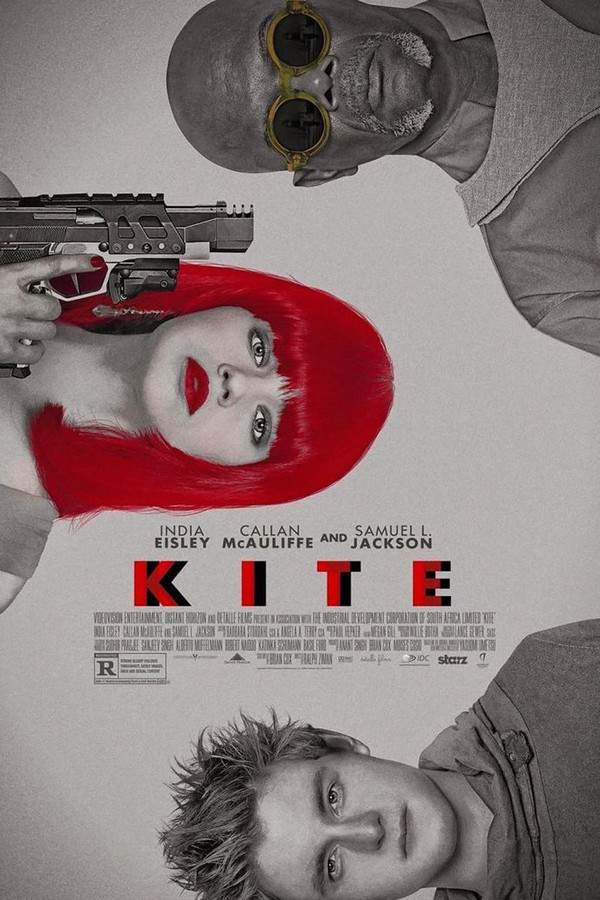
Kite (2014) Film Overview & Timeline
Death Kiss (2018) Story Summary & Characters
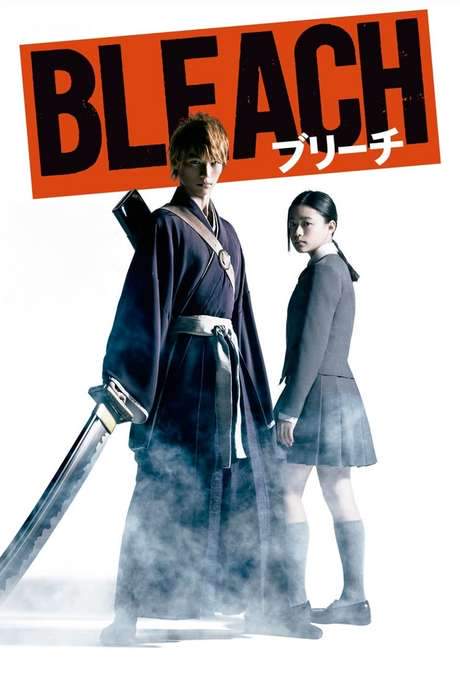
Bleach (2018) Detailed Story Recap
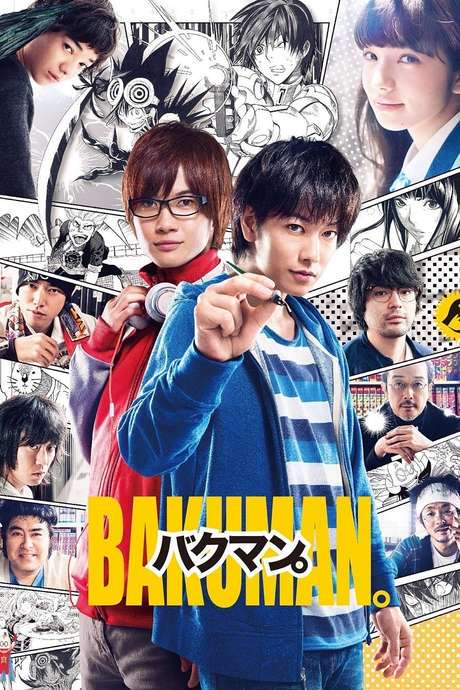
Bakuman (2015) Full Movie Breakdown
Mob Psycho 100 (2018) Spoiler-Packed Plot Recap
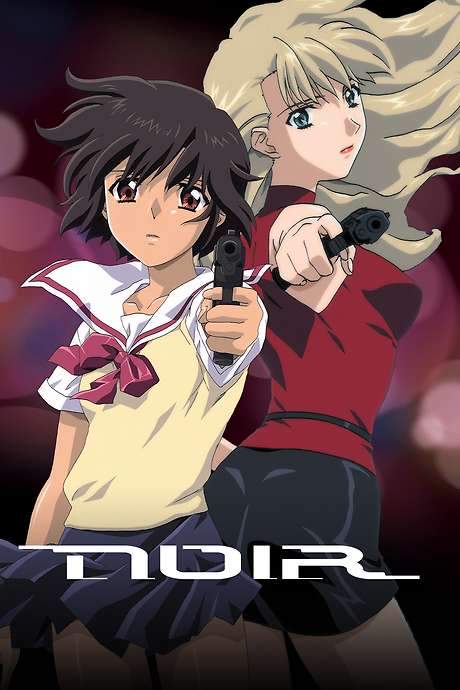
Noir (1000) Full Summary & Key Details
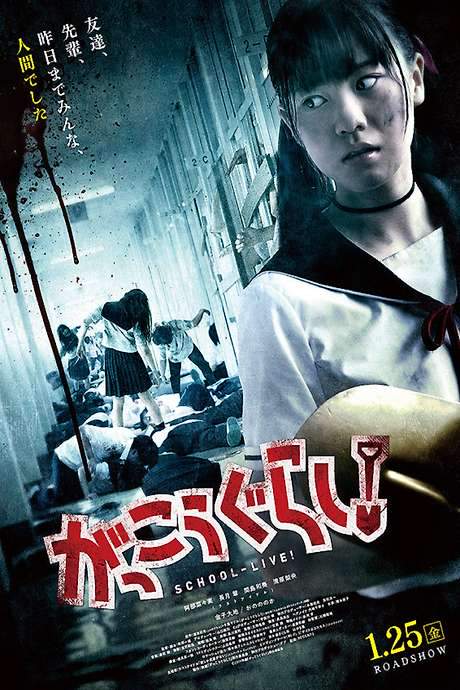
School-Live! (2019) Full Summary & Key Details
Death Note (2006) Story Summary & Characters
Death Note Relight 1: Visions of a God (2007) Film Overview & Timeline
Death Note (1000) Film Overview & Timeline
Death Note: The Last Name (2006) Ending Explained & Film Insights
Tokyo Revengers (2021) Ending Explained & Film Insights
Death’s Game (1000) Movie Recap & Themes
Death Note: L Change the WorLd (2008) Film Overview & Timeline
Death Note Relight 2: L’s Successors (2008) Ending Explained & Film Insights