



















Plot Explained Spoilers guaranteed!
Plot Explained

Browse by genre

Day of the Animals (1977) movie poster

Characters & Themes

Day of the Animals (1977) Characters, Setting & Themes Explained

Release, runtime and language
1977 · 97 mins · English
JustWatch #12,650 8
Directed by
William Girdler
Starring
Leslie Nielsen, Christopher George, Lynda Day George, Walter Barnes, Richard Jaeckel, Michelle Stacy

A chilling preview of a near‑future disaster, the film shows how the breakdown of the ozone layer drives wildlife living above 5,000 feet into violent frenzy. A group of hikers is air‑dropped into this hostile zone just before a quarantine is imposed, forcing them to confront rampaging animals and fight for survival.

On this page (8)
  1. 1 Where to watch
  2. 2 Characters explained (16)
  3. 3 Where & when it takes place
  4. 4 Themes & meaning (4)
  5. 5 Character & meaning questions
  6. 6 Movie threads
  7. 7 Movies like Day of the Animals
  8. 8 Every angle

Where to watch

Where to Watch Day of the Animals (1977)

Where can you watch Day of the Animals? Stream, rent or buy it in the US, including on Amazon Prime Video, Artiflix and Cultpix: current JustWatch availability with up-to-date prices.

Streaming availability powered by JustWatch

16 main characters · contains spoilers

Day of the Animals Characters Explained: Who Is Who

The main characters of Day of the Animals (1977), heroes and villains: what drives them, how they change over the course of the story and what each of them reveals about the film's bigger ideas.

  • Paul Jenson (Leslie Nielsen)

    Arrogant and selfish leader of the hiking group who pushes others to extreme ends in the search for help. His confidence falters as stress reveals his darker, controlling side, culminating in violence. The character embodies the film's critique of moral collapse under crisis.

    • 😡 Aggressive
    • 🧭 Leadership under pressure
    • 💥 Moral collapse
  • Steve Buckner (Christopher George)

    Tour operator and guide who keeps the group focused on survival. Resourceful and protective, he tries to maintain order and safety amid escalating danger. His stewardship is tested by the group's deteriorating dynamics and the environment.

    • 🧭 Leader
    • 🛡️ Protector
    • 🧰 Problem solver
  • Mandy Young (Susan Backlinie)

    One of the hikers who becomes a victim of the animal attacks. Her arc contrasts vulnerability with moments of resilience, highlighting the peril faced by those with less power in a collapsing group.

    • 😢 Vulnerable
    • 💔 Tragic
    • 🌟 Survivor in memory
  • Mrs. Shirley Goodwyn (Ruth Roman)

    A elder matriarch within the group whose experience and steadiness provide a thread of humanity amid chaos. She navigates peril and protects her son as danger mounts.

    • 👵 Experience
    • 🛡️ Protector
    • 🧭 Steadiness
  • John Goodwyn (Bobby Porter)

    The Young Goodwyn son whose instincts for safety and family loyalty are tested as the group faces relentless threats. His presence underscores the stakes of the crisis for ordinary people.

    • 🧒 Youth
    • 🛡️ Loyalty
    • 🧭 Survival instinct
  • Bob Denning (Andrew Stevens)

    A member of the hiking group who joins the exodus toward lower elevations. His actions reflect the strain of leadership and the moral decisions people face when escaping danger.

    • 🧭 Risk-taking
    • 🗣️ Influence
    • 🧪 Pragmatism
  • Beth Hughes (Kathleen Bracken)

    A member of the couple with Bob Denning; she works with the group to endure the harsh conditions and confronts personal danger with courage.

    • 💪 Survivor
    • 🧭 Alliance
    • 🛡️ Courage
  • Terry Marsh (Lynda Day George)

    A female hiker who contributes to group dynamics and coping strategies as the crisis intensifies. Her perspective adds emotional depth to the survival narrative.

    • 👥 Team member
    • 🧭 Grounded
    • 💬 Communicator
  • Frank Young (Jon Cedar)

    A member of the hiking party who navigates the dangers of the forest and later encounters the desolate aftermath of quarantine and evacuation.

    • 🧭 Navigator
    • 🧱 Resilience
    • 🗡️ Tension
  • Daniel Santee (Michael Ansara)

    A Native American guide accompanying the group, offering wilderness knowledge and a grounded perspective on survival amid unusual ecological events.

    • 🗺️ Guide
    • 🛡️ Wisdom
    • 🌿 Connection to nature
  • Ranger Tucker (Walter Barnes)

    A park ranger who embodies authority and experience in the mountains, aiding the group in the effort to reach safety and understand the escalating threat.

    • 🏞️ Ranger
    • 👮 Authority
    • 🧭 Experience
  • Prof. Taylor MacGregor (Richard Jaeckel)

    A scientist who interprets the anomalies and seeks to explain the phenomena, providing intellectual context amid panic and decision-making.

    • 🔬 Scientist
    • 🧠 Thinker
    • 🗣️ Rational voice
  • Roy Moore (Paul Mantee)

    A hiker who is part of the early group’s dynamics and faces the escalating dangers, illustrating the constant threat to life in the wilderness.

    • 🧭 Participant
    • ⚖️ Moral test
    • 🐾 Risk-taker
  • Little Girl (Michelle Stacy)

    A young survivor found after the evacuation, representing innocence amid disaster and the human instinct to protect the vulnerable.

    • 🧒 Innocence
    • 🛟 Hope
    • 🌟 Survivor
  • Sam (uncredited)

    A minor character present in the town environment, contributing to the texture of the evacuation setting.

    • 🚶 Background
  • Helicopter Pilot (Jan Andrew Scott)

    A pilot associated with the rescue and evacuation efforts, illustrating the limited but crucial infrastructure remaining during the crisis.

    • 🚁 Rescue
    • 🛟 Transportation
    • 🧭 Coordination

Last updated: October 04, 2025 at 18:43

Was this helpful?

Setting

Where and When Does Day of the Animals Take Place?

The setting of Day of the Animals (1977): the year and time period, the places and locations, and how they shape the characters, the mood and the tension of the story.

Time period

1970s

The events are presented in a contemporary 1970s setting, echoing environmental worries of the era. Ozone depletion and unexplained animal aggression reflect the period's scientific and political anxieties, influencing public policy and emergency responses. The technology and atmosphere—helicopters, hazmat gear, and government evacuations—ground the story in late-20th-century capabilities and concerns.

Location

Northern California, High-altitude wilderness

The story unfolds in the remote, high-altitude wilderness of Northern California, moving from forested trails to exposed ridges above 5,000 feet. The terrain features rugged mountains, empty valleys, and distant towns evacuated by government order. This isolation amplifies the danger as aggressive wildlife encroaches on human presence and the group struggles to stay alive.

  • 🌄 Northern California mountains
  • 🐾 Wildlife danger
  • 🚫 Quarantine zone

Last updated: October 04, 2025 at 18:43

Was this helpful?

4 major themes

Day of the Animals Meaning: Themes & Message Explained

What is Day of the Animals (1977) really about? The emotional, social and philosophical themes the film keeps returning to, its symbolism and the message beneath the surface.

  • Environment

    The premise ties ecological crisis directly to human danger, showing how environmental stressors ripple through ecosystems and communities. The film uses the ozone-depletion premise to explore how fragile the balance between nature and civilization can be. Animals turning aggressive becomes a metaphor for how quickly neglect of planetary boundaries can spiral into chaos.

  • Survival

    Characters are stripped of contact with the outside world and must navigate perilous terrain with limited resources. Leadership fractures and fear push individuals toward desperate, sometimes violent choices. The narrative centers on decision-making under duress, perseverance, and the constant threat from both animals and the environment.

  • Human Nature

    Crisis exposes flaws: arrogance, selfishness, and a thirst for control surface under pressure. One character's slide into aggression demonstrates how quickly ethics erode when survival is at stake. The story contrasts cooperation with destructive self-interest.

  • Science

    Scientific observations of UV exposure and anomalous animal behavior ground the plot, while authorities struggle with containment and evacuation. The tension between cautious interpretation and decisive action explores how knowledge and fear shape policy. Science is both explanation and obstacle, driving the suspense and ethical questions.

Last updated: October 04, 2025 at 18:43

Was this helpful?

Character & theme questions

Day of the Animals Characters & Meaning: Your Questions Answered

The questions people ask about Day of the Animals (1977): who the characters really are, their relationships, what the symbols mean, where it takes place and what the movie is really about. Each answer contains spoilers.

Q1

Where is Day of the Animals set?

The film takes place in the remote high-altitude wilderness of Northern California, specifically in mountainous terrain above 5,000 feet. The story moves through forested trails, exposed ridges, and empty valleys as the characters attempt to escape the danger zone. The isolation of this setting is central to the film's tension, as the government has evacuated nearby towns and imposed a quarantine.

  • northern california
  • high altitude
  • wilderness
  • mountains
  • quarantine zone
Q2

Why is the high-altitude setting important to the story?

Above 5,000 feet, the ozone depletion allows harmful ultraviolet radiation to reach wildlife, driving animals into violent aggression. This creates a literal death zone where hiking becomes increasingly perilous as aggressive wildlife encroaches on human presence. The exposed terrain and isolation amplify the danger, leaving the group with limited escape routes and resources.

  • ozone depletion
  • elevation
  • wildlife danger
  • uv radiation
  • animal attacks
Q3

When does Day of the Animals take place?

The film is set in the contemporary 1970s, reflecting the era's environmental anxieties about ozone depletion and ecological disaster. The technology shown, helicopters, hazmat gear, and government evacuation protocols, grounds the story in late-20th-century capabilities. This timing was chosen to echo real scientific and political concerns of the period.

  • 1970s
  • time period
  • environmental anxiety
  • ozone depletion
Q4

What is the environmental message of the film?

The film uses ozone depletion and animal aggression as a metaphor for how neglect of planetary boundaries can spiral into chaos. It shows ecological crisis directly threatening human communities, illustrating the fragile balance between nature and civilization. The premise ties environmental stressors to immediate human danger, delivering a bleak warning about ecosystem collapse.

  • environmental message
  • ecological crisis
  • ozone depletion
  • nature vs civilization
Q5

How does the movie explore survival themes?

Characters are cut off from the outside world and must navigate perilous mountain terrain with dwindling resources. Leadership fractures under pressure, and fear drives individuals toward desperate, sometimes violent choices. The narrative centers on decision-making under duress and the constant threat from both aggressive animals and the harsh environment.

  • survival
  • leadership
  • group dynamics
  • desperation
  • wilderness
Q6

How does Day of the Animals portray human nature in crisis?

The film shows crisis exposing flaws like arrogance, selfishness, and a thirst for control. One character's descent into aggression demonstrates how quickly ethics erode when survival is at stake. The story contrasts cooperation with destructive self-interest, illustrating moral collapse under extreme pressure.

  • human nature
  • moral collapse
  • crisis
  • survival ethics
  • character flaws
Q7

Who is Paul Jenson in the film?

Paul Jenson, played by Leslie Nielsen, is the arrogant and selfish leader of the hiking group who pushes others to extreme lengths in search of help. His confidence falters as stress reveals his darker, controlling side, ultimately culminating in violence. He embodies the film's critique of moral collapse under crisis.

  • paul jenson
  • leslie nielsen
  • leader
  • arrogance
  • moral collapse
Q8

Who is Steve Buckner in the movie?

Steve Buckner, played by Christopher George, is the tour operator and guide who keeps the group focused on survival. He is resourceful and protective, trying to maintain order and safety amid escalating danger. His stewardship is constantly tested by the group's deteriorating dynamics and the hostile environment.

  • steve buckner
  • christopher george
  • guide
  • protection
  • survival skills
Q9

What role does science play in Day of the Animals?

Scientific observations of UV exposure and anomalous animal behavior ground the plot in credibility. A scientist character interprets the phenomena and seeks to explain the crisis to authorities and survivors. The tension between cautious scientific interpretation and the need for decisive action explores how knowledge and fear shape policy decisions.

  • science
  • scientist
  • uv radiation
  • animal behavior
  • policy
Q10

How does the government respond to the crisis?

The government imposes a quarantine zone above 5,000 feet and orders evacuations of nearby towns. Authorities struggle with containment and evacuation efforts, deploying helicopters and hazmat-equipped teams. This response reflects the period's approach to environmental emergencies and illustrates the limitations of institutional crisis management.

  • government
  • quarantine
  • evacuation
  • hazmat
  • authorities
Q11

What is the tone and emotional impact of the film?

The film maintains a tense, unrelenting tone driven by constant survival threats and character paranoia. The pacing is steady and linear, moving from one dangerous encounter to the next with little respite. With numerous graphic deaths and a bleak environmental message, the emotional weight is heavy, creating a sustained, stressful viewing experience.

  • tone
  • emotional impact
  • horror
  • tension
  • survival horror
Q12

Is the ending of Day of the Animals hopeful or bleak?

The ending is bittersweet, some survivors are rescued and the immediate threat subsides, but the final image of a lunging hawk suggests a fragile and uncertain victory. The ecological disaster's lasting impact is acknowledged, leaving the resolution overshadowed by the film's grim environmental warning.

  • ending
  • bittersweet
  • survival
  • resolution
  • environmental warning

Movie threads

More Movies Like Day of the Animals, by Mood & Story

Curated lists built around what makes Day of the Animals tick: the same mood, the same kind of story or the same emotional payoff. Each list explains why these movies belong together.

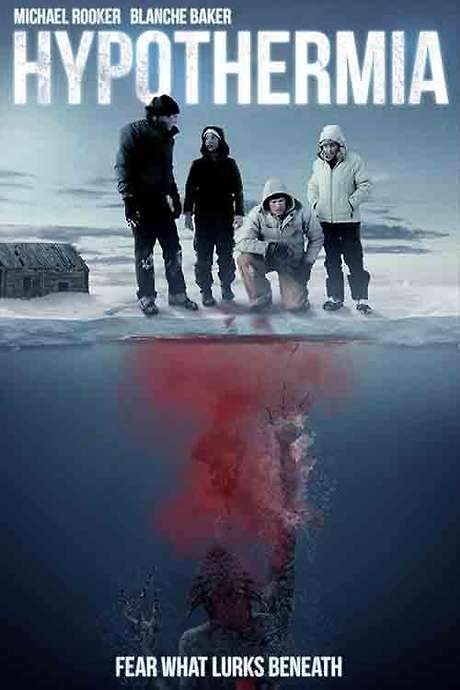
Eco-Horror Survival Thrillers like Day of the Animals

Stories where environmental collapse turns the natural world against humanity. If you enjoyed the high-tension survival scenario of Day of the Animals, you'll find more movies like it here. These films feature groups pushed to the brink by environmental disasters and rampaging creatures, blending horror with a cautionary message about humanity's impact on the world.

  • tense
  • desperate
  • oppressive
  • brutal
  • paranoid
  • claustrophobic
  • Tone: tense, bleak, desperate
  • Pacing: steady, relentless
Why these movies?

The story pattern: The narrative follows a group of people, often isolated in a wilderness setting, as they face a direct threat caused by human-caused environmental damage. The story is a linear, escalating series of attacks and moral challenges, culminating in a desperate struggle where survival comes at a great cost.

Why they belong together: These movies are grouped by their core premise of nature's retaliation, a tense and oppressive atmosphere, and a straightforward plot focused on physical survival. They share a heavy emotional weight and often a bleak or bittersweet outlook on humanity's place in the world.

Movies about Group Collapse like Day of the Animals

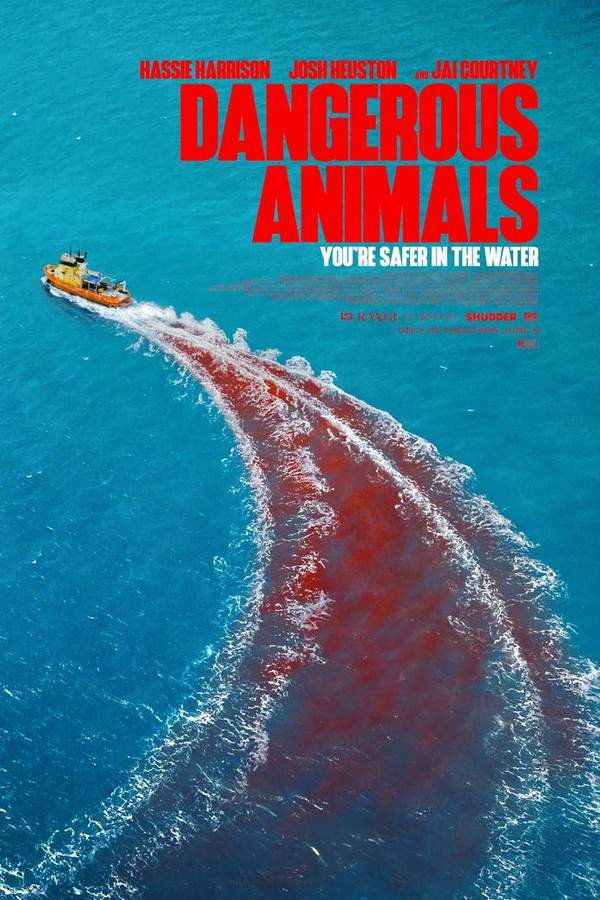
When survival stress shatters a group's humanity from within. Fans of Day of the Animals who appreciated the intense group dynamics and descent into madness will find similar stories here. These movies explore how extreme stress and paranoia fracture relationships, turning allies into threats in gripping survival scenarios.

  • paranoid
  • desperate
  • claustrophobic
  • brutal
  • group conflict
  • descent into madness
  • Tone: tense, dark, paranoid
  • Pacing: steady, methodical
Why these movies?

The story pattern: The narrative pattern focuses on a microcosm of society placed under extreme duress. As the external danger mounts, internal alliances shift, trust erodes, and characters reveal their darkest selves. The plot is driven by the psychological unraveling of the group as much as by the physical threat, often leading to betrayal and violence among the survivors.

Why they belong together: These films are united by their exploration of group psychology under life-or-death pressure. They share a tense, claustrophobic mood, a heavy emotional weight from witnessing humanity break down, and a straightforward plot that methodically charts the group's moral descent.

If you liked this

Movies Like Day of the Animals

Similar movies to Day of the Animals: the same genre, themes or kind of story. Each one comes with its own plot summary, timeline and ending explained.

Browse all movie summaries

Every angle

Day of the Animals (1977) Explained: Plot, Timeline & Characters

Everything about Day of the Animals in one place: what happens in the plot summary, the timeline in chronological order, the characters and meaning and a spoiler-free summary. What's After the Movie adds the cast, box office and post-credit scenes.

Coming soon on iOS and Android

The Plot Explained Movie Summary App

Plot summaries, endings explained and timelines on your phone. Catch up on any movie in minutes, save your favorites and never miss a twist again.

Be the first to know when we launch. Your email stays private, always.

Learn more about the app