Plot Explained Spoilers guaranteed!
Plot Explained

Browse by genre

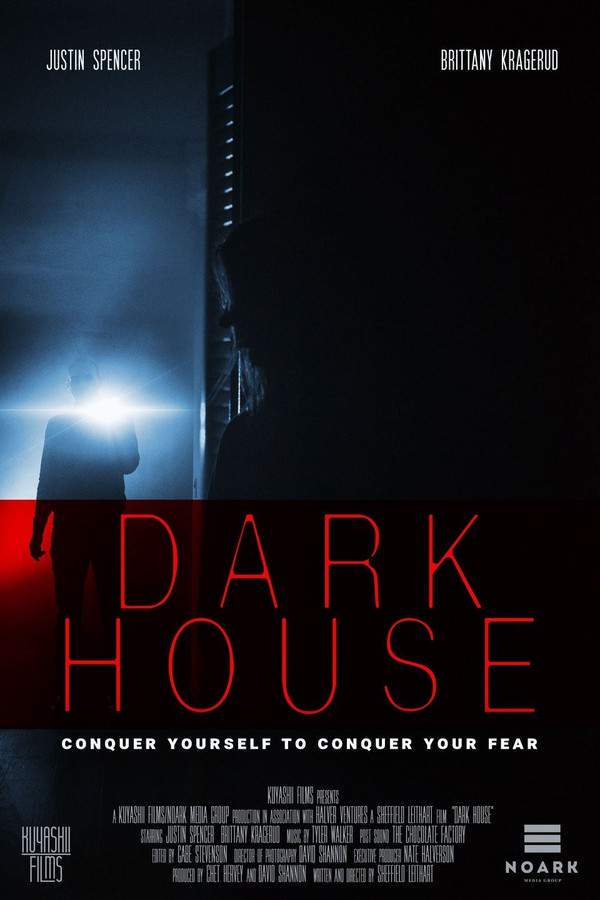
Dark House (2009) movie poster

Timeline

Dark House (2009) Timeline Explained – Every Event in Order

Release, runtime and language
2009 · 85 mins · English
Directed by
Darin Scott
Starring
Annalise Basso, Jeffrey Combs, Erin Cummings, Angela Gots, Michael Copon, Scott Whyte

Death Lives Here A troupe of actors hired for a haunted house attraction soon find that they are working in a true house of horror.

On this page (5)
  1. 1 Events in order (13)
  2. 2 Timeline questions answered
  3. 3 Movie threads
  4. 4 Movies like Dark House
  5. 5 Every angle

13 events in order · contains spoilers

Dark House Timeline: Events in Chronological Order

Every key event of Dark House (2009) in order, scene by scene, with when and where it takes place. Use it to untangle flashbacks, time jumps and parallel storylines, to refresh your memory before the sequel or to find the exact scene you are thinking of.

  1. Day of the Darrode House massacre

    The film opens with a young girl entering the Old Darrode House on the day of the massacre and discovering the bloody crime scene. The moment establishes the house's reputation as a haunted site and foreshadows the horrors to come.

    When
    Day of the massacre
    Where
    Old Darrode House
  2. Claire's present life and therapy

    Fourteen years pass and Claire, now a young actress, has been seeing a therapist about the house trauma. The therapist suggests she revisit the house, but she cannot even get past the gate.

    When
    Fourteen years later
    Where
    Therapist's office
  3. Walston Rey recruits Claire

    Horror mogul Walston Rey appears in Claire’s advanced acting class and explains that the house has become a horror attraction. He wants Claire and her classmates to work as hosts, offering a chance to face the fear within a controlled setting.

    When
    Present day
    Where
    Claire's acting class
  4. The holographic system is unveiled

    The staff demonstrate a holographic 3D system that creates lifelike horror figures designed to be safe and interactive. The promise of realism is tempered by the awe of the technology as they prepare to open the attraction.

    When
    Present day
    Where
    Old Darrode House attraction area
  5. Darrode's ghost corrupts the system

    Mrs. Darrode's ghost breaches the holographic network, causing the figures to come to life and be driven by fear. The line between illusion and reality blurs as the visitors sense something truly dangerous is unfolding.

    When
    Present day
    Where
    Old Darrode House
  6. The deaths begin inside the house

    The activated figures begin killing everyone inside, and survivors scramble to shut down the system and escape. The crew fights to regain control while panic spreads through the group.

    When
    Present day
    Where
    Old Darrode House
  7. Claire's memory resurges

    Claire's memories of her time with Mrs. Darrode begin to surface, revealing the abuse and the events that led to the massacre. She confronts the truth of what happened years earlier, which fuels her determination.

    When
    Present day (memory flashback)
    Where
    Old Darrode House
  8. The childhood rebellion and Bible-burning

    As a child, Claire and the other kids rebel against Mrs. Darrode's teachings and burn their Holy Bibles. Mrs. Darrode responds with a psychotic rage that escalates the danger in the house.

    When
    Childhood (flashback)
    Where
    Foster home inside Old Darrode House
  9. The mass murder and Claire's escape

    Mrs. Darrode murders all the children, labeling them sinners and heretics, while Claire escapes by hiding in a closet. The crime completes the deadly pattern set by the mother's fanaticism.

    When
    Childhood
    Where
    Old Darrode House
  10. Mrs. Darrode's suicide

    Remorse drives Mrs. Darrode to kill herself by forcing her hands into the garbage disposal. The act ends the immediate tragedy but leaves a lasting void in the house’s history.

    When
    Childhood
    Where
    Kitchen of Old Darrode House
  11. Present-day confrontation and fallout

    After remembering, Claire loses her fear and lunges at Mrs. Darrode, who disappears. The police arrive, suspect Claire of the murders, and she is committed to a mental asylum.

    When
    Present day
    Where
    Old Darrode House
  12. The final girl returns and dies

    The girl who first discovered the massacre years earlier returns to the house with her boyfriend but they are quickly killed. The ending underscores the house's unending danger that has lingered across generations.

    When
    Finale
    Where
    Old Darrode House
  13. Ending: Claire's fate

    The film ends with Claire strapped to a straitjacket in a padded cell, screaming 'SHE'S STILL OUT THERE!' The line seals the sense that the evil remains at large beyond the visible events.

    When
    End
    Where
    Mental asylum

Last updated: October 09, 2025 at 10:45

Was this helpful?

Timeline questions answered

Dark House Timeline Explained: Your Questions Answered

When does it happen, and why in that order? The questions people ask about the chronology of Dark House (2009): time jumps, flashbacks, cause and effect between scenes and the correct order of events, each answered with spoilers.

Q1

Why did Mrs. Darrode kill the children in her care?

Mrs. Darrode was a fanatical religious foster mother who brutally controlled the children. When Claire and the other kids rebelled by burning their Holy Bibles and rejecting her teachings, Darrode suffered a psychotic break. She labeled them sinners and heretics, then murdered all of them in a rage before killing herself.

Foreshadowing: The film opens with the blood-soaked scene, establishing the house's dark reputation before revealing the cause.

  • mrs darrode
  • children massacre
  • religious fanaticism
  • bible burning
  • foster home
Q2

How did Claire survive the Darrode House massacre?

Claire survived by hiding in a closet while Mrs. Darrode slaughtered the other children. She witnessed the killings but remained hidden until the massacre ended, then escaped from the house.

Foreshadowing: The opening scene shows a young girl entering the house and discovering the aftermath, hinting at someone who escaped.

  • claire
  • survival
  • closet
  • escape
  • massacre
Q3

How did the holographic attraction system become deadly?

The holographic 3D system was designed to create safe, interactive horror figures. However, Mrs. Darrode's ghost breached the digital network and possessed the holograms, making them lifelike and driven by the fear of viewers. The system fed on terror, transforming controlled scares into real danger.

Foreshadowing: The system demonstration shows impressive but harmless figures, foreshadowing their later transformation.

  • hologram
  • ghost
  • system
  • possession
  • digital
Q4

Why was Claire committed to a mental asylum at the end?

After Claire confronted Mrs. Darrode's ghost and it vanished, police arrived and found her at the scene. They believed she was responsible for the new murders and, due to her traumatic history and suppressed memories, diagnosed her with a mental illness. She was institutionalized despite being a victim.

Foreshadowing: Claire's fragmented memories and psychological breaks throughout the film set up her credibility as a suspect.

  • claire
  • asylum
  • police
  • mental illness
  • accused
Q5

What does Claire mean when she screams "she's still out there"?

Claire's final warning indicates she believes Mrs. Darrode's spirit still exists somewhere beyond the visible world. Though the ghost disappeared during the confrontation, Claire's scream implies the evil was not truly defeated and remains a threat.

Foreshadowing: The ghost's disappearance before authorities arrive, rather than being destroyed, leaves her fate ambiguous.

  • claire
  • warning
  • ghost
  • darqueede
  • ending
Q6

What happens to the girl who returns to the house with her boyfriend?

The girl who originally discovered the Darrode massacre years earlier returns to the house seeking closure with her boyfriend. They are quickly killed by the deadly holographic figures, reinforcing the house's inescapable danger.

Foreshadowing: Her return in the finale mirrors the opening, creating a tragic cycle of those connected to the house meeting death.

  • girl
  • boyfriend
  • return
  • killed
  • finale
Q7

What triggered Claire to recover her suppressed memories?

Being inside the house again, combined with the trauma of the holographic attack, forced Claire to confront her buried past. The extreme fear and life-threatening situation broke through her psychological barriers, surfacing memories of the abuse and the original massacre.

Foreshadowing: Claire's therapy sessions and inability to pass the gate establish her psychological resistance to the truth.

  • memories
  • trauma
  • flashback
  • repression
  • therapy
Q8

Why did Mrs. Darrode kill herself using the garbage disposal?

After murdering the children, Mrs. Darrode experienced a moment of remorse. She forced her own hands into the kitchen garbage disposal, a brutal act of self-destruction that ended her life. The method reflects her spiral from religious fervor to complete breakdown.

Foreshadowing: The violent, graphic nature of her suicide establishes the extreme measures she takes throughout the film.

  • suicide
  • garbage disposal
  • remorse
  • self-destruction
Q9

Why was the Bible burning significant to Mrs. Darrode's breakdown?

The children burning their Holy Bibles was an act of rebellion against Darrode's fanatical religious control. This rejection of her teachings pushed her over the edge, triggering her psychotic rage and the subsequent massacre. It represented the loss of her authority and purpose.

Foreshadowing: The flashback reveals this event as the catalyst for the murders, connecting childhood rebellion to tragedy.

  • bible
  • burning
  • rebellion
  • religious
  • fanaticism
Q10

How was Mrs. Darrode's ghost able to possess the holograms?

The holographic system created lifelike, interactive figures using advanced technology. Mrs. Darrode's spirit, drawn to the house and its new purpose, was somehow able to breach the digital network. The system was designed to respond to human emotion, and the ghost exploited this to manifest through fear itself.

Foreshadowing: The holographic demonstration emphasizes the system's ability to create realistic, responsive figures.

  • ghost
  • digitechnology
  • possession
  • system breach
Q11

Why did Walston Rey specifically recruit Claire for the haunted house?

Walston Rey, a horror mogul, discovered Claire was a local girl with connections to the house's dark history. He believed her involvement would add authenticity to the attraction. He also likely sensed her unresolved trauma, using her past as marketing material without understanding the danger.

Foreshadowing: Claire's therapy sessions and her difficulty passing the gate establish her as a target for recruitment.

  • walston rey
  • recruitment
  • actor
  • horror attraction
Q12

What caused Mrs. Darrode's ghost to become active after years?

The construction of the haunted house attraction and the installation of the holographic system appear to have disturbed or awakened Mrs. Darrode's spirit. The technology, designed to create fear-based experiences, may have provided the energy or conduit for her ghost to manifest and corrupt the system.

Foreshadowing: The house remains notorious for 14 years, but activity begins only when the attraction opens.

  • ghost
  • awakening
  • attraction
  • technology
  • disturbance

Movie threads

More Movies Like Dark House, by Mood & Story

Curated lists built around what makes Dark House tick: the same mood, the same kind of story or the same emotional payoff. Each list explains why these movies belong together.

Haunted Tech Horror Movies like Dark House

Where haunted houses or horror settings are amplified by malfunctioning or malevolent technology. If the blend of supernatural horror with rogue technology in Dark House captivated you, explore these movies. This collection features stories where high-tech attractions, smart homes, or security systems become possessed, turning familiar settings into high-stakes survival horror experiences similar to Dark House.

  • techno-horror
  • claustrophobic
  • terrifying
  • oppressive
  • anxious
  • unsettling
  • Tone: dark, terrifying
  • Pacing: fast, relentless
Why these movies?

The story pattern: These narratives often begin with a technological marvel—a new attraction, a state-of-the-art home, or an experimental system—that is corrupted by an ancient evil or a tragic past. The horror escalates as the characters, initially believing they are in control, find themselves trapped and hunted by the very technology they relied on, forcing a desperate fight for survival against a faceless, omnipresent enemy.

Why they belong together: Movies here share the specific fear of technology turning against its creators, merging the uncanny valley of the digital with the primal fear of the supernatural. They create a sense of helplessness, as characters cannot simply flee; they must outsmart or destroy a system that knows their every move, leading to a fast-paced, high-intensity experience.

Trauma Horror Survival Stories like Dark House

Characters must confront their deepest personal trauma while fighting for survival. For viewers who appreciated the heavy emotional weight and exploration of childhood trauma in Dark House, this list features similar horror movies. These films combine intense survival scenarios with deep character studies, where protagonists must face their personal demons in addition to the monstrous threat, resulting in bleak and impactful conclusions.

  • traumatic
  • heavy
  • anxious
  • unsettling
  • bleak
  • oppressive
  • Tone: dark, bleak
  • Pacing: fast, intense
Why these movies?

The story pattern: The narrative pattern involves a protagonist with a tragic past being drawn into a situation that mirrors their trauma. Flashbacks reveal the source of their pain as they fight to survive in the present. The horror is not just about physical survival but also about enduring and, in some cases, overcoming the psychological scars that define them, though the endings are often far from happy.

Why they belong together: These films are grouped by their focus on the psychological dimension of horror. The external threat serves as a catalyst for exploring profound human suffering. The experience is characterized by high emotional weight, a dark tone, and a palpable sense of dread that comes from both the immediate danger and the haunting past.

If you liked this

Movies Like Dark House

Similar movies to Dark House: the same genre, themes or kind of story. Each one comes with its own plot summary, timeline and ending explained.

Browse all movie summaries

Every angle

Dark House (2009) Explained: Plot, Timeline & Characters

Everything about Dark House in one place: what happens in the plot summary, the timeline in chronological order, the characters and meaning and a spoiler-free summary. What's After the Movie adds the cast, box office and post-credit scenes.

Coming soon on iOS and Android

The Plot Explained Movie Summary App

Plot summaries, endings explained and timelines on your phone. Catch up on any movie in minutes, save your favorites and never miss a twist again.

Be the first to know when we launch. Your email stays private, always.

Learn more about the app