Year: 2021
Runtime: 130 min
Language: Serbian
Director: Predrag Antonijevic
Echo Score: 73Budget: $3.6M
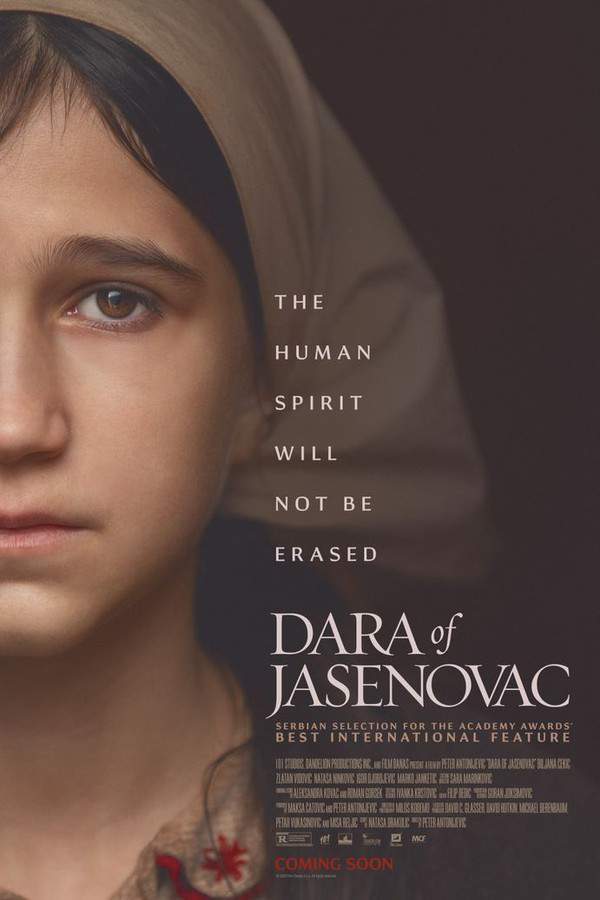
During the 1940s in Nazi-occupied Croatia, a young girl named Dara experiences the horrors of Jasenovac concentration camp. As a ten-year-old, her childhood innocence is brutally challenged. She demonstrates incredible courage protecting her infant brother while facing immense danger and persecution. The film explores themes of resilience and hope amidst the darkest moments of human suffering.
Warning: spoilers below!
Haven’t seen Dara in Jasenovac yet? This summary contains major spoilers. Bookmark the page, watch the movie, and come back for the full breakdown. If you're ready, scroll on and relive the story!
Trace every key event in Dara in Jasenovac (2021) with our detailed, chronological timeline. Perfect for unpacking nonlinear stories, spotting hidden connections, and understanding how each scene builds toward the film’s climax. Whether you're revisiting or decoding for the first time, this timeline gives you the full picture.
Last updated: March 05, 2026 at 18:39
Find frequently asked questions about the Dara in Jasenovac (2021) timeline, including chronological order, nonlinear jumps, cause-and-effect links, and scene sequence clarifications. This timeline FAQ helps explain when key events happen, how moments connect, and why the story unfolds in that specific order.
Father Miroslav Filipović was a Catholic priest who actively collaborated with the Ustaše regime. At the train station, he personally separated the sick and elderly from the other prisoners, then proceeded to shoot those left behind in cold blood. This shocking betrayal by a man of the cloth represents one of the film's most disturbing revelations about the depths of complicity in the genocide.
Shortly after arriving at Jasenovac, Dara's mother tried to protect her older son Jovo during the family separation process. Both were shot dead by guard Ante Vrban. This moment marks the turning point where Dara becomes the sole guardian of her younger brother, forced to shoulder the burden of keeping him alive in the camp.
Dara survived because she was standing with her younger brother when the guard separated families. Her mother was trying to hand over the older son Jovo, which drew the guard's attention to them. Dara and her younger brother were then sent to the women's and children's camp together, while her mother and Jovo were killed. This tragic chain of events left Dara as the only family her younger brother had left.
On the night of arrival, guards organized a sickening form of entertainment for visiting German officers. Prisoners were forced to play musical chairs, and those who lost were violently killed, some had their throats slit with a srbosjek (a three-pronged hook), others were bludgeoned with hammers. This brutal spectacle was designed to amuse the officers while terrorizing the prisoners.
Blankica was a Jewish prisoner already inside Jasenovac who recognized the danger facing Dara and her younger brother. She offered crucial assistance by sharing her knowledge of the camp's layout and identifying potential escape routes. With Blankica's guidance, Dara began planning an escape, a rare thread of hope in the otherwise bleak environment of the camp.
Dara's father Mile was separated from the family upon deportation. While Dara, her mother, and two brothers were transported to Jasenovac, Mile was assigned to a grim task elsewhere, removing and disposing of dead bodies. His fate remains largely unseen in the film, representing the many families torn apart and scattered across different locations within the concentration camp system.
During the march toward the cattle cars, a desperate mother made the agonizing choice to entrust her crying baby to a young Croatian peasant woman working in the fields. Knowing she would likely be killed upon arrival at the camp, she chose to give her child a chance at survival rather than face almost certain death together. This brief moment of eye contact and trust represents one of the film's few acts of mercy amid atrocity.
The srbosjek is a three-pronged hook-like weapon that was one of the infamous tools of torture and execution used by Ustaše guards at Jasenovac. During the musical chairs game, prisoners who lost were either killed with the srbosjek by having their throats slit, or bludgeoned with hammers. The weapon became a symbol of the brutal creativity the guards used to inflict suffering on prisoners.
The Ustaše regime, ruling the Independent State of Croatia as a Nazi puppet state, conducted systematic genocide against Serbs, Jews, and Roma. Following the Kozara Offensive in 1942, mass roundups of Serb civilians from the Kozara region were conducted and transported to concentration camps. The film shows this policy of ethnic extermination through the lens of one family's experience.
The film follows Dara's journey as she works with Blankica to plan an escape from the camp. While the summary focuses on her determination to protect her brother and the formation of the escape plan, the story centers on her resilience and hope amid the darkest circumstances. The narrative emphasizes her courage in attempting to secure a future beyond the barbed wire.
Discover curated groups of movies connected by mood, themes, and story style. Browse collections built around emotion, atmosphere, and narrative focus to easily find films that match what you feel like watching right now.
Harrowing stories of innocence confronting the darkest moments in history.Explore movies similar to Dara in Jasenovac that depict harrowing historical events through a child's perspective. If you were moved by Dara's story of survival and courage in the face of genocide, these films share that narrative intensity and emotional gravity. Find stories about young resilience amidst historical darkness.
These narratives typically follow a linear journey where a child's ordinary world is shattered by historical forces beyond their control. The plot is driven by survival against overwhelming odds, with a focus on small, personal acts of courage and protection. The ending often carries a glimmer of hope or bittersweet survival, earned through immense suffering.
These films are grouped because they share a specific narrative viewpoint and emotional weight. They are all defined by the juxtaposition of childhood innocence against extreme brutality, creating a unique and powerful emotional experience focused on resilience and the struggle to preserve humanity.
Stories where a flicker of hope survives against unimaginable suffering.Discover films similar to Dara in Jasenovac that explore the theme of resilience and hope against overwhelming odds. If you admired Dara's determination to protect her brother amidst genocide, these movies share that powerful emotional core. Find stories of survival where a small flame of hope illuminates a dark world.
This narrative pattern involves a protagonist thrust into a situation of absolute hopelessness, often a prison, camp, or war zone. The plot is defined by a specific, personal goal—protecting a loved one, escaping, or simply surviving another day—that becomes a symbol of defiance. The emotional arc moves from despair to a hard-won, often bittersweet, victory of the spirit.
These movies are linked by their exploration of a central paradox: finding profound human strength in the most dehumanizing conditions. They share a heavy emotional weight and a dark tone, but are unified by a strong, resilient core that makes the journey profoundly impactful rather than purely nihilistic.
Don't stop at just watching - explore Dara in Jasenovac in full detail. From the complete plot summary and scene-by-scene timeline to character breakdowns, thematic analysis, and a deep dive into the ending - every page helps you truly understand what Dara in Jasenovac is all about. Plus, discover what's next after the movie.
Read a complete plot summary of Dara in Jasenovac, including all key story points, character arcs, and turning points. This in-depth recap is ideal for understanding the narrative structure or reviewing what happened in the movie.
Discover the characters, locations, and core themes that shape Dara in Jasenovac. Get insights into symbolic elements, setting significance, and deeper narrative meaning - ideal for thematic analysis and movie breakdowns.
Discover movies like Dara in Jasenovac that share similar genres, themes, and storytelling elements. Whether you’re drawn to the atmosphere, character arcs, or plot structure, these curated recommendations will help you explore more films you’ll love.
Dara in Jasenovac (2021) Plot Summary & Movie Recap
Dara in Jasenovac (2021) Scene-by-Scene Movie Timeline
Dara in Jasenovac (2021) Spoiler-Free Summary & Key Flow
Movies Like Dara in Jasenovac – Similar Titles You’ll Enjoy
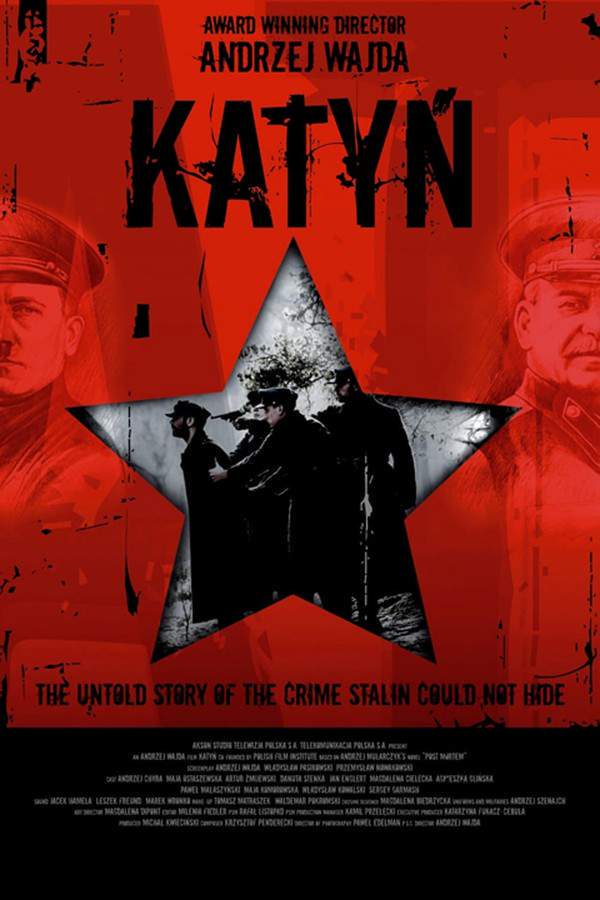
Katyn (2009) Spoiler-Packed Plot Recap
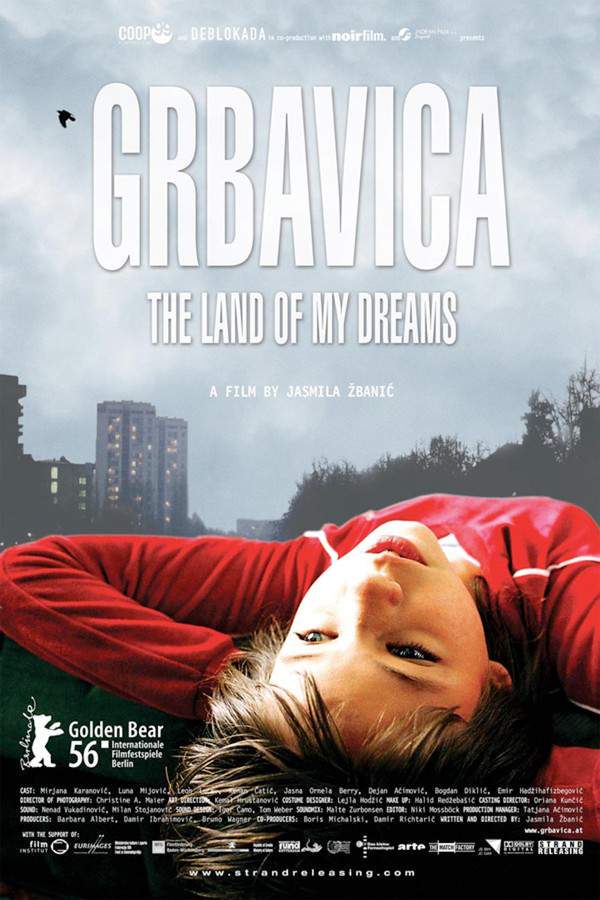
Grbavica: The Land of My Dreams (2007) Movie Recap & Themes
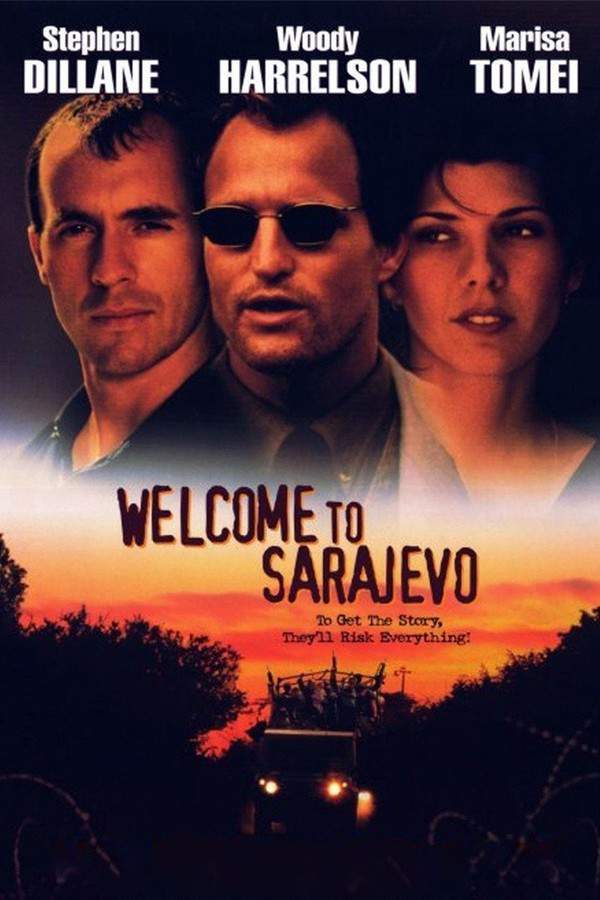
Welcome to Sarajevo (1997) Movie Recap & Themes
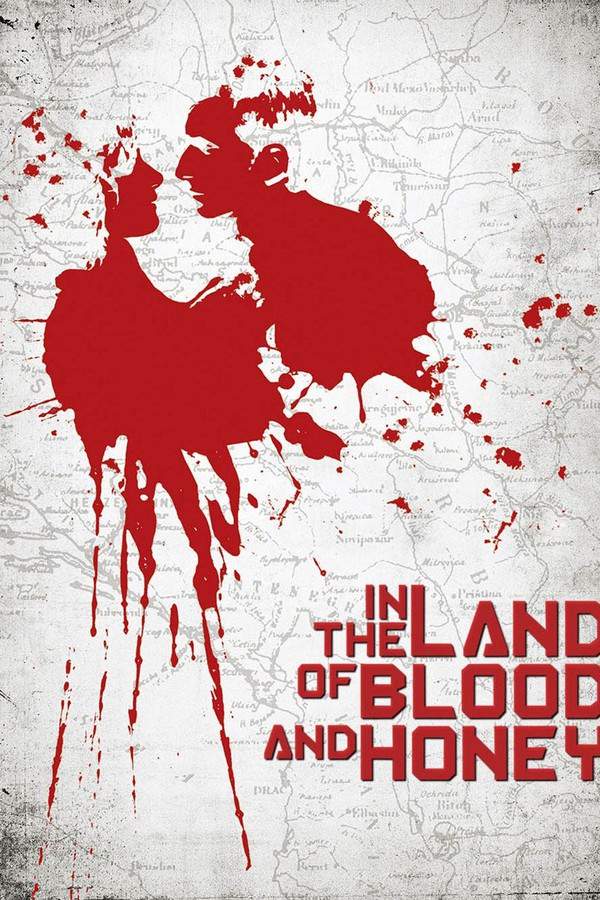
In the Land of Blood and Honey (2011) Ending Explained & Film Insights
The Diary of Diana B. (2019) Detailed Story Recap
My Name Is Sara (2019) Full Summary & Key Details
Zana (2019) Plot Summary & Ending Explained
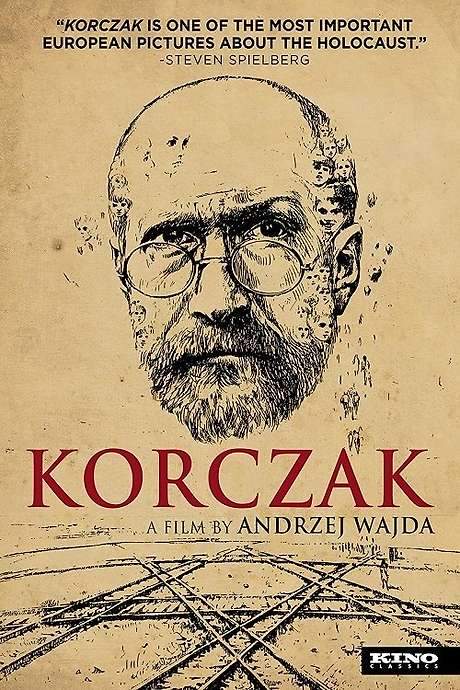
Korczak (1990) Full Movie Breakdown
Dara of Jasenovac (2020) Spoiler-Packed Plot Recap
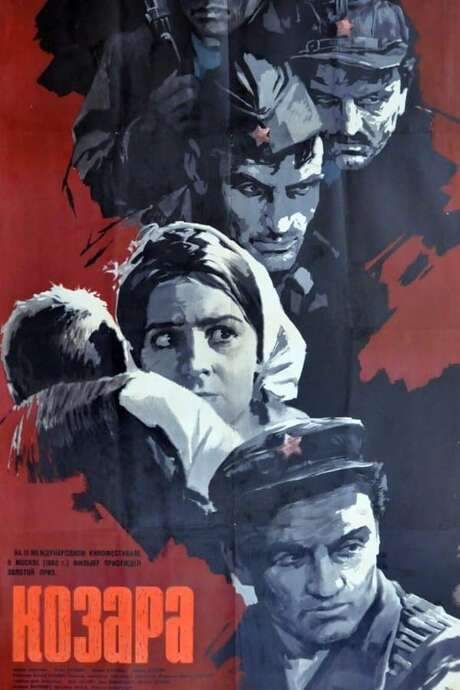
Kozara (1962) Detailed Story Recap
The Descent Upon Drvar (1963) Spoiler-Packed Plot Recap
A Bloody Tale (1969) Full Summary & Key Details
Savior (1998) Complete Plot Breakdown
The Courageous Heart of Irena Sendler (2009) Detailed Story Recap
Alia: A Bosniac Rhapsody (2008) Ending Explained & Film Insights