Plot Explained Spoilers guaranteed!
Plot Explained

Browse by genre

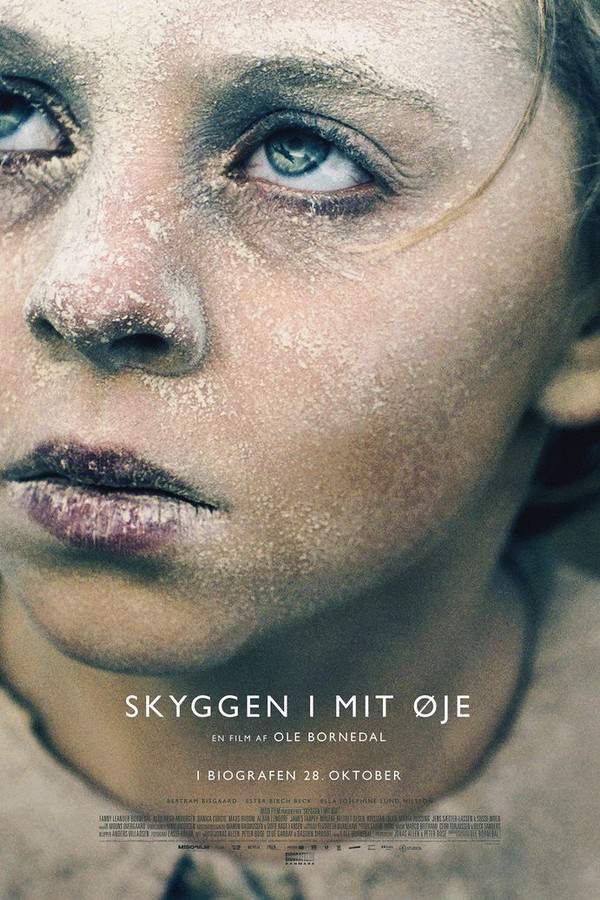
The Bombardment (2022) movie poster

Plot Summary

The Bombardment (2022) Plot Summary & Ending Explained

Release, runtime and language
2022 · 107 min · Danish
Echo score 78
JustWatch #12,118 11
Directed by
Ole Bornedal
Starring
Caspar Phillipson, Alex Høgh Andersen, Bertram Bisgaard Enevoldsen, Dana Abed, Danica Curcic, Ella Josephine Lund Nilsson

During World War II, the Royal Air Force plans an attack on the Gestapo headquarters in occupied Copenhagen. A bomber crashes during the mission, and subsequent planes mistakenly drop their bombs on a French school. This tragic error results in the deaths of numerous children and innocent civilians, highlighting the devastating consequences of wartime mistakes and miscalculations.

On this page (7)
  1. 1 Where to watch
  2. 2 What happens: full plot
  3. 3 Plot questions answered
  4. 4 How it ends
  5. 5 Movie threads
  6. 6 Movies like The Bombardment
  7. 7 Every angle

Where to watch

Where to Watch The Bombardment (2022)

Where can you watch The Bombardment? Stream, rent or buy it in the US, including on Netflix and Netflix Standard: current JustWatch availability with up-to-date prices.

Streaming availability powered by JustWatch

Full plot summary · contains spoilers

What Happens in The Bombardment: Full Plot Summary

The whole story of The Bombardment (2022) explained, from the opening scene to the final frame: every key event, every twist and what it all adds up to. Read it as a quick recap before the sequel, to check a scene you missed, or to finally understand what really happened.

The Danish Resistance Movement continuously urged the British Forces to target the Gestapo headquarters located at the Shell House in Copenhagen. The Gestapo kept resistance members on the top floor, utilizing them as human shields in case of an air raid.

In February 1945, Henry (Bertram Bisgaard Enevoldsen) was cycling through the verdant meadows of Jutland when he heard a violent explosion. Driven by curiosity, he discovered a vehicle engulfed in flames, and to his horror, the occupants inside were still alive. This traumatic event marked a turning point for Henry, instilling in him a phobia of open spaces and rendering him mute. Seeking help, his mother (Maria Rossing) took him to a doctor who had an unconventional approach, often referring to him as a "sissy" in a misguided effort to break through Henry's silence.

Subsequently, Henry's mother brought him to Copenhagen to stay with her sister, Rigmor's Mother (Danica Curcic). During this time, he met his cousin, Rigmor (Ester Birch), whose vibrant chatter and resilient spirit contrasted sharply with Henry's newfound silence. Accompanying them was another girl named Eva (Ella Josephine Lund Nilsson), both curious about the reason behind Henry's quietness and his gaze toward the sky. Rigmor, ever the optimist, pointedly remarked that even Eva had witnessed death yet could still speak, insisting that Henry would eventually find his voice again.

Meanwhile, inside the Shell House, resistance members like Svend Nielsen (Casper Kjær Jensen) faced dire circumstances. For Henry, the act of walking beneath open skies became a daunting challenge until Rigmor devised a clever solution, using a rope from her home to guide him, thereby restoring some of his confidence.

As the story unfolds, Sister Teresa (Fanny Bornedal), a staunch believer grappling with her faith, encounters Frederik (Alex Høgh Andersen), a conflicted Gestapo officer. Their interactions spark a forbidden romance, filled with tension and complexity. One fateful day, Eva's father reprimands her for skipping breakfast, pushing her into a day that would soon take a dark turn.

On the same day of the British air raid aimed at the Gestapo headquarters, the planes mistakenly bombed the school where Henry, Eva, and Rigmor attended. While Eva felt faint from hunger, she and Henry sought relief in the restroom. In a moment of bravery, Frederik, having left the forces, returned to assist when he witnessed the devastation.

As chaos ensued, Rigmor and Sister Teresa became trapped under the rubble, with water rapidly rising around them. In a heroic attempt, Frederik endeavored to rescue Teresa, but as the weight above her was lifted, she leapt into the water to save Rigmor, tragically leading to their demise. Henry and Eva, however, managed to survive the ordeal.

In the aftermath, Henry was tasked with writing down the names and details of survivors, which he hurried to deliver at the designated theatre where anxious parents gathered for news. As he helped the rescuers, he assured Eva's worried mother that her daughter had returned home, blissfully unaware that Eva was back inside, eating the very cold porridge that had caused her father's earlier scolding.

Through a tapestry of bravery, innocence, and the heavy burden of trauma, the story beautifully captures the resilience of childhood and the powerful bonds that help heal even the deepest scars.
Last updated: November 15, 2024 at 18:43

Was this helpful?

Plot questions answered

The Bombardment Plot Explained: Your Questions Answered

The questions people ask most about The Bombardment (2022): what happens in the confusing scenes, why the characters do what they do, the twists, hidden details and what the ending means. Each answer contains spoilers.

Q1

Why did Henry become mute after the accident?

Henry became mute after discovering a burning vehicle in February 1945 while cycling through Jutland. The traumatic sight of the occupants still alive inside the flames deeply scarred him, triggering a psychological response that left him unable to speak. This trauma also caused him to develop a severe phobia of open spaces.

Foreshadowing: Earlier in the film, Henry cycles through peaceful meadows, establishing his normal life before the traumatic event.

  • henry
  • muteness
  • trauma
  • psychological
  • turning point
Q2

Why did the British planes bomb the school instead of the Gestapo headquarters?

The British Royal Air Force was targeting the Gestapo headquarters in Copenhagen, known as the Shell House. However, during the air raid, the planes mistakenly dropped their bombs on the school where Henry, Eva, and Rigmor were attending. This tragic error resulted from confusion during the bombing run, causing massive civilian casualties among children.

Foreshadowing: The Danish Resistance had been urging the British to target the Shell House, but the Gestapo had strategically placed resistance members as human shields on the top floor.

  • british bombing
  • school
  • gestapo
  • shell house
  • mistake
  • civilian casualties
Q3

Why did the Gestapo use resistance members as human shields?

The Gestapo deliberately kept resistance members imprisoned on the top floor of the Shell House headquarters. This was a calculated tactic to deter British air attacks, if the British bombed the building, they would kill fellow resistance fighters being held captive, potentially demoralizing the Danish Resistance Movement.

Foreshadowing: The Danish Resistance persistently pressured Britain to target the headquarters despite knowing this risk.

  • gestapo
  • resistance
  • human shields
  • shell house
  • tactic
Q4

How did Henry overcome his fear of open spaces?

Henry developed such severe anxiety about walking under open skies that he became virtually housebound. His cousin Rigmor devised a practical solution by using a rope from her home to guide him, creating a sense of security and allowing him to venture outside despite his trauma.

Foreshadowing: Henry's gaze toward the sky repeatedly caught the attention of Rigmor and Eva, hinting at his underlying fear.

  • henry
  • rope
  • fear
  • open spaces
  • rigmor
  • trauma recovery
Q5

What happened to Rigmor and Sister Teresa during the bombing?

During the bombing, Rigmor and Sister Teresa became trapped beneath rising rubble. Frederik attempted to rescue them, and when the weight above Teresa was lifted, she made the heroic choice to leap into the water to save Rigmor. Unfortunately, both ultimately died in the tragedy.

Foreshadowing: Sister Teresa had been struggling with her faith and her forbidden relationship with Frederik, adding emotional weight to her final choice.

  • rigmor
  • sister teresa
  • death
  • bombing
  • rubble
  • rescue
Q6

Why did Frederik leave the Gestapo and help the bombing victims?

Frederik was a conflicted Gestapo officer who had developed a forbidden romance with Sister Teresa. When he witnessed the devastation caused by the bombing, he abandoned his post and returned to help the trapped individuals, demonstrating a significant moral transformation from his previous role.

Foreshadowing: Throughout the film, Frederik's internal conflict between his duty and his conscience was evident in his interactions with Teresa.

  • frederik
  • gestapo
  • transformation
  • rescue
  • teresa
  • romance
Q7

Why did the doctor call Henry a 'sissy' when trying to treat him?

After Henry became mute from trauma, his mother took him to a doctor in Copenhagen. The doctor used a misguided approach, referring to Henry as a 'sissy' in an attempt to provoke him into speaking. This ineffective and harmful method only added to Henry's distress and did nothing to help his recovery.

Foreshadowing: This scene establishes the lack of proper psychological understanding in the era regarding trauma-induced conditions.

  • doctor
  • henry
  • sissy
  • treatment
  • muteness
Q8

How did Henry and Eva survive the school bombing?

When the bombing occurred, Eva felt faint from hunger and went to the restroom with Henry. Their decision to seek refuge in the restroom likely protected them from the worst of the collapse, allowing both to survive. After the bombing, Henry helped document survivor information while Eva returned home.

Foreshadowing: Earlier, Eva's father had scolded her for skipping breakfast, explaining why she felt faint during the bombing.

  • henry
  • eva
  • survival
  • restroom
  • bombing
  • school
Q9

What role did the Danish Resistance play in the bombing decision?

The Danish Resistance Movement persistently pressured British Forces to target the Gestapo headquarters at the Shell House. Their continuous urging led to the air raid, though the tragic consequence was bombs landing on a civilian school instead of the intended military target.

Foreshadowing: The tension between wanting to strike the occupiers and the risks involved was established early in the narrative.

  • danish resistance
  • britain
  • pressure
  • gestapo
  • shell house
Q10

Why did Eva skip breakfast on the day of the bombing?

On the morning of the bombing, Eva's father reprimanded her for skipping breakfast. This family conflict led her to skip the meal, which later caused her to feel faint during the air raid and seek refuge in the restroom with Henry, a decision that may have saved their lives.

Foreshadowing: This domestic detail adds tragic irony, as the cold porridge Eva returned to eat after the bombing became a poignant final image.

  • eva
  • breakfast
  • father
  • hunger
  • bombing day
Q11

How did Henry contribute to the rescue efforts after the bombing?

After surviving the bombing, Henry was tasked with writing down the names and details of survivors. He hurried to deliver this information to the designated theatre where anxious parents gathered. In a bittersweet moment, he reassured Eva's mother that her daughter had returned home, not realizing Eva was actually inside eating cold porridge.

Foreshadowing: Henry's journey from mute survivor to helper represents his healing arc throughout the film.

  • henry
  • survivors
  • theatre
  • rescue
  • delivery
  • names
Q12

What was Sister Teresa's struggle with faith about?

Sister Teresa was a devout believer who grappled deeply with her faith, especially as she became involved with Frederik, a Gestapo officer. This forbidden romance created internal conflict between her religious convictions and her human connections, adding emotional complexity to the wartime narrative.

Foreshadowing: Teresa's faith struggle culminated in her heroic sacrifice to save Rigmor.

  • sister teresa
  • faith
  • gestapo
  • frederik
  • romance
  • conflict

Ending explained

What Happens at the End of The Bombardment?

How The Bombardment (2022) ends, in short: the final scene, the last twist and what it means for the characters. The full ending explained, with every spoiler, lives on its own page.

Read the full ending explained

The ending of “The Bombardment” leaves a powerful, haunting image that encapsulates the story's tragic core. After the chaos and destruction caused by the accidental bombing of the civilian school, the film shows Eva peacefully eating her porridge, seemingly unaware of the widespread suffering around her. This scene is deeply symbolic—it highlights the innocence and naive hope that can persist even in the darkest times. Eva's act of calmly eating her breakfast suggests that she might believe her survival depends on the simple act of finishing her food, or perhaps she remains unbothered by the horrors she has witnessed, clinging to a child's natural instinct for normalcy. Her innocence starkly contrasts with the brutal loss of life caused by the bombing, including her friends Teresa and Rigmor, who perished in the rubble trying to save others.

The film poses a heartbreaking question: what might Eva be thinking at this moment? Does she truly comprehend the scale of the tragedy, or is her innocence shielding her from the grim reality? The final image invites viewers to reflect on how war devastates not only physically but also psychologically, especially for those too young to understand its full meaning. In the end, the scene underscores the terrible cost of conflict—how it snatches away childhood, replaces hope with loss, and leaves behind memories that haunt even the simplest acts of everyday life. The visual of Eva eating her porridge, untouched by the chaos, is a poignant reminder that innocence can survive the worst, but often at the expense of understanding the full weight of what has happened. It’s a stark, emotional reminder that war spares no one, not even the brightest, most innocent souls.

The Bombardment ending explained in full

Movie threads

More Movies Like The Bombardment, by Mood & Story

Curated lists built around what makes The Bombardment tick: the same mood, the same kind of story or the same emotional payoff. Each list explains why these movies belong together.

Wartime Tragedy Movies Like The Bombardment

Stories where the horrors of war cause unintended suffering and immense moral weight. Find movies like The Bombardment that focus on the heavy cost of war, specifically the tragic consequences of collateral damage and the moral conflicts faced by individuals. These similar drama and history films share a dark, somber tone and explore themes of innocence lost and survival.

  • somber
  • heartbreaking
  • traumatic
  • tense
  • grave
  • devastating
  • Tone: dark, somber, grave
  • Pacing: steady, deliberate
Why these movies?

The story pattern: These narratives often center on a catastrophic event or fatal error within a warzone, examining the fallout from multiple perspectives. The journey involves confronting the brutal reality of loss, grappling with guilt and moral ambiguity, and searching for resilience in the face of overwhelming tragedy.

Why they belong together: Movies in this thread are united by their focus on the human cost of war beyond the battlefield. They share a dark, somber tone, heavy emotional weight, and a thematic commitment to exploring trauma, grief, and the ethical complexities of conflict.

Movies About Childhood in War Like The Bombardment

Films that portray the loss of innocence and resilience of young people in wartime. If you liked The Bombardment's focus on children's trauma and resilience, explore these similar films. Discover drama and war movies that portray the brutal shattering of childhood innocence, featuring young protagonists navigating survival and profound loss.

  • heartbreaking
  • traumatic
  • somber
  • resilient
  • devastating
  • grave
  • Tone: heartbreaking, grave, bittersweet
  • Pacing: steady, character-focused
Why these movies?

The story pattern: The narrative pattern follows young protagonists as their ordinary world is invaded by conflict. Their journey is one of sudden trauma, forced maturity, and a desperate fight to preserve some semblance of self amidst violence and loss, often ending with a deeply scarred but enduring spirit.

Why they belong together: These films are grouped by their central theme of childhood innocence destroyed by war. They share a heartbreaking mood, heavy emotional weight, and a poignant focus on the psychological impact of trauma on the young, creating a uniquely powerful and somber viewing experience.

If you liked this

Movies Like The Bombardment

Similar movies to The Bombardment: the same genre, themes or kind of story. Each one comes with its own plot summary, timeline and ending explained.

Browse all movie summaries

Every angle

The Bombardment (2022) Explained: Plot, Ending, Timeline & Characters

Everything about The Bombardment in one place: what happens in the plot summary, the timeline in chronological order, the characters and meaning, the ending explained and a spoiler-free summary. What's After the Movie adds the cast, box office and post-credit scenes.

Coming soon on iOS and Android

The Plot Explained Movie Summary App

Plot summaries, endings explained and timelines on your phone. Catch up on any movie in minutes, save your favorites and never miss a twist again.

Be the first to know when we launch. Your email stays private, always.

Learn more about the app