Against the backdrop of Mumbai’s fading textile mills in the 1960s and late 1970s, a generation of unemployed youths finds quick money not in honest work but in matka-gambling. At the center is Arun Gawli, who, along with his friends Rama Naik and Babu Reshim, forms a pragmatic gang that seeks to outpace poverty through organized risk and bold moves. What starts as a desperate hustle gradually threads itself into a larger web of crime, drawing Gawli deeper as he is swept up after a murder and taken under the wing of Maqsood Bhai.
As the trio test their limits, ideological clashes and shifting power dynamics push them into a broader conflict that goes beyond mere cash-and-crime. The story follows how ambition, loyalty, and survival collide within their ranks, reshaping their loyalties and their futures. Amid this volatile landscape, Gawli’s personal life adds another layer to the tension: he marries his beloved Zubeida Mujawar, whose urging to abandon crime plants a seed of reform in him. For a while, it seems possible that he might leave the criminal world behind and pursue a cleaner path.
Yet violence soon interrupts any notion of a peaceful exit. Rama’s death in a brutal police encounter becomes a pivotal turning point, propelling Gawli to assume leadership of their Dagdi-based gang. He grows convinced that Maqsood Bhai engineered Rama’s demise, and this suspicion ignites a savage gang war that intensifies the struggle for dominance. Throughout this upheaval, a tenacious police officer, Vijaykar Nitin, closes in with a single aim: to bring Gawli to justice at any cost.
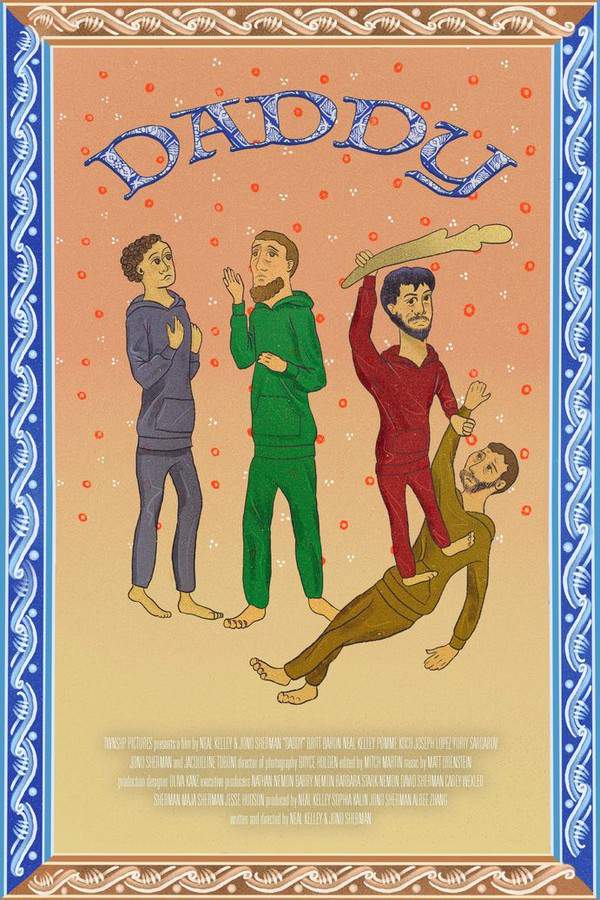
What unfolds is a complex portrait of a notorious figure whose life oscillates between crime and power. The narrative traces the arc of one of India’s most feared gangsters as he makes an improbable move into the realm of politics, a transformation that earns him the moniker of “Daddy.” The tale invites reflection on how a life spent navigating violence and cunning can open doors to influence and authority, while also highlighting the costs paid by those around him and the communities caught in the crossfire. In the end, the story remains focused on the evolution of a man who rises from the shadows of crime to shape the public stage, all while the shadows of his past continue to loom large.