Criminally Insane 2

Criminally Insane 2

Year: 1987

Runtime: 70 mins

Language: English

Horror

Funding cuts force a mental hospital to release its most dangerous patient, mass‑murderer Ethel Janowski, into a halfway house. Psychotic, delusional and ravenous, Ethel’s killing spree began 13 years earlier with her grandmother’s murder after being forced onto a diet. Now, hungry for home‑cooked meals, she will stop at nothing to get more.

Warning: spoilers below!

Haven’t seen Criminally Insane 2 yet? This summary contains major spoilers. Bookmark the page, watch the movie, and come back for the full breakdown. If you're ready, scroll on and relive the story!

Timeline & Setting – Criminally Insane 2 (1987)

Explore the full timeline and setting of Criminally Insane 2 (1987). Follow every major event in chronological order and see how the environment shapes the story, characters, and dramatic tension.

Time period

Location

Bartholomew House, asylum for the criminally insane

Bartholomew House operates as a dim, elderly-run halfway house for residents of questionable mental health. The setting is claustrophobic and ritualized, with a thin layer of care slapped over confinement. The place functions as a liminal space between institution and home, where control and danger collide.

🏚️ Asylum 🏠 Halfway house 🗝️ Secluded

Last updated: February 18, 2026 at 23:08

Was this helpful?

Main Characters – Criminally Insane 2 (1987)

Meet the key characters of Criminally Insane 2 (1987), with detailed profiles, motivations, and roles in the plot. Understand their emotional journeys and what they reveal about the film’s deeper themes.

Edgar Stanley (Albert Eskinazi)

Observant and morally flexible, Edgar witnesses Ethel's crimes and negotiates silence in exchange for desserts. He uses his knowledge of the other residents to navigate the power dynamics of Bartholomew House, keeping one eye on his own survival while edging the truth away from authority.

🧠 Insightful 🗝️ Secretive 🕵️‍♂️ Calculating

Hope Bartholomew (Frances Millard)

An elderly caretaker running the halfway house, Hope embodies fragile kindness. She is unsuspecting and trusting, but ultimately falls victim to Ethel's escalating violence, losing hope and becoming another casualty of the institution's perilous balance.

🧓 Elderly caretaker 🕊️ Gentle 🗝️ Loyal

Ethel Janowski (Priscilla Alden)

Morbidly obese and driven by an obsession with food, Ethel is a volatile resident who sees meals as power and punishment. Her delusions fuel a sequence of horrific acts, revealing a calculating and unhinged psyche that refuses medication and control.

🧠 Delusional 🍽️ Obsessive 🔪 Violent

Doctor Stevens (Nick Millard)

A physician at the institution who interacts with Ethel and the residents, navigating the tension between medical care and the deteriorating dynamics within Bartholomew House.

🩺 Doctor 🧠 Professional 🗝️ Clinical

Doctor (Royal Farros)

The other institution doctor who visits the halfway house and is among those threatened by Ethel's escalating violence; his presence underscores the fragile containment of the asylum-like setting.

🩺 Doctor 🧭 Authority 🗝️ Detached

Last updated: February 18, 2026 at 23:08

Was this helpful?

Major Themes – Criminally Insane 2 (1987)

Explore the central themes of Criminally Insane 2 (1987), from psychological, social, and emotional dimensions to philosophical messages. Understand what the film is really saying beneath the surface.

🍽️ Obsession

Ethel's fixation on food drives her murderous behavior and manipulation, turning meals into currency and power within the house. The appetite becomes a weapon that destabilizes caregivers and residents alike. The pursuit of flavor eclipses empathy and restraint, escalating the danger inside Bartholomew House.

🔪 Violence

Murder becomes a recurring, chilling motif as Ethel's delusions push her toward lethal acts. Each killing reveals cracks in the halfway house's fragile order and forces others to confront their own vulnerabilities. The violence is intimate, domestic, and increasingly unhinged.

🌀 Delusion

Haunted by misperceptions, Ethel mistakes Hope for her grandmother and Edgar for a detective, blurring lines between reality and fantasy. The characters inhabit a shared psychosis that distorts trust and provokes dangerous loyalties within the asylum-like setting.

Last updated: February 18, 2026 at 23:08

Was this helpful?

Criminally Insane 2 (1987) Character & Theme Questions Answered – Info FAQ

Browse frequently asked questions about Criminally Insane 2 (1987) focused on characters, relationships, themes, symbols, setting, and story context. This movie info FAQ gives spoiler-aware explanations for character arcs, world details, and thematic interpretation so readers can better understand what the film is really about.

Q1

Where does the movie take place?

A.

The story unfolds primarily at Bartholomew House, a dimly lit halfway house for residents with questionable mental health. It's run by an elderly caretaker and operates as a liminal space between a full institution and independent living, creating a claustrophobic atmosphere where control and danger collide.

bartholomew househalfway housesettingmental institution
Q2

Who is Ethel Janowski?

A.

Ethel Janowski is the film's central antagonist - a morbidly obese mass-murderer who was released from a mental institution due to funding cuts. Her killing spree began 13 years earlier when she murdered her grandmother after being forced onto a diet. She is psychotic, delusional, and views food as both power and currency.

ethel janowskimass murdererpatientmental illness
Q3

Who runs the halfway house?

A.

Hope Bartholomew, an elderly caretaker, runs Bartholomew House. She embodies fragile kindness and trust, managing the residents without realizing the danger Ethel poses. Her character represents the vulnerability of those working within flawed institutional systems.

hope bartholomewcaretakerhalfway houseelderly
Q4

What is Edgar Stanley's role in the story?

A.

Edgar Stanley is a morally flexible resident who witnesses Ethel's crimes and uses this knowledge to negotiate privileges, particularly desserts. He navigates the power dynamics of Bartholomew House strategically, keeping one eye on his own survival while concealing the truth from authority figures.

edgar stanleyresidentsurvivormorally flexible
Q5

What does Ethel's food obsession represent?

A.

Ethel's fixation on food drives her murderous behavior and serves as a tool for manipulation. Meals become currency and power within Bartholomew House, with her appetite functioning as a weapon that destabilizes both caregivers and fellow residents. The pursuit of food eclipses empathy and restraint.

food obsessionmeals as currencypowermanipulationhunger
Q6

How does delusion factor into the story?

A.

Ethel's delusions blur the lines between reality and fantasy - she mistakes Hope for her grandmother and Edgar for a detective. This shared psychosis distorts trust among all characters and creates dangerous loyalties within the asylum-like setting, contributing to the film's unsettling atmosphere.

delusionpsychosismental illnessreality vs fantasyhallucinations
Q7

How is violence portrayed in the film?

A.

Murder becomes a recurring motif as Ethel's delusions push her toward lethal acts. Each killing reveals cracks in the halfway house's fragile order and forces other characters to confront their own vulnerabilities. The violence is intimate and domestic, making it particularly disturbing.

violencemurderkilling spreedomestic horrorescalating violence
Q8

Why is Ethel released from the mental hospital?

A.

Ethel is released due to funding cuts forcing the mental institution to release its most dangerous patients. This societal failure sets the narrative in motion, placing a proven mass-murderer into a vulnerable community setting ill-equipped to handle her dangerous psychosis.

funding cutsinstitutional releasemental hospitalsocietal failuredangerous patient
Q9

When is the movie set?

A.

The movie does not specify an exact time period. However, the institutional setting and the reference to events occurring 13 years prior suggest a contemporary 1980s backdrop typical of the era when the film was made. The half-way house system depicted reflects real practices from that time.

time period1980serasetting context
Q10

What is the ending about?

A.

The ending is ambiguous - Ethel appears to have succeeded in her delusion by essentially replacing Hope Bartholomew, adopting her identity. However, her laughter suggests she remains dangerously unhinged, leaving her fate open-ended. This open conclusion underscores the film's themes of mental illness and societal failure to contain dangerous individuals.

ambiguous endinghope bartholomewidentityopen endingunresolved fate
Mobile App Preview

Coming soon on iOS and Android

The Plot Explained Mobile App

From blockbusters to hidden gems - dive into movie stories anytime, anywhere. Save your favorites, discover plots faster, and never miss a twist again.

Sign up to be the first to know when we launch. Your email stays private, always.

Explore Movie Threads

Discover curated groups of movies connected by mood, themes, and story style. Browse collections built around emotion, atmosphere, and narrative focus to easily find films that match what you feel like watching right now.

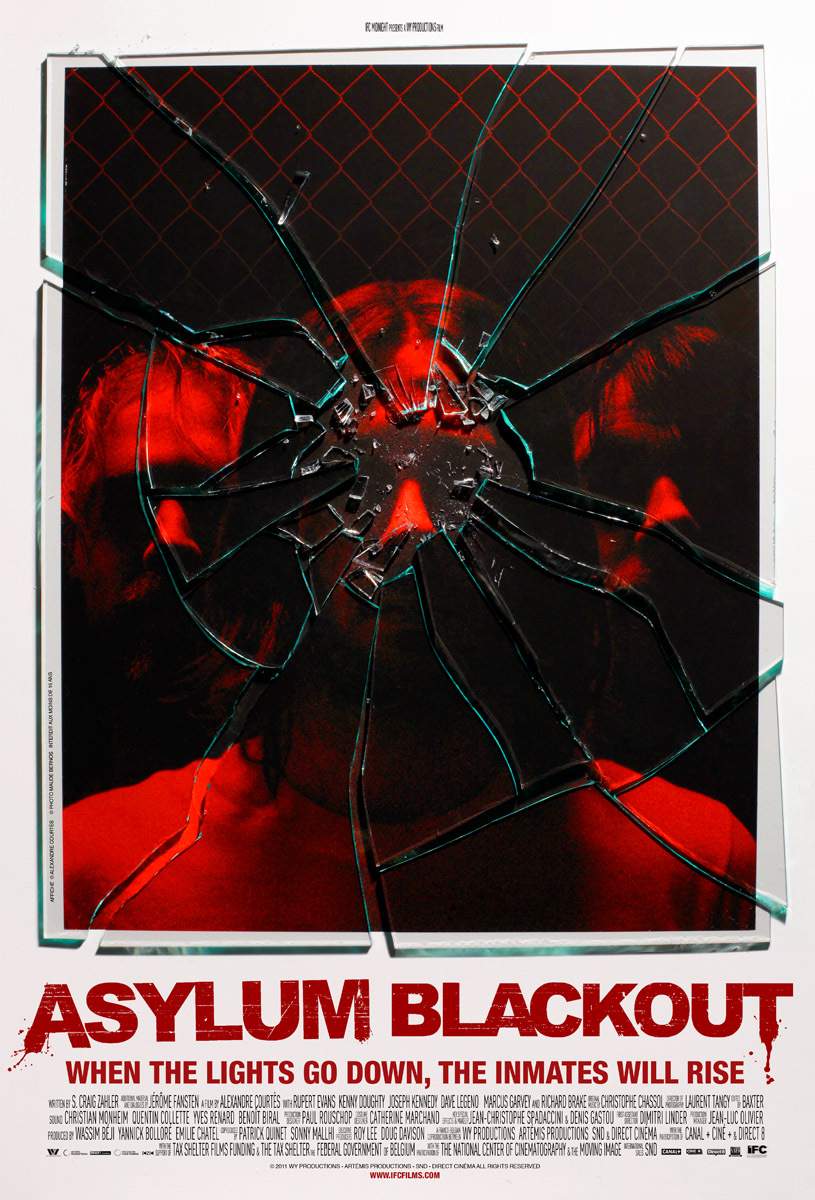
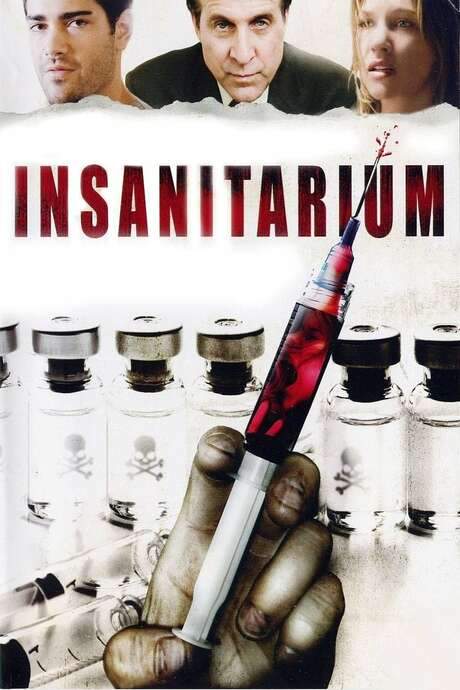
Institutional Horror Movies Like Criminally Insane 2

When the system fails, madness is unleashed upon an unsuspecting world.This collection features films similar to Criminally Insane 2, focusing on terrifying stories where mental patients are released into society with deadly consequences. If you liked the premise of a failed system unleashing a killer, explore movies like 'The Ward', 'Hellraiser: Hellworld', and other tales of institutional breakdown.

institutionalderangedsystemic terrormurderouschaoticbleak

Narrative Summary

These narratives typically begin with a pivotal decision—budget cuts, legal loopholes, or misguided rehabilitation—that releases a high-risk patient. The story follows their inability to reintegrate, leading to a violent return to old patterns and an escalating body count as the authorities scramble to contain the crisis they created.

Why These Movies?

Movies are grouped here because they share a core premise of systemic failure in mental health care, resulting in preventable violence. They explore similar themes of societal responsibility, the dangers of unprepared reintegration, and the horror of witnessing a predictable tragedy unfold.
Horror Films About Murderous Obsession Like Criminally Insane 2

A single obsession twists into a murderous compulsion that cannot be satisfied.If you enjoyed the dark obsession with food in Criminally Insane 2, this thread highlights similar movies where a psychotic break leads to a violent, single-minded fixation. Discover films like 'Relic', where dementia twists into something sinister, or stories of characters consumed by an idea, mirroring the themes found in 'Criminally Insane 2'.

obsessivepsychoticviolentdisturbingunhingedmurderous

Narrative Summary

These stories chart a descent into madness where a character's delusion focuses intensely on a specific object or goal. Their violent acts are rationalized by this obsession, leading to a disturbing escalation where the line between need and murderous impulse is completely erased.

Why These Movies?

These films are grouped together because they feature protagonists whose fractured psyche manifests through a powerful, unhealthy fixation. The horror stems from watching this obsession justify increasingly horrific acts, creating a pattern of disturbing and psychologically intense narratives.

Unlock the Full Story of Criminally Insane 2

Don't stop at just watching - explore Criminally Insane 2 in full detail. From the complete plot summary and scene-by-scene timeline to character breakdowns, thematic analysis, and a deep dive into the ending - every page helps you truly understand what Criminally Insane 2 is all about. Plus, discover what's next after the movie.

Criminally Insane 2 Summary

Read a complete plot summary of Criminally Insane 2, including all key story points, character arcs, and turning points. This in-depth recap is ideal for understanding the narrative structure or reviewing what happened in the movie.

Criminally Insane 2 Summary

Criminally Insane 2 Timeline

Track the full timeline of Criminally Insane 2 with every major event arranged chronologically. Perfect for decoding non-linear storytelling, flashbacks, or parallel narratives with a clear scene-by-scene breakdown.

Criminally Insane 2 Timeline

More About Criminally Insane 2

Visit What's After the Movie to explore more about Criminally Insane 2: box office results, cast and crew info, production details, post-credit scenes, and external links - all in one place for movie fans and researchers.

More About Criminally Insane 2

Similar Movies to Criminally Insane 2

Discover movies like Criminally Insane 2 that share similar genres, themes, and storytelling elements. Whether you’re drawn to the atmosphere, character arcs, or plot structure, these curated recommendations will help you explore more films you’ll love.