Plot Explained Spoilers guaranteed!
Plot Explained

Browse by genre

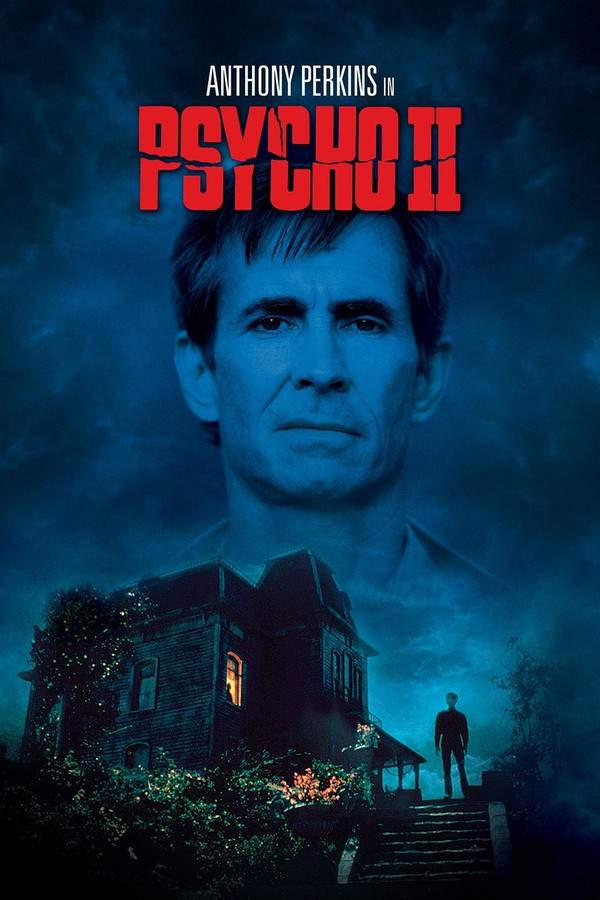
Psycho II (1983) movie poster

Plot Summary

Psycho II (1983) Plot Summary Explained

Release, runtime and language
1983 · 113 min · English
JustWatch #104 36
Directed by
Richard Franklin
Starring
Robert Loggia, Anthony Perkins, Dennis Franz, Vera Miles, Meg Tilly, Lee Garlington

After two decades, Norman Bates attempts to move on from his troubled past, but the haunting influence of "Mother" resurfaces. Under the care of Dr. Warren Toomey, Norman tries to build a new life, but his fragile mental state begins to deteriorate. As disturbing memories and voices return, he struggles to distinguish reality from delusion, and the possibility of repeating his past crimes looms large.

On this page (6)
  1. 1 Where to watch
  2. 2 What happens: full plot
  3. 3 Plot questions answered
  4. 4 Movie threads
  5. 5 Movies like Psycho II
  6. 6 Every angle

Where to watch

Where to Watch Psycho II (1983)

Where can you watch Psycho II? Stream, rent or buy it in the US, including on AMC+, Netflix and Netflix Standard: current JustWatch availability with up-to-date prices.

Streaming availability powered by JustWatch

Full plot summary · contains spoilers

What Happens in Psycho II: Full Plot Summary

The whole story of Psycho II (1983) explained, from the opening scene to the final frame: every key event, every twist and what it all adds up to. Read it as a quick recap before the sequel, to check a scene you missed, or to finally understand what really happened.

Norman Bates, portrayed by Anthony Perkins, is granted his freedom after spending 22 years institutionalized, having been deemed mentally fit by his psychiatrist, Dr. Bill Raymond, played by Robert Loggia. However, not everyone is pleased with Norman's release. Lila Loomis, sister of Marion Crane—one of Norman's past victims, assumes a critical role as she arrives at the hearing to voice her objections. Armed with a petition signed by 743 individuals against his return to society, Lila expresses her fierce disapproval. Her determination is fueled by her connection to Marion, whose tragic fate intertwines with Norman’s dark past. When the judge dismisses Lila's concerns, she resolves to ensure that Norman cannot walk free.

Dr. Raymond takes Norman back to the eerie Bates mansion, nestled ominously behind the Bates Motel. Upon arrival, Norman hesitates, sensing remnants of his past haunting him. The familiar house is cloaked in dust and shrouded memories, prompting Dr. Raymond to advise caution against dwelling on the past. Despite the unsettling atmosphere, Norman insists this is his home, unaware of the menacing echoes of his former life. Once Dr. Raymond departs, Norman finds a note purportedly from his mother stating, "Norman, I'll be home late. Fix your own dinner. Love, M." Soon, Norman’s nerves escalate as he imagines hearing Mother’s voice beckoning him from her room, stirring fragmented and dark memories from his youth.

As his journey resumes, Norman starts a new chapter working at a diner, where he encounters a variety of characters, including the kind-hearted Emma Spool, played by Claudia Bryar, and a troubled waitress named Mary Samuels, represented by Meg Tilly. When Mary faces a personal crisis, Norman offers her shelter at the motel, a kind act that alters both their lives. However, lurking beneath the surface are lingering shadows of Norman's fractured psyche that threaten to resurface.

Tensions rise as Norman is confronted by Warren Toomey, the current motel owner, played by Dennis Franz. This confrontational relationship escalates, and after resigning from the diner, Norman is increasingly troubled by a series of ominous notes that he believes come from his deceased mother, an illusion that teeters between haunting and hallucination. Lila Loomis, under the guise of Mother, orchestrates cell phone calls that unhinge Norman further, reflecting the downward spiral of his mental state.

Throughout twisted events—a veiled murder in the motel basement, Norman’s fragile cooperation with law enforcement, and explosive confrontations with Mary—realities blur, and the line between sanity and insanity begins to erode. In a climactic battle for control, each character's role shifts, exposing secrets and motives. Ultimately, Norman is left grappling with the tragic consequences of a life intertwined with violence and haunting familial ties.

As the narrative culminates, the returning presence of Mother, twisted and insidious, guides Norman's fate towards a final unraveling—a confrontation with legacy, lineage, and an ominous future awaiting within the walls of the Bates abode. Norman, once again beneath the suffocating grip of insanity, embraces his haunting lineage, setting the stage for an unsettling continuation of the Bates Motel saga.
Last updated: October 27, 2024 at 20:56

Was this helpful?

Plot questions answered

Psycho II Plot Explained: Your Questions Answered

The questions people ask most about Psycho II (1983): what happens in the confusing scenes, why the characters do what they do, the twists, hidden details and what the ending means. Each answer contains spoilers.

Q1

Why is Lila Loomis so determined to stop Norman Bates from being released?

Lila Loomis is the sister of Marion Crane, who was murdered by Norman Bates in the original film. She attends his release hearing with a petition signed by 743 people opposing his return to society. Despite the judge's dismissal of her concerns, Lila remains relentless in her mission to ensure Norman cannot live freely, viewing his release as a threat to public safety.

Foreshadowing: Lila's early opposition foreshadows her later scheme to impersonate Mother and psychologically torment Norman.

  • lila loomis
  • marion crane
  • petition
  • opposition
  • release hearing
Q2

Who is really sending Norman the notes pretending to be from his mother?

The notes Norman receives believing they are from his deceased mother are part of Lila Loomis's elaborate scheme to destabilize him. She uses these messages, along with phone calls where she impersonates Mother's voice, to push Norman back toward madness and potentially provoke a violent reaction that would justify his reimprisonment.

Foreshadowing: The ominous notes echo the psychological manipulation that defined Norman's relationship with his mother during his youth.

  • notes
  • lila loomis
  • mother
  • manipulation
  • psychological terror
Q3

Why does Norman offer Mary Samuels shelter at the Bates Motel?

Norman offers Mary shelter after she faces a personal crisis, seeing an opportunity for genuine human connection and a chance at a normal life. This act represents Norman's genuine desire to build new relationships and move past his troubled history. However, this kindness ultimately becomes intertwined with the film's darker events.

Foreshadowing: Norman's act of kindness toward Mary sets the stage for her later involvement in the film's climactic events.

  • mary samuels
  • shelter
  • kindness
  • bates motel
  • relationship
Q4

What triggers Norman's descent back into madness in Psycho II?

Multiple factors trigger Norman's psychological deterioration: the return to the Bates mansion filled with traumatic memories, receiving the fake notes from 'Mother,' Lila's phone calls impersonating his dead mother, and his escalating conflict with Warren Toomey. The combination of external manipulation and internal vulnerability systematically dismantles his fragile sanity.

Foreshadowing: The note Norman finds upon arriving at the mansion marks the beginning of his regression.

  • madness
  • descent
  • triggers
  • psychological breakdown
  • mother voice
Q5

Who is making the phone calls to Norman pretending to be his mother?

Lila Loomis orchestrates the menacing phone calls where she assumes the identity of Norman's deceased mother. Using her knowledge of Norman's psychological vulnerabilities, Lila weaponizes his greatest trauma, speaking in a disguised voice to reignite his split personality and push him toward violence.

Foreshadowing: Lila's scheme mirrors the original film's exploration of Norman's mother complex.

  • phone calls
  • lila loomis
  • mother
  • impersonation
  • psychological warfare
Q6

Why does Norman clash with Warren Toomey at the Bates Motel?

Warren Toomey is the current owner of the Bates Motel, and his confrontational relationship with Norman creates escalating tension. Their conflicts contribute to Norman resigning from his diner job and push him further into isolation, making him more vulnerable to the psychological manipulation from Lila's notes and calls.

Foreshadowing: The escalating conflict with Toomey isolates Norman further, making him susceptible to Mother's alleged return.

  • warren toomey
  • conflict
  • owner
  • bates motel
  • confrontation
Q7

What is the murder in the motel basement about?

A shrouded murder occurs in the Bates Motel basement during the film's events, adding to the mystery and tension. This violent event complicates Norman's already fraught relationship with law enforcement and contributes to the atmosphere of menace surrounding the motel, though the full details serve the film's plot progression toward its climax.

Foreshadowing: The mysterious basement murder becomes a crucial element in the film's escalating violence.

  • basement
  • murder
  • bates motel
  • secret
  • mystery
Q8

How does Norman end up embracing his Mother persona again?

After weeks of psychological torment from Lila's notes and phone calls, combined with isolation and mounting stress, Norman completely succumbs to his split personality. The overwhelming pressure from external manipulation and internal trauma causes him to fully revert to his 'Mother' identity, embracing the dark familial legacy that has defined his violent past.

Foreshadowing: This final descent mirrors Norman's original transformation in the first film, completing the cyclical tragedy.

  • mother persona
  • insanity
  • embrace
  • transformation
  • family legacy
Q9

Why does Norman choose to return to the Bates mansion despite his fears?

Norman insists on returning to the Bates mansion because despite the haunting memories, he views it as his true home. Dr. Raymond warns him against dwelling on the past, but Norman feels a deep connection to the property, unaware that this return would expose him to the psychological manipulation that ultimately destroys his chance at a new life.

Foreshadowing: The mansion's familiar yet ominous environment becomes the setting for Norman's complete psychological unraveling.

  • bates mansion
  • return
  • home
  • memories
  • haunted
Q10

Why does Lila Loomis impersonate Norman's mother?

Lila orchestrates the elaborate scheme of impersonating Mother specifically to exploit Norman's deepest psychological vulnerability. By reigniting his belief that his mother's spirit or voice is communicating with him, Lila aims to trigger a violent episode that would justify his reimprisonment or execution, fulfilling her revenge for Marion's death.

Foreshadowing: Lila's vendetta against Norman drives her to use the very same psychological tactics that created his disorder.

  • lila loomis
  • impersonation
  • revenge
  • mother complex
  • vendetta

Movie threads

More Movies Like Psycho II, by Mood & Story

Curated lists built around what makes Psycho II tick: the same mood, the same kind of story or the same emotional payoff. Each list explains why these movies belong together.

Thrillers about Descent into Madness like Psycho II

Stories where a fragile mind is deliberately unraveled by external forces. If you were fascinated by the psychological torment in Psycho II, this thread features movies where characters are systematically broken down. Discover similar thrillers and horror films about fragile minds being manipulated, leading to a bleak collapse of reality. These stories share a dark tone, heavy emotional weight, and intense psychological pressure.

  • unsettling
  • paranoid
  • fraught
  • oppressive
  • psychological
  • manipulation
  • Tone: dark, tense, bleak
  • Pacing: steady, methodical
Why these movies?

The story pattern: The narrative pattern follows a protagonist, often with a troubled past, who is targeted by an external force seeking revenge or control. Through a steady, methodical progression of tricks—false messages, misdirection, and psychological warfare—their reality is blurred, forcing them to question their own perceptions until a final, irreversible break occurs. The journey is one of inevitable tragedy.

Why they belong together: These films are grouped together because they share a core focus on the process of psychological destruction. They create a similar viewing experience defined by high tension, an oppressive mood, and a deep exploration of trauma and insanity, making them compelling for viewers who appreciate heavy, character-driven psychological thrillers.

Movies About a Haunted Legacy like Psycho II

Characters trapped by a dark past, struggling against a fate they seem destined to repeat. For viewers who appreciated the theme of a cursed inheritance in Psycho II, this collection features films about characters doomed by their past. Find similar movies exploring lineage, trauma, and the struggle against a dark destiny. These narratives often share a steady pace, a dark tone, and a ultimately bleak outlook on breaking free from history.

  • haunting
  • tragic
  • oppressive
  • fated
  • grim
  • cyclical
  • Tone: dark, haunting, tragic
  • Pacing: steady, deliberate
Why these movies?

The story pattern: The narrative follows a protagonist attempting to escape or overcome a sinister legacy—be it familial insanity, a curse, or a history of violence. Their efforts are met with resistance from both external forces (vengeful figures from the past) and internal struggles (psychological triggers). The story often concludes with the tragic confirmation that the legacy is inescapable, cementing a cyclical fate.

Why they belong together: These movies are united by the powerful theme of being condemned by one's history. They evoke a similar feeling of grim inevitability and explore deep questions about nature versus nurture, fate, and trauma. The shared mood is one of haunting dread and tragic weight.

If you liked this

Movies Like Psycho II

Similar movies to Psycho II: the same genre, themes or kind of story. Each one comes with its own plot summary, timeline and ending explained.

Browse all movie summaries

Every angle

Psycho II (1983) Explained: Plot, Timeline & Characters

Everything about Psycho II in one place: what happens in the plot summary, the timeline in chronological order, the characters and meaning and a spoiler-free summary. What's After the Movie adds the cast, box office and post-credit scenes.

Coming soon on iOS and Android

The Plot Explained Movie Summary App

Plot summaries, endings explained and timelines on your phone. Catch up on any movie in minutes, save your favorites and never miss a twist again.

Be the first to know when we launch. Your email stays private, always.

Learn more about the app