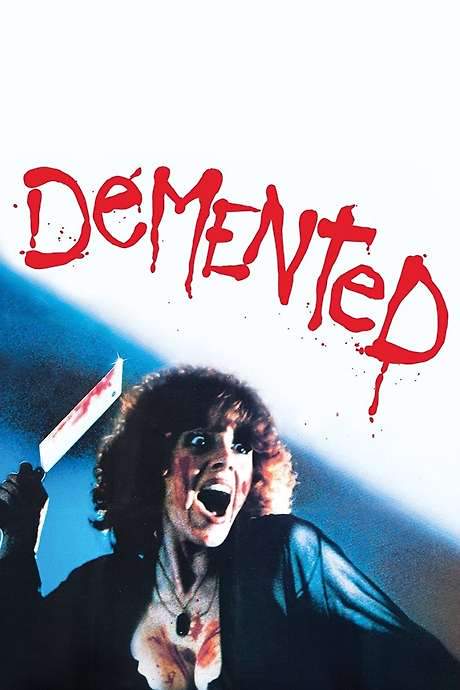
Year: 1975
Runtime: 61 mins
Language: English
Director: Nick Millard
She’s 250 Pounds of Maniacal Fury! An obese woman recently released from an insane asylum kills anyone who attempts to get her to stop eating.
Warning: spoilers below!
Haven’t seen Criminally Insane yet? This summary contains major spoilers. Bookmark the page, watch the movie, and come back for the full breakdown. If you're ready, scroll on and relive the story!
Read the complete plot breakdown of Criminally Insane (1975), including all key story events, major twists, and the ending explained in detail. Discover what really happened, and what it all means.
San Francisco serves as the grim backdrop for a disturbing descent into deprivation and murder. The morbidly obese Ethel Janowski is released from an institution into her grandmother’s care, despite the unease of physician Dr. Gerard. At the grandmother’s home, she begins to gorge on food, insisting that staff at the institution had tried to starve her.
To curb the binge, Mrs. Janowski empties the fridge and locks the cupboards, but the pressure only grows. When she threatens to call the doctor, Ethel stabs her to death, then wrenches the cabinet key from her grasp, locks the corpse in a bedroom, and places an order for more groceries.
When the delivery arrives, the delivery boy, Glen Dickie, finds that Ethel cannot pay and she stabs him with a broken bottle as he tries to leave with the groceries.
Ethel’s sister, Rosalie, arrives and announces she will stay for a few days. Ethel ignores calls from the doctor and works to cover the odor from the locked room as Rosalie complains about the stench.
At a bar, Rosalie runs into her ex-boyfriend and pimp, John, and they have sex. That night, the doctor visits again to check why Ethel has missed appointments; Ethel bludgeons him with a candlestick and places his body with the others.
Three days later, Detective McDonough visits to question Ethel, and she offers evasive statements.
That night, Rosalie and John, unable to tolerate the smell any longer, attempt to break down the locked door in the morning. Ethel murders them, using a cleaver.
The detective returns to re-interview her, and she gives contradictory information before he leaves.
Ethel dismembers her victims, stuffs the pieces into sacks, and drives them to a seaside area to dump them into the ocean. But too many witnesses are around, so she brings the bags back home and drags them inside; on the way, she forgets to close her car trunk, and a suspicious neighbor spots a severed hand and calls the police.
In the end, the detective walks in on Ethel eating one of her dead grandmother’s arms.
Last updated: October 09, 2025 at 14:08
Explore frequently asked questions about Criminally Insane (1975) with spoiler-rich answers covering the full plot summary, major story beats, character motivations, hidden details, and ending meaning. This movie summary FAQ helps explain confusing scenes, plot twists, and narrative decisions in clear, searchable detail.
Ethel murders her grandmother after the old woman threatens to call Dr. Gerard to address Ethel's uncontrollable binge eating. Ethel stabs her to death and then wrenches the cabinet key from her dead hand to gain access to the locked food supply. The murder is driven by Ethel's desperate need to satisfy her eating compulsion, which she perceives as being threatened.
Earlier, Ethel claims the institution staff tried to starve her, establishing her violent response to food restriction.
When the delivery boy arrives with groceries, Ethel cannot pay for the order. As he attempts to leave with the groceries, she attacks him with a broken bottle and stabs him to death. This murder follows the same pattern as her grandmother's killing - anyone who prevents her from obtaining food becomes a target.
The earlier conflict with her grandmother over food establishes that Ethel will use extreme violence to secure access to food.
Rosalie and John decide to break down the locked bedroom door because they cannot tolerate the growing stench from the room. Ethel learns of their plan and that night murders them both with a cleaver while they sleep. Their deaths eliminate two more witnesses to Ethel's crimes and add to her growing collection of bodies.
Rosalie complains about the smell emanating from the locked bedroom multiple times, signaling the danger they are in.
Ethel dismembers her victims and stuffs the body parts into sacks. She drives to a seaside area to dump them in the ocean, but too many witnesses are present. She brings the sacks back home and drags them inside, accidentally leaving her car trunk open. A neighbor spots a severed hand in the trunk and calls the police.
Ethel consistently takes actions to hide her crimes, from locking the bedroom to covering odors, showing her awareness of needing to conceal evidence.
Detective McDonough questions Ethel twice but she provides evasive and contradictory statements. Despite his growing suspicion, he lacks sufficient evidence to arrest her at that time. He leaves the house each time without resolving the case, allowing Ethel to continue her killings until he finally returns after the neighbor reports the severed hand.
Ethel's pattern of giving evasive answers during both interviews demonstrates her ability to manipulate investigators.
In the final scene, Detective McDonough walks in on Ethel eating one of her dead grandmother's arms. This horrific image represents the ultimate degradation of Ethel's mental state and her complete surrender to her cannibalistic impulses. The ending offers no redemption or resolution, leaving the story on a deliberately bleak note.
The earlier reveal that Ethel is cannibalistic (implied in the description) and the presence of her grandmother's body in the house foreshadow this final act.
Despite Dr. Gerard's unease about her discharge, Ethel is released from the institution into her grandmother's care. The specific reasons for her release are not detailed in the film, but the decision places a dangerous individual in a home environment where her extreme eating behaviors escalate into murder. Dr. Gerard's reluctance suggests the institution may have been negligent in assessing her readiness for release.
Dr. Gerard's expressed unease about the discharge directly foreshadows the violent events that follow.
Ethel's grandmother, Mrs. Janowski, empties the refrigerator and locks the cupboards to curb Ethel's binge eating. Her motivation is concern for Ethel's health and possibly fear about the mounting food bills. However, this action triggers Ethel's violent response, as she perceives the food restriction as a threat to her survival.
Ethel's claim that institution staff tried to starve her establishes her extreme reaction to food deprivation.
Discover curated groups of movies connected by mood, themes, and story style. Browse collections built around emotion, atmosphere, and narrative focus to easily find films that match what you feel like watching right now.
Stories of psychological decay and violence erupting within a claustrophobic family setting.For viewers seeking movies like Criminally Insane, this collection features horror films where psychological decay and extreme violence erupt within a family home. These stories share a claustrophobic, obsessive atmosphere and a bleak, disturbing portrait of domestic life gone horribly wrong.
The narrative follows a character's escalating psychological breakdown, triggered by a core obsession or trauma, which manifests in violence against family members or caregivers. The conflict is intensely personal, set within a confined domestic space, leading to an inevitable and horrifying conclusion with no escape or redemption.
Movies in this thread are grouped by their shared focus on a single character's obsessive descent into violence within a tight-knit, oppressive environment. They create a cohesive experience through a dark tone, steady pacing that builds dread, and a heavy emotional weight derived from the intimacy of the horror.
Low-budget, high-impact horror that delivers relentless violence and transgressive themes.If you liked the gritty, transgressive style of Criminally Insane, this list highlights similar exploitation horror films. These movies are known for their high-intensity violence, disturbing themes, and a dark, unflinching tone that delivers a gruesome and unsettling viewing experience.
Narratives are typically straightforward, serving as a simple framework to stage a series of graphic and inventive kills or shocking acts. Character development is minimal, with the focus placed squarely on the spectacle of violence and the exploration of taboo subjects, leading to bleak endings without moral resolution.
These films are united by their commitment to a specific aesthetic of graphic, low-budget horror. They share a high intensity, a dark and gritty tone, and a focus on delivering a consistently stressful experience through unapologetic violence and disturbing content.
Don't stop at just watching - explore Criminally Insane in full detail. From the complete plot summary and scene-by-scene timeline to character breakdowns, thematic analysis, and a deep dive into the ending - every page helps you truly understand what Criminally Insane is all about. Plus, discover what's next after the movie.
Track the full timeline of Criminally Insane with every major event arranged chronologically. Perfect for decoding non-linear storytelling, flashbacks, or parallel narratives with a clear scene-by-scene breakdown.
Discover the characters, locations, and core themes that shape Criminally Insane. Get insights into symbolic elements, setting significance, and deeper narrative meaning - ideal for thematic analysis and movie breakdowns.