Plot Explained Spoilers guaranteed!
Plot Explained

Browse by genre

Convicts 4 (1962) movie poster

Characters & Themes

Convicts 4 (1962) Characters, Setting & Themes Explained

Release, runtime and language
1962 · 105 mins · English
Directed by
Millard Kaufman
Starring
Rod Steiger, Stuart Whitman, Vincent Price, Jack Kruschen, Broderick Crawford, Warren J. Kemmerling

After his death sentence is reduced to life, John Resko is moved from Sing‑Sing to Dannemora. With the assistance of a compassionate guard, he finds purpose behind bars, transforms into a rehabilitated inmate and discovers a talent for painting, eventually becoming a successful artist.

On this page (7)
  1. 1 Characters explained (8)
  2. 2 Where & when it takes place
  3. 3 Themes & meaning (4)
  4. 4 Character & meaning questions
  5. 5 Movie threads
  6. 6 Movies like Convicts 4
  7. 7 Every angle

8 main characters · contains spoilers

Convicts 4 Characters Explained: Who Is Who

The main characters of Convicts 4 (1962), heroes and villains: what drives them, how they change over the course of the story and what each of them reveals about the film's bigger ideas.

  • John Resko (Ben Gazzara)

    A young man driven to desperate actions by circumstance, whose life spirals into imprisonment. He endures brutal prison routines, isolation, and a fraying family life, yet clings to resilience. Through grit and small acts of creativity, he seeks to redefine himself beyond the crime.

    • 🔥 Impulsive
    • 🧭 Determined
    • 👨‍👧 Family-oriented
  • Carl Carmer (Vincent Price)

    An art critic who sees Resko’s talent and becomes a rare link to the outside world. He represents recognition beyond prison walls and acts as a catalyst for Resko’s slow transformation through art.

    • 🎨 Insightful
    • 🧭 Visionary
    • 🖼️ Artlover
  • Iggy (Ray Walston)

    A fellow inmate who befriends Resko and helps him endure long stretches in confinement. His practical camaraderie highlights the enduring bonds that sustain prisoners in tough times.

    • 🤝 Camaraderie
    • 🗝️ Resilience
  • Resko's Mother (Naomi Stevens)

    A steadfast maternal figure who mourns her son’s fate and anchors his longing for family. Her absence and concern shape Resko’s emotional landscape, standing as a symbol of home and enduring love.

    • 💔 Loss
    • 👪 Family
  • Connie Resko (Carmen Phillips)

    Resko’s wife who leaves him, underscoring the personal costs of his crime. Her departure intensifies his sense of isolation but also fuels his drive toward reconciliation and a more stable future.

    • 💔 Abandonment
    • 🏚️ Family struggle
  • Warden (Broderick Crawford)

    The embodiment of prison authority who enforces rules and presides over disciplinary actions. His presence represents the system’s harshness and the daily pressure on inmates.

    • ⚖️ Authority
    • 🗝️ Control
  • Cathy (Adult) (Susan Silo)

    Resko’s daughter grown with time; she embodies hope for a rebuilt family and the possibility of reintegration after years apart. Her presence at release reinforces the film’s theme of second chances.

    • 👧 Family
    • 🕊️ Hope
  • Nick (Timothy Carey)

    A fellow inmate who adds grit and streetwise practicality to Resko’s circle. He contributes to the harsh, lived-in texture of prison life and the social dynamics among inmates.

    • 🧭 Survivor
    • 🤝 Friend

Last updated: March 05, 2026 at 18:23

Was this helpful?

Setting

Where and When Does Convicts 4 Take Place?

The setting of Convicts 4 (1962): the year and time period, the places and locations, and how they shape the characters, the mood and the tension of the story.

Time period

1931-1949

The timeline begins on Christmas 1931 during the Great Depression, marking the act that leads to imprisonment. It chronicles 18 years behind bars, including periods of solitary confinement, and culminates in a 1949 release. The arc spans the Depression era into the postwar years, shaping resilience and reintegration.

Location

Prison, Shop

The story centers mainly within a state prison where Resko serves a lengthy sentence, with pivotal moments tied to a wintery shop where the crime occurred. The contrast between confinement and glimpses of life outside informs the film’s mood. The Christmas 1931 incident anchors the narrative in a Depression-era setting that shapes the characters’ choices.

  • 🔒 Prison
  • 🛒 Shop

Last updated: March 05, 2026 at 18:23

Was this helpful?

4 major themes

Convicts 4 Meaning: Themes & Message Explained

What is Convicts 4 (1962) really about? The emotional, social and philosophical themes the film keeps returning to, its symbolism and the message beneath the surface.

  • Freedom

    Confinement and the longing for freedom drive the narrative. The prison walls shape identity and choices, while occasional glimpses of life outside offer hope. The tension between restriction and opportunity underscores Resko’s struggle to rebuild his life after release.

  • Art

    Art becomes a lifeline for Resko, a language to process trauma and loneliness. The outside world’s recognition through Carl Carmer shows how creativity can bridge the gap between prison and freedom. Painting provides meaning where routine life risks eroding the self.

  • Family

    Family bonds drive the emotional core of the story—his wife’s departure, his mother’s concern, and his daughter and granddaughter’s waiting future. These ties motivate endurance and longing for reconciliation. The eventual reunion underscores the possibility of renewal.

  • Justice

    The last-minute pardon and the memory of the electric chair highlight the ambiguities of justice. The system’s harshness sits beside moments of mercy, prompting reflection on rehabilitation and second chances. The narrative uses legal fate to explore mercy and accountability.

Last updated: March 05, 2026 at 18:23

Was this helpful?

Character & theme questions

Convicts 4 Characters & Meaning: Your Questions Answered

The questions people ask about Convicts 4 (1962): who the characters really are, their relationships, what the symbols mean, where it takes place and what the movie is really about. Each answer contains spoilers.

Q1

Where does the story take place?

The narrative unfolds primarily within a state prison, specifically Dannemora (after Resko is transferred from Sing-Sing). The crime itself occurs at a shop during a Christmas 1931 robbery, and the contrast between the confinement of prison walls and brief glimpses of the outside world shapes the film's mood and emotional tension.

  • dannemora prison
  • sing-sing
  • prison setting
  • convicts 4 location
Q2

When is the movie set?

The story begins on Christmas 1931 during the Great Depression, marking the pivotal crime that leads to Resko's imprisonment. The narrative follows his 18-year sentence through periods of solitary confinement and ends with his release in 1949, spanning the Depression era into the postwar years.

  • 1931
  • 1949
  • great depression
  • time period
  • prison timeline
Q3

Who is John Resko?

John Resko is the film's protagonist, a young man driven to desperate action by circumstances during the Great Depression. Sentenced to death (later reduced to life), he endures brutal prison routines and isolation while clinging to resilience. Through grit and creativity, he seeks to redefine himself beyond his crime and eventually becomes a successful painter.

  • john resko
  • protagonist
  • ben gazzara
  • prisoner
  • artist
Q4

What does the movie say about freedom?

Freedom is the central theme, with prison walls shaping Resko's identity and choices throughout his sentence. The longing for freedom drives his narrative arc, while occasional glimpses of life outside offer hope. The tension between restriction and opportunity underscores his struggle to rebuild his life after release in 1949.

  • freedom
  • confinement
  • imprisonment
  • release
  • rehabilitation
Q5

What role does art play in the story?

Art becomes Resko's lifeline, a creative language to process trauma and loneliness behind bars. The outside world's recognition, particularly through art critic Carl Carmer, shows how creativity can bridge the gap between prison and freedom. Painting provides meaning where routine prison life risks eroding his sense of self.

  • painting
  • art
  • carl carmer
  • creativity
  • artist
Q6

How does the film address family and relationships?

Family bonds form the emotional core: Resko's wife Connie leaves him, his mother mourns his fate, and his daughter Cathy represents hope for reconciliation. These relationships motivate his endurance through years of imprisonment. The eventual reunion with his grown daughter underscores the film's theme of renewal and second chances.

  • family
  • wife
  • mother
  • daughter
  • cathy
  • reconciliation
Q7

How does the movie explore justice and mercy?

The film examines the ambiguities of justice through Resko's death sentence later reduced to life imprisonment, and his last-minute pardon. The system's harshness sits alongside moments of mercy, prompting reflection on rehabilitation and second chances. The narrative uses legal fate to explore the tension between accountability and the possibility of redemption.

  • justice
  • mercy
  • pardon
  • death sentence
  • rehabilitation
  • prison system
Q8

Who is Carl Carmer and what is his significance?

Carl Carmer is an art critic (played by Vincent Price) who recognizes Resko's artistic talent and becomes a vital link to the outside world. He represents recognition beyond prison walls and acts as a catalyst for Resko's transformation through art, helping bridge his isolated existence with the broader world.

  • carl carmer
  • vincent price
  • art critic
  • mentor
  • recognition
Q9

What is prison life like in the film?

The film portrays the harsh reality of prison through Resko's experiences: brutal routines, long stretches in solitary confinement, and the social dynamics among inmates. Fellow prisoners like Iggy and Nick provide practical camaraderie that sustains Resko through tough times, highlighting the enduring bonds prisoners form under confinement.

  • prison life
  • solitary confinement
  • inmates
  • iggy
  • nick
  • confinement
Q10

What is the overall message of the movie?

Convicts 4 delivers a hopeful message about redemption and transformation. Despite starting with a tragic crime and death sentence, the film pivots to show how one man finds purpose through art and eventually earns freedom and family reunion. It's an inspirational story about second chances rather than a purely bleak examination of crime and punishment.

  • redemption
  • hope
  • transformation
  • second chances
  • inspirational

Movie threads

More Movies Like Convicts 4, by Mood & Story

Curated lists built around what makes Convicts 4 tick: the same mood, the same kind of story or the same emotional payoff. Each list explains why these movies belong together.

Movies about artistic redemption like Convicts 4

Characters find salvation and a new identity through creative expression. If you enjoyed Convicts 4, explore more movies where characters find salvation and a new purpose through art. These films share a hopeful tone and focus on rehabilitation, showcasing similar journeys of self-discovery and creative triumph over adversity.

  • redemptive
  • hopeful
  • reflective
  • inspiring
  • somber
  • transformative
  • Tone: hopeful, reflective
  • Pacing: steady, character-driven
Why these movies?

The story pattern: The narrative follows a character at their lowest point who discovers an artistic outlet. Through mentorship and personal struggle, they channel their pain into creation, leading to personal growth, recognition, and ultimately, a form of redemption that changes the course of their life.

Why they belong together: These films are grouped by their central theme of art as a catalyst for personal salvation. They share a hopeful, reflective mood, a steady pacing that allows for character growth, and a focus on the transformative power of creativity within a constrained or difficult environment.
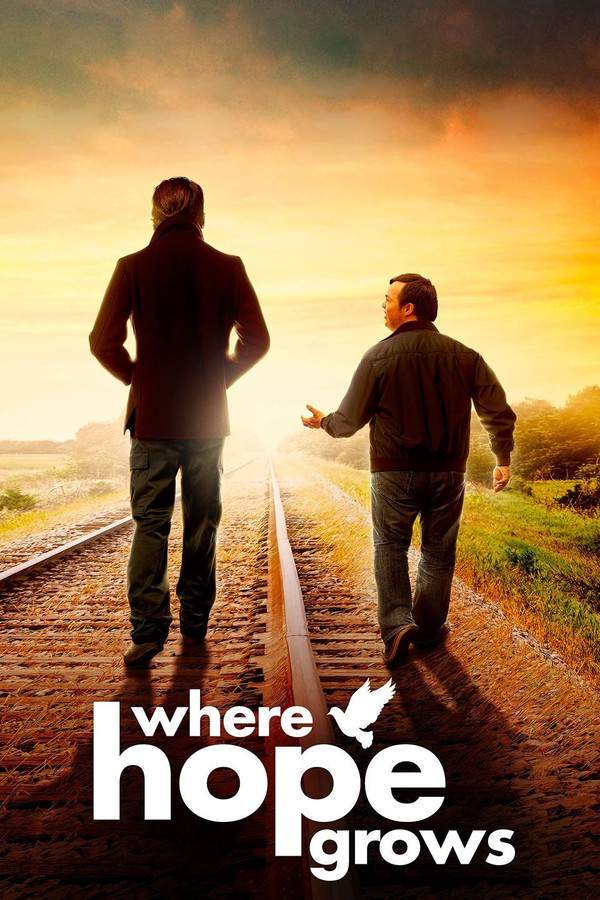
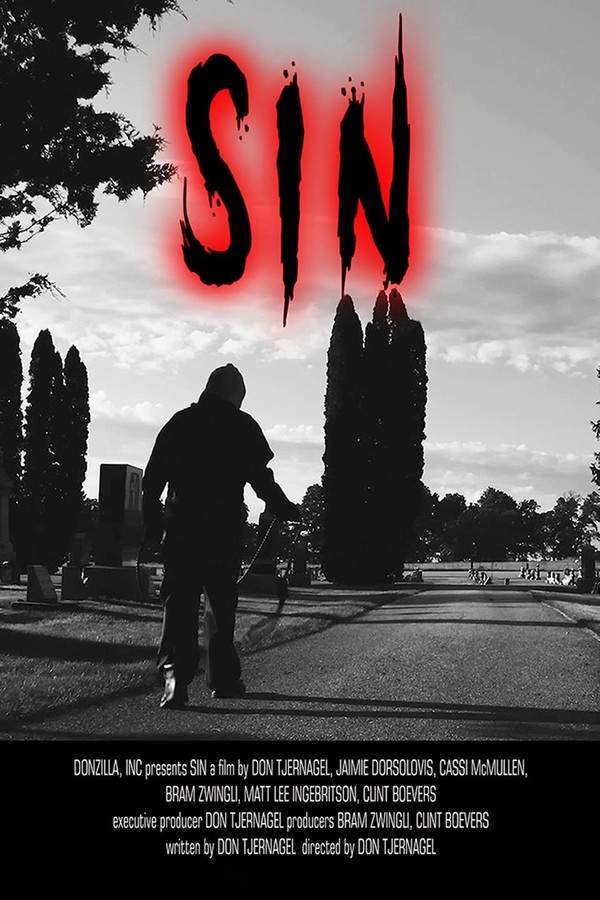
Gritty prison rehabilitation dramas similar to Convicts 4

Stories of inmates seeking a second chance and personal transformation behind bars. Fans of Convicts 4 will appreciate these similar movies about life in prison focused on rehabilitation and second chances. Discover more gritty but hopeful dramas that explore the justice system and an inmate's difficult journey toward a better life.

  • gritty
  • hopeful
  • somber
  • redemptive
  • isolated
  • dramatic
  • Tone: hopeful, somber
  • Pacing: steady
Why these movies?

The story pattern: The plot centers on a convicted individual navigating the brutal prison environment. A key relationship, often with a guard or mentor, helps them find a constructive path. The story chronicles their internal struggle, small victories, and ultimate rehabilitation, challenging the notion that people cannot change.

Why they belong together: These movies share a specific world (the prison system) and a core thematic focus on redemption and the possibility of change. They typically balance a gritty, somber atmosphere with a steady, hopeful narrative about overcoming one's past.

If you liked this

Movies Like Convicts 4

Similar movies to Convicts 4: the same genre, themes or kind of story. Each one comes with its own plot summary, timeline and ending explained.

Browse all movie summaries

Every angle

Convicts 4 (1962) Explained: Plot, Timeline & Characters

Everything about Convicts 4 in one place: what happens in the plot summary, the timeline in chronological order, the characters and meaning and a spoiler-free summary. What's After the Movie adds the cast, box office and post-credit scenes.

Coming soon on iOS and Android

The Plot Explained Movie Summary App

Plot summaries, endings explained and timelines on your phone. Catch up on any movie in minutes, save your favorites and never miss a twist again.

Be the first to know when we launch. Your email stays private, always.

Learn more about the app