Year: 1932
Runtime: 78 mins
Language: English
Director: Michael Curtiz
Brash hoodlum Tom Connors arrives at the notorious Sing Sing prison, cocky and openly defiant of authority. Inside, his hardened outlook is challenged by a tough yet compassionate warden who strives to reform him, forcing Connors to confront his broken hopes and the brutal realities of prison life.
Warning: spoilers below!
Haven’t seen 20,000 Years in Sing Sing yet? This summary contains major spoilers. Bookmark the page, watch the movie, and come back for the full breakdown. If you're ready, scroll on and relive the story!
Read the complete plot breakdown of 20,000 Years in Sing Sing (1932), including all key story events, major twists, and the ending explained in detail. Discover what really happened, and what it all means.
Cocky Tommy Connors [Spencer Tracy] is sentenced for up to 30 years in Sing Sing for robbery and assault with a deadly weapon. His associate Joe Finn [Louis Calhern] promises to use his contacts and influence to free Connors, but his attempt to bribe the warden [Arthur Byron] to provide special treatment is met with disdain and failure. Connors makes trouble immediately, but the prolonged confinement in his cell begins to change his attitude. As the warden had predicted, Connors is glad to contribute some honest work on the rockpile after his period of inactivity.
However, Connors’s determination to escape is unshaken. Bud Saunders [Lyle Talbot], a highly educated fellow prisoner desperate to be with his pregnant wife, recruits Connors and another inmate for a complicated escape attempt. However, the escape is scheduled for a Saturday, a day that Connors superstitiously regards as unlucky for him. He withdraws from the plan, forcing Saunders to take another volunteer. The warden is alerted to the escape attempt, and although two guards are killed, the attempt is foiled. Trapped, Saunders jumps to his death. His two accomplices are captured and returned to their cells.
Connors’s girlfriend Fay Wilson [Bette Davis] visits him regularly in prison since his trial. On one visit, she admits that she has become close to Finn to encourage him to help Connors, but Connors tells her that she is only providing Finn with a reason to keep him locked in jail. Connors learns that Fay was injured in a car accident and is not expected to live. The warden grants Connors a 24-hour leave to see her, and Connors promises to return.
When Connors sees Fay, he learns that Finn was responsible for her injuries. He takes a gun from a drawer, but Fay persuades him to give it to her. Finn appears, expecting Fay to sign a statement exonerating him in exchange for $5,000 that he intended to give to Connors. Connors and Finn fight, and Fay shoots Finn. Connors flees, taking the gun with him, and Fay secretly slips the money into his pocket. Before he dies, Finn names Connors as his killer.
The warden is lambasted in the newspapers for allowing Connors to leave the prison. Just when the warden is about to sign a letter of resignation, Connors emerges. Connors is found guilty of first-degree murder and sentenced to death in the electric chair despite Fay’s testimony that it was she who killed Finn. Connors comforts her before being taken to death row.
Last updated: October 09, 2025 at 10:44
Explore frequently asked questions about 20,000 Years in Sing Sing (1932) with spoiler-rich answers covering the full plot summary, major story beats, character motivations, hidden details, and ending meaning. This movie summary FAQ helps explain confusing scenes, plot twists, and narrative decisions in clear, searchable detail.
Connors withdraws from the escape because it is scheduled for a Saturday, a day he superstitiously regards as unlucky for him. This decision proves fateful when the escape attempt fails, resulting in two guards being killed and Bud Saunders committing suicide.
Earlier in the film, Connors is established as confident and defiant, so his sudden withdrawal due to superstition reveals a superstitious side that contradicts his cocky exterior.
The warden grants Connors temporary release after learning that his girlfriend Fay Wilson has been injured in a car accident and is not expected to live. Despite knowing the risk, the warden allows Connors to visit her, demonstrating his belief in rehabilitation and compassion, though this decision ultimately leads to disaster.
The warden's earlier efforts to reform Connors through honest work foreshadow his willingness to show mercy, even to a hardened convict.
Joe Finn deliberately caused the car accident that injured Fay Wilson. When Connors visits the dying Fay, he learns that Finn was responsible for her injuries, which motivates the confrontation that follows.
Earlier hints of Finn's manipulation, including his failed bribe and his relationship with Fay, set up his capacity for such a ruthless act.
Connors is convicted of first-degree murder and sentenced to death in the electric chair even though Fay testifies that she was the one who shot Finn. The court apparently does not believe her testimony, or the circumstantial evidence against Connors, including his possession of the gun and his flight from the scene, proves overwhelming.
The media backlash against the warden for allowing Connors' leave creates public pressure for a harsh verdict, potentially influencing the court's decision.
When the escape attempt is foiled and the alarm sounds, Bud Saunders finds himself trapped with no way out. Rather than be captured, he jumps to his death. The other two accomplices are captured and returned to their cells.
Saunders' desperation to escape is established early, he is described as highly educated and desperate to be with his pregnant wife, making his tragic choice feel inevitable.
After learning that Finn caused her accident, Connors retrieves a gun from a drawer, intending to confront Finn. However, when Fay urges him to hand the gun to her instead, Connors complies. This moment reveals both Connors' trust in Fay and sets up the fatal confrontation where she uses the weapon.
This scene follows directly from Connors learning of Finn's betrayal, heightening the tension and foreshadowing the violent resolution to come.
Finn's betrayal appears motivated by his desire to keep Connors imprisoned. When Finn promises to use his contacts to free Connors, his actual goal seems to be ensuring Connors stays locked up. Whether this is simple greed, resentment, or another motive is not fully explained, but Finn's actions, from the failed bribe to causing Fay's accident, demonstrate consistent effort to keep Connors in prison.
Finn's initial attempt to bribe the warden, which fails and draws attention to Connors, hints at his duplicitous nature from the start.
The warden believes in rehabilitation and gives Connors opportunities to earn respect through honest labor, such as allowing him to work on the rockpile. His philosophy is that even hardened criminals can change through discipline and purpose, which is why he later grants Connors the 24-hour leave to see his dying girlfriend.
The warden's stern rejection of Finn's bribe establishes his integrity and sets the foundation for his reform-minded approach to prison management.
Connors' cocky defiance gradually softens as he endures prolonged confinement. After weeks of inactivity in his cell, he becomes glad to contribute honest work on the rockpile. The warden's prediction that meaningful work would change his attitude proves accurate, though this glimmer of reform is ultimately crushed by the tragic events that follow.
This transformation hints at the film's exploration of whether redemption is possible within a brutal prison system.
Joe Finn attempts to bribe the warden to secure special treatment for Connors, but the warden responds with disdain and refuses the corrupt offer. The failed bribe leaves Connors to face standard prison conditions and scrutiny, setting up the power dynamic between honest authority and criminal corruption.
This encounter establishes the warden's integrity and foreshadows his eventual downfall when he makes the controversial decision to grant Connors leave.
Finn confronts Fay with an offer: she signs a statement exonerating him in exchange for $5,000 that he intended to give to Connors. This cynical maneuver is Finn's attempt to buy his way out of responsibility for her injuries while appearing generous, but the confrontation escalates into violence.
Finn's visit follows directly from his causing her accident, revealing his attempt to control the narrative and escape consequences.
After Connors kills Finn and flees with the murder weapon, newspapers lambaste the warden for granting a convicted criminal temporary release. The public scandal threatens the warden's career and reputation, pushing him to consider resignation despite his good intentions.
The warden's earlier integrity and reform efforts make his downfall particularly tragic, highlighting how the system punishes compassion.
Discover curated groups of movies connected by mood, themes, and story style. Browse collections built around emotion, atmosphere, and narrative focus to easily find films that match what you feel like watching right now.
Gritty stories where the prison system itself is an oppressive, crushing force.For viewers seeking more movies like 20,000 Years in Sing Sing that explore the harsh reality of prison life. These films share a dark, oppressive tone and show the institutional authority of the prison system as a primary antagonist, often ending in tragedy.
These narratives follow defiant individuals entering a rigid penal system, where their spirit is tested by violence, strict authority, and the bleak promise of reform. The journey typically involves a clash with the system, a failed attempt at change or escape, and culminates in a tragic, fatalistic conclusion that underscores the institution's destructive power.
Movies are grouped here for their shared focus on the prison setting as a character in itself—a brutal, unforgiving world. They connect through a consistently dark tone, high intensity from violence and tension, and a heavy emotional weight derived from themes of broken hope and institutional failure.
Stories where a cynical character's fate is sealed by a chain of inevitable misfortune.If you liked the tragic arc of Tom Connors in 20,000 Years in Sing Sing, these movies feature similar doomed antiheroes. They follow characters whose hopes for redemption are crushed by a fatalistic sequence of events, leading to a powerfully sad and heavy conclusion.
The pattern involves a cynical or rebellious protagonist who encounters a glimmer of hope or a chance at reform. However, external circumstances, betrayal, or their own flawed nature trigger an inescapable chain of events that leads to their downfall. The narrative structure feels inevitable, emphasizing tragedy over redemption.
These films are connected by a shared emotional journey of fatalism and tragedy. They possess a heavy emotional weight, a steady pacing that builds towards an unavoidable conclusion, and a dark tone that leaves little room for hope, focusing on the crushing of individual spirit.
Don't stop at just watching - explore 20,000 Years in Sing Sing in full detail. From the complete plot summary and scene-by-scene timeline to character breakdowns, thematic analysis, and a deep dive into the ending - every page helps you truly understand what 20,000 Years in Sing Sing is all about. Plus, discover what's next after the movie.
Track the full timeline of 20,000 Years in Sing Sing with every major event arranged chronologically. Perfect for decoding non-linear storytelling, flashbacks, or parallel narratives with a clear scene-by-scene breakdown.
Discover the characters, locations, and core themes that shape 20,000 Years in Sing Sing. Get insights into symbolic elements, setting significance, and deeper narrative meaning - ideal for thematic analysis and movie breakdowns.
Discover movies like 20,000 Years in Sing Sing that share similar genres, themes, and storytelling elements. Whether you’re drawn to the atmosphere, character arcs, or plot structure, these curated recommendations will help you explore more films you’ll love.
20,000 Years in Sing Sing (1932) Scene-by-Scene Movie Timeline
20,000 Years in Sing Sing (1932) Movie Characters, Themes & Settings
20,000 Years in Sing Sing (1932) Spoiler-Free Summary & Key Flow
Movies Like 20,000 Years in Sing Sing – Similar Titles You’ll Enjoy
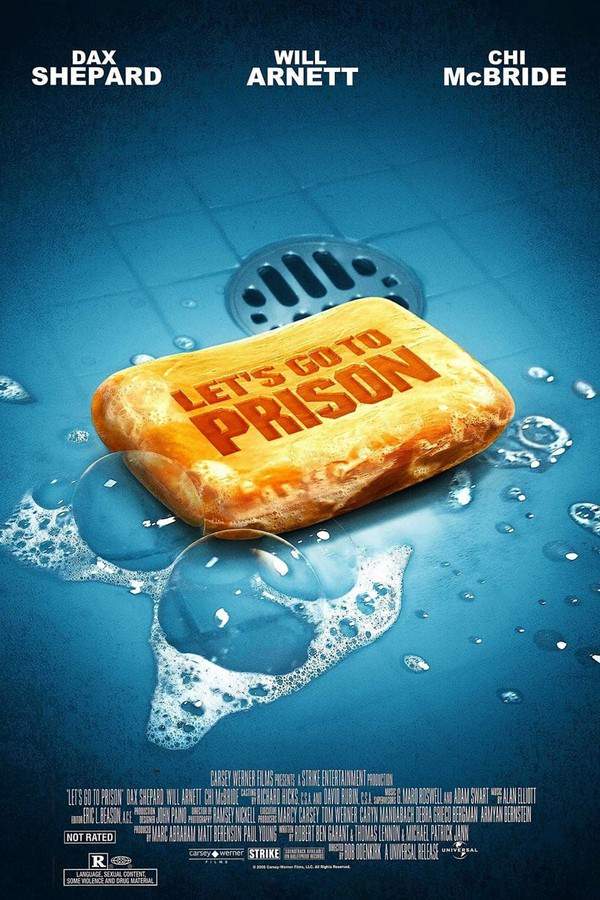
Let's Go to Prison (2006) Story Summary & Characters
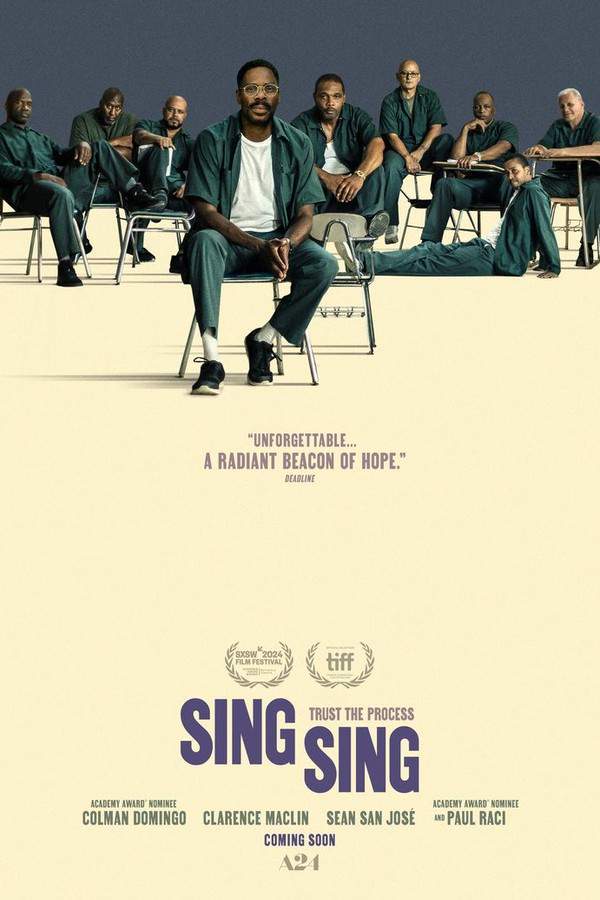
Sing Sing (2024) Full Summary & Key Details
With Prisoners (2017) Full Summary & Key Details
Island of Fire (1990) Ending Explained & Film Insights
Prison on Fire (1987) Detailed Story Recap
Riot in Cell Block 11 (1954) Full Summary & Key Details
Up the River (1930) Detailed Story Recap
The Criminal Code (1930) Spoiler-Packed Plot Recap
Convicts 4 (1962) Detailed Story Recap
Two Escape from Sing Sing (1964) Detailed Story Recap
San Quentin (1937) Movie Recap & Themes
Inside the Walls of Folsom Prison (1951) Full Movie Breakdown
Blackwell’s Island (1939) Full Summary & Key Details
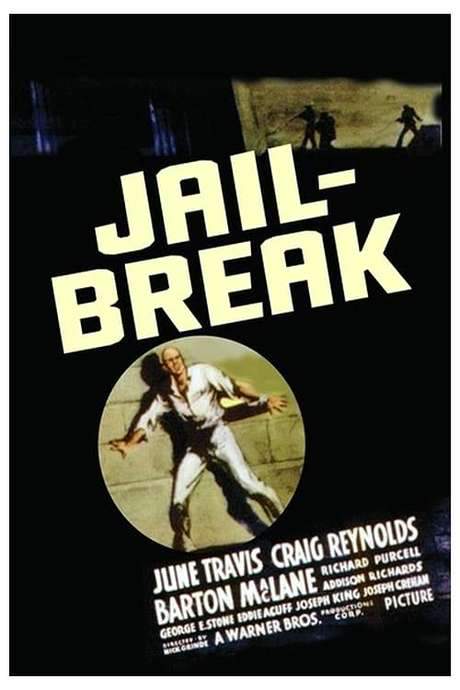
Jailbreak (1936) Spoiler-Packed Plot Recap
Unchained (1955) Movie Recap & Themes