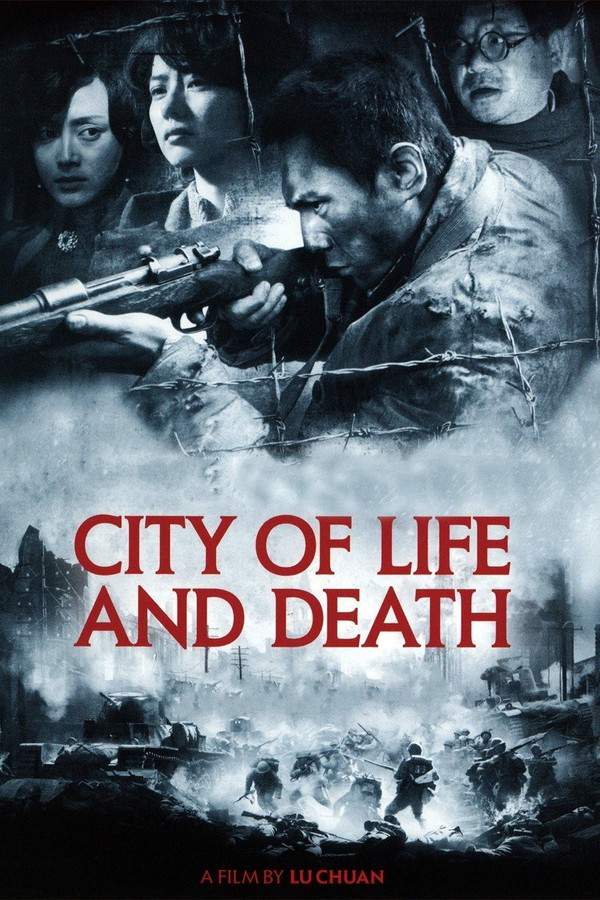
City of Life and Death
Year: 2011
Runtime: 132 min
Language: Chinese
Director: Chuan Lu
During the Japanese Imperial Army's siege of Nanking in December 1937, unimaginable terror unfolded, resulting in the tragic loss of up to 300,000 lives within a span of six weeks. This film powerfully reimagines this dark period in modern Asian history, presenting a stark and unflinching portrayal of the events. Shot in striking black-and-white Cinemascope, it offers a cinematic exploration of the siege and its devastating consequences.
Where to Watch City of Life and Death?
Find where to stream, rent, or buy City of Life and Death (2011) in the US with current JustWatch availability, up-to-date pricing, and platform listings for subscription, rental, and digital purchase options.

Streaming availability powered by 
Warning: spoilers below!
Haven’t seen City of Life and Death yet? This summary contains major spoilers. Bookmark the page, watch the movie, and come back for the full breakdown. If you're ready, scroll on and relive the story!
Timeline & Setting – City of Life and Death (2011)
Explore the full timeline and setting of City of Life and Death (2011). Follow every major event in chronological order and see how the environment shapes the story, characters, and dramatic tension.
Last updated: October 22, 2024 at 19:05
Main Characters – City of Life and Death (2011)
Meet the key characters of City of Life and Death (2011), with detailed profiles, motivations, and roles in the plot. Understand their emotional journeys and what they reveal about the film’s deeper themes.
Last updated: October 22, 2024 at 19:05
Major Themes – City of Life and Death (2011)
Explore the central themes of City of Life and Death (2011), from psychological, social, and emotional dimensions to philosophical messages. Understand what the film is really saying beneath the surface.
Last updated: October 22, 2024 at 19:05
City of Life and Death (2011) Character & Theme Questions Answered – Info FAQ
Browse frequently asked questions about City of Life and Death (2011) focused on characters, relationships, themes, symbols, setting, and story context. This movie info FAQ gives spoiler-aware explanations for character arcs, world details, and thematic interpretation so readers can better understand what the film is really about.
What is the Nanking Safety Zone?
The Nanking Safety Zone was a designated international district in Nanjing where Western foreigners, including German businessman John Rabe, established a sanctuary to protect Chinese civilians from the Japanese military during the siege of 1937. This area became a crucial refuge representing moments of humanity amid widespread atrocities.
Why is Nanjing historically significant in this film?
Nanjing served as the capital of the Republic of China before the war, making its fall to Japanese forces in 1937 a devastating symbolic and strategic loss. The city's historical importance as a cultural and political center amplifies the tragedy of the massacre that followed.
What historical events surround the movie's setting?
The film is set during the Second Sino-Japanese War, specifically during the Japanese occupation of Nanjing in December 1937, which led to the infamous Nanking Massacre. This period marked a catastrophic escalation of conflict in China, resulting in mass casualties and widespread atrocities over approximately six weeks.
What does the movie say about sacrifice?
Sacrifice is portrayed as a profound moral choice in desperate times. Characters like Tang make selfless decisions, trading their own safety for family members, demonstrating the extent to which individuals will go for loved ones. The theme highlights the terrible cost of survival and what humanity means when pushed to extreme limits.
How is despair depicted in the film?
Despair permeates the narrative as characters confront their fates amid the inhumane conditions of occupation. The film shows the psychological trauma left by war through characters like Kadokawa, whose emotional turmoil and choices reflect the deep scars of violence on the human spirit.
What role does compassion play in the story?
Compassion emerges as a fragile but powerful force amidst chaos. The relationship between Japanese soldier Kadokawa and Yuriko demonstrates how love and connection can form even in the most dire circumstances, highlighting the struggle to maintain humanity during wartime atrocities.
Who is John Rabe in the story?
John Rabe is a German businessman who becomes a pivotal figure in the Nanking Safety Zone, dedicating his efforts to protecting Chinese civilians from Japanese forces. His character represents the rare instances of moral courage and foreign intervention during the occupation, embodying the theme that kindness can exist even in extreme violence.
What makes Kadokawa Masao a complex character?
Kadokawa Masao is a Japanese soldier grappling with the conflict between his military duty and his personal emotions. His developing feelings for Yuriko expose his vulnerability and create an internal struggle between compassion and violence, representing the psychological toll of war on individuals forced to commit atrocities.
What does Xiaojiang represent in the film?
Xiaojiang is a prostitute who refuses to conform to societal expectations, displaying fierce independence and defiance. Her character highlights the specific struggles women faced during wartime and their fight for survival against dehumanizing conditions imposed by conflict.
What do the Chinese soldiers represent in the movie?
Characters like Lieutenant Lu Jianxiong and his comrade Shunzi embody the courage and resilience of Chinese soldiers facing overwhelming odds. Their determination to protect their city and comrades, even when capture seems inevitable, represents the tragic plight of soldiers caught in the horrors of war.
Why was the film shot in black-and-white Cinemascope?
The black-and-white Cinemascope format creates a stark, unflinching portrayal of the siege that emphasizes the gravity and historical weight of the events. This visual approach lends the film a documentary-like quality, intensifying its unflinching examination of war's devastation.
Why does the film use multiple perspectives?
The narrative follows Chinese civilians, soldiers, a conflicted Japanese soldier, and Western aid workers to present a comprehensive view of the massacre's impact. This approach provides moderate complexity while avoiding non-linear storytelling, allowing audiences to understand the tragedy from various angles.

Explore Movie Threads
Discover curated groups of movies connected by mood, themes, and story style. Browse collections built around emotion, atmosphere, and narrative focus to easily find films that match what you feel like watching right now.
Unflinching historical dramas like City of Life and Death
Powerful films that confront the darkest chapters of human history with stark realism.Explore movies like City of Life and Death that confront real-world atrocities with unflinching realism. These powerful historical dramas are emotionally heavy and bleak, often focusing on survival and moral conflict during dark chapters of human history.

All Quiet on the Western Front
1979
City of Life and Death
2011

Legend of Destruction
2021
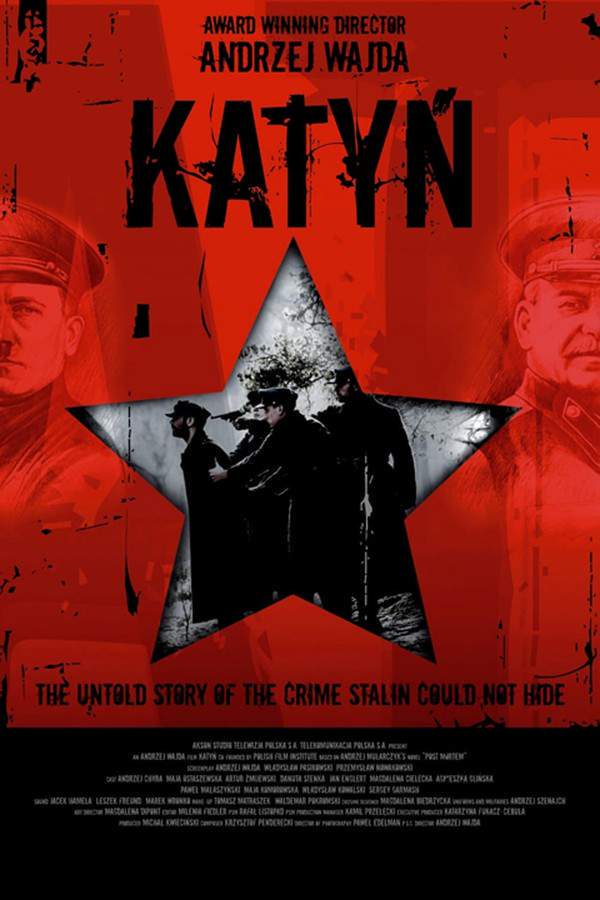
Katyn
2009
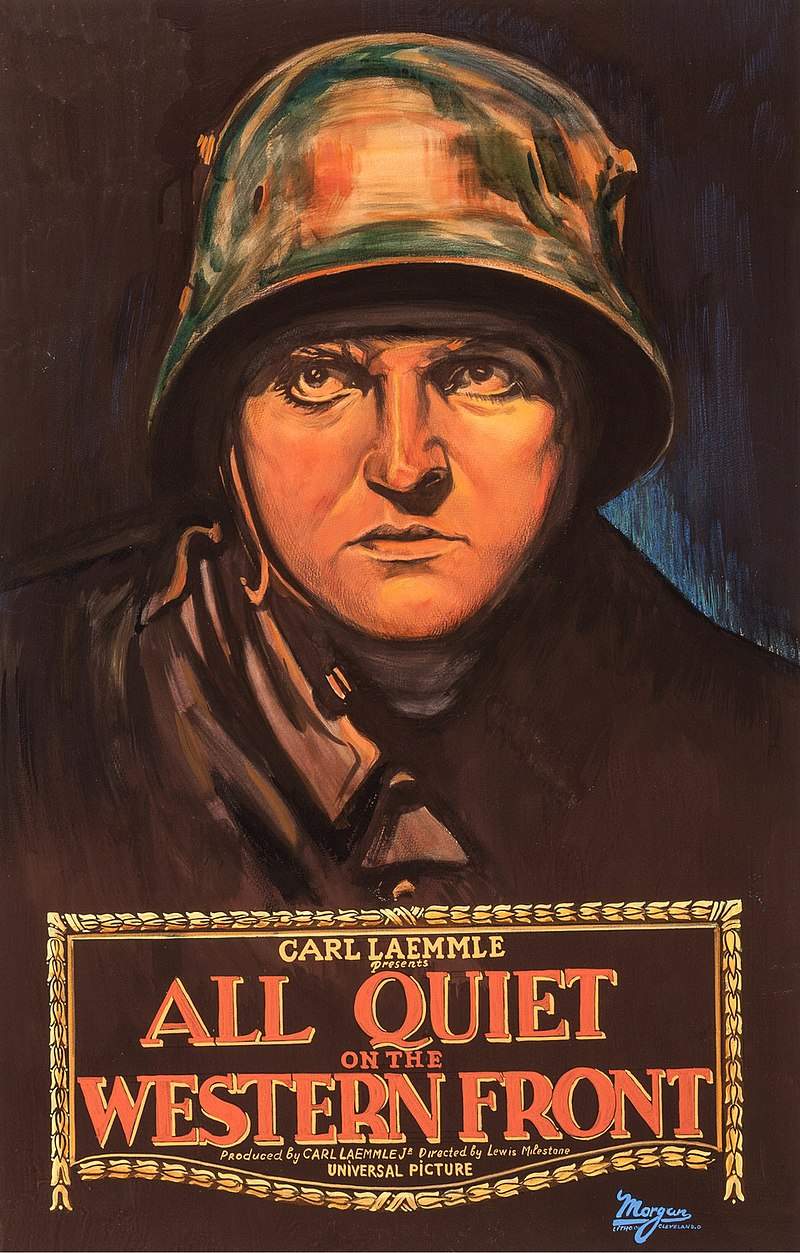
All Quiet on the Western Front
1930

Lion of the Desert
1980
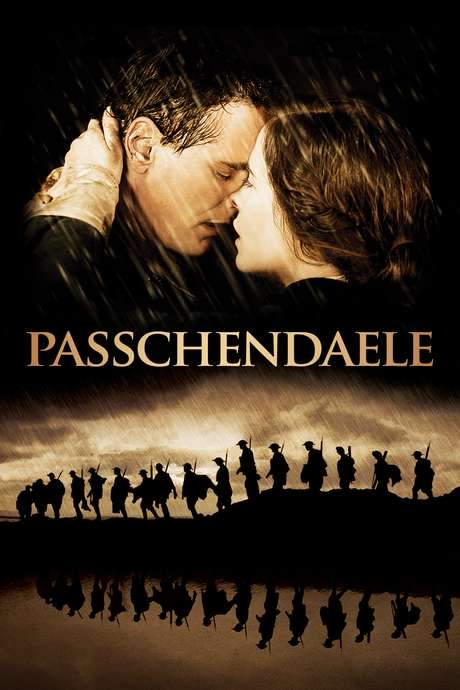
Passchendaele
2008

The Silent Village
1943
The Ravine
2022
Gallipoli
1981
The Wind That Shakes the Barley
2007

Fog in August
2016

Germany, Year Zero
1948
Aftermath
2017
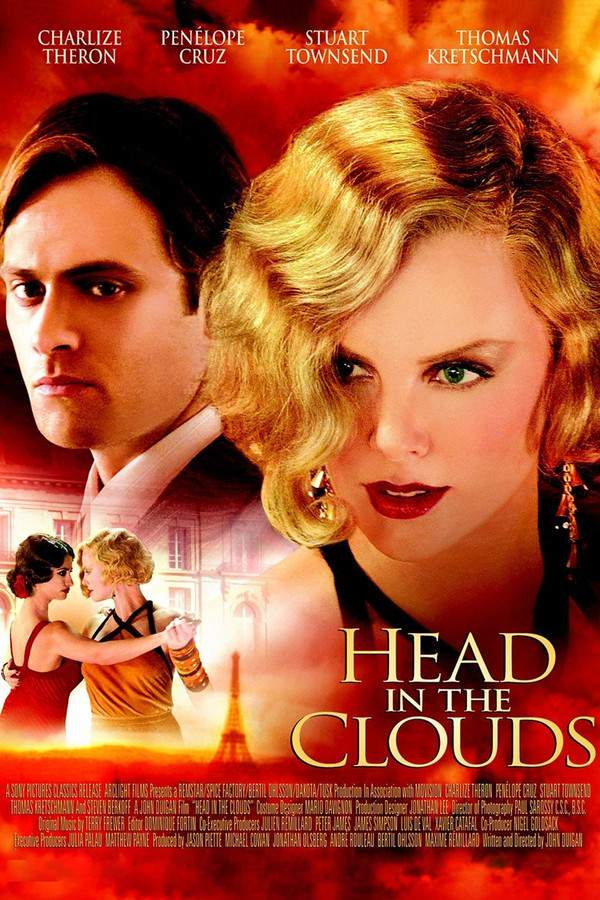
Head in the Clouds
2004
Narrative Summary
Narratives in this thread are typically set during well-documented historical tragedies. They often follow multiple perspectives—victims, perpetrators, and bystanders—to create a comprehensive and harrowing portrait of an event. The plot is driven by the relentless progression of the atrocity itself, focusing on survival, dehumanization, and the collapse of moral order.
Why These Movies?
These movies are grouped by their shared commitment to historical gravity, a bleak and oppressive tone, and a heavy emotional weight derived from depicting true human suffering. They are united by a solemn, almost documentary-like approach to storytelling that is both devastating and essential.
Multi-perspective war tragedies similar to City of Life and Death
Epic war stories told from multiple angles, revealing the human cost on all sides.If you liked the multi-faceted view of war in City of Life and Death, discover similar movies that depict wartime tragedies from various perspectives. These films often have a steady pace, heavy emotional weight, and explore moral conflict and survival with a bleak, somber tone.
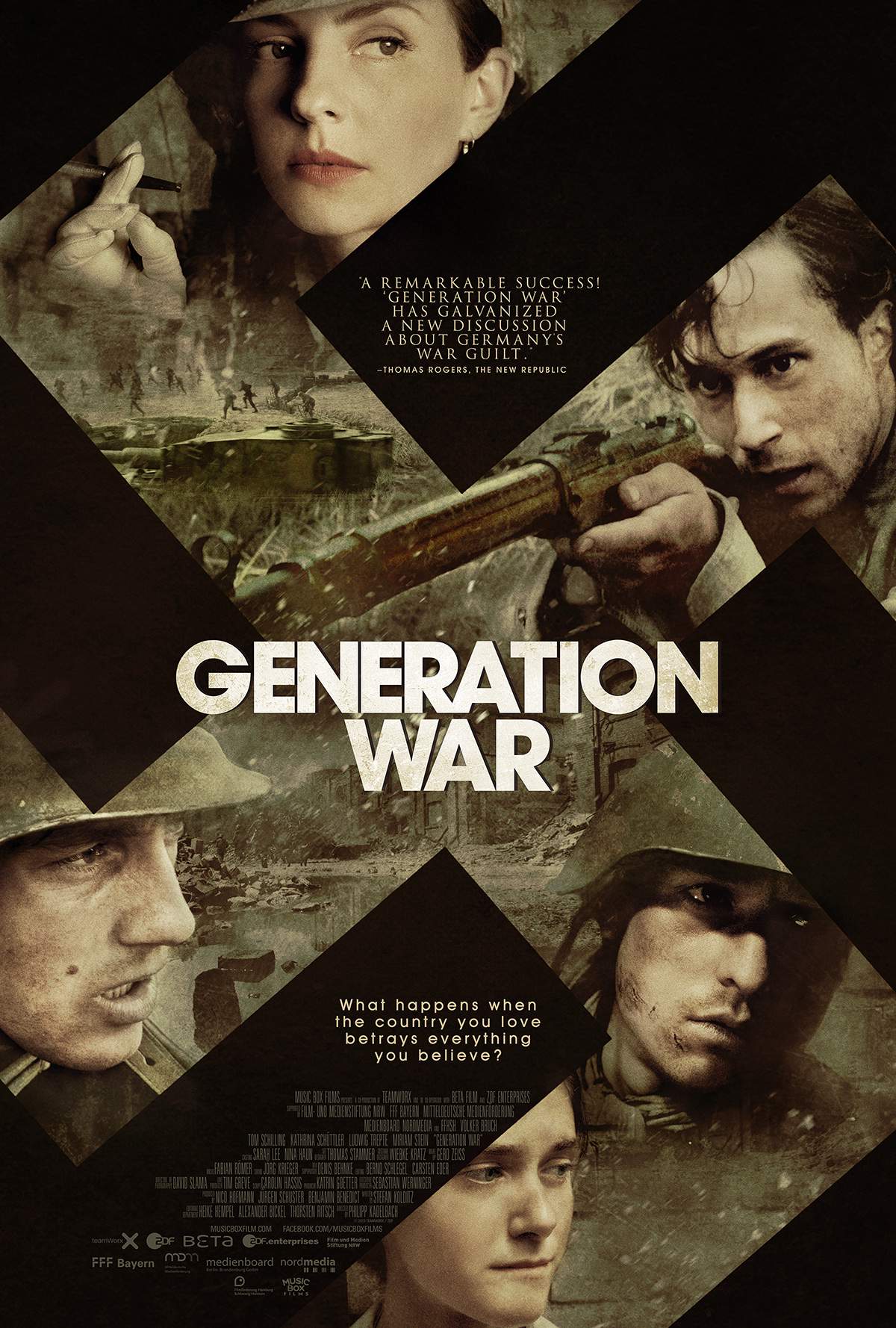
Generation War
2014
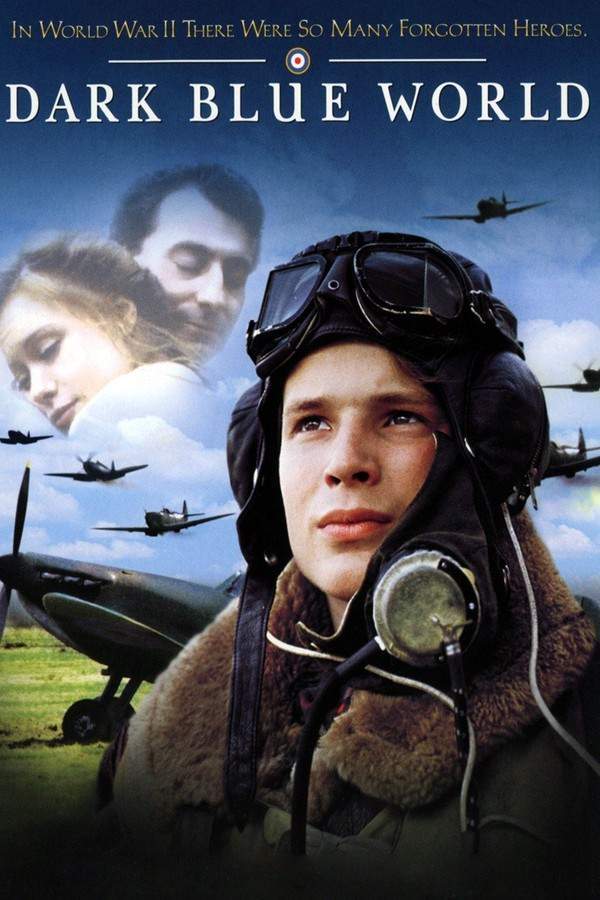
Dark Blue World
2001
Passchendaele
2008

Forest of the Hanged
1965

Blood Oath
1990

Tunes of Glory
1960

St. George Shoots the Dragon
2009
Two Women
2000

Voices in the Wind
2020

Coming Home
1978
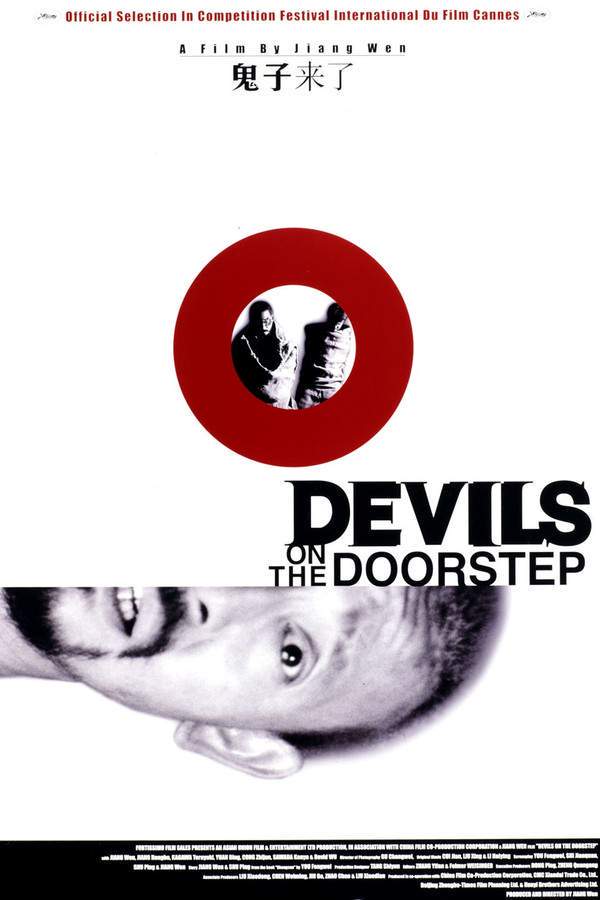
Devils on the Doorstep
2002

September Dawn
2023
City of Life and Death
2011
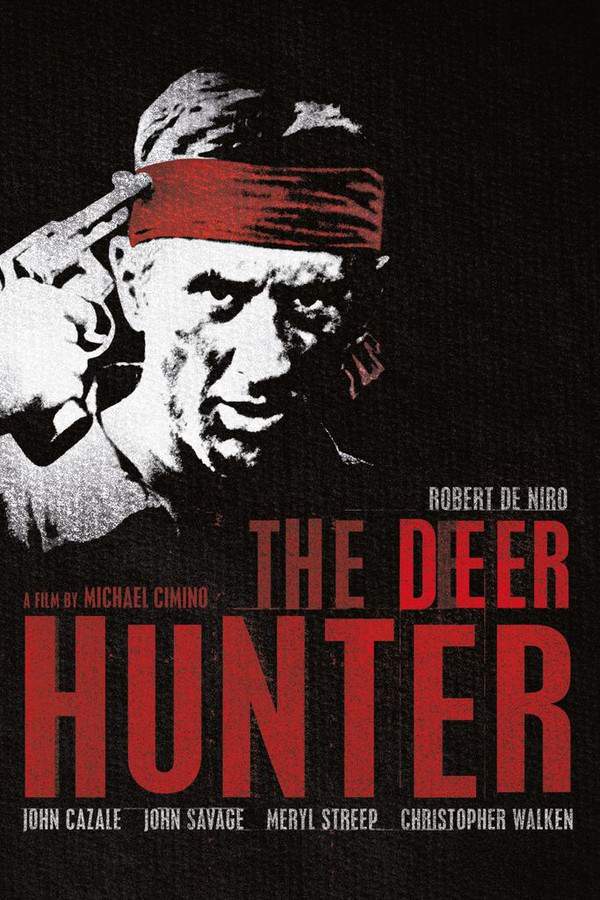
The Deer Hunter
1978

Battle of the Brave
2004
Narrative Summary
The narrative structure is defined by shifting viewpoints, weaving together the stories of individuals caught in the machinery of war. This approach avoids simplistic good-versus-evil dichotomies, instead highlighting the moral complexity and psychological toll on everyone involved. The journey is collectively tragic, often culminating in a sense of profound, unresolved loss.
Why These Movies?
Movies in this thread share a specific narrative technique and thematic focus. They are connected by their use of multiple perspectives to deepen the tragedy of war, a steady pacing that allows for character immersion, and a consistently heavy, somber mood that reflects the grim reality of conflict.
Unlock the Full Story of City of Life and Death
Don't stop at just watching - explore City of Life and Death in full detail. From the complete plot summary and scene-by-scene timeline to character breakdowns, thematic analysis, and a deep dive into the ending - every page helps you truly understand what City of Life and Death is all about. Plus, discover what's next after the movie.
City of Life and Death Summary
Read a complete plot summary of City of Life and Death, including all key story points, character arcs, and turning points. This in-depth recap is ideal for understanding the narrative structure or reviewing what happened in the movie.

City of Life and Death Timeline
Track the full timeline of City of Life and Death with every major event arranged chronologically. Perfect for decoding non-linear storytelling, flashbacks, or parallel narratives with a clear scene-by-scene breakdown.


Similar Movies to City of Life and Death
Discover movies like City of Life and Death that share similar genres, themes, and storytelling elements. Whether you’re drawn to the atmosphere, character arcs, or plot structure, these curated recommendations will help you explore more films you’ll love.
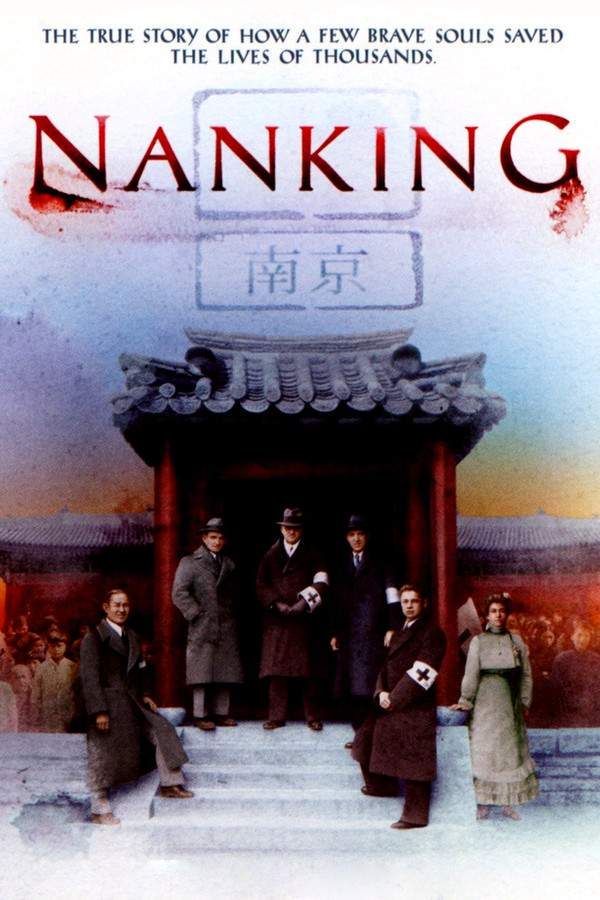
Nanking
2007
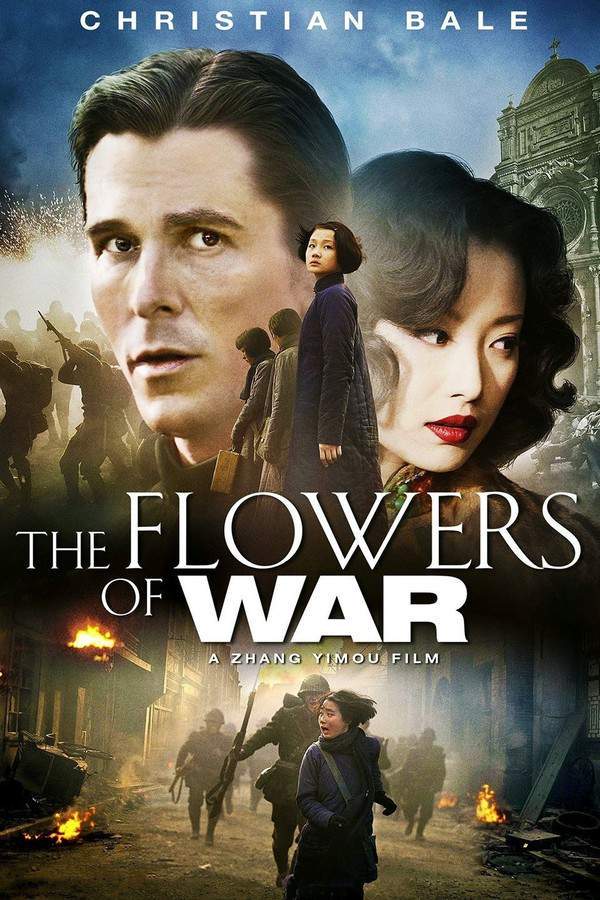
The Flowers of War
2011
Devils on the Doorstep
2002
The Eight Hundred
2020
Air Strike
2018

The Rape of Nanking
2007

A City of Sadness
1989

Men Behind the Sun
1988

Not Scared to Die
1973

The Blue and the Black
1966

Women in the Night
1948

Black Sun: The Nanking Massacre
1995

Don’t Cry, Nanking
1995

City of Life and Death
2009
Nanking
1938
Explore More About Movie City of Life and Death
City of Life and Death (2011) Plot Summary & Movie Recap
City of Life and Death (2011) Scene-by-Scene Movie Timeline
City of Life and Death (2011) Spoiler-Free Summary & Key Flow
Movies Like City of Life and Death – Similar Titles You’ll Enjoy
Nanking (2007) Spoiler-Packed Plot Recap
The Flowers of War (2011) Story Summary & Characters
Devils on the Doorstep (2002) Complete Plot Breakdown
The Eight Hundred (2020) Spoiler-Packed Plot Recap
Air Strike (2018) Story Summary & Characters
The Rape of Nanking (2007) Spoiler-Packed Plot Recap
A City of Sadness (1989) Complete Plot Breakdown
Men Behind the Sun (1988) Detailed Story Recap
Not Scared to Die (1973) Full Summary & Key Details
The Blue and the Black (1966) Full Summary & Key Details
Women in the Night (1948) Spoiler-Packed Plot Recap
Black Sun: The Nanking Massacre (1995) Detailed Story Recap
Don’t Cry, Nanking (1995) Spoiler-Packed Plot Recap
City of Life and Death (2009) Movie Recap & Themes
Nanking (1938) Story Summary & Characters