Plot Explained Spoilers guaranteed!
Plot Explained

Browse by genre

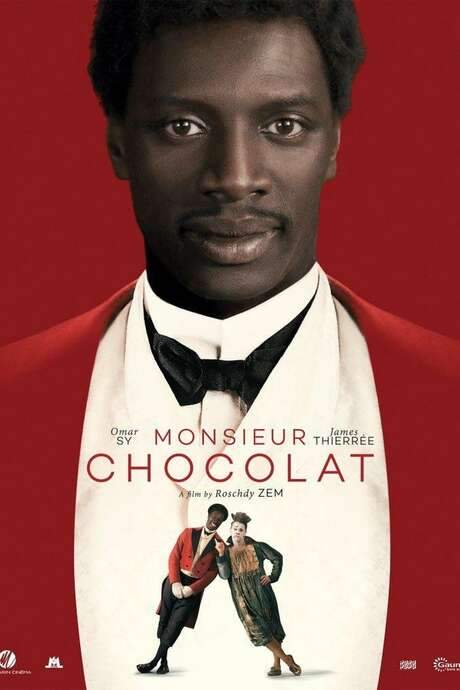
Chocolat (2016) movie poster

Characters & Themes

Chocolat (2016) Characters, Setting & Themes Explained

Release, runtime and language
2016 · 119 mins · French
Loading streaming availability…
Directed by
Roschdy Zem
Starring
Olivier Gourmet, Stéphane Varupenne, Michèle Clément, Alex Descas, Bruno Podalydès, Xavier Beauvois

The story follows Chocolat, the first Black stage performer in France, as he rises from obscurity to become a celebrated figure during the Belle Époque in Paris. Forming an innovative duo with Footit, he achieves great popularity and financial success. However, the pressures of newfound wealth, gambling, and the challenges of racial discrimination ultimately strain his friendship with Footit and threaten his career.

On this page (7)
  1. 1 Where to watch
  2. 2 Characters explained (3)
  3. 3 Where & when it takes place
  4. 4 Themes & meaning (3)
  5. 5 Character & meaning questions
  6. 6 Movie threads
  7. 7 Every angle
Loading streaming availability…

3 main characters · contains spoilers

Chocolat Characters Explained: Who Is Who

The main characters of Chocolat (2016), heroes and villains: what drives them, how they change over the course of the story and what each of them reveals about the film's bigger ideas.

  • Chocolat (Rafael Padilla)

    played by Omar Sy

    Rafael Padilla, known as Chocolat, is the Black clown whose talent makes him a sensation, even as he endures systemic racism. He becomes the centerpiece of the act but is weighed down by humiliation, stereotypes and a culture that prizes his performance while denying his humanity. His life spirals toward gambling, drugs and personal decline, culminating in a death from consumption.

    • 🖤 Racism
    • 🎭 Performer
    • 🌍 Identity
  • Joseph Oller

    played by Olivier Gourmet

    Joseph Oller, director of the Nouveau Cirque, discovers Chocolat and Foottit and brings them to Paris, turning their act into a national phenomenon. He leverages their success to expand his circus's prestige, while posters depict Chocolat as a racial caricature and expose the hypocrisy of public sentiment. His role embodies the commodification of Black artistry within the era’s entertainment industry.

    • 🎭 Showbiz
    • 🏛️ Institutions
    • 💥 Fame vs Racism
  • George Foottit

    played by James Thierrée

    George Foottit is the white clown who teams with Chocolat to create the act, driving its appeal and popularity. He navigates the power dynamics of their partnership, benefiting from the audience’s appetite for spectacle while contributing to the exploitation at the heart of the act. His collaboration with Chocolat exposes the racial and artistic tensions behind the scenes.

    • 🎭 Performer
    • 🤝 Power dynamics
    • 🌍 Cultural tension

Last updated: February 17, 2026 at 17:03

Was this helpful?

Setting

Where and When Does Chocolat Take Place?

The setting of Chocolat (2016): the year and time period, the places and locations, and how they shape the characters, the mood and the tension of the story.

Time period

1897

The events take place in 1897, during the French Third Republic, a period of imperial expansion and mass entertainment. Parisian theatres and circuses are rapidly expanding, turning sensational performances into mainstream culture. It is also a time when racial stereotypes are publicly displayed and enforced, shaping the fate of performers like Chocolat.

Location

France, Paris

Set in late 19th-century France, the story unfolds within Paris's vibrant show venues and the circus world. The Nouveau Cirque and other circuses serve as stages where acts blend comedy, acrobatics and spectacle. The social climate mixes urban modernity with racial prejudice, and the treatment of Black performers becomes a central source of tension.

  • 🏛️ Paris
  • 🇫🇷 France

Last updated: February 17, 2026 at 17:03

Was this helpful?

3 major themes

Chocolat Meaning: Themes & Message Explained

What is Chocolat (2016) really about? The emotional, social and philosophical themes the film keeps returning to, its symbolism and the message beneath the surface.

  • Racism

    The film exposes how Chocolat is celebrated on stage yet demeaned offstage, revealing the pervasive racism of the era. Posters reduce him to a racial caricature, while police and society treat him as a mere symbol rather than a person. The clash between fame and bigotry drives the tragedy of his life and career.

  • Showbiz

    The duo’s rise demonstrates the pull of mass spectacle and the commercial logic of show business. Joseph Oller exploits the act to draw in crowds, turning Chocolat into a star while masking underlying prejudice. The posters and public reception reveal the tension between entertainment and moral responsibility.

  • Legacy

    As Chocolat’s story ends in obscurity and death, the film questions what remains of a performer after the lights fade. The tragedy lingers in memory, complicating the legacy of Black artistry within European entertainment. The arc highlights how society remembers or forgets those who were both celebrated and demeaned.

Last updated: February 17, 2026 at 17:03

Was this helpful?

Character & theme questions

Chocolat Characters & Meaning: Your Questions Answered

The questions people ask about Chocolat (2016): who the characters really are, their relationships, what the symbols mean, where it takes place and what the movie is really about. Each answer contains spoilers.

Q1

Where is the movie Chocolat set?

Chocolat is set in late 19th-century Paris, primarily within the city's vibrant entertainment venues. The story takes place at the Nouveau Cirque and other circus establishments that defined the Belle Époque era of French culture. The setting highlights the contrast between the glamorous performances on stage and the societal prejudice that existed offstage.

  • paris
  • belle epoque
  • nouveau cirque
  • circus
  • setting
Q2

When does Chocolat take place?

The movie is set in 1897 during the French Third Republic, a period of imperial expansion and mass entertainment in France. This era saw rapid growth in Parisian theatres and circuses, turning sensational performances into mainstream culture. However, it was also a time when racial stereotypes were publicly displayed and enforced, directly shaping the fate of performers like Chocolat.

  • 1897
  • french third republic
  • belle epoque
  • 1890s
  • time period
Q3

What was the Nouveau Cirque?

The Nouveau Cirque was a prestigious Parisian entertainment venue where the duo of Chocolat and Foottit performed. It served as a stage where comedy, acrobatics, and spectacle blended together. Under director Joseph Oller, the venue became central to the rise of their act, turning the clowns into national sensations and making the circus a mainstream form of entertainment.

  • nouveau cirque
  • circus
  • paris theatre
  • entertainment venue
Q4

What are the main themes in Chocolat?

The film explores three interconnected themes: racism, showbiz, and legacy. Racism is central, showing how Chocolat was celebrated on stage yet demeaned offstage. The showbiz theme examines how the entertainment industry commodified Black artistry while masking prejudice. Legacy questions what remains of a performer after the lights fade, particularly for those who were both celebrated and degraded.

  • racism
  • showbiz
  • legacy
  • themes
  • black performers
  • discrimination
Q5

How does Chocolat address racism?

The film exposes how Chocolat was celebrated for his performance yet denied basic humanity offstage. Posters reduced him to a racial caricature, while society treated him as a symbol rather than a person. The tension between his fame and the pervasive racism of the era drives the tragedy of his life and career, showing how the entertainment industry exploited Black performers while marginalizing them.

  • racism
  • racial prejudice
  • discrimination
  • stereotypes
  • blackface
  • racial caricature
Q6

Who was the real Chocolat?

Chocolat was Rafael Padilla, a Cuban-born Black performer who became the first Black stage clown in France. Known simply as Chocolat, his talent made him a sensation despite enduring systemic racism. In real life, his career spiraled toward gambling and addiction, ultimately leading to his death from consumption in obscurity, reflecting the tragic toll of the prejudice he faced.

  • rafael Padilla
  • real Chocolat
  • black clown
  • first black performer france
  • historical figure
Q7

Who is Joseph Oller in Chocolat?

Joseph Oller, played by Olivier Gourmet, is the director of the Nouveau Cirque who discovers Chocolat and Foottit and brings them to Paris. He transforms their act into a national phenomenon, leveraging their success to expand his circus's prestige. However, he also perpetuates the exploitation by allowing promotional materials to depict Chocolat as a racial caricature, embodying the commodification of Black artistry.

  • joseph oller
  • nouveau cirque director
  • circus owner
  • exploitation
  • show business
Q8

Who is George Foottit in the movie?

George Foottit, played by James Thierrée, is the white clown who partners with Chocolat to create their famous comedic act. He teams with Chocolat to drive the appeal and popularity of their performances, navigating the power dynamics of their partnership. His collaboration highlights the racial and artistic tensions behind the scenes, as he benefits from the audience's appetite for spectacle while being complicit in the exploitation at the heart of the act.

  • george foottit
  • foottit
  • white clown
  • comedy duo
  • partner
Q9

How does Chocolat portray showbiz exploitation?

The film shows how Joseph Oller exploited the Chocolat and Foottit act to draw crowds, turning Chocolat into a star while masking underlying prejudice. Posters and public reception reveal the tension between entertainment and moral responsibility. The duo's rise demonstrates the pull of mass spectacle and the commercial logic of show business, which profits from Black talent while demeaning Black humanity.

  • show business
  • exploitation
  • entertainment industry
  • circus
  • mass spectacle
  • commercialization
Q10

What is the legacy theme in Chocolat about?

As Chocolat's story ends in obscurity and death, the film questions what remains of a performer after the lights fade. His tragedy lingers in memory, complicating the legacy of Black artistry within European entertainment. The arc highlights how society remembers or forgets those who were both celebrated and demeaned, showing the heartbreaking contradiction of public acclaim paired with personal degradation.

  • legacy
  • obscurity
  • remembrance
  • black artistry
  • tragic ending
  • memory
Q11

What was life like for Black performers in 1890s France?

Black performers in 1890s France faced significant racial prejudice despite their talent. While they could achieve stage success and fame, they were often reduced to racial caricatures in marketing and treated as symbols rather than full human beings. The social climate mixed urban modernity with deep-seated racial bias, making it difficult for performers like Chocolat to escape the degrading roles society assigned them even as they entertained thousands.

  • black performers
  • racial prejudice
  • 1890s france
  • discrimination
  • belle epoque racism

Movie threads

More Movies Like Chocolat, by Mood & Story

Curated lists built around what makes Chocolat tick: the same mood, the same kind of story or the same emotional payoff. Each list explains why these movies belong together.

Movies about groundbreaking artists like Chocolat

Stories of pioneering artists whose success is shadowed by prejudice and personal demons. Discover movies like Chocolat that portray the bittersweet journeys of pioneering figures, exploring the intersection of artistic genius, societal prejudice, and the personal toll of fame.

  • historical
  • tragic
  • triumphant yet tragic
  • oppressive
  • reflective
  • struggling
  • Tone: bittersweet, melancholic
  • Pacing: steady, chronological
Why these movies?

The story pattern: These narratives typically follow a clear biographical arc, beginning with immense talent and ambition leading to public acclaim. However, the path is fraught with the constant friction of societal barriers (like racism or classism), which often leads to internal conflict, addiction, or a tragic downfall, questioning the true cost of success.

Why they belong together: Movies in this thread share a focus on the bittersweet reality of being first. They blend the exhilaration of artistic triumph with the melancholic weight of carrying a burden no one else understands, resulting in emotionally heavy stories with a steady pace and a predominantly tragic or sad ending feel.
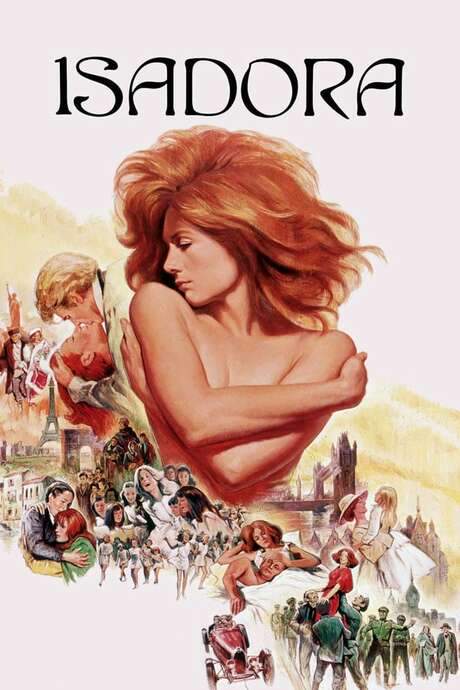
Bittersweet biographical dramas like Chocolat

Character-driven stories where professional success is inextricably linked to personal sorrow. If you liked the emotional depth of Chocolat, explore these character-driven biopics that portray the heavy personal costs behind public success and fame.

  • bittersweet
  • melancholic
  • reflective
  • oppressive
  • historical
  • tragic
  • Tone: bittersweet, melancholic, reflective
  • Pacing: steady, character-driven
Why these movies?

The story pattern: The narrative pattern involves a steady, chronological exploration of a life, charting a rise to prominence that is tempered by internal and external conflicts. The central character's achievements are consistently shadowed by themes of alienation, addiction, or systemic injustice, leading to an ending that feels more reflective and sorrowful than celebratory.

Why they belong together: These films are grouped by their shared tonal blend of professional triumph and personal anguish. They maintain a medium intensity with a steady pace, ensuring the emotional weight of the protagonist's struggles lands with full force, making for a profoundly bittersweet and reflective viewing experience.

Every angle

Chocolat (2016) Explained: Plot, Timeline & Characters

Everything about Chocolat in one place: what happens in the plot summary, the timeline in chronological order, the characters and meaning and a spoiler-free summary. What's After the Movie adds the cast, box office and post-credit scenes.

Coming soon on iOS and Android

The Plot Explained Movie Summary App

Plot summaries, endings explained and timelines on your phone. Catch up on any movie in minutes, save your favorites and never miss a twist again.

Be the first to know when we launch. Your email stays private, always.

Learn more about the app