Plot Explained Spoilers guaranteed!
Plot Explained

Browse by genre

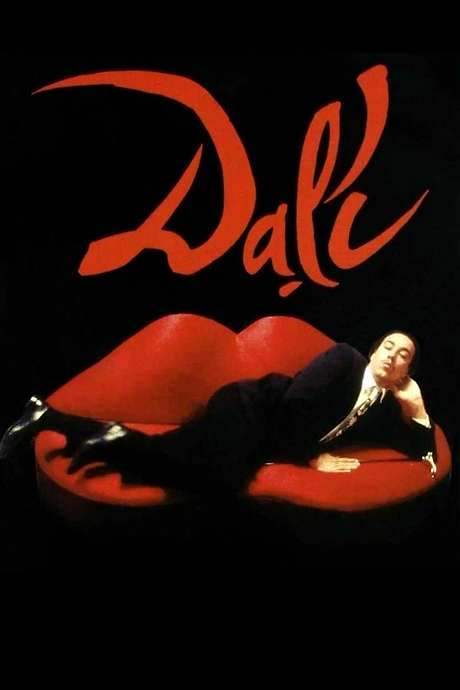
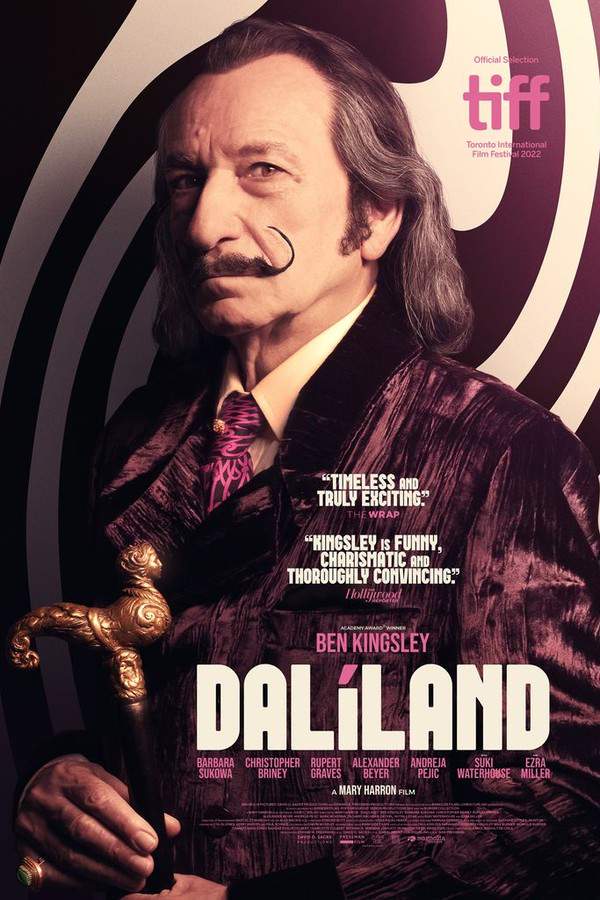
Dalíland (2023) movie poster

Characters & Themes

Dalíland (2023) Characters, Setting & Themes Explained

Release, runtime and language
2023 · 97 min · English
Echo score 57
Loading streaming availability…
Directed by
Mary Harron
Starring
Ezra Miller, Ben Kingsley, Rupert Graves, Alexander Beyer, Barbara Sukowa, Mark McKenna

In 1974, a young assistant named James becomes immersed in the world of Salvador Dalí, portrayed by Ben Kingsley, as the famed artist prepares for a significant gallery exhibition in both New York and Spain. The film explores the complexities of Dalí's relationship with his wife, Gala, played by Barbara Sukowa, and delves into the challenges of maintaining his artistic legacy. Through James's perspective, we observe Dalí’s unique personality, creative intensity, and the growing awareness of his own mortality.

On this page (9)
  1. 1 Where to watch
  2. 2 Characters explained (4)
  3. 3 Where & when it takes place
  4. 4 Themes & meaning (3)
  5. 5 Character & meaning questions
  6. 6 Movie threads
  7. 7 Movies like Dalíland
  8. 8 Categories
  9. 9 Every angle
Loading streaming availability…

4 main characters · contains spoilers

Dalíland Characters Explained: Who Is Who

The main characters of Dalíland (2023), heroes and villains: what drives them, how they change over the course of the story and what each of them reveals about the film's bigger ideas.

  • James

    James is a young and impressionable assistant tasked with aiding Salvador Dalí during a pivotal time in his career. Thrown into the midst of Dalí's chaotic life, he grapples with the surreal artist's eccentric demands and the manipulative forces surrounding him. His journey is one of learning, discovery, and the heavy burden of witnessing both genius and despair.

    • 🧑‍🎨 Assistant
    • 📖 Learner
    • 🎭 Witness
  • Salvador Dalí (Ben Kingsley)

    Salvador Dalí, portrayed by Ben Kingsley, is a renowned surrealist artist navigating the decline of his fame and the strife in his personal life. As he juggles his creative ambitions with financial turmoil, his eccentricity and genius shine through. Yet, he is deeply affected by his tumultuous relationship with Gala, showcasing a complex interplay of brilliance and vulnerability.

    • 🎨 Surrealism
    • 💔 Genius
    • 🖌️ Art Icon
  • Gala (Barbara Sukowa)

    Gala is the enigmatic and controlling wife of Salvador Dalí, characterized by her lavish spending and manipulative nature. She embodies both muse and antagonist, driving Dalí's artistic ambitions while simultaneously participating in his financial decline. Her relationship with Dalí is marked by love, dependency, and destructive jealousy.

    • 💃 Muse
    • 💰 Manipulator
    • 😒 Jealousy
  • Captain Moore (Rupert Graves)

    Captain Moore serves as Dalí's manager, playing a key role in the financial chaos that surrounds the artist. His professional demeanor masks a deeper complicity in the exploitation of Dalí's talents. He represents the often mercenary nature of the art industry, where personal relationships are overshadowed by business interests.

    • 🕴️ Manager
    • 📉 Exploiter
    • 📊 Businessman

Last updated: September 09, 2026 at 04:40

Was this helpful?

Setting

Where and When Does Dalíland Take Place?

The setting of Dalíland (2023): the year and time period, the places and locations, and how they shape the characters, the mood and the tension of the story.

Time period

1974

The film unfolds in 1974, a time marked by artistic upheaval and cultural transformation. This period saw the rise of various art movements, along with the flourishing of performance art and surrealism. It captures the societal dynamics and personal struggles of artists as they grappled with fame, fortune, and the complexities of their relationships.

Location

New York, Spain

The movie is primarily set in New York City in 1974, showcasing the vibrant and chaotic art scene of the time. It highlights the luxurious yet tumultuous atmosphere of the St. Regis Hotel, serving as the backdrop for Salvador Dalí's eccentric life and lavish parties. The story also transitions to Spain, immersing viewers in the artist's homeland and reflecting on his profound connection to his roots.

  • 🏙️ City
  • 🇪🇸 Country

Last updated: September 09, 2026 at 04:40

Was this helpful?

3 major themes

Dalíland Meaning: Themes & Message Explained

What is Dalíland (2023) really about? The emotional, social and philosophical themes the film keeps returning to, its symbolism and the message beneath the surface.

  • Art and Creativity

    Dalíland delves deep into the world of art and the creative process, exploring both the genius and madness of Salvador Dalí. The film illuminates the visual chaos of his work while examining the pressures artists face in the commercial art world. It showcases the beauty and destruction that creativity can bring to both the artist's life and their relationships.

  • Love and Dependency

    At its core, the film explores the toxic yet compelling love between Salvador Dalí and Gala, illustrating the complexities of co-dependency. Their relationship is marked by devotion but fraught with manipulation and financial ruin. As Gala wields considerable power over Dalí, the film portrays the emotional toll such intertwined lives can impose.

  • Art Fraud

    A significant theme in the movie is the scandal of art forgery, showcasing the lengths to which Dalí goes to sustain his lavish lifestyle. The narrative unveils the moral dilemmas faced by artists forced to compromise their integrity in pursuit of financial stability. This fraudulent scheme exposes the darker side of the art world and its impact on both creators and consumers.

Last updated: September 09, 2026 at 04:40

Was this helpful?

Character & theme questions

Dalíland Characters & Meaning: Your Questions Answered

The questions people ask about Dalíland (2023): who the characters really are, their relationships, what the symbols mean, where it takes place and what the movie is really about. Each answer contains spoilers.

Q1

Where is Dalíland primarily set?

Dalíland is primarily set in New York City in 1974, with the St. Regis Hotel serving as a key backdrop for Salvador Dalí's eccentric lifestyle and lavish parties. The story also moves to Spain, connecting viewers to Dalí's homeland and his deeper cultural roots. The contrast between the chaotic Manhattan art world and the quieter Spanish settings highlights the duality of Dalí's life.

  • new york
  • spain
  • st regis hotel
  • setting
  • manhattan
Q2

What time period does Dalíland take place in?

Dalíland unfolds in 1974, a period defined by artistic upheaval, the flourishing of performance art, and the lingering influence of surrealism. This era reflects the societal shifts that shaped how artists grappled with fame, fortune, and personal relationships. The 1970s setting also mirrors Dalí's own shifting position in the art world as his star began to fade.

  • 1974
  • 1970s
  • era
  • surrealism
  • art movements
Q3

What are the central themes of Dalíland?

Dalíland explores three major themes: the genius and madness of the creative process, the toxic co-dependency between Dalí and Gala, and the moral corruption of art forgery. Together, these ideas examine how artistic brilliance can coexist with personal destruction and ethical compromise. The film uses these themes to portray the darker side of fame and the price of sustaining a legendary reputation.

  • themes
  • art
  • creativity
  • dependency
  • forgery
Q4

Who is James and what role does he play in Dalíland?

James is a young and impressionable assistant who is assigned to help Salvador Dalí during a pivotal moment in the artist's career. Thrust into Dalí's chaotic world, James serves as the viewer's guide, witnessing both the surrealist's creative genius and the emotional turmoil surrounding him. His journey represents a coming-of-age lens through which the audience experiences the eccentricities and pressures of Dalí's life.

  • james
  • assistant
  • perspective
  • young
  • witness
Q5

How is Salvador Dalí portrayed in the film?

Salvador Dalí, played by Ben Kingsley, is depicted as an aging surrealist genius navigating the decline of his fame while dealing with personal and financial turmoil. His eccentricity and creative brilliance remain intact, but the film emphasizes his vulnerability and growing awareness of mortality. Dalí is shown as a man caught between artistic ambition and the corrosive influences of those around him.

  • salvador dali
  • ben kingsley
  • surrealist
  • aging artist
  • genius
Q6

Who is Gala and how does she influence Dalí?

Gala, portrayed by Barbara Sukowa, is Salvador Dalí's enigmatic wife and serves as both his muse and antagonist. She wields enormous influence over his artistic decisions while simultaneously draining his finances through lavish spending and manipulation. The film frames her as a complex figure whose devotion to Dalí is inseparable from a destructive, controlling jealousy.

  • gala
  • barbara sukowa
  • wife
  • muse
  • manipulation
Q7

What role does Captain Moore play in Dalíland?

Captain Moore, played by Rupert Graves, serves as Dalí's manager and is deeply entangled in the financial chaos surrounding the artist. His polished, professional demeanor hides a complicity in the exploitation of Dalí's talent and the mass-produced forgery scheme. He embodies the mercenary side of the art industry, where business interests often override personal loyalty.

  • captain moore
  • rupert graves
  • manager
  • art industry
  • exploitation
Q8

What does the film explore about art forgery?

Dalíland examines the scandal of art forgery by showing the lengths to which Salvador Dalí goes in order to sustain his lavish lifestyle. The narrative reveals the moral compromises artists face when financial pressures threaten their legacy and independence. This fraudulent scheme exposes the darker, transactional side of the art world and its impact on both creators and collectors.

  • art forgery
  • fraud
  • forgery scheme
  • authenticity
  • commercial art
Q9

How does the film portray the 1970s New York art scene?

The 1970s New York art scene in Dalíland is portrayed as vibrant, decadent, and chaotic, with the St. Regis Hotel acting as a hub for eccentric personalities and lavish parties. This atmosphere captures the era's cultural transformation and the collision of fame, money, and creative ambition. The film uses this setting to contrast the glamour of the art world with the personal costs paid by the artists at its center.

  • new york art scene
  • 1970s
  • decadent
  • art world
  • st regis
Q10

What does the film reveal about Dalí and Gala's relationship?

Dalíland portrays the relationship between Salvador Dalí and Gala as a toxic yet deeply compelling bond marked by devotion, co-dependency, and manipulation. While Gala fuels Dalí's artistic ambitions, she also drives his financial ruin through extravagant spending and emotional control. The film suggests that their intertwined lives produced both creative brilliance and profound personal destruction.

  • dali gala relationship
  • co-dependency
  • toxic love
  • muse
  • emotional toll
Q11

How does Dalíland explore artistic legacy and mortality?

The film explores legacy through Salvador Dalí's struggle to maintain his relevance as his fame declines and his physical health deteriorates. His growing awareness of mortality colors his later artistic choices, including the controversial decision to participate in mass-produced works. Dalíland ultimately frames legacy as a fragile negotiation between creative integrity, public expectation, and the inevitable passage of time.

  • artistic legacy
  • mortality
  • decline
  • fame
  • integrity
Q12

What is the overall tone and style of Dalíland?

Dalíland carries a contemplative, bittersweet tone that gradually leans toward the melancholic as the story progresses. Its steady pacing follows James through the chaotic world of an aging Dalí, occasionally flashing back to the artist's younger years to deepen the character study. The film blends the decadent, party-driven energy of 1970s New York with heavy personal dynamics, leaving viewers with a mixture of awe and sadness.

  • tone
  • style
  • bittersweet
  • melancholic
  • biographical drama
Q13

What does Dalíland say about the creative process?

The film presents the creative process as a force that produces both beauty and destruction, illuminating the visual intensity of Dalí's work alongside the personal toll it extracts. It portrays artistic genius as inseparable from a kind of madness, with Dalí's eccentricities blurring the line between inspiration and instability. At the same time, Dalíland critiques the commercial pressures that push artists to sacrifice integrity for financial survival.

  • creative process
  • genius
  • madness
  • artistic pressure
  • inspiration

Movie threads

More Movies Like Dalíland, by Mood & Story

Curated lists built around what makes Dalíland tick: the same mood, the same kind of story or the same emotional payoff. Each list explains why these movies belong together.

Inside a self-destructive genius's orbit like in Dalíland

A young protégé enters a brilliant, chaotic world and watches it slowly collapse from within. Movies like Dalíland that drop you into the chaotic inner circle of an aging creative icon. These character studies follow young assistants and witnesses as they navigate toxic mentorship, decadent artistic worlds, and the slow unraveling of genius, exploring co-dependency, manipulation, and the dark side of creative brilliance in films with steady pacing and heavy emotional weight.

  • chaotic
  • decadent
  • introspective
  • wistful
  • uncomfortable
  • observational
  • Tone: bittersweet, melancholic
  • Pacing: steady, character driven
Why these movies?

The story pattern: A wide-eyed outsider, often young and impressionable, is recruited into the intimate world of an established creative figure. Early scenes brim with fascination, access, and reflected glamour. As the story unfolds, the cracks appear: the genius is past his prime, financially or emotionally exploited by those around him, or actively participating in their own mythmaking at great cost. The protégé must decide whether to stay, escape, or become complicit. Stories often end with the figure's decline or death, leaving the witness to reckon with what they gained and what they lost by being there.

Why they belong together: These films share a specific vantage point: the observer inside the artist's world rather than the artist themselves. They balance creative awe with moral discomfort, decadent atmosphere with quiet sadness, and they tend to unfold at a steady, observational pace that lets you feel the slow creep of exploitation and decline. The tone is bittersweet, the emotional weight is heavy, and the experience stays with you long after.

Bittersweet portraits of decline and legacy like in Dalíland

Quiet, melancholic stories that watch a legend's light slowly dim. If you liked Dalíland, you'll love these bittersweet biographical dramas that follow famous figures through their final, fading chapters. Movies like Dalíland trade triumph for melancholy, exploring aging, mortality, financial exploitation, infidelity, and what creative legacy really means. Expect steady pacing, heavy emotional weight, and endings that lean toward the sad and reflective rather than triumphant.

  • reflective
  • melancholic
  • wistful
  • mortality
  • aging
  • legacy
  • Tone: melancholic, bittersweet
  • Pacing: steady, contemplative
Why these movies?

The story pattern: Rather than chronicling rise-to-fame arcs, these films drop you into the later, lonelier chapters of a life already lived. Flashes of past brilliance haunt scenes of present diminishment. Mortality, illness, and the loss of loved ones press in. Interpersonal relationships reveal themselves as complicated, often exploitative, and the question of what the subject truly leaves behind quietly dominates. The emotional register stays restrained rather than melodramatic, but the sadness accumulates, and endings tend to be marked by death, decline, or painful acceptance.

Why they belong together: They cluster around a shared emotional posture: reverence mixed with grief. You are invited to admire and mourn simultaneously. The pacing is steady enough to absorb detail, the tone is bittersweet to melancholic, and the emotional weight is heavy because loss is inevitable rather than incidental. These are not disaster stories or thrillers, but quiet, observant portraits that leave you reflective and a little emptied out.

If you liked this

Movies Like Dalíland

Similar movies to Dalíland: the same genre, themes or kind of story. Each one comes with its own plot summary, timeline and ending explained.

Browse all movie summaries

Categories

Movie Lists Featuring Dalíland

Dalíland appears in these hand-built movie categories. Each one groups movies by a specific mood, theme or story type, with their plot summaries and endings explained.

View all movie categories

Every angle

Dalíland (2023) Explained: Plot, Ending, Timeline & Characters

Everything about Dalíland in one place: what happens in the plot summary, the timeline in chronological order, the characters and meaning, the ending explained and a spoiler-free summary. What's After the Movie adds the cast, box office and post-credit scenes.

Coming soon on iOS and Android

The Plot Explained Movie Summary App

Plot summaries, endings explained and timelines on your phone. Catch up on any movie in minutes, save your favorites and never miss a twist again.

Be the first to know when we launch. Your email stays private, always.

Learn more about the app