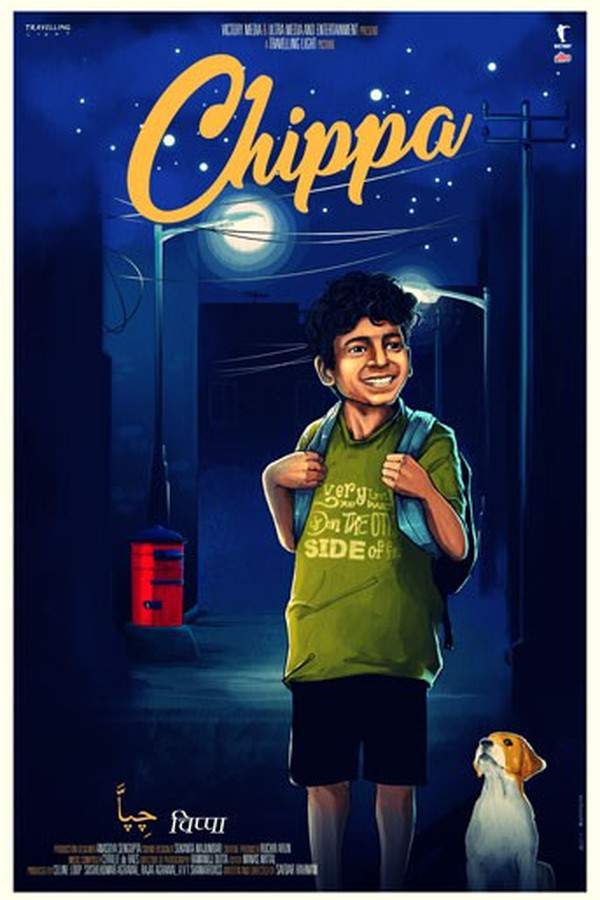
In April 2004, with US-led forces already in Iraq for a year and the Indian government declaring that all Indians have been brought home, a small family clamps down on hope as they wait for a way out. The story centers on the 6-year-old Chintu and the loved ones around him, who navigate danger, scarcity, and stubborn resilience inside their home as the city outside teeters on the edge of chaos.
The family is determined to celebrate Chintu’s birthday, even as a string of everyday hurdles piles up. There is no cake in sight, the old oven misbehaves, decorations are scarce, and gifts feel out of reach. Yet the bond among them keeps the plan alive, with their compassionate Iraqi landlord, Mehdi, offering a helping hand and a sense of steadiness in the storm.
Waheed, a school friend of Chintu, complicates the atmosphere in more ways than one. He traffics in smuggled items for American soldiers and has previously handed Chintu some CDs of Jihadi material, which Chintu’s parents do not approve of. The tension gnaws at the margins of the birthday preparations, testing trust and parental caution.
When a bomb blast shakes the neighborhood, Mehdi pleads to be hidden and the family obliges, sheltering him in the storeroom. The calm of the day is ripped open as two American soldiers, Louis Jackson and Reed, enter to search for suspects. Madan Tiwary, their father, keeps his nerves steady and tries to soothe the moment, while Reed’s skepticism and aggression threaten to derail the family’s fragile security. The tension escalates as a hijacked sense of danger, rather than the blast itself, locks everyone in an uneasy standoff.
The search opens old wounds and tests loyalties. The soldiers probe the house for evidence, and Reed’s anger grows until Louis urges patience, sensing there’s more beneath the surface. A phone call from Madan’s father later delivers a painful update: even after meeting a senior politician, evacuation efforts have stalled, and the family’s fate remains uncertain.
Facing the imminent risk, Madan strikes a quiet bargain with the soldiers: allow ten minutes for a birthday moment, and he will accompany them willingly. Louis advises restraint and honesty, but Madan’s resolve holds—he won’t become a scapegoat, yet he won’t abandon his family either. Mehdi’s warning echoes the deeper warning of the moment: stepping outside could mean never returning.
The birthday becomes a profoundly moving ceremony. Amid the fear and the fragile pause in the world outside, the family gathers, and a symbolic cake—reimagined with cookies—appears to symbolize not just celebration, but a stubborn insistence on humanity in the face of turmoil. As the party unfolds, Reed’s perspective shifts, and he and Madan reach a quiet understanding about survival, duty, and the line between fear and care.
Waheed’s apology and the family’s forgiveness bring a fragile sense of closure to the scene. The soldiers depart without arrest, and the moment lingers as a quiet testament to resilience in a country where life can hinge on a single moment of mercy.
What unfolds is a intimate portrait of a family’s courage under pressure, where a simple birthday becomes a crucible that reveals trust, faith, and the endurance of love even when the world seems to tilt toward danger.