Plot Explained Spoilers guaranteed!
Plot Explained

Browse by genre

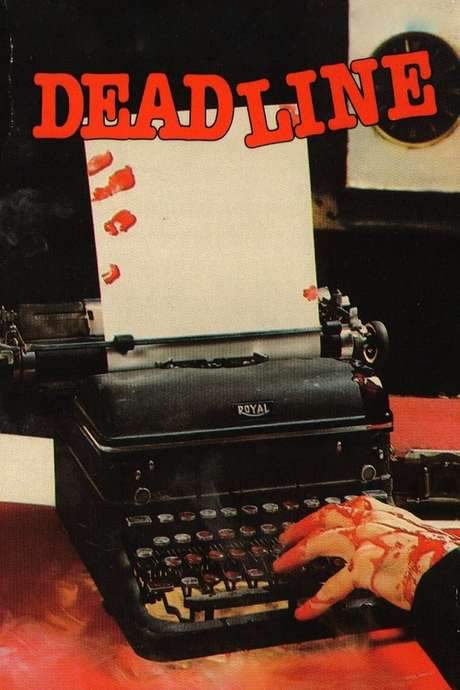
Chicago Deadline (1949) movie poster

Characters & Themes

Chicago Deadline (1949) Characters, Setting & Themes Explained

Release, runtime and language
1949 · 86 mins · English
Directed by
Lewis Allen
Starring
Donna Reed, Roy Roberts, Berry Kroeger, Irene Hervey, John Beal, Alan Ladd

A determined reporter on Chicago’s South Side, Ed Ames, discovers a dead girl’s body. Her address book contains names of men who claim never to have known her but are terrified by her death. As Ames follows the leads, he uncovers dangerous secrets that put his own life at risk.

On this page (8)
  1. 1 Characters explained (13)
  2. 2 Where & when it takes place
  3. 3 Themes & meaning (3)
  4. 4 Character & meaning questions
  5. 5 Movie threads
  6. 6 Movies like Chicago Deadline
  7. 7 Categories
  8. 8 Every angle

13 main characters · contains spoilers

Chicago Deadline Characters Explained: Who Is Who

The main characters of Chicago Deadline (1949), heroes and villains: what drives them, how they change over the course of the story and what each of them reveals about the film's bigger ideas.

  • Ed Adams (Alan Ladd)

    A determined Chicago-based newspaper reporter who refuses to accept the official cause of Rosita's death. He follows a thread of clues through a web of suspects, risking danger to uncover the truth behind the diary and Rosita's life. His pursuit reveals a mix of professional integrity and personal vulnerability as he confronts a society built on rumors.

    • 📰 Reporter
    • 🕵️ Investigator
    • 💪 Determined
  • Rosita Jean d'Ur (Donna Reed)

    A beautiful, complex tenant whose diary holds the key to her tangled past. Rosita's life is a catalog of loves, betrayals, and disappointments, and her tragedy becomes the engine of the film's mystery. She navigates relationships with several men, each leaving a mark on her fragile sense of security.

    • 💃 Enigmatic woman
    • 💔 Tragic figure
    • 🗝️ Hidden life
  • Solly Wellman (Berry Kroeger)

    A hoodlum with rackets who casts a long shadow over Rosita's world. He embodies the criminal underbelly that Ed suspects is connected to the case, threatening those who come too close to the truth. His involvement underscores the personal cost of the city's corruption.

    • 💰 Gangster
    • 🔪 Violent
    • 🧠 Power broker
  • G. G. Temple (Gavin Muir)

    Trust company vice-president entangled with Rosita's past and present. He denies direct involvement but his actions and connections hint at a calculating manipulation of powerful figures. Temple embodies the high-stakes control of money and influence behind the crime.

    • 💼 Businessman
    • 💳 Corrupt influence
    • 🧭 Manipulator
  • Belle Dorset (Irene Hervey)

    A former neighbor or close associate who moves away after Rosita's death. Belle later reveals strategic details about Rosita's connections and the people who used or discarded her, adding to the sense of a larger conspiracy. She becomes a reluctant witness to the undercurrents of power in the city.

    • 🕊️ Witness
    • 💬 Gossip
    • 🗝️ Secretive
  • Leona Purdy (June Havoc)

    Ed's alluring love interest who knew Rosita. Leona's proximity to Rosita's circle provides crucial insights into who Rosita was and whom she trusted. Her presence adds a romantic tension that intersects with the investigation's danger.

    • 💃 Love interest
    • 🗝️ Hidden past
  • Paul Jean d'Ur (John Beal)

    Rosita's artist husband whose life and death contribute to the backstory of her loneliness. His memory weaves through the diary and the testimonies, revealing how personal tragedy set Rosita on a perilous path. He represents a bridge to Rosita's pre-Chicago life.

    • 🎨 Artist
    • 💔 Tragic past
  • Blacky Franchot (Shepperd Strudwick)

    A gangster connected to Rosita and Wellman's underworld networks. His claim of love for Rosita hints at a complicated, possibly protective relationship, even as he becomes a casualty of the criminal web. His meeting with Ed functions as a crucial turning point in the investigation.

    • 🕶️ Gangster
    • 💔 Complex ties
    • 🗡️ Death
  • Jerry Cavanaugh (Roy Roberts)

    A boxing manager entwined with the darker side of the city’s power structures. He reveals the backstory of Rosita's relationship with Bat and the threats that followed when she tried to move on. Jerry's testimony helps Ed connect the diary entries to concrete actions.

    • 🏦 Manager
    • 🤝 Crime link
  • Bat Bennett (Paul Lees)

    A fighter whose romance with Rosita drew the ire of those who sought to control her. His role illustrates how personal connections intersect with criminal interests. Bat’s presence adds a physical dimension to the investigation’s emotional stakes.

    • 🥊 Fighter
    • 💔 Romantic history
  • Tommy Ditman (Arthur Kennedy)

    Rosita's brother who recounts her past from Amarillo to New York, providing crucial context. His search for his sister's truth anchors the narrative in a family’s perspective, highlighting the lasting impact of Rosita's choices. Tommy's testimony shapes Ed's understanding of Rosita's life arc.

    • 👨‍👦 Brother
    • 📜 Backstory
  • Gribbe (Harry Antrim)

    The city editor who writes sensational columns about Rosita's life, feeding the public's curiosity and shaping the narrative. Gribbe embodies the media's influence on justice, blurring the line between reporting and rumor. His presence intensifies the noir atmosphere and the pressure Ed faces.

    • 🗞️ Editor
    • 🗯️ Sensationalist
  • Hazel (Marietta Canty)

    Rosita's former maid who provides Ed with critical information about Rosita's relationships and the circumstances surrounding Temple. Hazel's testimony acts as a bridge between Rosita's private life and the public investigation. She represents a quieter, grounded perspective within the noir world.

    • 👩 Maid
    • 🗣️ Informant

Last updated: October 04, 2025 at 18:40

Was this helpful?

Setting

Where and When Does Chicago Deadline Take Place?

The setting of Chicago Deadline (1949): the year and time period, the places and locations, and how they shape the characters, the mood and the tension of the story.

Time period

1940s

Set in the postwar era, the film captures the smoky, shadow-filled atmosphere of 1940s urban crime dramas. It features the era’s journalism, gangland underworld, and melodramatic romance that define noir cinema. The pace is brisk, with rapid dialogue and a sense of looming danger in every scene.

Location

Chicago, Illinois, Amarillo, Texas, San Francisco, California, New York, New York

The story centers in Chicago, with flashbacks and references to Amarillo, Texas, and San Francisco, before returning to New York. The urban backdrop shifts from a crowded boarding house to smoky rooms and street corners where crime and gossip mingle. This multi-city tapestry helps establish a noir mood: hard-edged, fast-paced, and always on the verge of a revelation.

  • 🏙️ City setting
  • 🚨 Crime backdrop

Last updated: October 04, 2025 at 18:40

Was this helpful?

3 major themes

Chicago Deadline Meaning: Themes & Message Explained

What is Chicago Deadline (1949) really about? The emotional, social and philosophical themes the film keeps returning to, its symbolism and the message beneath the surface.

  • Romance & Betrayal

    A reporter dives into Rosita's life, uncovering intimate relationships that complicate the case. Rosita's past romance and the men who circle her reveal a pattern of dependence, ambition, and heartbreak. The diary at the story's center becomes both connection and weapon, propelling the mystery forward. Love is depicted as a force that can both save and condemn.

  • Truth & Spectacle

    Ed Adams pursues facts while others push sensational headlines. The diary and witness testimonies clash with editor Gribbe's dramatic columns, turning Rosita into a public symbol rather than a person. This tension exposes the fragility of truth when public appetite for scandal overrides it. The investigation tests Ed's integrity against the pull of a thriving noir press.

  • Media & Morality

    The press weaponizes Rosita's past, turning private suffering into public spectacle. A sensationalist column shapes perception, complicating Ed's quest for real motive and accountability. The film critiques how information can be manufactured to control narratives and manipulate fate. In the end, journalism is shown as both a tool for truth and a trap for those involved.

Last updated: October 04, 2025 at 18:40

Was this helpful?

Character & theme questions

Chicago Deadline Characters & Meaning: Your Questions Answered

The questions people ask about Chicago Deadline (1949): who the characters really are, their relationships, what the symbols mean, where it takes place and what the movie is really about. Each answer contains spoilers.

Q1

Where is Chicago Deadline set?

The film is primarily set in Chicago, Illinois, on the city's South Side. The story also includes flashbacks and references to Amarillo, Texas, San Francisco, California, and briefly returns to New York. This multi-city backdrop establishes a noir atmosphere where the urban landscape shifts from crowded boarding houses to smoky rooms and street corners.

  • chicago
  • south side
  • settings
  • locations
  • noir city
Q2

What time period does Chicago Deadline take place in?

Chicago Deadline is set in the postwar era of the 1940s. The film captures the smoky, shadow-filled atmosphere characteristic of 1940s urban crime dramas, featuring period-appropriate journalism, gangland underworlds, and the melodramatic romance that defines classic noir cinema.

  • 1940s
  • postwar era
  • time period
  • noir decade
Q3

What are the main themes of Chicago Deadline?

Chicago Deadline explores three interconnected themes. First, Romance & Betrayal examines how love becomes both salvation and condemnation through Rosita's tangled relationships. Second, Truth & Spectacle pits investigative integrity against sensationalist journalism. Third, Media & Morality critiques how the press weaponizes private suffering for public consumption, blurring the line between reporting and rumor.

  • themes
  • romance
  • betrayal
  • truth
  • media
  • morality
  • journalism
Q4

Who is Ed Adams in Chicago Deadline?

Ed Adams (played by Alan Ladd) is a determined Chicago-based newspaper reporter who refuses to accept the official cause of Rosita's death. He follows a trail of clues through a web of suspects, risking his life to uncover the truth. His pursuit reveals both professional integrity and personal vulnerability as he confronts a society built on rumors.

  • ed adams
  • alan ladd
  • reporter
  • protagonist
  • journalist
Q5

Who is Rosita Jean d'Ur in Chicago Deadline?

Rosita Jean d'Ur (played by Donna Reed) is the tragic central figure whose death sparks the investigation. She is a beautiful, complex tenant whose diary holds the key to her tangled past. Her life represents a catalog of loves, betrayals, and disappointments, with relationships spanning multiple men who each left a mark on her fragile sense of security.

  • rosita jean d'ur
  • donna reed
  • victim
  • diary
  • central mystery
Q6

What is the setting and atmosphere of Chicago Deadline?

Chicago Deadline employs a hard-edged, fast-paced noir mood with a sense of looming danger in every scene. The urban backdrop shifts between crowded boarding houses, smoky rooms, and street corners where crime and gossip mingle. The setting reflects the corruption and exploitation at the heart of the film's themes.

  • noir atmosphere
  • urban setting
  • crime backdrop
  • chicago south side
Q7

How does Chicago Deadline portray the press and journalism?

The film presents journalism as both a tool for truth and a trap. Editor Gribbe writes sensational columns that turn Rosita into a public symbol rather than a person, overriding Ed's quest for real motive and accountability. The tension exposes how public appetite for scandal can override the fragile truth, portraying the noir press as a thriving but morally compromised industry.

  • journalism
  • press
  • media
  • editor gribbe
  • sensationalism
  • truth
Q8

How does Chicago Deadline explore truth and spectacle?

Chicago Deadline pits Ed Adams's pursuit of facts against editor Gribbe's dramatic headlines. The diary and witness testimonies clash with sensationalist columns, transforming Rosita's private suffering into public spectacle. The film tests Ed's integrity against the pull of a thriving noir press, ultimately showing how information can be manufactured to control narratives and manipulate fate.

  • truth
  • spectacle
  • investigation
  • facts
  • headlines
  • scandal
Q9

Who are the key characters in Chicago Deadline?

Beyond Ed Adams and Rosita, the key characters include Solly Wellman (a hoodlum connected to the rackets), G.G. Temple (a trust company vice-president entangled with Rosita's past), Leona Purdy (Ed's love interest who knew Rosita), Blacky Franchot (a gangster connected to Rosita), and Tommy Ditman (Rosita's brother who provides crucial context about her life from Amarillo to New York).

  • characters
  • cast
  • supporting roles
  • suspects
  • witnesses
Q10

What message does Chicago Deadline send about media and morality?

The film delivers a cautionary critique of media ethics in the postwar era. It shows how information can be manufactured to control narratives and manipulate public perception. While journalism is depicted as capable of revealing truth, it also becomes a trap for those involved, turning private tragedy into public spectacle for profit and ratings.

  • media criticism
  • ethics
  • morality
  • narrative control
  • public perception

Movie threads

More Movies Like Chicago Deadline, by Mood & Story

Curated lists built around what makes Chicago Deadline tick: the same mood, the same kind of story or the same emotional payoff. Each list explains why these movies belong together.

Gritty Reporter Noir Movies Like Chicago Deadline

A determined investigator risks everything to expose a city's dark secrets. If you liked the tense investigation and cynical urban mood of Chicago Deadline, explore more movies where determined journalists uncover dangerous secrets. These similar crime dramas feature high-stakes reporting, dark themes of corruption, and a steady, suspenseful pace that mirrors the feel of the original film.

  • gritty
  • tense
  • cynical
  • suspenseful
  • determined
  • somber
  • Tone: dark, cynical, tense
  • Pacing: steady, investigative
Why these movies?

The story pattern: The narrative pattern follows a linear but methodical investigation where each clue leads to a new confrontation, peeling back layers of a central mystery. The protagonist's journey is one of dogged determination against a powerful, often unseen, corrupt system. The emotional arc is heavy, fueled by the tragic circumstances of the victim and the moral decay the investigator uncovers.

Why they belong together: Movies share a core structure of an investigator uncovering a web of lies, a dark and cynical tone regarding urban life, and a heavy emotional weight centered on injustice. They are grouped by their focus on the procedural, yet perilous, nature of truth-seeking in a corrupt world.
Movies with Bittersweet Endings Like Chicago Deadline

Stories where solving the crime brings solemn reflection, not triumphant celebration. Fans of the heavy, reflective conclusion of Chicago Deadline will appreciate these films. Discover similar crime dramas and noir thrillers that deliver justice but leave a somber, bittersweet feeling, focusing on the emotional toll and moral complexity rather than a simple happy ending.

  • bittersweet
  • melancholic
  • somber
  • heavy
  • reflective
  • solemn
  • Tone: bittersweet, melancholic, somber
  • Pacing: steady, character-driven
Why these movies?

The story pattern: The narrative builds towards a climax where the central mystery is solved or the culprit is caught, but the emotional fallout is paramount. The story often concludes by reflecting on the loss and moral compromise encountered along the way. The character arc ends not in triumph, but in a quiet, dignified acceptance of a flawed world.

Why they belong together: These films are connected by their shared emotional payoff: a resolution that is satisfying yet deeply somber. They prioritize the heavy emotional consequences of the plot over a clean, happy ending, creating a cohesive viewing experience for those who appreciate complex, realistic conclusions.

If you liked this

Movies Like Chicago Deadline

Similar movies to Chicago Deadline: the same genre, themes or kind of story. Each one comes with its own plot summary, timeline and ending explained.

Browse all movie summaries

Categories

Movie Lists Featuring Chicago Deadline

Chicago Deadline appears in these hand-built movie categories. Each one groups movies by a specific mood, theme or story type, with their plot summaries and endings explained.

View all movie categories

Every angle

Chicago Deadline (1949) Explained: Plot, Timeline & Characters

Everything about Chicago Deadline in one place: what happens in the plot summary, the timeline in chronological order, the characters and meaning and a spoiler-free summary. What's After the Movie adds the cast, box office and post-credit scenes.

Coming soon on iOS and Android

The Plot Explained Movie Summary App

Plot summaries, endings explained and timelines on your phone. Catch up on any movie in minutes, save your favorites and never miss a twist again.

Be the first to know when we launch. Your email stays private, always.

Learn more about the app