Year: 1958
Runtime: 173 mins
Language: Hindi
Director: Satyen Bose
Babu Samjho Ishaare Three woman-hating brothers face changes in their respective lifestyles when two of them fall in love.
Find where to stream, rent, or buy Chalti Ka Naam Gaadi (1958) in the US with current JustWatch availability, up-to-date pricing, and platform listings for subscription, rental, and digital purchase options.
Warning: spoilers below!
Haven’t seen Chalti Ka Naam Gaadi yet? This summary contains major spoilers. Bookmark the page, watch the movie, and come back for the full breakdown. If you're ready, scroll on and relive the story!
Read the complete plot breakdown of Chalti Ka Naam Gaadi (1958), including all key story events, major twists, and the ending explained in detail. Discover what really happened, and what it all means.
Last updated: October 05, 2025 at 11:55
Explore frequently asked questions about Chalti Ka Naam Gaadi (1958) with spoiler-rich answers covering the full plot summary, major story beats, character motivations, hidden details, and ending meaning. This movie summary FAQ helps explain confusing scenes, plot twists, and narrative decisions in clear, searchable detail.
Brijmohan's hatred of women stems from his past relationship with Kamini. They were once lovers, but her family married her off to Raja Hardayal Singh, leaving Brijmohan deeply hurt. This betrayal led him to impose a strict rule at his garage forbidding women from entering, except in emergencies. His anti-women policy directly reflects the emotional trauma from being abandoned.
The photo of Kamini found in Brijmohan's room earlier hints at his painful history with women.
Manmohan goes to the concert to collect payment from Renu for the car repair. However, he discovers that the concert pass he found in Renu's purse bears her name. Since the pass is non-transferable, the security personnel refuse to let him enter, trapping him outside until the concert ends.
The pass with Renu's name creates an immediate obstacle that prevents him from resolving the payment issue easily.
The dumped corpse serves as a plot device that introduces the criminal element led by Raja Hardayal Singh. While Manmohan initially tells his brothers about seeing men dump a body on the road, they dismiss it as a ghost story. This incident foreshadows the criminal threat that later endangers Renu and the brothers, connecting to the villains' scheme to force Renu's marriage.
This eerie nighttime scene establishes the danger that surfaces later when Renu is kidnapped.
Jagmohan suffers from an extreme fear of women, a trait shared by all three brothers. When he volunteers to help Renu with her car, his nervousness around Sheela (Renu's companion) becomes overwhelming. To calm his shaking hands and nerves, he reportedly drinks ten glasses of water before attempting to work, a comedic moment that highlights the brothers' deep-seated fear of women.
This comedic detail underscores the brothers' woman-hating trait that drives the entire film's conflict.
Kamini is the woman whose photograph was found in Brijmohan's room. She was Brijmohan's former lover, but her family forced her into marriage with Raja Hardayal Singh. This abandonment is the root cause of Brijmohan's hatred toward all women. When Renu and Manmohan are held captive, they discover Kamini is also being held by Hardayal's gang, revealing the personal stakes involved in the brothers' fight against the criminals.
The missing photo discovered earlier directly leads to Kamini's reappearance in the plot.
Raja Hardayal Singh is the main antagonist and leader of a group of crooks. He and his conspirators approach Renu's father seeking to marry Renu to Hardayal's brother, using the arrangement as a scheme to exploit the family. When this fails, the gang resorts to kidnapping Renu and Manmohan to further their criminal plans. His connection to Kamini through marriage adds a personal dimension to the conflict.
Hardayal's initial approach to Renu's father establishes him as an early threat before the kidnapping occurs.
After Kamini escapes from Hardayal's hideout, she enlists Brijmohan's help. Brijmohan, revealed to be a boxing champion, arrives at Hardayal's fortress with his two brothers. Together, they fight the criminals in an action sequence that defeats Hardayal's men and frees the captives. The brothers' combined strength and Brijmohan's boxing skills turn the tide against the gang.
Kamini's urgent escape to find Brijmohan directly triggers the climactic rescue mission.
The film concludes with all three brothers finding romantic partners, marking their transformation from woman-hating individuals to happily married men. Manmohan marries Renu, the woman he initially met for unpaid car repairs. Brijmohan reconciles with his former lover Kamini, overcoming his past trauma. Jagmohan marries Sheela, the woman who previously made him so nervous he needed to drink water before speaking to her. Their marriages symbolize the complete reversal of their anti-women attitudes.
Each brother's personal storyline arcs from fear or hatred of women toward acceptance and love.
Brijmohan agrees to help because Kamini, his former lover, comes to enlist his assistance. Her appearance after being held captive by Hardayal rekindles their old connection and provides the personal motivation Brijmohan needed to confront his fears. Knowing that Kamini is also a victim of Hardayal's cruelty strengthens his resolve to fight the criminals, transforming his hatred into protective action.
Kamini's escape and urgent plea directly triggers Brijmohan's decision to confront Hardayal.
The brothers' transformation begins when two of them - Manmohan and Jagmohan - meet and fall in love with Renu and Sheela respectively. Manmohan's initial encounter with Renu through the car repair leads to genuine romantic feelings, while Jagmohan's interactions with Sheela, despite his nervous reactions, develop into love. Brijmohan's change is catalyzed by seeing Kamini again and recognizing that his past hurt does not define all women. Love becomes the catalyst that breaks their woman-hating cycle.
The opening scene's anti-women policy directly contrasts with the romantic developments that follow.
Discover curated groups of movies connected by mood, themes, and story style. Browse collections built around emotion, atmosphere, and narrative focus to easily find films that match what you feel like watching right now.
Mischievous plots and witty deceptions pave the way for unexpected love.If you enjoyed the mischievous energy of Chalti Ka Naam Gaadi, discover more movies like it. This thread gathers witty comedies where clever deceptions and playful schemes drive romantic plots, perfect for fans of lighthearted, funny stories about love and trickery.
The narrative typically involves a central deception or series of schemes—often initiated by one character to win over another or to achieve a goal—that leads to cascading comedic complications. The plot is driven by wit and coincidence, culminating in the reveal of the ruse and the genuine connection that has formed in spite of it.
These movies are grouped by their shared structure of using clever, lighthearted plots to explore romance. They prioritize witty dialogue, comedic situations, and a playful tone over serious drama, creating a consistent vibe of energetic fun centered on the mechanics of love and deception.
Characters with firm, often comedic, prejudices are softened and transformed by romance.For viewers who liked Chalti Ka Naam Gaadi's story of bachelors reformed by romance, this thread collects similar movies. Find other lighthearted comedies and romantic stories where cynical or set-in-their-ways characters undergo a humorous and heartwarming transformation through love.
The narrative follows a predictable but satisfying arc: a character firmly holds a specific belief or lifestyle (e.g., averse to marriage, cynical about love) that is directly challenged by the arrival of a charming love interest. The conflict is primarily comedic, as the character's attempts to maintain their stance fail, leading to a happy ending where love brings positive change.
These films share a core character arc of positive transformation driven by romantic connection. The tone is consistently light and the emotional weight is minimal, as the focus is on the humorous friction between stubbornness and the inevitability of love, resulting in a feel-good experience.
Don't stop at just watching - explore Chalti Ka Naam Gaadi in full detail. From the complete plot summary and scene-by-scene timeline to character breakdowns, thematic analysis, and a deep dive into the ending - every page helps you truly understand what Chalti Ka Naam Gaadi is all about. Plus, discover what's next after the movie.
Track the full timeline of Chalti Ka Naam Gaadi with every major event arranged chronologically. Perfect for decoding non-linear storytelling, flashbacks, or parallel narratives with a clear scene-by-scene breakdown.
Discover movies like Chalti Ka Naam Gaadi that share similar genres, themes, and storytelling elements. Whether you’re drawn to the atmosphere, character arcs, or plot structure, these curated recommendations will help you explore more films you’ll love.
Chalti Ka Naam Gaadi (1958) Scene-by-Scene Movie Timeline
Chalti Ka Naam Gaadi (1958) Movie Characters, Themes & Settings
Chalti Ka Naam Gaadi (1958) Spoiler-Free Summary & Key Flow
Movies Like Chalti Ka Naam Gaadi – Similar Titles You’ll Enjoy
Chupan Chupai (2018) Spoiler-Packed Plot Recap
Chhalawa (2019) Story Summary & Characters
Chalte Chalte (2003) Full Summary & Key Details
Chal Mere Bhai (2000) Complete Plot Breakdown
Chup Chup Ke (2006) Film Overview & Timeline
Baap Numbri Beta Dus Numbri (1990) Full Summary & Key Details
Satte Pe Satta (1982) Full Movie Breakdown
Chameli Ki Shaadi (1986) Full Movie Breakdown
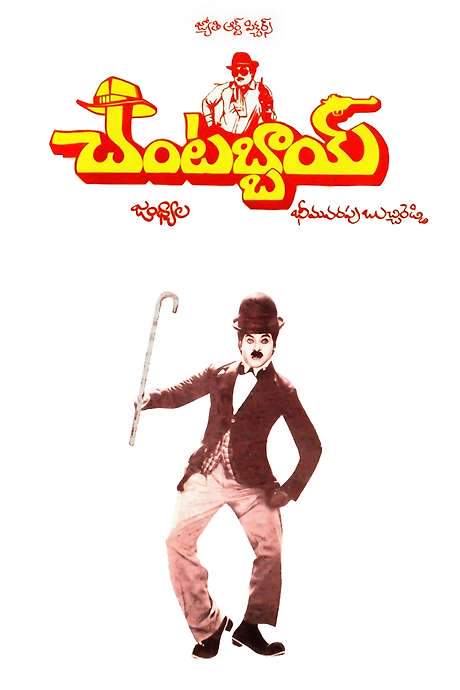
Chantabbai (1986) Ending Explained & Film Insights
Chaand Kaa Tukdaa (1994) Complete Plot Breakdown
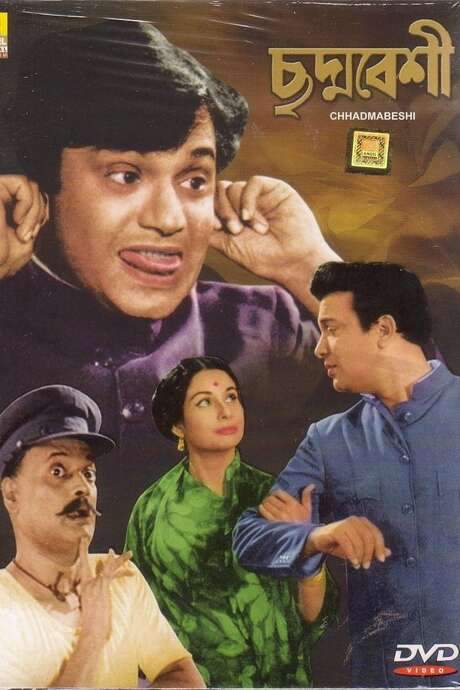
Chhadmabeshi (1971) Full Summary & Key Details
Tere Mere Sapne (1996) Ending Explained & Film Insights
Mr. & Mrs. Khiladi (1997) Plot Summary & Ending Explained
Aloo Chaat (2009) Full Movie Breakdown
Chhoti Si Baat (1976) Ending Explained & Film Insights