Plot Explained Spoilers guaranteed!
Plot Explained

Browse by genre

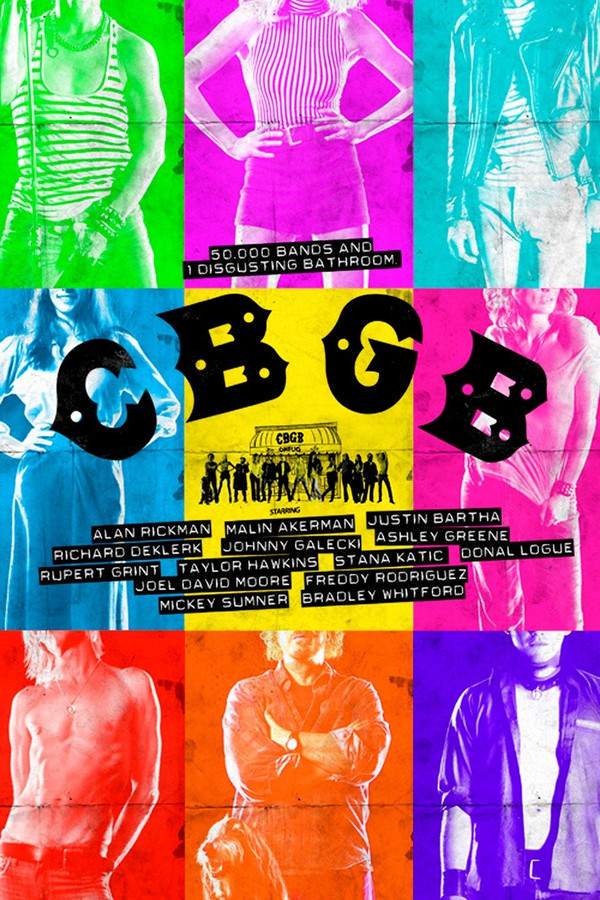
CBGB (2013) movie poster

Plot Summary

CBGB (2013) Plot Summary Explained

Release, runtime and language
2013 · 101 min · English
JustWatch #10,927 20
Directed by
Randall Miller
Starring
Alan Rickman, Justin Bartha, Malin Åkerman, Johnny Galecki, Richard de Klerk

In New York City's Bowery neighborhood, CBGB emerged as an unexpected birthplace for underground rock and roll. The club, founded by Hilly Kristal, fostered groundbreaking acts such as Blondie, Television, and The Ramones, providing a space where they could develop their unique sound. Kristal's rule of only allowing original music helped cultivate a scene that would define punk rock, establishing the venue as a haven for artistic freedom and a symbol of creative rebellion.

On this page (7)
  1. 1 Where to watch
  2. 2 What happens: full plot
  3. 3 Plot questions answered
  4. 4 Movie threads
  5. 5 Movies like CBGB
  6. 6 Categories
  7. 7 Every angle

Where to watch

Where to Watch CBGB (2013)

Where can you watch CBGB? Stream, rent or buy it in the US, including on Amazon Prime Video, Fawesome and Hoopla: current JustWatch availability with up-to-date prices.

Streaming availability powered by JustWatch

Full plot summary · contains spoilers

What Happens in CBGB: Full Plot Summary

The whole story of CBGB (2013) explained, from the opening scene to the final frame: every key event, every twist and what it all adds up to. Read it as a quick recap before the sequel, to check a scene you missed, or to finally understand what really happened.

A narrative unfolds at the beginning, highlighting that punk rock music owes its roots not just to CBGB, but originally to a basement in Connecticut. The story is largely based on true events. In a conversation about launching Punk Magazine, characters John Holmstrom and Legs McNeil ponder their ambitions in their basement. Fast forward to Hightstown, New Jersey, 1933, where a baby manages to escape his crib, only to be found three miles away by his parents.

The plot then progresses to 1972, where we meet Hilly Krystal, played by Alan Rickman, as he faces a judge while dealing with his second divorce and financial ruin. Wandering through New York City with his dog, he unexpectedly encounters a junkie named Idaho and decides to invest in a small bar. After persuading his former partner Merv Fergueson to join him, he secures funding from his mother, leading to the establishment of a bar initially dedicated to country, bluegrass, and blues music.

However, the bar soon adopts the name CBGB, where a pivotal moment occurs when Terry Ork, portrayed by Johnny Galecki, brings in his band, Television, convincing Hilly to let them perform original music. Hilly's focus remains on ensuring they don’t play too loudly, as chaos ensues when he attempts to keep the place running with the help of streetwise friends.

Amidst a series of humorous mishaps, the burgeoning popularity of CBGB draws in various artists, including the likes of Talking Heads and Blondie. As the punk scene begins to flourish, the bar transforms into a hotspot for famous bands and the publication of the first issue of Punk Magazine. Yet Hilly struggles with finances, often conceding to free entrance and drinks, even as his daughter Lisa becomes involved, questioning his neglectful ways.

As the years progress, the club's notoriety escalates, entwining Hilly's life further with the punk movement despite impending issues related to rent and a chaotic atmosphere. With reckless abandon, he prioritizes the music and the scene over fiscal responsibility, which leads to confrontations with landlords and frantic attempts to maintain order.

Despite the tumult, the film captures Hilly’s dedication to the thriving punk culture; he manages the Dead Boys and forges challenging relationships with producers like Genya Ravan. A series of debaucherous events and near disasters solidify the club's reputation, culminating in heartfelt moments when Hilly realizes the impact his club has made.

The ending scenes brim with nostalgia, as a text scroll elaborates on the extensive legacy left by CBGB, including statistics about the bands and their contributions to music history. The film elegantly weaves in Hilly’s personal journey, touching on family ties and the significance of the punk rock revolution. Viewers are left with powerful memories of an era that shaped music and culture, and a silent dedication to the late Hilly Kristal, the visionary behind it all.
Last updated: October 25, 2024 at 12:23

Was this helpful?

Plot questions answered

CBGB Plot Explained: Your Questions Answered

The questions people ask most about CBGB (2013): what happens in the confusing scenes, why the characters do what they do, the twists, hidden details and what the ending means. Each answer contains spoilers.
Q1

Why did Hilly Kristal decide to open CBGB

Hilly Kristal decided to open CBGB after wandering through New York City with his dog during a difficult period in his life. Facing a second divorce and financial ruin in 1972, he encountered a junkie named Idaho and decided to invest in a small bar. He persuaded his former partner Merv Fergueson to join him and secured funding from his mother, initially planning to create a bar dedicated to country, bluegrass, and blues music.

  • hilly kristal
  • cbgb
  • opening bar
  • new york city
  • junkie idaho
  • merv fergueson
Q2

How did CBGB transform into a punk club

CBGB transformed into a punk venue when Terry Ork brought his band Television to perform. Although Hilly's original vision was for country and blues music, he agreed to let Television play original music after Ork convinced him. This moment marked the pivotal shift from a country bar to what would become the birthplace of punk rock, as the venue began hosting bands like the Ramones, Blondie, and Talking Heads.

  • cbgb
  • punk club
  • television
  • terry ork
  • transformation
  • ramones
  • blondie
  • talking heads
Q3

What is the meaning of the baby escaping crib in 1973

The opening scene shows a baby escaping his crib in Hightstown, New Jersey in 1933 and being found three miles away. This narrative device symbolically represents the beginning of a cultural revolution that would eventually influence punk rock decades later. The film uses this moment as a metaphor for rebellion and breaking free from established boundaries, foreshadowing the spirit that would define CBGB.

  • baby
  • opening scene
  • crib
  • hightstown
  • new jersey
  • 1973
  • symbolism
Q4

Why did Hilly allow Television to play original music at CBGB

Hilly allowed Television to play at CBGB after Terry Ork brought the band in and convinced him to let them perform. Despite Hilly's original rule of only playing country, bluegrass, and blues, he made an exception for Television's original music. His main concern was that they not play too loudly, but this decision ultimately changed the course of the venue's history and launched the punk movement.

  • television
  • terry ork
  • original music
  • cbgb
  • hilly kristal
  • exception
Q5

How did Hilly keep CBGB running financially

Hilly struggled to keep CBGB financially afloat throughout its operation. Despite the club's growing popularity and cultural significance, he frequently allowed free entrance and drinks, prioritizing the music scene over fiscal responsibility. His financial mismanagement led to constant confrontations with landlords over rent payments, and he ultimately faced financial ruin despite the club's legendary status.

  • cbgb
  • financial struggles
  • hilly kristal
  • rent
  • landlords
  • free drinks
  • business
Q6

What was Punk Magazine's connection to CBGB

Punk Magazine was closely connected to CBGB as the publication that documented and amplified the emerging punk scene. The film shows John Holmstrom and Legs McNeil discussing their ambitions to launch Punk Magazine from a Connecticut basement, establishing the magazine as a voice for the punk movement. The first issue was published as CBGB became a hub for iconic bands, with the magazine helping to solidify the rebellious culture emerging from the venue.

  • punk magazine
  • john holmstrom
  • legs mcneil
  • publication
  • cbgb
  • punk movement
Q7

Why did Lisa Kristal confront her father Hilly

Lisa Kristal confronted her father because she was concerned about his neglectful behavior as he became increasingly involved with the punk movement. As Hilly prioritized the club and the music scene over his family responsibilities, their relationship highlighted the personal costs of his commitment to CBGB. Lisa's involvement in questioning his neglectful ways represents the family tension caused by his single-minded dedication to the venue.

  • lisa kristal
  • hilly kristal
  • daughter
  • confrontation
  • family
  • neglect
  • cbgb
Q8

What happened to CBGB and what was its legacy

CBGB became the birthplace of underground rock and roll, fostering groundbreaking acts including Blondie, Television, and The Ramones. The club's legacy is documented in the ending text scroll, which details the extensive contributions of these bands to music history. Despite Hilly's financial ruin and personal sacrifices, the film presents a bittersweet ending celebrating the venue's enduring impact on punk rock and cultural rebellion.

  • cbgb
  • legacy
  • blondie
  • television
  • ramones
  • ending
  • hilly kristal
  • closed
  • statistics
Q9

How did Hilly Kristal become involved with the Dead Boys

Hilly Kristal's involvement with the Dead Boys extended beyond just providing a venue - he actually managed the band. This relationship exemplified his deep commitment to the punk scene and the artists who performed at CBGB. His connections with producers like Genya Ravan further demonstrated the complexities of navigating the music industry during the punk revolution.

  • dead boys
  • hilly kristal
  • manager
  • band
  • genya ravan
  • cbgb
  • producer
Q10

Why was Hilly Kristal facing financial ruin in 1972

In 1972, Hilly Kristal was facing financial ruin while dealing with his second divorce, as shown when he appeared before a judge. This difficult period in his personal life set the stage for his decision to open CBGB. The film presents these early struggles to highlight the irony of how someone in such dire financial circumstances would go on to create one of music's most legendary venues.

  • hilly kristal
  • divorce
  • financial ruin
  • 1972
  • judge
  • cbgb
  • new york

Movie threads

More Movies Like CBGB, by Mood & Story

Curated lists built around what makes CBGB tick: the same mood, the same kind of story or the same emotional payoff. Each list explains why these movies belong together.

Chaotic Creative Origin Stories like CBGB

Stories of passionate founders building messy but influential cultural hubs. For viewers who liked CBGB, this section features movies about the messy beginnings of iconic cultural spaces. Find similar films about music clubs, art movements, and underground scenes where passion and chaos collide.

  • chaotic
  • rebellious
  • debauched
  • dedicated
  • energetic
  • nostalgic
  • Tone: neutral, grounded
  • Pacing: steady, chronological
Why these movies?

The story pattern: These narratives typically follow an entrepreneur or visionary through the tumultuous early days of their venture. The journey is marked by a series of challenges—financial woes, eccentric talent, and logistical nightmares—but fueled by a steadfast dedication to an artistic ideal, culminating in a legacy that outweighs the personal cost.

Why they belong together: Movies in this thread share a focus on the 'building the legend' phase, blending a neutral, grounded tone with a steady, chronological pacing. They capture a medium intensity from the friction between chaotic creativity and the pressures of reality, ending on a bittersweet note of triumph tempered by sacrifice.

Bittersweet Passion Projects like CBGB

Journeys where personal sacrifice fuels a cultural revolution. If you enjoyed CBGB's story of Hilly Kristal's sacrifice for punk rock, explore movies about driven visionaries. These films show characters achieving great cultural impact while facing bittersweet personal consequences.

  • dedicated
  • nostalgic
  • bittersweet
  • sacrifice
  • legacy
  • passionate
  • Tone: bittersweet, reflective
  • Pacing: steady, character-driven
Why these movies?

The story pattern: The narrative arc centers on a protagonist whose unwavering dedication to a single goal—often artistic or cultural—defines their life. The story explores the tension between their public success or influence and their private struggles, frequently culminating in an ending that acknowledges the great legacy born from personal ruin or deep sacrifice.

Why they belong together: These films are connected by a shared emotional core: a medium emotional weight derived from a protagonist's personal battles, a straightforward narrative focused on their journey, and a definitive bittersweet ending that acknowledges success while mourning the cost.

If you liked this

Movies Like CBGB

Similar movies to CBGB: the same genre, themes or kind of story. Each one comes with its own plot summary, timeline and ending explained.

Browse all movie summaries

Categories

Movie Lists Featuring CBGB

CBGB appears in these hand-built movie categories. Each one groups movies by a specific mood, theme or story type, with their plot summaries and endings explained.

View all movie categories

Every angle

CBGB (2013) Explained: Plot, Timeline & Characters

Everything about CBGB in one place: what happens in the plot summary, the timeline in chronological order, the characters and meaning and a spoiler-free summary. What's After the Movie adds the cast, box office and post-credit scenes.

Coming soon on iOS and Android

The Plot Explained Movie Summary App

Plot summaries, endings explained and timelines on your phone. Catch up on any movie in minutes, save your favorites and never miss a twist again.

Be the first to know when we launch. Your email stays private, always.

Learn more about the app