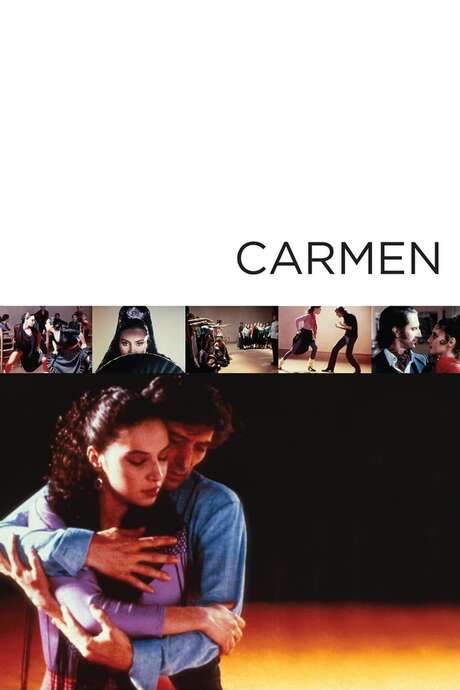
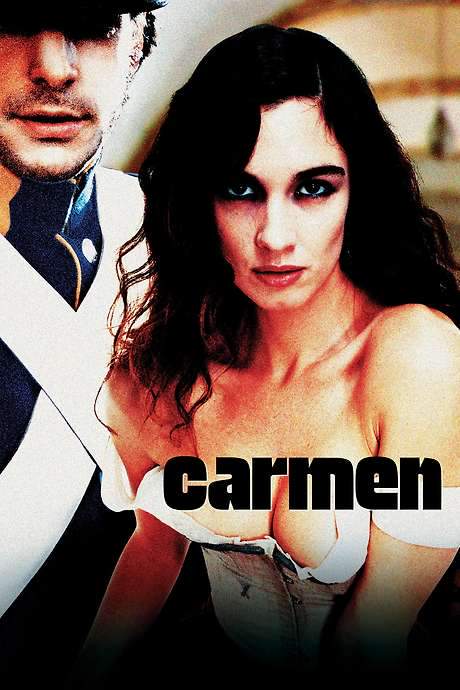
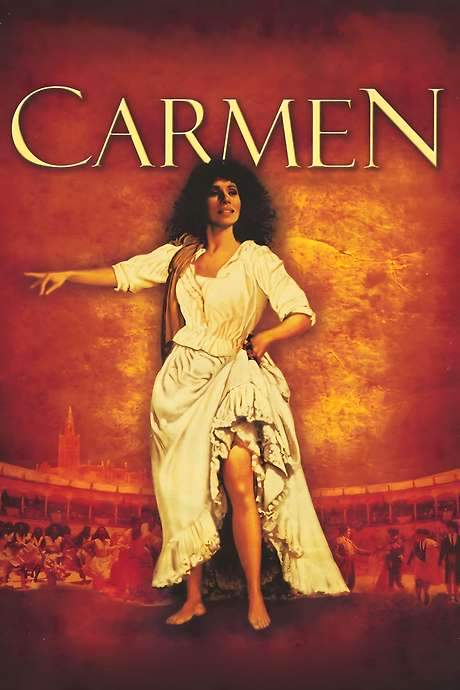
A choreographer, Antonio Antonio Gades, sets out to stage a bold reimagining of George Bizet's opera Carmen, blending the classic tragedy with Spanish music and the fiery rhythms of flamenco. The project teams up with Paco, Paco de Lucía, a guitarist who reshapes the original score for his instrument, giving the familiar melodies a new, shadowed flair that can breathe on a modern stage.
In the search for the perfect Carmen, the team digs through a flamenco school, hoping to find a performer who can embody both the passion and danger the story demands. Yet Antonio’s best dancer, Cristina Cristina Hoyos, is deemed too old for the role, and the difficulty of matching age, aura, and drive grows clear. Amid this tension, Carmen Laura del Sol herself captures Antonio’s eye during a rehearsal, her ferocious dance and magnetic presence drawing him in with an intensity that threatens to upend the entire production.
After a rousing flamenco show, Antonio presents Carmen with a book by Prosper Mérimée, urging her to read and see in it the depth of what the role could require. He then asks Cristina to mentor Carmen, launching an intensive training process that stretches the boundaries of the cast and the flow of the choreography. During rehearsals, Antonio asks the performers to imagine the world they are creating—the heat, the dust, and the tension—so that the duel between Carmen and Cristina plays out with an almost tangible electricity.
As the director’s feelings deepen into desire, Antonio and Carmen share a charged, forbidden encounter. But the romance is fragile, and Carmen slips away in the night, confessing that she is married. Despite this, Antonio offers money when she says her husband wants to start over, a decision that spirals into a dangerous confrontation when Carmen’s husband reveals his own criminal aims. The conflict culminates in violence, as Antonio reacts to the threat and the betrayal with lethal finality using a switchblade.
The boundary between stage and life begins to blur as the company performs: the fragile romance between Antonio and Carmen begins to feel as if it is playing out in real time, while the audience watches a performance that seems to reflect the truth behind the characters’ choices. In the end, Antonio’s desperation pushes the story toward tragedy, leaving viewers to wonder what is real and what is part of the show, and to consider how art and life can become inseparable on a single, dangerous night.