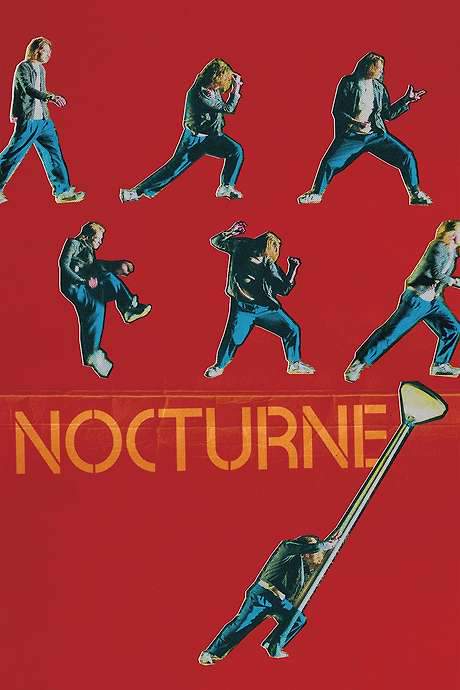
Marty is an irate mortgage temp who tries to vent his frustration by pulling off small scams against the corporate world that keeps him locked in a dull routine. He resents the tedium of his job, the modest pay, and the sense that he’s trapped in a system that doesn’t value him. His early dime-store deceptions include opening checking accounts to snag free deposits, pilfering items from work to process fraudulent refunds, and even harming his own hand to chase workers’ compensation. The courage of his mischief grows when he targets the bank itself: at First National Bank he lifts a stack of refund checks and forges the payees’ signatures to cash several for himself. The plan appears to glow with a dangerous simplicity, a way to reclaim some power in a life that otherwise feels controlled.
When his boss, Carol, conveys a chilling update—that the company can access images of the checks when they’re cashed and can identify who cashes them—tension escalates. The risk escalates right along with his ambition, and Marty fleas into hiding, retreating to the basement of his co-worker, Derek Skiba. The basement becomes a strangest kind of refuge, a cluttered cocoon where the outside world seems far away and the consequences of his actions feel distant.
In this dim refuge, life slows to a bizarre rhythm: days spent gaming, goofing with Derek, and drowning in Mountain Dew and frozen pizzas. He fills the hours by sketching a weapon fashioned from steak knives and a Nintendo Power Glove—an odd, Freddy Krueger-inspired contraption that lingers in his mind as a tool for power and escape. The atmosphere tightens as Derek tries to help, even as the fear of discovery gnaws at Marty. Carol’s proximity to the truth becomes a constant specter, and the sense that someone is closing in gnaws at him.
As cash dwindles, a small betrayal from fate arrives in the form of a five-dollar loss at a convenience store, captured on security cameras when Marty erupts in anger and trashs a display. The video becomes a visible reminder that his crime is no longer a private affair. Under this pressure, he makes a drastic choice—board a bus to Detroit with his modified Power Glove in hand, hoping distance will erase the trail.
Money runs dry quickly, and Marty spends much of his remaining funds on a hotel stay and room service. A bathroom inspection reveals a worsening hand infection, a physical reminder of the costs of his reckless path. With nowhere to go, he orchestrates a dangerous ruse: he illegally copies his hotel room key, then breaks back into the hotel to sleep, only to be discovered by a maid. The manager confronts him and attempts to alert the police, but Marty wields the glove and bolts into the morning light.
Desperation drives him to try cashing the last of his stolen checks at an ATM, only to learn that the account has been shut down. He moves on to a payday loan shop, where the owner’s suspicion is sharpened by security footage and a suspicious driver’s license. A tense confrontation ensues, and Marty fights his way free, slashing the owner in the face and neck with the glove as he escapes, leaving the shopkeeper bleeding at the floor.
A phone call to Derek reveals another blow: Carol has been fired. In a moment of frantic relief, Marty believes the company will no longer be able to connect the dots back to him, and he races down the street in a surge of exhilarated relief. Yet the film’s final image casts a chill: he stops before a storefront window filled with TV screens that show his own image on the security footage. On the center screen, a solitary shot of him walking away confirms the surveillance that has tracked him all along, and he simply continues on, moving into the unknown as the realization sinks in that he’s still under watch even as he thinks he’s free.