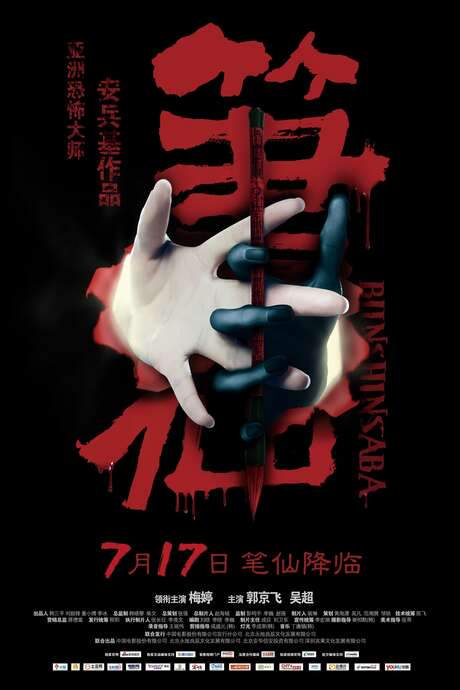
Bunshinsaba
Year: 2012
Runtime: 94 mins
Language: Chinese
Director: Ahn Byeong-ki
A writer discovers that her husband is released from prison and is after her and her son soon she takes a hideout in an old house where mysterious events begin to happen.
Warning: spoilers below!
Haven’t seen Bunshinsaba yet? This summary contains major spoilers. Bookmark the page, watch the movie, and come back for the full breakdown. If you're ready, scroll on and relive the story!
Timeline & Setting – Bunshinsaba (2012)
Explore the full timeline and setting of Bunshinsaba (2012). Follow every major event in chronological order and see how the environment shapes the story, characters, and dramatic tension.
Last Updated: October 04, 2025 at 07:45
Main Characters – Bunshinsaba (2012)
Meet the key characters of Bunshinsaba (2012), with detailed profiles, motivations, and roles in the plot. Understand their emotional journeys and what they reveal about the film’s deeper themes.
Last Updated: October 04, 2025 at 07:45
Major Themes – Bunshinsaba (2012)
Explore the central themes of Bunshinsaba (2012), from psychological, social, and emotional dimensions to philosophical messages. Understand what the film is really saying beneath the surface.
Last Updated: October 04, 2025 at 07:45

Explore Movie Threads
Discover curated groups of movies connected by mood, themes, and story style. Browse collections built around emotion, atmosphere, and narrative focus to easily find films that match what you feel like watching right now.
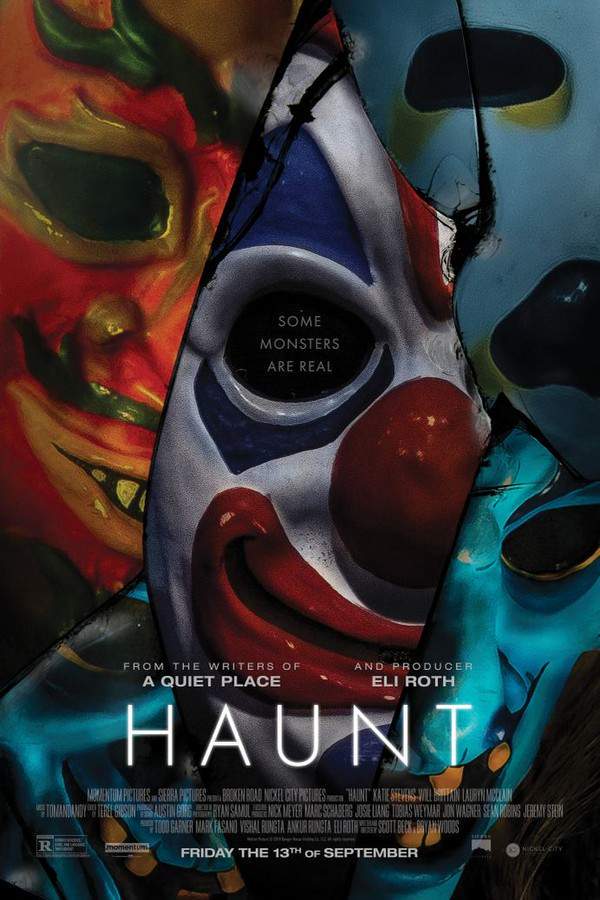
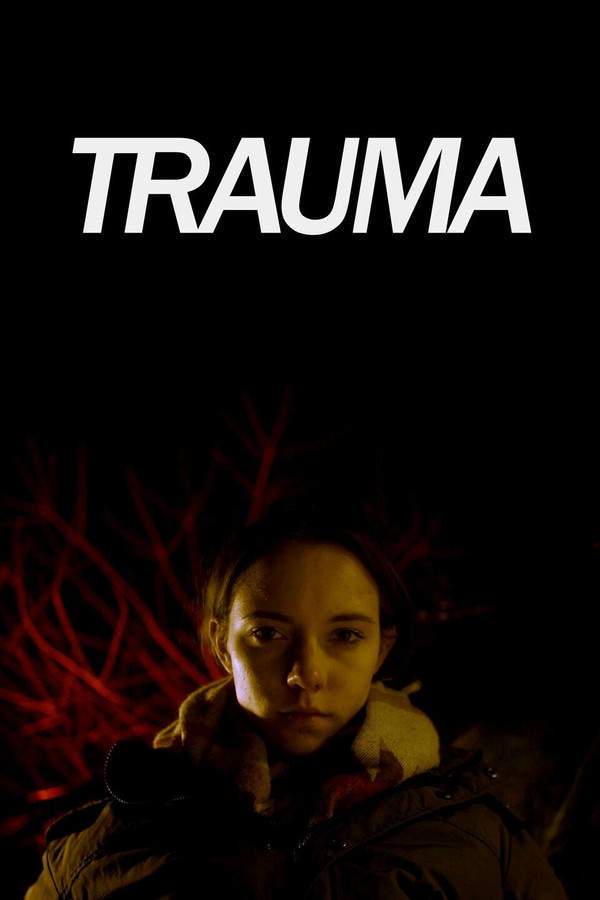
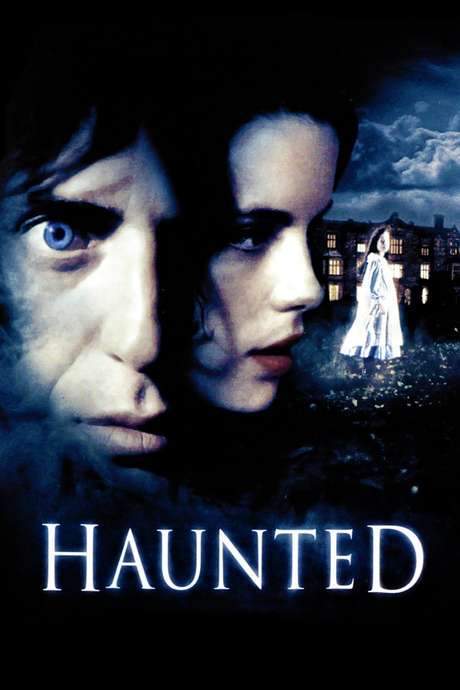
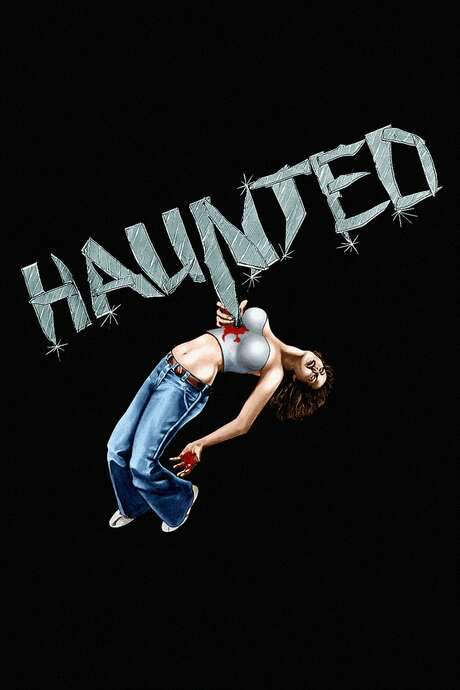
Psychological hauntings rooted in trauma like in Bunshinsaba
Supernatural phenomena that force a confrontation with repressed, painful memories.For viewers who liked Bunshinsaba, this section features movies where supernatural hauntings are directly tied to a character's psychological trauma. Discover similar horror and thriller stories that explore themes of repressed memory, abuse, and self-discovery through eerie, metaphorically charged encounters.
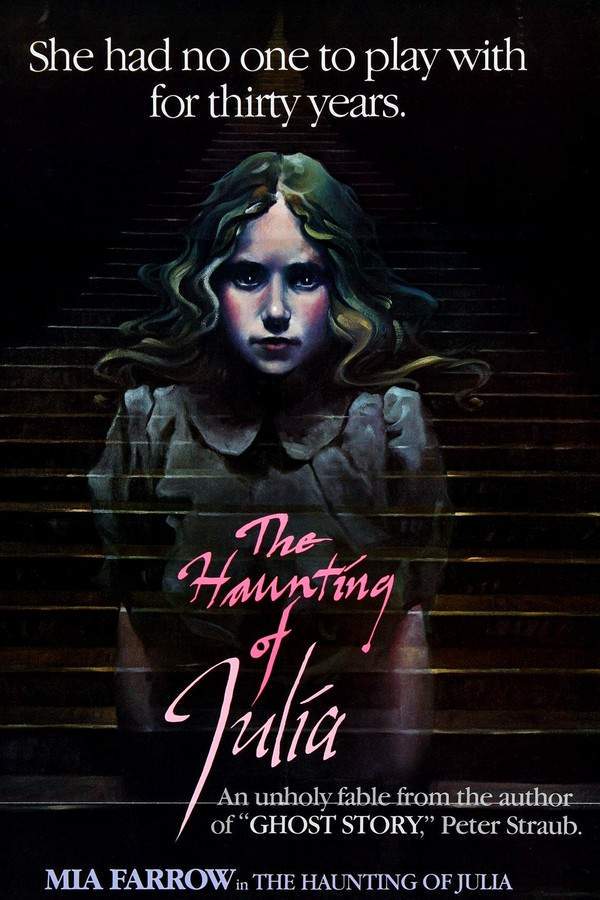
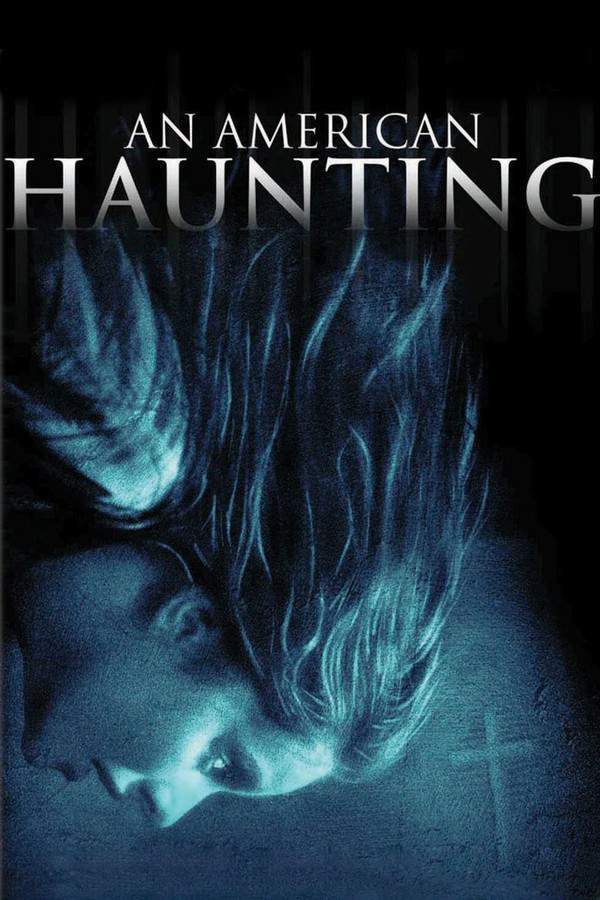
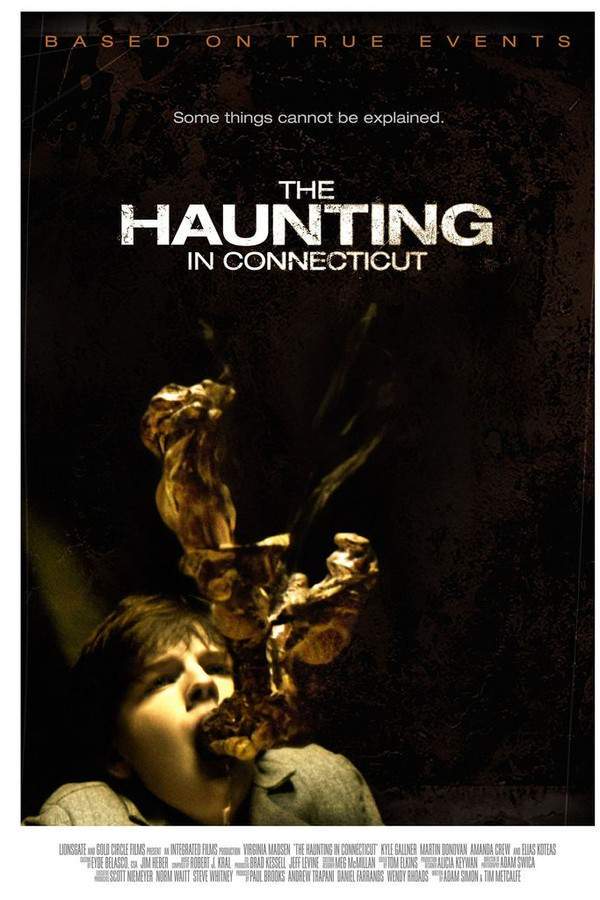




Narrative Summary
Stories in this thread typically follow a protagonist who enters a space—often a house—that becomes a catalyst for supernatural events. These events are not random but are manifestations of the character's unprocessed trauma. The narrative unfolds as a mystery, with the protagonist piecing together clues that lead back to their own painful history, culminating in a climactic confrontation with the truth.
Why These Movies?
These movies are grouped together because they share a core premise: the supernatural is a direct extension of the psychological. They blend horror with deep emotional drama, creating an experience that is both frightening and profoundly sad. The similarity lies in the thematic focus on trauma as the source of horror and the journey toward painful self-awareness.
Movies with oppressive slow burn dread like Bunshinsaba
A steadily mounting sense of unease that suffocates the characters and viewer alike.If you appreciated the constant, suffocating tension in Bunshinsaba, explore this collection of similar movies. These films master the art of slow burn dread, creating an anxious and claustrophobic viewing experience through steady pacing, dark tones, and high emotional intensity in the horror and thriller genres.
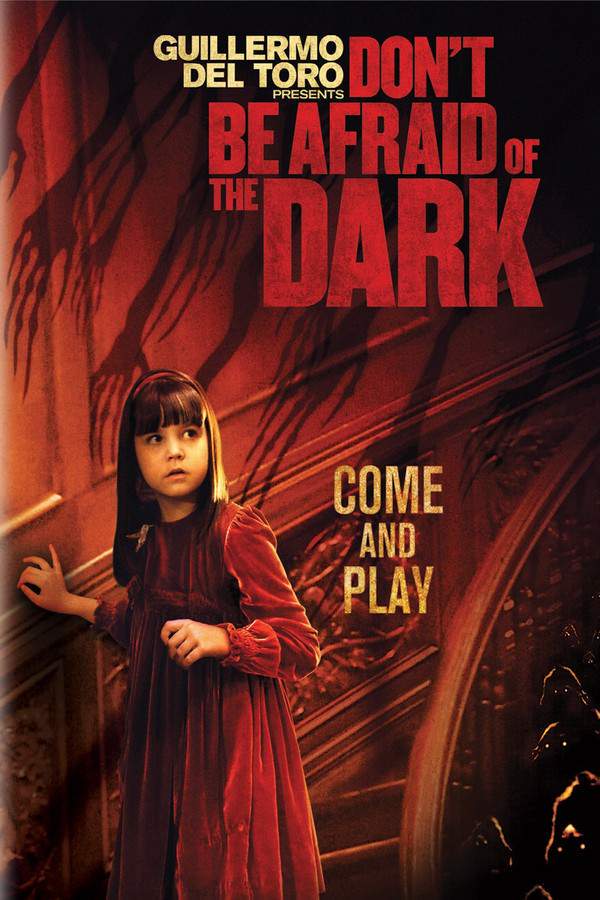
Don't Be Afraid of the Dark
2011
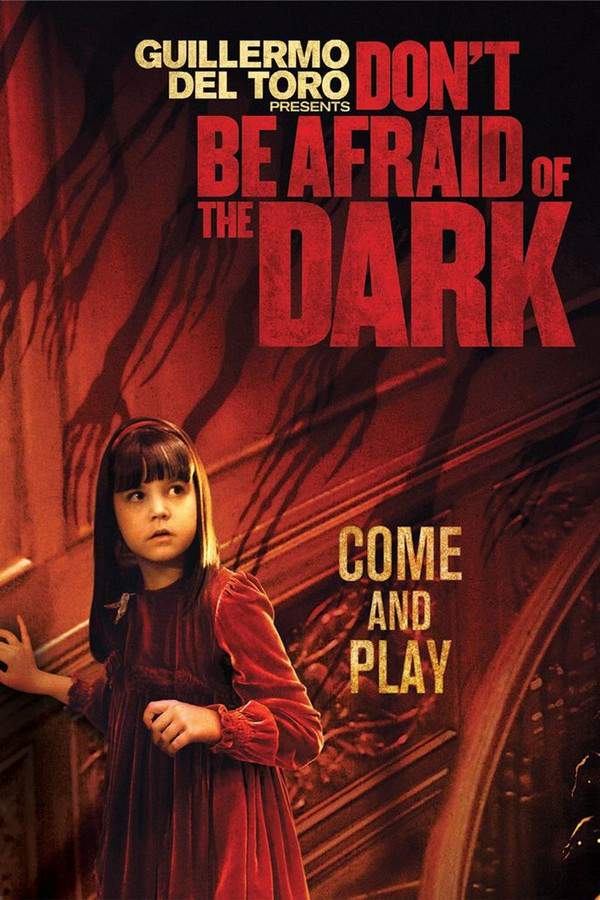
Don't Be Afraid of the Dark
1973
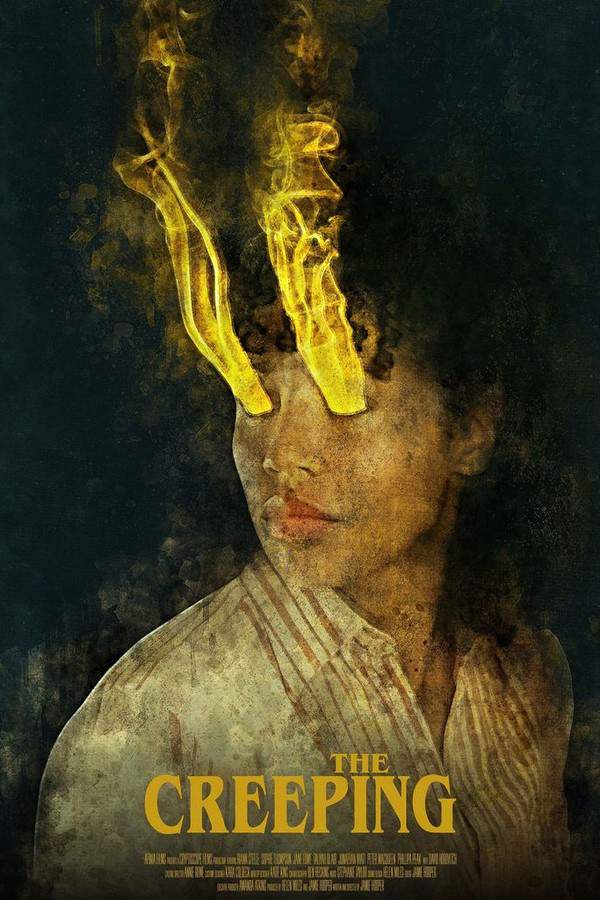
The Creeping
2023

The Evil Within
2017

The Attic
2006

The Amityville Curse
2023
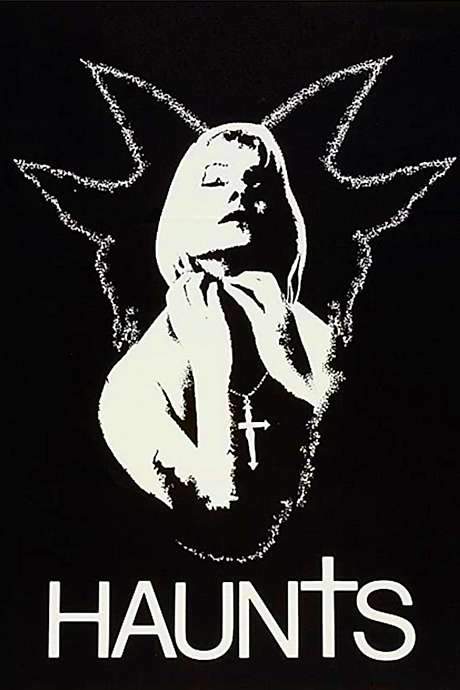
Haunts
1976

Night of Dark Shadows
1971
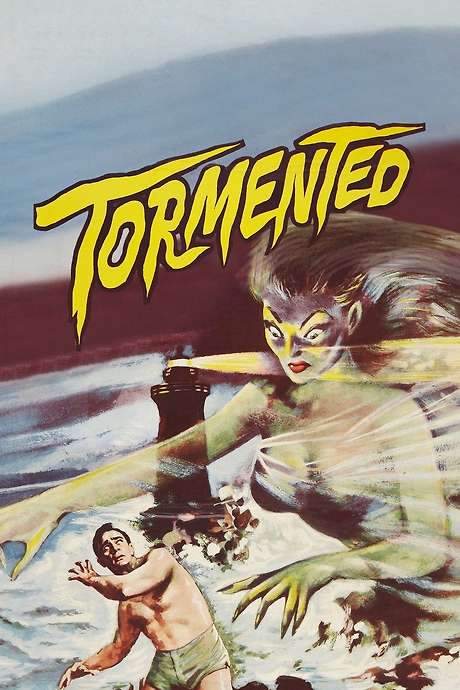
Tormented
1960

Fear in the Night
1972
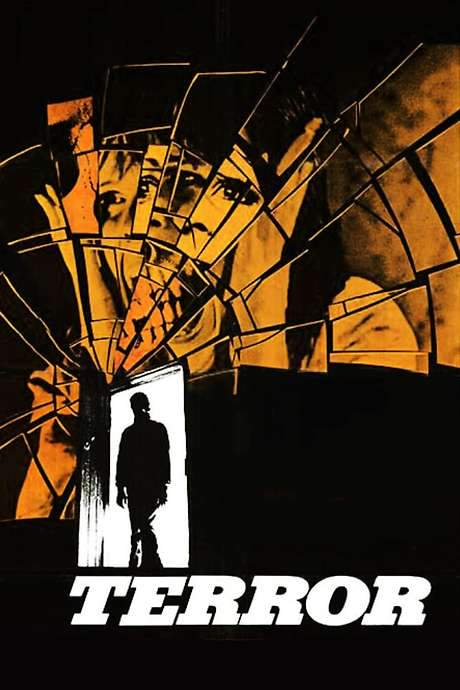
Terror
1978

Grotesque
2009

The Terror
1963

The Creeping Flesh
1973

The Haunted Palace
1000
Narrative Summary
The narrative pattern involves a gradual, inescapable escalation of threat, whether psychological or supernatural. There are few moments of relief, as the film methodically tightens its grip. The protagonist is often isolated and psychologically unraveling under the pressure, making the viewer a participant in their growing anxiety and fear.
Why These Movies?
These films are united by their powerful, consistent mood of oppression and dread. The shared experience is one of sustained tension and psychological suspense, with a similar emotional weight and dark tone. The similarity is less about specific plot points and more about the overwhelming, anxious vibe they create from start to finish.
Unlock the Full Story of Bunshinsaba
Don't stop at just watching — explore Bunshinsaba in full detail. From the complete plot summary and scene-by-scene timeline to character breakdowns, thematic analysis, and a deep dive into the ending — every page helps you truly understand what Bunshinsaba is all about. Plus, discover what's next after the movie.
Bunshinsaba Summary
Read a complete plot summary of Bunshinsaba, including all key story points, character arcs, and turning points. This in-depth recap is ideal for understanding the narrative structure or reviewing what happened in the movie.

Bunshinsaba Timeline
Track the full timeline of Bunshinsaba with every major event arranged chronologically. Perfect for decoding non-linear storytelling, flashbacks, or parallel narratives with a clear scene-by-scene breakdown.