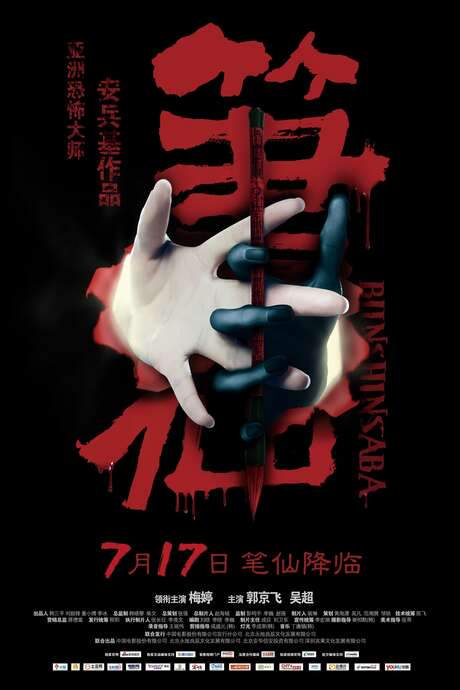
Bunshinsaba
Year: 2012
Runtime: 94 mins
Language: Chinese
Director: Ahn Byeong-ki
A writer discovers that her husband is released from prison and is after her and her son soon she takes a hideout in an old house where mysterious events begin to happen.
Warning: spoilers below!
Haven’t seen Bunshinsaba yet? This summary contains major spoilers. Bookmark the page, watch the movie, and come back for the full breakdown. If you're ready, scroll on and relive the story!
Bunshinsaba (2012) – Full Plot Summary & Ending Explained
Read the complete plot breakdown of Bunshinsaba (2012), including all key story events, major twists, and the ending explained in detail. Discover what really happened—and what it all means.
Xiao Ai, Mei Ting, is a struggling novelist whose horror manuscript has just been rejected by her publisher. When the publisher informs her that her husband, Qi Kun, Wu Chao, who was imprisoned on charges of domestic abuse, has been released, she decides to pack up and move with her asthmatic son, Xiao Xin, Zhu Jiangdi, to a remote mansion owned by her friend and Xiao Xin’s doctor, Yinan, Guo Jingfei. The new surroundings bring a tense quiet to their lives as they settle into the old house, where every creak seems to carry a memory and every shadow hints at a hidden past.
In the mansion, Xiao Ai discovers cut-out photos of a girl and her mother tucked away inside a wardrobe, and Xiao Xin finds a rag doll lying outside with a curious fondness for it. From the moment the doll appears, a chilling sense of a presence lingers, and the girl associated with the doll begins to terrorize Xiao Ai, while Xiao Xin behaves oddly, insisting that the girl is afraid of her abusive mother. The mood grows increasingly uneasy as Xiao Ai tries to write, only to find a story forming on her laptop that updates day after day, mirroring the tale Xiao Xin narrates: a girl who is harmed by her mother after her father leaves. The convergence of the supernatural with the personal history of the family deepens the sense of dread, as if the mansion itself is whispering secrets that refuse to stay buried.
Despite numerous attempts to dispose of the doll, it stubbornly reappears and returns to Xiao Xin’s possession, as if drawn by an unseen thread. The hauntings escalate from eerie to violent, and Xiao Ai’s paranoia grows alongside Xiao Xin’s insistence that the girl and her mother exist in some form. When Xiao Xin goes missing, Yinan calls in authorities to search the mansion, and Xiao Ai learns that the previous occupants were a girl and her mother who once lived there— the mother killed her daughter and then herself when a husband left. Rumors circulate that the girl survived and was taken to an orphanage, a detail that unsettles Xiao Ai even further as she faces the mystery of her own past.
Qi Kun arrives at the mansion in a bid to uncover Xiao Ai’s whereabouts, revealing that he has researched her background and learned she was raised in an orphanage and diagnosed with amnesia and asthma. A car crash on the way to the hospital injures Xiao Ai, and she is brought back to the mansion by Yinan and Qi Kun, who vow to protect her while the search for Xiao Xin continues. The drive back exposes more of the tangled history, and Xiao Ai presses on toward the truth she has avoided for so long.
Back at the mansion, Xiao Ai uncovers Qi Kun’s research documents, and a devastating truth emerges: the girl who haunts her is, in fact, a younger version of herself, and it is she who had harmed Xiao Xin in childhood—a consequence of her own mother’s abuse. The amnesia that clouded her memory had misled her to pin the blame on Qi Kun, a man who only ever wanted to protect his son. The revelation forces a confrontation with her past; she recognizes that she unknowingly wrote the self-updating story on her laptop because the memories were fractured and resurfacing. She is drawn to a secret room behind the wardrobe where her mother hanged herself years ago, and her younger self guides her to stay long enough to locate Xiao Xin. After saving him, she attempts to escape, but the mother’s spirit nearly suffocates her until she finally calls her mother “mother” for the first time, a moment that breaks the cycle and makes the haunting recede.
Months pass, and Xiao Ai remains in the mansion, choosing to build a life there. She delivers a quiet monologue about how her mother and son taught her to understand and forgive—an understanding that allows her to forgive herself as well. In a final, haunting image, a younger Xiao Ai walks toward the wardrobe, where she is again drawn into the room by an unseen force, hinting that the past may still reach forward to claim her, even as she tries to move forward.
Last Updated: October 09, 2025 at 16:05

Explore Movie Threads
Discover curated groups of movies connected by mood, themes, and story style. Browse collections built around emotion, atmosphere, and narrative focus to easily find films that match what you feel like watching right now.
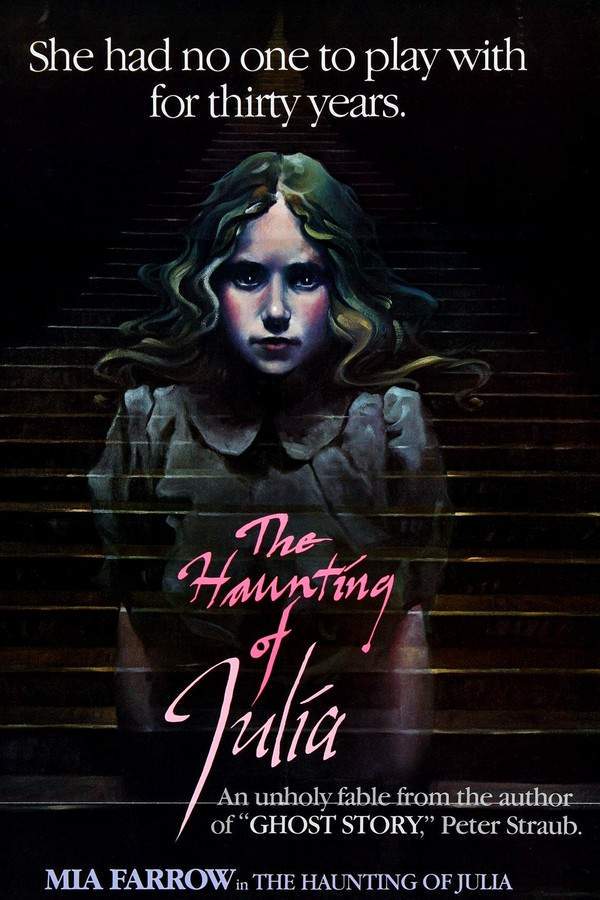
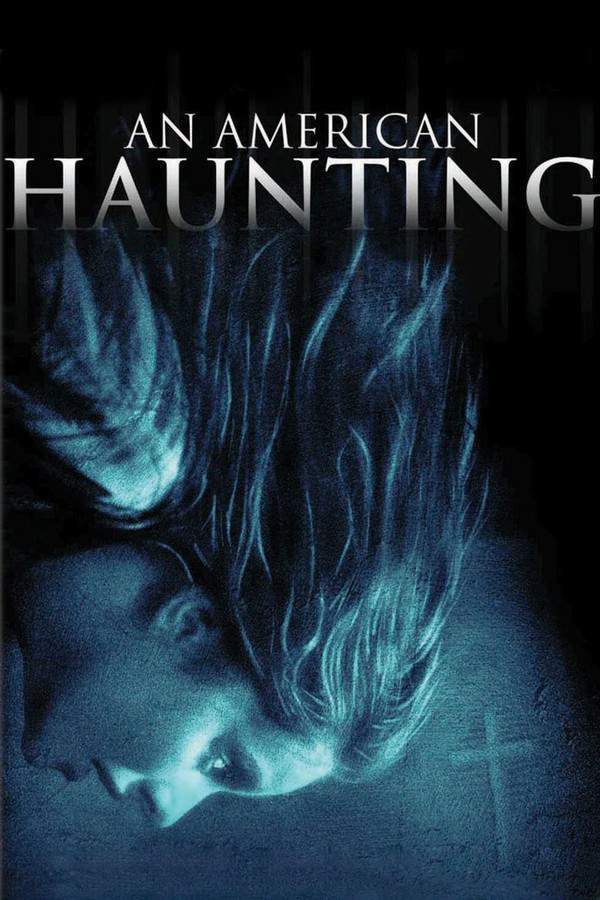
Psychological hauntings rooted in trauma like in Bunshinsaba
Supernatural phenomena that force a confrontation with repressed, painful memories.For viewers who liked Bunshinsaba, this section features movies where supernatural hauntings are directly tied to a character's psychological trauma. Discover similar horror and thriller stories that explore themes of repressed memory, abuse, and self-discovery through eerie, metaphorically charged encounters.
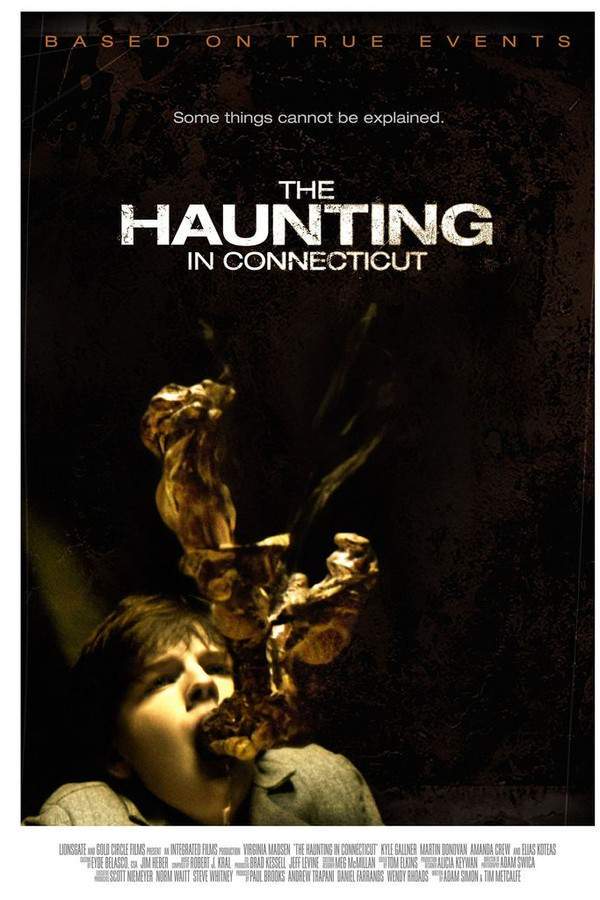
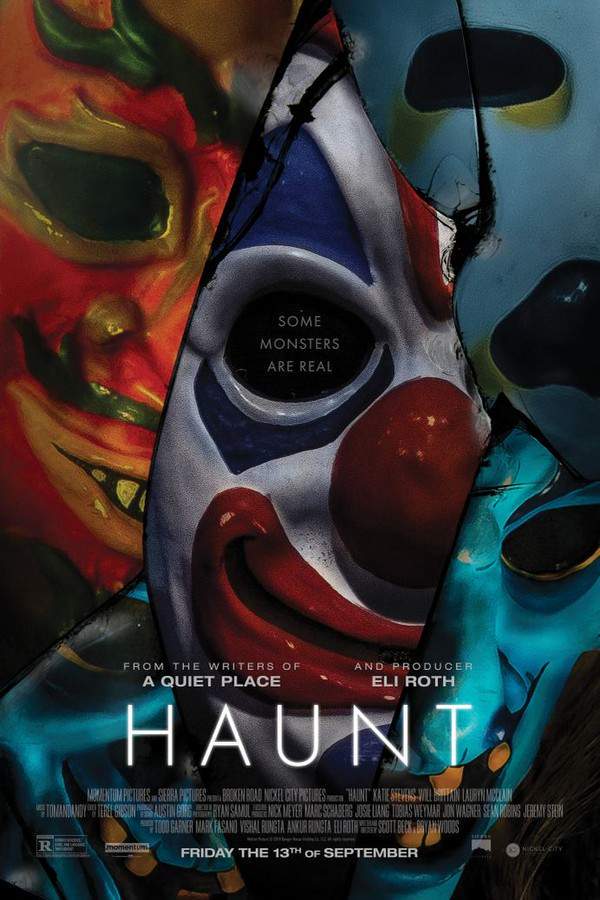
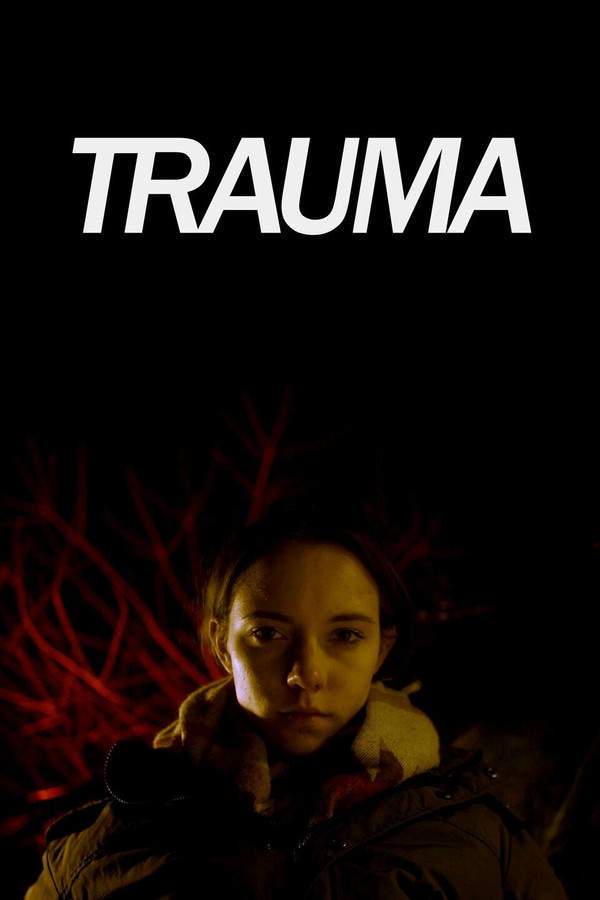



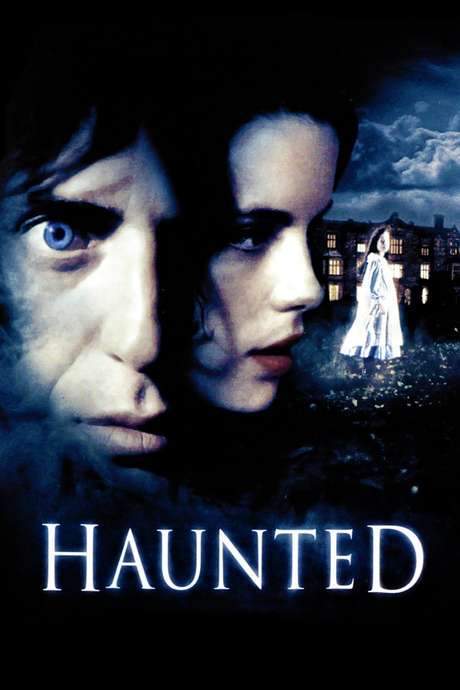

Narrative Summary
Stories in this thread typically follow a protagonist who enters a space—often a house—that becomes a catalyst for supernatural events. These events are not random but are manifestations of the character's unprocessed trauma. The narrative unfolds as a mystery, with the protagonist piecing together clues that lead back to their own painful history, culminating in a climactic confrontation with the truth.
Why These Movies?
These movies are grouped together because they share a core premise: the supernatural is a direct extension of the psychological. They blend horror with deep emotional drama, creating an experience that is both frightening and profoundly sad. The similarity lies in the thematic focus on trauma as the source of horror and the journey toward painful self-awareness.
Movies with oppressive slow burn dread like Bunshinsaba
A steadily mounting sense of unease that suffocates the characters and viewer alike.If you appreciated the constant, suffocating tension in Bunshinsaba, explore this collection of similar movies. These films master the art of slow burn dread, creating an anxious and claustrophobic viewing experience through steady pacing, dark tones, and high emotional intensity in the horror and thriller genres.
Don't Be Afraid of the Dark
2011
Don't Be Afraid of the Dark
1973
The Creeping
2023

The Evil Within
2017

The Attic
2006

The Amityville Curse
2023
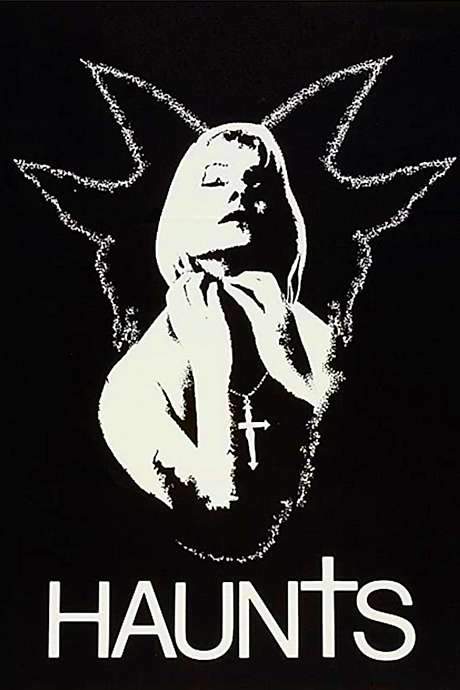
Haunts
1976

Night of Dark Shadows
1971
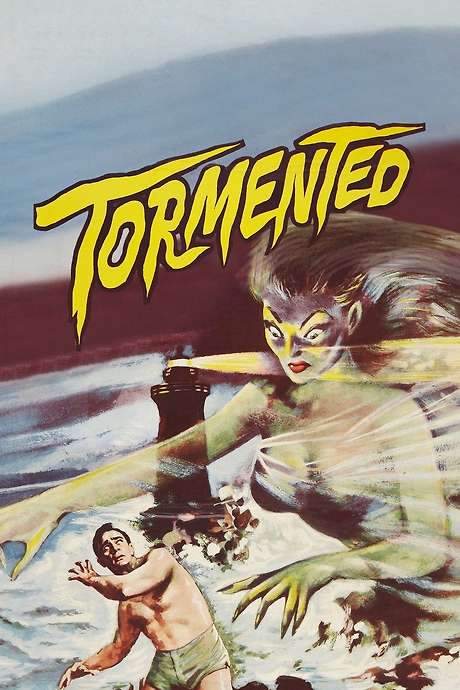
Tormented
1960

Fear in the Night
1972
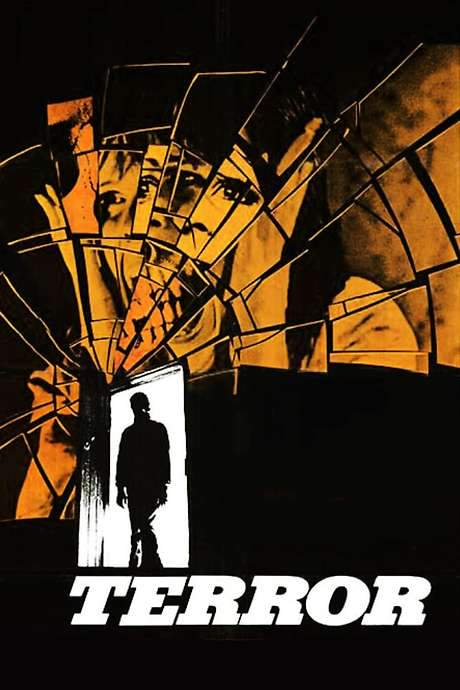
Terror
1978

Grotesque
2009

The Terror
1963

The Creeping Flesh
1973

The Haunted Palace
1000
Narrative Summary
The narrative pattern involves a gradual, inescapable escalation of threat, whether psychological or supernatural. There are few moments of relief, as the film methodically tightens its grip. The protagonist is often isolated and psychologically unraveling under the pressure, making the viewer a participant in their growing anxiety and fear.
Why These Movies?
These films are united by their powerful, consistent mood of oppression and dread. The shared experience is one of sustained tension and psychological suspense, with a similar emotional weight and dark tone. The similarity is less about specific plot points and more about the overwhelming, anxious vibe they create from start to finish.
Unlock the Full Story of Bunshinsaba
Don't stop at just watching — explore Bunshinsaba in full detail. From the complete plot summary and scene-by-scene timeline to character breakdowns, thematic analysis, and a deep dive into the ending — every page helps you truly understand what Bunshinsaba is all about. Plus, discover what's next after the movie.
Bunshinsaba Timeline
Track the full timeline of Bunshinsaba with every major event arranged chronologically. Perfect for decoding non-linear storytelling, flashbacks, or parallel narratives with a clear scene-by-scene breakdown.
Characters, Settings & Themes in Bunshinsaba
Discover the characters, locations, and core themes that shape Bunshinsaba. Get insights into symbolic elements, setting significance, and deeper narrative meaning — ideal for thematic analysis and movie breakdowns.