

















Plot Explained Spoilers guaranteed!
Plot Explained

Browse by genre

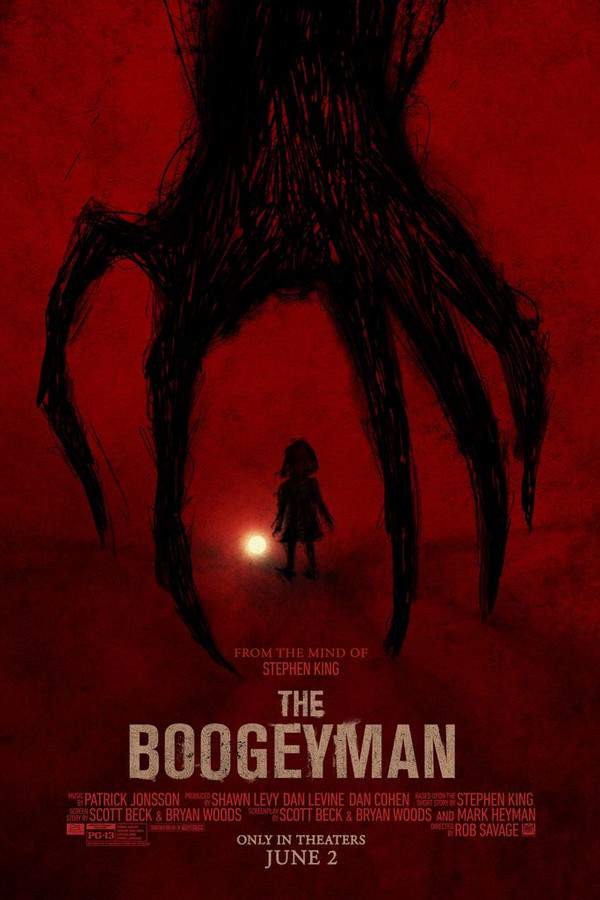
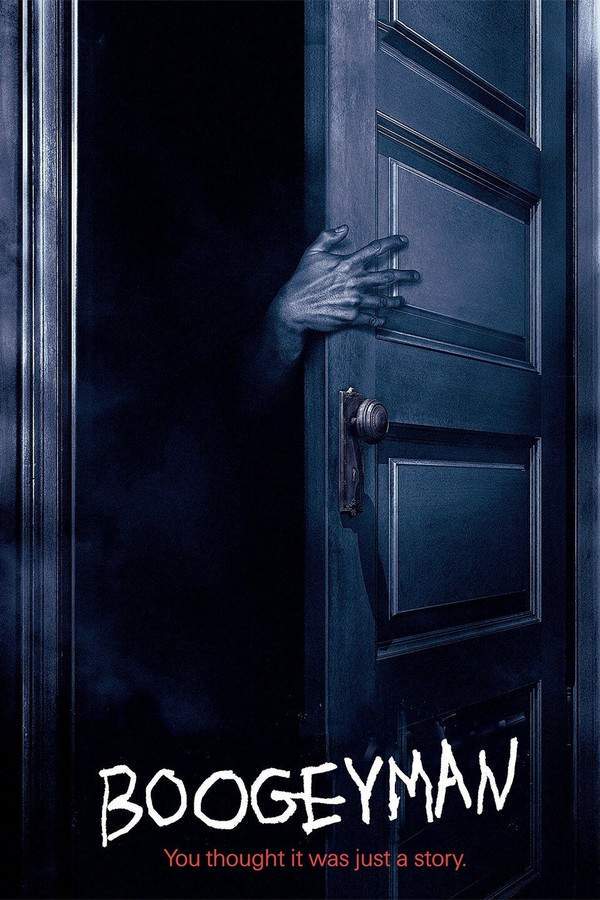
Boogeyman (2005) movie poster

Characters & Themes

Boogeyman (2005) Characters, Setting & Themes Explained

Release, runtime and language
2005 · 89 min · English
JustWatch #15,993 9
Directed by
Stephen T. Kay
Starring
Lucy Lawless, Barry Watson, Emily Deschanel
Budget
$20M

When two young boys tell small-town Sheriff Mike about a creature that visits them at night, he dismisses their claims. However, as the boys' stories become increasingly disturbing and people start disappearing, Mike realizes a terrifying supernatural force may be at work. He must confront his own fears and unravel the mystery behind the Boogeyman, struggling to separate myth from reality as the danger escalates and the community faces a growing sense of dread.

On this page (8)
  1. 1 Where to watch
  2. 2 Characters explained (3)
  3. 3 Where & when it takes place
  4. 4 Themes & meaning (3)
  5. 5 Character & meaning questions
  6. 6 Movie threads
  7. 7 Movies like Boogeyman
  8. 8 Every angle

Where to watch

Where to Watch Boogeyman (2005)

Where can you watch Boogeyman? Stream, rent or buy it in the US, including on Amazon Prime Video, Peacock Premium and Peacock Premium Plus: current JustWatch availability with up-to-date prices.

Streaming availability powered by JustWatch

3 main characters · contains spoilers

Boogeyman Characters Explained: Who Is Who

The main characters of Boogeyman (2005), heroes and villains: what drives them, how they change over the course of the story and what each of them reveals about the film's bigger ideas.

  • Tim Jensen (Barry Watson)

    Tim Jensen is a complex character burdened by childhood trauma and an intense fear of the Boogeyman. His strict habits and behavioral changes reflect his struggle to cope with past horrors. As he confronts his fears, Tim evolves from a fearful individual into someone who discovers inner strength to face the malevolent entity plaguing his life.

    • 💔 Trauma
    • 🦸‍♂️ Survivor
  • Kate Houghton (Emily Deschanel)

    Kate Houghton is Tim's childhood friend, embodying understanding and support as he navigates his fears. Initially dismissive of his concerns, she becomes an ally in confronting the supernatural threat of the Boogeyman. Her character development reflects the importance of friendship and empathy in overcoming personal struggles.

    • 🤝 Friendship
    • 🦸‍♀️ Supportive
  • Mother (Lucy Lawless)

    Tim's Mother represents the haunting presence of unresolved issues from his past, confined to a mental institution. Her role emphasizes the complexities of familial relationships and the psychological impact of maternal figures on one's fears. Her encouragement and subsequent absence shape Tim's motivations throughout the narrative.

    • 🧠 Mental Health
    • 💔 Loss

Last updated: October 22, 2024 at 20:54

Was this helpful?

Setting

Where and When Does Boogeyman Take Place?

The setting of Boogeyman (2005): the year and time period, the places and locations, and how they shape the characters, the mood and the tension of the story.

Time period

Contemporary

The movie unfolds in a contemporary setting, reflecting modern life challenges, including personal trauma and mental health issues. This time period emphasizes the ongoing struggles of individuals dealing with fears rooted in childhood experiences, providing a relatable backdrop for Tim's story.

Location

Victorian-style family home, psychiatric facility

The Victorian-style family home serves as a central location filled with haunting memories and terrifying encounters, representing Tim's troubled past and the origin of his fears. The psychiatric facility is where Tim's traumatic childhood experiences unfold, housing dark secrets that contribute to his psychological struggles.

  • 🏚️ Haunted House
  • 🏥 Psychiatric Facility

Last updated: October 22, 2024 at 20:54

Was this helpful?

3 major themes

Boogeyman Meaning: Themes & Message Explained

What is Boogeyman (2005) really about? The emotional, social and philosophical themes the film keeps returning to, its symbolism and the message beneath the surface.

  • Fear

    Fear serves as the central theme of the narrative, manifesting through Tim's encounters with the Boogeyman and his childhood trauma. The struggle against fear illustrates the psychological journey as Tim fights to overcome his past, revealing how deeply fear can impact one's adult life. The film explores the idea that confronting fear, although daunting, is necessary for healing.

  • Childhood Trauma

    The theme of childhood trauma is pivotal in shaping Tim's character and motivations. His experiences with the Boogeyman symbolize deeper psychological issues stemming from his father's death and his mother's institutionalization. The quest for understanding and closure drives Tim back to his childhood home, highlighting the lingering effects of unresolved trauma.

  • Truth

    The search for truth is a significant theme as Tim uncovers the reality behind his fears and the Boogeyman's existence. His journey back to his family home and psychiatric roots emphasizes the necessity of confronting one's past to understand the present. This exploration ultimately leads to a gripping confrontation with the terror that has haunted him for years.

Last updated: October 22, 2024 at 20:54

Was this helpful?

Character & theme questions

Boogeyman Characters & Meaning: Your Questions Answered

The questions people ask about Boogeyman (2005): who the characters really are, their relationships, what the symbols mean, where it takes place and what the movie is really about. Each answer contains spoilers.

Q1

What is the setting of the Victorian house in Boogeyman?

The Victorian-style family home serves as the central location in Boogeyman, representing Tim Jensen's troubled past and the origin of his deepest fears. This house is filled with haunting memories and terrifying encounters, acting as both a physical and psychological space where Tim must confront his childhood trauma.

  • victorian house
  • family home
  • setting
  • fear origin
Q2

When does Boogeyman take place?

Boogeyman is set in contemporary times, reflecting modern life challenges including personal trauma and mental health issues. This modern setting provides a relatable backdrop for Tim's story, emphasizing how fears rooted in childhood continue to impact adult life.

  • contemporary
  • time period
  • modern setting
Q3

What role does the psychiatric facility play in Boogeyman?

The psychiatric facility is where Tim Jensen's traumatic childhood experiences unfolded, housing dark secrets that contribute to his psychological struggles. His mother is confined there, emphasizing the complexities of familial relationships and the psychological impact of parental figures on one's fears.

  • psychiatric facility
  • mental institution
  • childhood trauma
Q4

What is the theme of fear in Boogeyman?

Fear is the central theme of Boogeyman, manifesting through Tim's encounters with the Boogeyman and his childhood trauma. The film illustrates how deeply fear can impact one's adult life, showing that confronting fear, although daunting, is necessary for healing and moving forward.

  • fear
  • confronting fear
  • psychological journey
Q5

How does childhood trauma shape the story in Boogeyman?

Childhood trauma is pivotal in shaping Tim Jensen's character and motivations in Boogeyman. His experiences with the Boogeyman symbolize deeper psychological issues stemming from his father's death and his mother's institutionalization. The quest for understanding and closure drives Tim back to his childhood home, highlighting the lingering effects of unresolved trauma.

  • childhood trauma
  • psychological issues
  • family trauma
Q6

What is the theme of truth in Boogeyman?

The search for truth is a significant theme in Boogeyman as Tim uncovers the reality behind his fears and the Boogeyman's existence. His journey back to his family home and psychiatric roots emphasizes the necessity of confronting one's past to understand the present, leading to a confrontation with the terror that has haunted him.

  • truth
  • confronting past
  • search for answers
Q7

Who is Tim Jensen in Boogeyman?

Tim Jensen, played by Barry Watson, is the protagonist of Boogeyman. He is a complex character burdened by childhood trauma and an intense fear of the Boogeyman. His strict habits and behavioral changes reflect his struggle to cope with past horrors. As he confronts his fears, Tim evolves from a fearful individual into someone who discovers inner strength to face the malevolent entity.

  • tim jensen
  • protagonist
  • main character
Q8

Who is Kate Houghton in Boogeyman?

Kate Houghton, played by Emily Deschanel, is Tim Jensen's childhood friend in Boogeyman. She embodies understanding and support as he navigates his fears. Initially dismissive of his concerns, she becomes an ally in confronting the supernatural threat of the Boogeyman. Her character development reflects the importance of friendship and empathy in overcoming personal struggles.

  • kate houghton
  • childhood friend
  • ally
Q9

Who is Tim's Mother in Boogeyman?

Tim's Mother, played by Lucy Lawless, represents the haunting presence of unresolved issues from Tim's past, confined to a mental institution. Her role emphasizes the complexities of familial relationships and the psychological impact of maternal figures on one's fears. Her encouragement and subsequent absence shape Tim's motivations throughout the narrative.

  • tim's mother
  • lucy lawless
  • mental institution
Q10

What does the Boogeyman represent in the movie?

The Boogeyman in the movie represents more than a supernatural creature, it symbolizes the embodiment of Tim Jensen's deepest fears rooted in childhood trauma. The entity serves as a physical manifestation of the psychological terror that has haunted Tim since his father's death and his mother's institutionalization, exploring how childhood fears can take on terrifying, real forms in adulthood.

  • boogeyman
  • symbolism
  • fear embodiment

Movie threads

More Movies Like Boogeyman, by Mood & Story

Curated lists built around what makes Boogeyman tick: the same mood, the same kind of story or the same emotional payoff. Each list explains why these movies belong together.

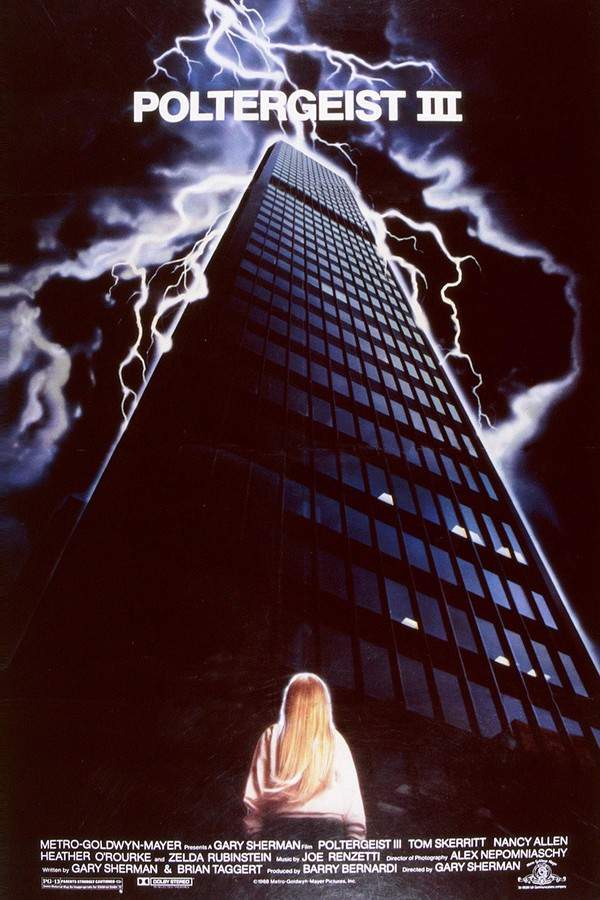
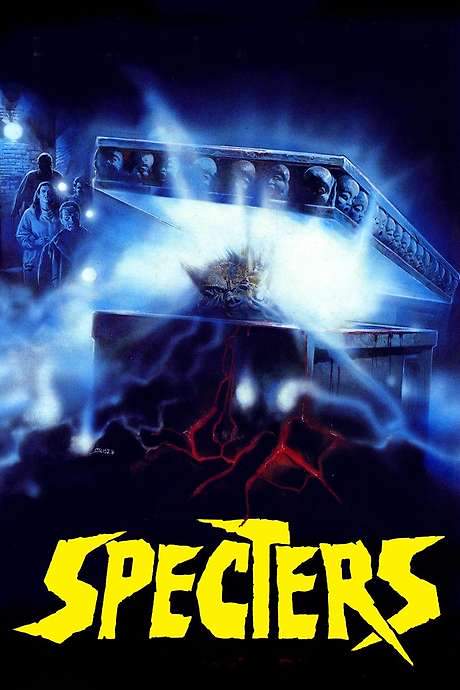
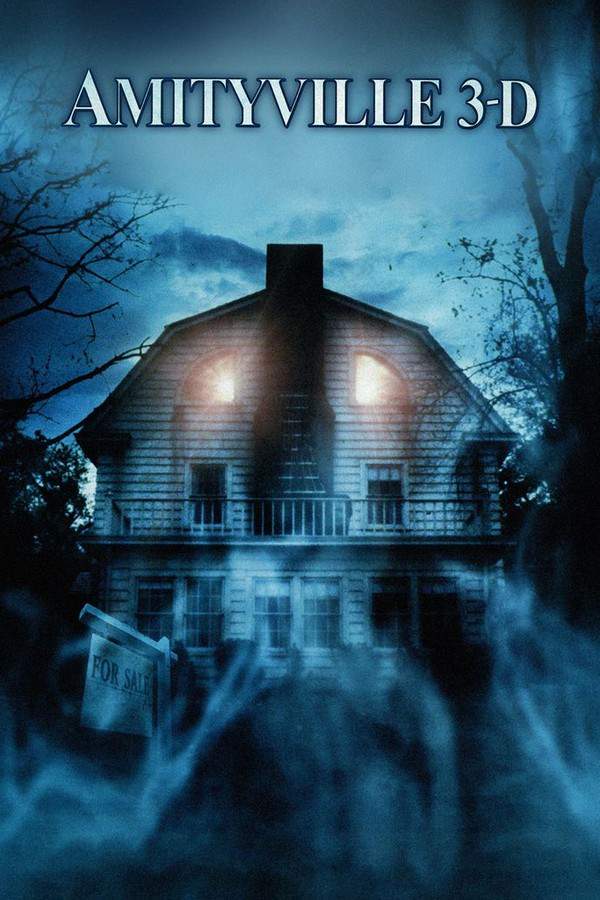
Claustrophobic horror movies about childhood trauma like Boogeyman

Supernatural horrors that force a confrontation with buried childhood fears. If you enjoyed Boogeyman, you'll find similar intense horror movies here where protagonists confront supernatural evils linked to their childhood. These films feature high tension, heavy emotional weight, and a focus on psychological distress, making them great recommendations for fans of stories where personal trauma becomes a tangible threat.

  • disturbing
  • unsettling
  • anxious
  • oppressive
  • fearful
  • paranoid
  • Tone: tense, oppressive, disturbing
  • Pacing: steady, dread-inducing
Why these movies?

The story pattern: The narrative follows a linear path of escalating dread, beginning with the rational dismissal of a childhood myth and culminating in a direct confrontation with the terrifying truth. The protagonist's journey is one of psychological unravelling, as they are compelled to believe in the unbelievable and face the source of their trauma to survive.

Why they belong together: Movies are grouped here based on their shared core theme of a monstrous force directly tied to a character's unresolved childhood trauma. They share a high-intensity, tense tone, heavy emotional weight from exploring psychological distress, and a focus on personal, rather than global, stakes.


Supernatural thrillers with a steady build of dread like Boogeyman

Stories where a steady pace builds unbearable tension toward an ambiguous end. For viewers who liked the methodical pacing and rising tension of Boogeyman, this section collects movies with a similar steady build towards supernatural horror. These recommendations focus on stories with straightforward narratives, high intensity, and often ambiguous endings that leave a lasting feeling of dread.

  • dread
  • tense
  • unsettling
  • anxious
  • paranoid
  • claustrophobic
  • Tone: tense, unsettling, dread-filled
  • Pacing: steady, methodical, escalating
Why these movies?

The story pattern: The narrative pattern is straightforward and linear, beginning with subtle, unsettling events that are initially dismissed. As evidence mounts, the protagonist's skepticism erodes, leading to a direct and intense confrontation. The conclusion is frequently ambiguous, suggesting the threat may persist beyond the immediate events, ensuring the dread lingers.

Why they belong together: These films are united by their specific pacing and tone: a steady, relentless build of tension, a high-intensity viewing experience centered on supernatural fear, and an ending that provides no easy resolution. This creates a coherent vibe of sustained, escalating paranoia and dread.

If you liked this

Movies Like Boogeyman

Similar movies to Boogeyman: the same genre, themes or kind of story. Each one comes with its own plot summary, timeline and ending explained.

Browse all movie summaries

Every angle

Boogeyman (2005) Explained: Plot, Timeline & Characters

Everything about Boogeyman in one place: what happens in the plot summary, the timeline in chronological order, the characters and meaning and a spoiler-free summary. What's After the Movie adds the cast, box office and post-credit scenes.

Coming soon on iOS and Android

The Plot Explained Movie Summary App

Plot summaries, endings explained and timelines on your phone. Catch up on any movie in minutes, save your favorites and never miss a twist again.

Be the first to know when we launch. Your email stays private, always.

Learn more about the app